
De evolutie van vuurvaste materialen
De voortdurende vooruitgang in de industriële technologie heeft geleid tot een toenemende vraag naar hoogwaardige micropoeders in de materiaalkunde. In de vuurvaste materialenindustrie kampten traditionele, met cement gebonden gietbare materialen al lange tijd met belangrijke nadelen, waaronder een hoge porositeit, een zwakke structuur en onvoldoende mechanische sterkte. Deze beperkingen hebben de ontwikkeling van geavanceerde vuurvaste gietbare materialen tot een dringende noodzaak gemaakt.
De opkomst en toepassing van ultrafijne poedertechnologie hebben onmiskenbaar de vooruitgang van vuurvaste materialen versneld. Onder de verschillende additieven, actieve silicadamp (SiO₂) En α-Al₂O₃ micropoeder De meest gebruikte micropoederdeeltjes in vuurvaste gietmaterialen zijn SiC, hoog-aluminiumoxidepoeder, wit gesmolten aluminiumoxide, bruin gesmolten aluminiumoxide, zirkoon en spinelpoeder. De toevoeging van deze micropoederdeeltjes verbetert de verwerkbaarheid en de prestaties van gietmaterialen aanzienlijk, met name wat betreft de sterkteontwikkeling.
Ultrafijne poedertechnologie is de hoeksteen van cementarme, ultracementarme en cementvrije vuurvaste gietmaterialen. In de industrie wordt de classificatie doorgaans gedefinieerd door een drempelwaarde voor de deeltjesgrootte van 5 μm: deeltjes ≤5 μm worden geclassificeerd als ultrafijne poeders, terwijl die >5 μm worden aangeduid als micropoeders. Onder deze opties blijven silicaroet en α-Al₂O₃-micropoeder de meest voor de hand liggende keuzes.
De invloed van ultrafijne poeders op de prestaties van vuurvaste materialen is aanzienlijk. De juiste selectie en optimale dosering van deze poeders zijn van cruciaal belang voor de uiteindelijke prestaties van gietbare materialen met een laag cementgehalte.
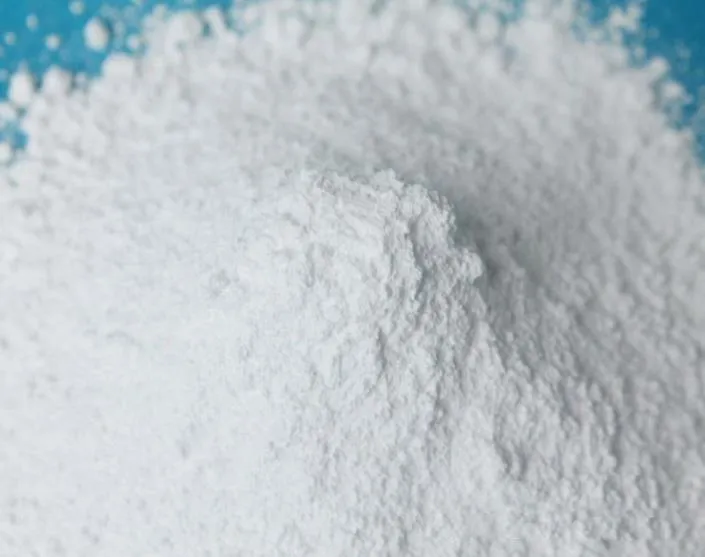
De beperkingen van traditionele cementbinding overwinnen
Het is algemeen bekend dat traditionele cementgebonden gietbare materialen een adequate druksterkte bij lage temperaturen bereiken dankzij hun hoge cementgehalte. Bij middelhoge temperaturen veroorzaakt de kristallijne faseovergang van cement echter een scherpe daling van de sterkte. Bovendien introduceert cement 3–10 wt% van CaO in het systeem. Dit CaO reageert met SiO₂ en Al₂O₃ die aanwezig zijn in het gietbare materiaal om fasen met een laag smeltpunt te vormen, zoals anorthiet (CAS₂) of gehleniet (C₂AS) . Deze fasen verminderen de hittebestendigheid en corrosiebestendigheid van het materiaal bij hoge temperaturen aanzienlijk.
De introductie van ultrafijne poeders En hoogefficiënte superplastificeerders Deze technologie overwint deze problemen fundamenteel. Door de deeltjespakking te optimaliseren en de waterbehoefte te verminderen, kunnen we cementarme, ultracementarme en zelfs cementvrije gietbare materialen formuleren met uitstekende thixotrope eigenschappen en een stabiele sterkte bij middelhoge temperaturen. Deze geavanceerde materialen worden nu op grote schaal gebruikt in de metallurgie, de bouwmaterialenindustrie, de petrochemie en de energieopwekking, en behalen opmerkelijke resultaten.
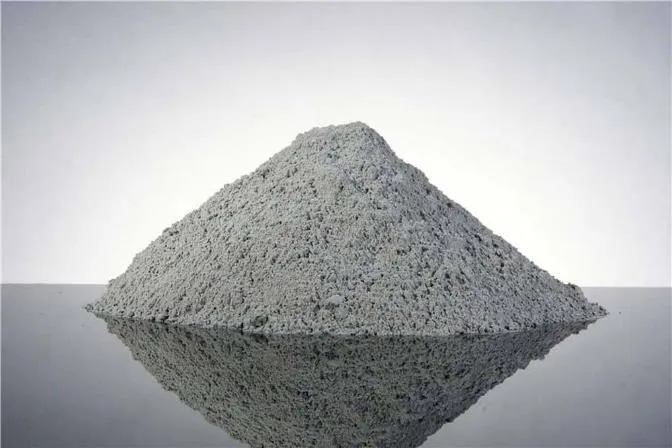
Fundamentele mechanismen: vullen en smeren
De mechanismen waarmee ultrafijne poeders de vuurvaste eigenschappen verbeteren, zijn complex, maar berusten in essentie op twee primaire fysische effecten: vulling En smering.
- VullingseffectUltrafijne deeltjes vullen de holtes tussen grove aggregaten en fijne matrixpoeders. Deze verdichting vermindert de waterbehoefte voor het gieten. Na het drogen en bakken blijven er minder poriën over, wat leidt tot een hogere bulkdichtheid en een lagere schijnbare porositeit. Dit verbetert direct de structurele sterkte en de algehele materiaaleigenschappen.
- SmeringseffectDoor hun hoge oppervlakte-energie adsorberen ultrafijne deeltjes dispergeermiddelen aan hun oppervlak, waardoor een hydratatiefilm ontstaat. Deze film zorgt voor een smerende werking tussen de deeltjes, waardoor de vloei-eigenschappen van het gietbare materiaal aanzienlijk verbeteren en de vorm- en plaatsingseigenschappen ervan optimaliseren.
Silicadamp (SiO₂ ultrafijn poeder) in vuurvaste gietmaterialen
Bronnen en fysieke kenmerken
Momenteel worden in vuurvaste gietmaterialen twee hoofdsoorten ultrafijn SiO₂-poeder gebruikt:
- Poeder afkomstig van zeer zuiver kwarts (niet-actief, korrelig).
- Poeder geproduceerd als een bijproduct van de productie van metallisch silicium of ferrosilicium.
Het tweede type wordt het meest gebruikt. Het bestaat uit: amorfe, holle bolvormige deeltjes met een hoge reactiviteit. Deze bollen agglomereren niet gemakkelijk en vertonen uitstekende vuleigenschappen.
Werkingsmechanismen: van silanol tot mulliet
Na incorporatie in het gietbare materiaal vormt zich aan het oppervlak van de silicadamp. silanolgroepen (Si-OH) bij hydratatie. Tijdens het drogen dehydrateren deze groepen en vormen ze bruggen, waardoor een stabiele structuur ontstaat. siloxaannetwerk (Si-O-Si) . Dit netwerk is zeer bestand tegen breuk bij hoge temperaturen, waardoor de sterkte van het gietbare materiaal bij middelhoge temperaturen effectief wordt verbeterd.
Bij hogere temperaturen reageert het reactieve SiO₂ in de rook met Al₂O₃ dat aanwezig is in vuurvaste materialen met een hoog aluminiumoxidegehalte, waardoor de volgende vorming ontstaat: mulliet (3Al₂O₃·2SiO₂) . Deze mullitisatiereactie is zeer gunstig voor het verbeteren van de sterkte van het materiaal bij hoge temperaturen. Daarom wordt silicaroet veelvuldig gebruikt in cementarme, ultra-cementarme en cementvrije gietbare materialen.
In combinatie met een geschikt dispergeermiddel zorgt silicaroet voor een uitstekend waterreducerend effect. De fijne, bolvormige structuur maakt het mogelijk om microscopische poriën te vullen die grotere deeltjes niet kunnen bereiken. Dit vermindert het aantal poriën dat na het drogen overblijft, wat de sterkte direct verhoogt. Tegelijkertijd adsorberen de colloïdale silicaroetdeeltjes in water dispergeermiddelen en vormen zo een oplosmiddellaag, waardoor de reologische eigenschappen en de vormbaarheid van het gietbare materiaal drastisch verbeteren.
Optimale dosering en praktische overwegingen
Hoewel silicadamp voordelen biedt, moet de dosering ervan nauwkeurig worden gecontroleerd. Overschrijding van een bepaalde drempelwaarde leidt tot een sterke toename van de viscositeit van het systeem. Dit komt doordat de hydratatieproducten van SiO₂ verder polymeriseren, waardoor het moleculaire volume en de weerstand tegen laminaire stroming toenemen.
Onderzoek uitgevoerd door Li Xiaoming et al. naar met silicaroet gebonden gietbare materialen levert waardevolle inzichten op. In hun onderzoek had het silicaroet een deeltjesgrootte van <1 μm (met ~60% kleiner dan 0,15 μm) en een specifiek oppervlak van 2 × 10⁵ cm²/g. Ze testten monsters met silicaroettoevoegingen variërend van 3 tot 15 wt%.
- KrachtDe koude buigsterkte (na drogen) en de koude druksterkte namen beide toe met het silicaroetgehalte, met een piek bij ongeveer 12 wt%, waarna ze afhaakten.
- Porositeit en dichtheidZowel de schijnbare porositeit als de bulkdichtheid namen af naarmate het silicaroetgehalte toenam.
Rekening houdend met de fasesamenstelling (waarbij overmatige hoeveelheid kwarts werd vermeden), de sterkte en de algehele prestaties, hebben de onderzoekers vastgesteld dat het optimale toevoegingsniveau ongeveer gelijk is aan 5 wt%.
Praktische toepassingstips:
- WaterbeheersingVanwege het uitstekende waterreducerende effect moet de watertoevoeging strikt gecontroleerd worden (doorgaans 5-6 gewichtsprocent voor bauxiet van klasse I). Overtollig water leidt tot een te sterke reologie en een verminderde droogsterkte.
- MengtijdOm de thixotrope eigenschappen volledig te ontwikkelen, is voldoende mengen cruciaal. Doorgaans is een mengtijd van minimaal 5 minuten nodig.
- DroogschemaDoordat de ultrafijne deeltjes de meeste poriën vullen, wordt het gietbare materiaal zeer dicht. Een langzamer droogproces wordt aanbevolen om explosieve afbrokkeling te voorkomen.
Toepassing in MgO-gebaseerde gietmaterialen
Ultrafijn SiO₂-poeder presteert ook uitstekend in MgO-gebaseerde gietmaterialen. Het vermindert de hydratatie van MgO-deeltjes aanzienlijk, waardoor verpoedering en scheurvorming tijdens het bakproces tot een minimum worden beperkt. Bovendien zorgt het voor een goede reologie.
De slakbestendigheid van MgO-gebaseerde gietmaterialen is cruciaal voor de levensduur. De matrix, bestaande uit silicapoeder en magnesiumoxidepoeder, speelt een belangrijke rol in de corrosiebestendigheid. Onderzoek van Wei Yaowu en Li Nan wijst uit dat:
- De weerstand tegen slakpenetratie van MgO-gebaseerde gietmaterialen verbetert naarmate het silicaroetgehalte toeneemt.
- De optimale toevoeging voor corrosiebestendigheid is echter ongeveer 3 wt%. Op dit niveau is de porositeit na het bakken laag, de liquidustemperatuur van de matrix hoog en de hoeveelheid laagsmeltende fasen die ontstaan door reactie met de slak minimaal. Zowel onvoldoende als overmatige silicaroet is nadelig voor de corrosiebestendigheid.
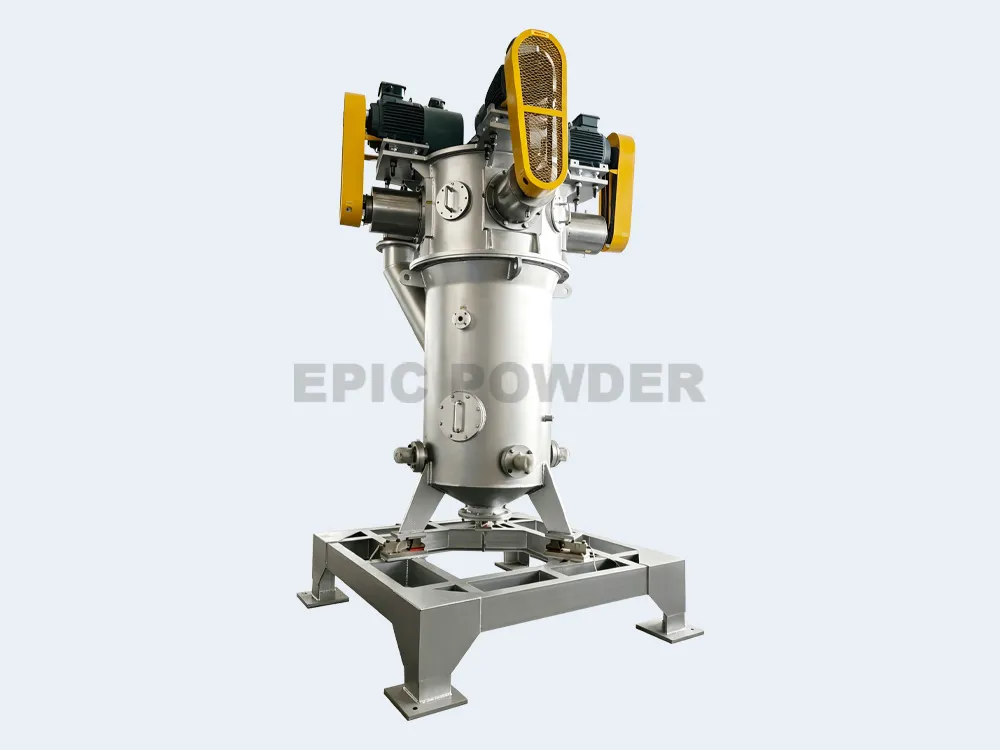
α-Al₂O₃ micropoeder in vuurvaste gietmaterialen
Algemene eigenschappen en voordelen
α-Al₂O₃-micropoeder wordt geproduceerd door het calcineren van industrieel aluminiumoxide. Het wordt gekenmerkt door een uitstekende dispergeerbaarheid, fijne deeltjesgrootte, gemakkelijke sinterbaarheid bij hoge temperaturen en een minimaal volume-effect.
Het toevoegen van α-Al₂O₃-micropoeder aan cementgebonden gietbare materialen heeft een aanzienlijk effect op de verwerkbaarheid en prestaties. Het vervult twee hoofdfuncties:
- Vuurvastheid en fasereactieHet verhoogt de vuurvastheid van het gietbare materiaal en bevordert de hechting en mullitisatie van keramiek bij hoge temperaturen.
- Vullen en verdichtenHet vult poriën op, vermindert structurele defecten, verbetert de sterkte en verhoogt de weerstand tegen slakcorrosie.
De nadelen van overdosering
Een overmaat aan α-Al₂O₃-micropoeder vermindert echter de trilvloeibaarheid van het gietbare materiaal. Wanneer de toevoeging een bepaalde grens overschrijdt, neemt de sterkte doorgaans af. Dit komt doordat overtollig Al₂O₃ bij voorkeur reageert met het cement en CA₂- en CA₆-fasen (calciumaluminaten) vormt. Deze reacties verbruiken een grote hoeveelheid Al₂O₃ in de matrix en gaan gepaard met schadelijke effecten. volumevergroting. Deze uitzetting introduceert structurele defecten na behandeling bij hoge temperaturen, wat leidt tot een afname van de sterkte.
De unieke hydratatie van ρ-Al₂O₃: een baanbrekende ontdekking
Aluminiumoxide bestaat in meerdere kristallijne vormen, waaronder γ, δ, χ, κ, η, ρ, θ en α. α-Al₂O₃ (korund) is thermodynamisch het meest stabiel en is uitgebreid bestudeerd. Echter, ρ-Al₂O₃ is uniek: het is de enige aluminiumoxidefase die vertoont spontaan hydratatievermogen bij kamertemperatuur. De hydratatiereactie is:
ρ-Al₂O₃ + 2H₂O = Al(OH)₃ + AlOOH
De producten van deze reactie zijn bayeriet en boehmietsol, die uitstekende cementerende en verhardende eigenschappen hebben, waardoor ρ-Al₂O₃ kan functioneren als een hoogwaardig bindmiddel voor vuurvaste gietmaterialen.
Thermodynamische berekeningen door Li Xiaoming et al. bevestigen de haalbaarheid van deze hydratatie in verschillende aluminiumoxidefasen. Bij 298 K zijn de standaard Gibbs-vrije-energieveranderingen (ΔG⁰) voor de hydratatiereactie (zelfde vergelijking als hierboven) voor verschillende Al₂O₃-vormen als volgt:
De onderstaande tabel toont de thermodynamische gegevens voor verschillende vormen van Al₂O₃ en H₂O, Al(OH)₃ en AlOOH bij 298 K.
Tabel 1. ΔG0 (kJ/mol) voor relevante verbindingen bij 3298 K

Berekeningen aan de hand van de vijf Al₂O₃-morfologieën in de bovenstaande tabel leveren de volgende resultaten op:
| Aluminiumoxidefase | ΔG⁰ (kJ/mol) voor hydratatie |
|---|---|
| χ-Al₂O₃ | -37.8 |
| γ-Al₂O₃ | -34.5 |
| κ-Al₂O₃ | -26.7 |
| δ-Al₂O₃ | -25.4 |
| α-Al₂O₃ | -16.1 |
De negatieve ΔG⁰-waarden voor alle vormen, inclusief de meest stabiele α-Al₂O₃, geven aan dat elke vorm van aluminiumoxide als hydraulisch uithardend bindmiddel kan fungeren als deze op de juiste wijze wordt geactiveerd. Bij hoge temperaturen transformeren al deze vormen in α-Al₂O₃ (korund), waardoor dit een "zelfhechtend" vuurvast systeem wordt. Het bindmiddel zelf transformeert in een hoogwaardig vuurvast oxide met superieure eigenschappen.
ρ-Al₂O₃ als superieur bindmiddel
Eind jaren zeventig was Japan een pionier in het gebruik van ρ-Al₂O₃ als bindmiddel voor hydraulisch gebonden gietbare materialen. Systematische studies toonden aan dat de toevoeging van ρ-Al₂O₃ niet lager mocht zijn dan een bepaalde waarde. 0,3 wt%, waarbij het optimale niveau ongeveer 7 wt%. Vervolgens onderzochten wetenschappers in de Sovjet-Unie, het Verenigd Koninkrijk, de Verenigde Staten en Duitsland dit concept en noemden het overgangsaluminiumoxide, intermediair aluminiumoxide of actief aluminiumoxide.
Het grootste voordeel van ρ-Al₂O₃ ten opzichte van puur calciumaluminaatcement (CAC) is de volledige eliminatie van problemen die door CaO worden veroorzaakt (zoals de vorming van anorthiet en gehleniet met een laag smeltpunt). ρ-Al₂O₃ biedt:
- Hogere bedrijfstemperaturen (>1700°C).
- Grotere sterkte en volumestabiliteit.
- Uitstekende corrosiebestendigheid.
Momenteel is het lastig om hoogzuiver ρ-Al₂O₃ op industriële schaal te produceren. Commerciële producten bevatten doorgaans een mengsel van ρ-Al₂O₃, χ-Al₂O₃ en restanten van onontleed Al(OH)₃, met een werkelijk ρ-Al₂O₃-gehalte van ongeveer 60 gew.
ToepassingsvoorbeeldBij een vergelijking van met ρ-Al₂O₃ gebonden MgO-gietbare materialen (met behulp van gesmolten of gesinterd magnesiumoxide) met traditionele cementgebonden varianten, toont het ρ-Al₂O₃-systeem superieure prestaties op het gebied van sterkte en eigenschappen bij hoge temperaturen, waardoor het een uitstekende keuze is voor veeleisende toepassingen.
Silica-aluminiumoxide gelbindmiddelen in vuurvaste gietmaterialen
Het concept van de composietgel
Li Xiaoming et al. ontwikkelden een zeer innovatief composiet silica-alumina gel bindmiddelsysteem. Met dit bindmiddel werden met succes zeer sterke, op korund gebaseerde gietbare materialen geproduceerd met een bindende fase bestaande uit zeer zuivere silica. mulliet, waardoor de algehele prestaties aanzienlijk worden verbeterd.
Dit bindmiddel is in essentie een mengsel van colloïdale en gesuspendeerde deeltjes, samengesteld uit SiO₂ ultrafijn poeder En Al₂O₃ micropoeder met deeltjesgroottes variërend van 10⁻⁴ tot 10⁻⁶ cm. De molaire verhouding van Al₂O₃ tot SiO₂ wordt nauwkeurig geregeld op 3:2, waardoor de volledige vorming van mulliet bij hoge temperaturen mogelijk wordt.
Deze silica-aluminiumoxidegel kan zowel in droge als in vloeibare vorm worden geleverd.
Thermodynamica van mullietvorming
Door de hoge mate van dispersie heeft de gel een enorm specifiek oppervlak en een hoge oppervlakteactiviteit. Dit zorgt voor een uitstekende bindkracht bij lage temperaturen, terwijl hij bij hoge temperaturen snel een zeer vuurvaste en extreem sterke mullietfase vormt.
De mullitisatiereactie wordt als volgt weergegeven:
3Al₂O₃ (S) + 2SiO₂ (S) = 3Al₂O₃·2SiO₂
Thermodynamische berekeningen voor deze reactie met verschillende uitgangsmaterialen laten het volgende zien:
| Uitgangsmaterialen | Temperatuur | ΔG⁰ (kJ/mol) |
|---|---|---|
| α-Al₂O₃ + kwarts | 1300 K | -0,97 kJ |
| α-Al₂O₃ + Amorf SiO₂ | 1100 K | -0,26 kJ |
| γ-Al₂O₃ + amorf SiO₂ | 1100 K | -36,92 kJ |
| γ-Al₂O₃ + kwarts | 1100 K | -33,42 kJ |
Deze thermodynamische berekeningen bevestigen dat Mulliet kan zich vormen bij opmerkelijk lage temperaturen. als aan de kinetische voorwaarden is voldaan. Het gebruik van reactieve (amorfe) vormen van silica en overgangsalumina's verlaagt de energiebarrière voor mullitisatie aanzienlijk.
Uitzonderlijke mechanische prestaties
Bij experimentele proeven met silica-alumina gel-gebonden gietbare materialen met een hoog aluminiumoxidegehalte waren de resultaten opvallend. Na het bakken bij 800°C gedurende 3 uur, De koudbuigsterkte en de kouddruksterkte bereikten indrukwekkende waarden. 13 MPa en 102 MPa, respectievelijk. Een dergelijke hoge sterkte bij deze temperatuur kan alleen worden toegeschreven aan de vorming van een sterk mullietbindingsnetwerk.
Verdere tests met op korund gebaseerde gietmaterialen, gebonden met deze gel, leverden consequent zeer hoge sterkten na het bakken op. Cruciaal is dat monsters die gebakken werden bij 1000°C bereikte een druksterkte bij lage temperaturen die hoger was dan 180 MPa.
Het krachtdal overwinnen
Dit prestatieprofiel is zeer belangrijk. Het stelt het object in staat om volledig te worden uitgekozen. de traditionele krachtdip overwinnen Dat is een probleem dat conventionele gietbare materialen tijdens het verwarmingsproces parten speelt. In tegenstelling tot cementgebonden materialen die bij middelhoge temperaturen verzwakken, blijven gelgebonden systemen sterker worden, waardoor de structurele integriteit gedurende het gehele opwarmproces gewaarborgd blijft. Dit resulteert in superieure prestaties bij hoge temperaturen en een veiligere, betrouwbaardere levensduur.
Conclusie
Het strategisch gebruik van ultrafijne poeders is onmisbaar voor de moderne vuurvaste technologie.
- Silicadamp (SiO₂) Biedt ongeëvenaarde vulling, smering en versterking bij middelhoge temperaturen door middel van siloxaannetwerken, met een optimale dosering van ongeveer 5 wt%.
- α-Al₂O₃ en ρ-Al₂O₃ micropoeders Ze vervullen een dubbele rol als verdichtingsmiddelen en hoogwaardige zelfhechtende bindmiddelen, waardoor het schadelijke CaO dat in cement wordt geïntroduceerd, wordt vermeden en ze een uitstekende sterkte bij hoge temperaturen en corrosiebestendigheid bieden.
- Silica-aluminiumoxide gel bindmiddelen Dit vertegenwoordigt de allernieuwste technologie, waardoor het mogelijk is om mulliet met een hoge zuiverheid te binden bij lage temperaturen en een uitzonderlijke mechanische sterkte te leveren (meer dan 180 MPa), terwijl de dip in de sterkte bij middelhoge temperaturen wordt geëlimineerd.
Door gebruik te maken van deze drie essentiële ultrafijne poeders kunnen fabrikanten van vuurvaste materialen hoogwaardige, duurzame gietbare materialen formuleren die voldoen aan de strenge eisen van de moderne metaal-, petrochemische en energieopwekkingsindustrie.
EPIC Poeder
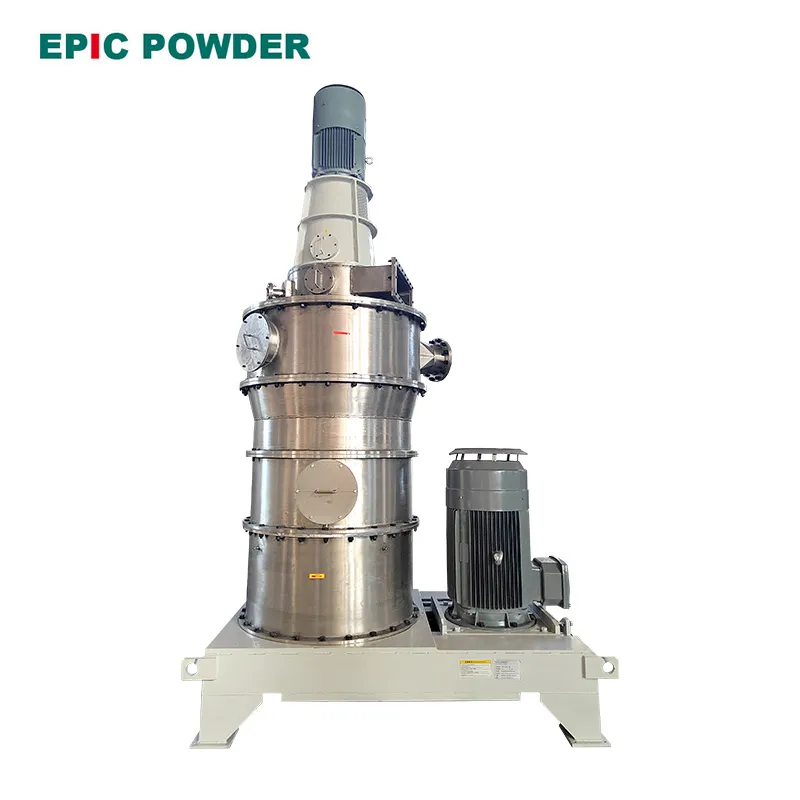
Bij EPIC Poeder, Wij begrijpen dat de prestaties van uw uiteindelijke vuurvaste product beginnen met de kwaliteit van uw poederverwerking. Of u nu maatwerk maaloplossingen nodig heeft voor silicadamp, aluminiumoxide micropoeder of complexe gelprecursormengsels, onze geavanceerde luchtclassificatiemolens En straalmolens Zorg voor nauwkeurige controle van de deeltjesgrootte (tot op micron- en submicronniveau) om aan uw exacte formuleringseisen te voldoen.
Neem vandaag nog contact met ons op. Ontdek hoe de maaloplossingen van EPIC Powder u kunnen helpen de perfecte ultrafijne poederverdeling te bereiken voor uw vuurvaste gietmaterialen van de volgende generatie.

“"Bedankt voor het lezen. Ik hoop dat mijn artikel nuttig is. Laat gerust een reactie achter. Je kunt ook contact opnemen met de online klantenservice van EPIC Powder." Zelda voor verdere vragen.”
— Jason Wang, Ingenieur