
Wie lässt sich die Morphologie von Pulverpartikeln kontrollieren?
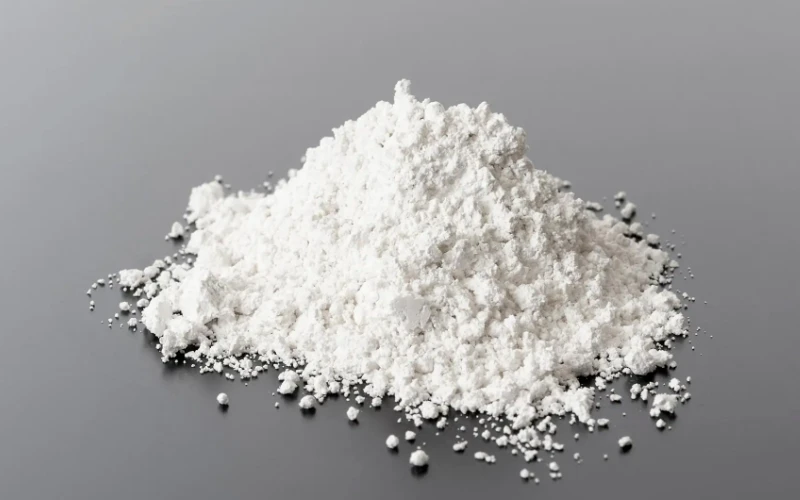
Die Morphologiekontrolle von Pulverpartikeln ist eine der Kerntechnologien in der modernen Materialherstellung. Sie bestimmt direkt die Packungsdichte, die Fließfähigkeit, die Sinteraktivität sowie die endgültige Mikrostruktur und die Eigenschaften keramischer Produkte. Ziel der Morphologiekontrolle ist die Erzielung spezifischer, einheitlicher und reproduzierbarer Partikelformen. Die folgenden Abschnitte beschreiben die wichtigsten Verfahren im Detail […]
Warum sollte man Centella Asiatica mit einer Luftstrahlmühle vermahlen? Vorteile gegenüber traditionellen Mahlverfahren
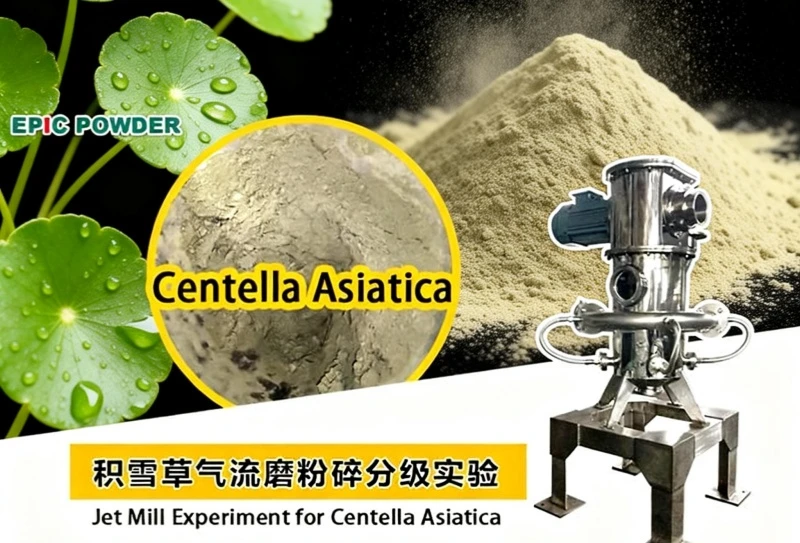
Centella asiatica (also known as Gotu Kola) is an important medicinal and edible plant. Its key active compounds — primarily triterpenoids (such as asiaticoside, madecassoside, asiatic acid, and madecassic acid) along with flavonoids and polyphenols — are in high demand in modern pharmaceuticals, nutraceuticals, and cosmetics. These applications place strict requirements on the fineness, uniformity, […]
Wie PEEK zur strategischen Materialgrundlage für in Serie gefertigte humanoide Roboter wird?

Macro Background: Humanoid Robots Enter the “Lightweight Era” As humanoid robots enter their first year of mass production, the industry is facing unprecedented technological challenges and opportunities. Among them, the most prominent issue is the contradiction between battery endurance and effective payload. Traditional humanoid robot designs rely heavily on metallic materials such as aluminum alloys […]
Welche keramischen Werkstoffe werden zur Herstellung einer Lithiumbatterie benötigt?
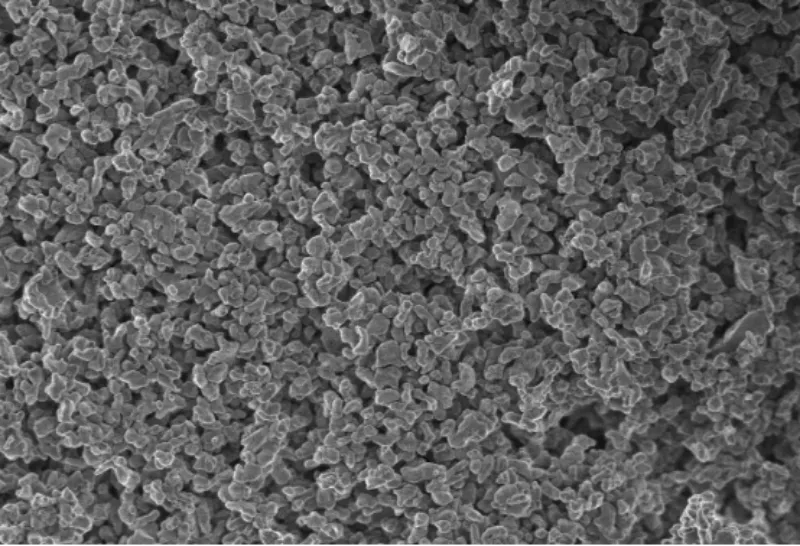
With the continuous development of advanced technology, advanced ceramic powders and products have become key and bottleneck materials in certain high-tech fields. In the lithium battery industry, some ceramic materials play crucial roles in its production chain. These materials may directly serve as electrodes or separator materials, be used as packaging materials, or act as […]
Warum sollte man porösen Kohlenstoff aus Biomasse als kostengünstige und umweltfreundliche Materialalternative in Betracht ziehen?
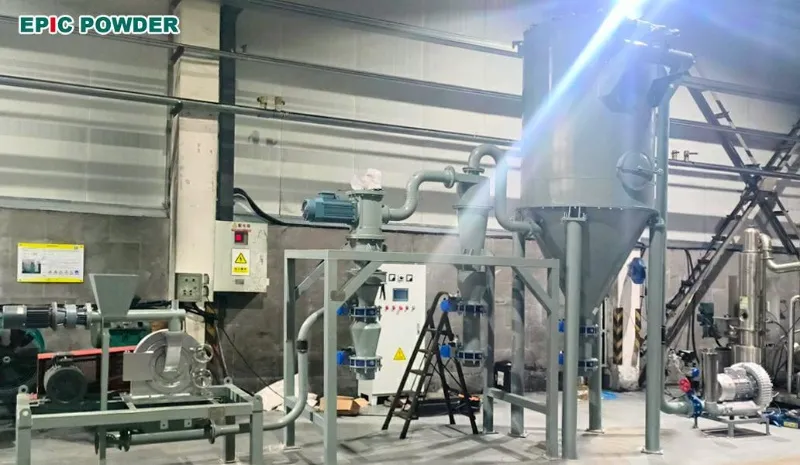
Why Choose Biomass as a Precursor? The shift toward Biomass-Derived Porous Carbon represents a critical evolution in materials science, moving away from non-renewable fossil sources like coal and pitch. By leveraging renewable organic matter, manufacturers achieve a dual advantage: superior electrochemical performance and a significantly reduced carbon footprint. At EPIC Powder Machinery, we provide the […]
Wie schneidet eine Luftstrahlmühle bei der Ultrafeinvermahlung von Petrolkoks für einen präzisen D97-Wert von 28 Mikron ab?
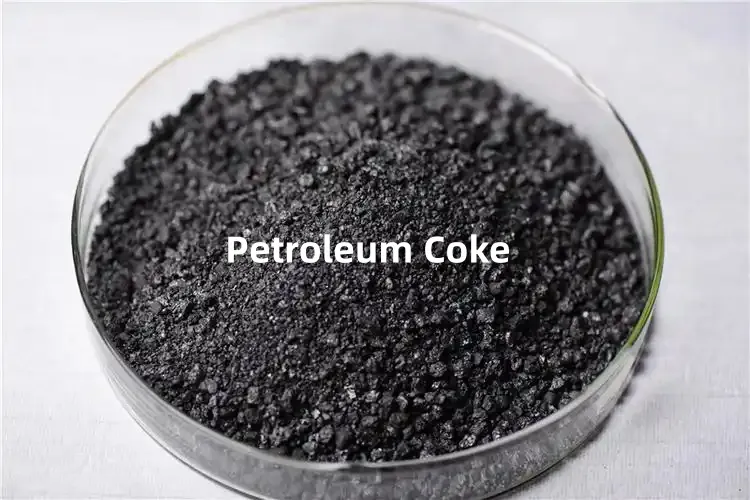
Understanding Petroleum Coke Characteristics Petroleum coke (petcoke) is a carbon-rich solid derived from the oil refining process. It features a high carbon content, low ash, and variable sulfur levels depending on the source crude. These characteristics make it valuable across industries, especially when processed into fine powders through petroleum coke ultrafine grinding, which enables precise […]
Wie lässt sich die Anodenkapazität durch fortschrittliche Ultrafeinmahltechnologie verbessern?
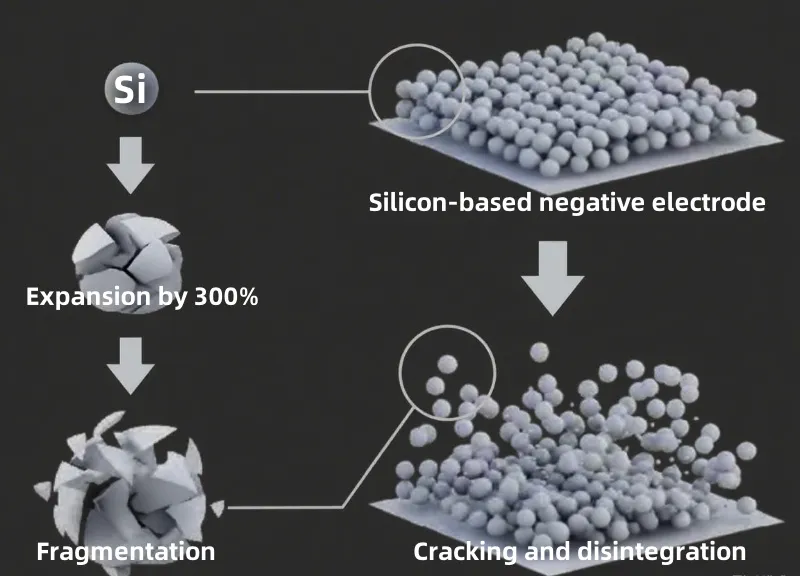
The Science Behind Particle Size and Morphology In my 20+ years of experience with powder processing, I’ve seen firsthand that raw chemical composition is only half the battle in battery performance. The physical structure of the material—specifically particle size and shape—dictates the final energy density. We don’t just grind material; we engineer the microstructure to […]
Schwer zu dispergierende Agglomerate? Wie lässt sich die Partikelgrößenverteilung von Kathodenmaterialien mit einer Stiftmühle optimieren?
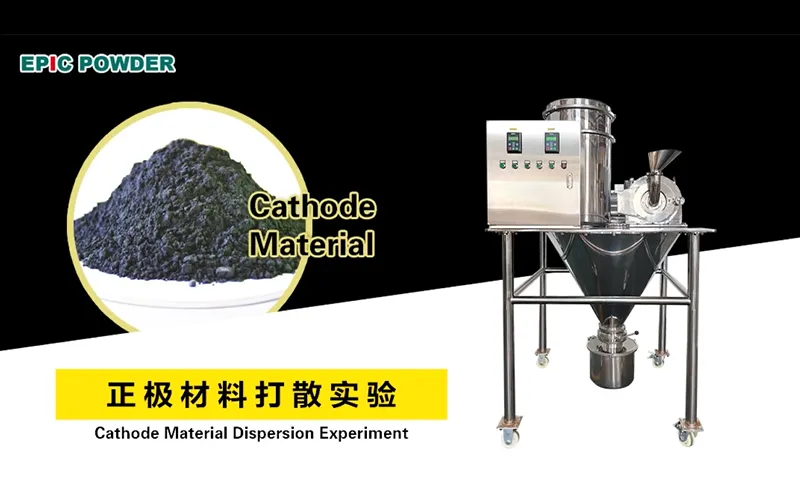
In the production of lithium-ion batteries, the performance of cathode materials—such as lithium cobalt oxide (LCO), nickel–cobalt–manganese oxides (NCM), and lithium iron phosphate (LFP)—directly affects energy density, cycle life, and safety. Among the common challenges in cathode material processing, agglomeration is one of the most critical. These agglomerates are often formed due to van der […]
Wie lassen sich mit ultrafeinen Talkumpuder-Mahlverfahren hohe Reinheit und Feinheit erzielen?
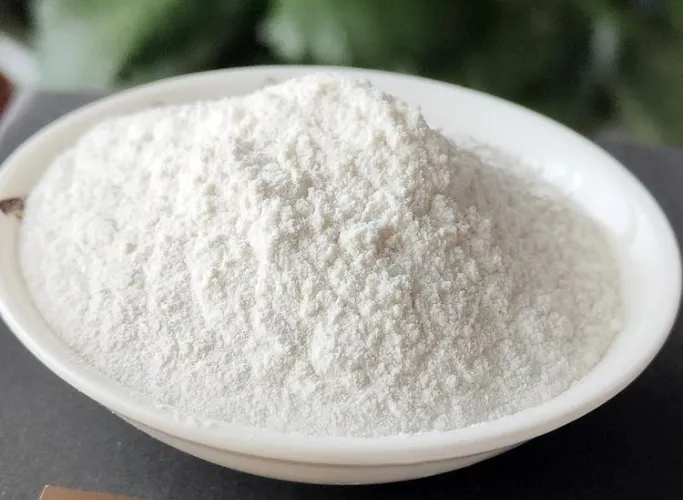
Talc is unique among non-metallic minerals. It is the softest mineral on earth with a Mohs hardness of 1, but its true industrial value lies in its platy (lamellar) structure and natural hydrophobicity. When we approach talcum powder ultrafine grinding, we aren’t just crushing rock; we are carefully engineering a functional additive that needs to […]