
粉末粒子の形態制御を実現するには?
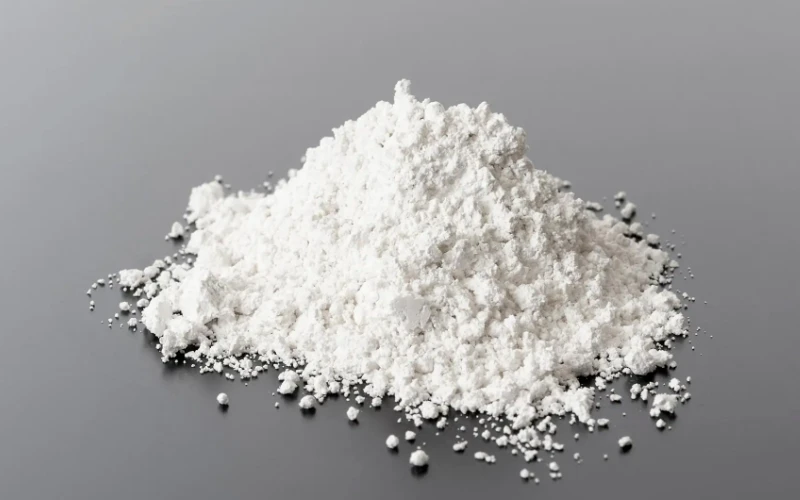
Morphology control of powder particles is one of the core technologies in advanced material preparation. It directly determines the packing density, flowability, sintering activity, and the final microstructure and performance of ceramic products. The objective of morphology control is to obtain particle shapes that are specific, uniform, and reproducible. The following sections detail the mainstream preparation methods and the underlying principles behind these approaches to achieve powder particles control. Mainstream Morphologies and Control Strategies The following table details the characteristics, common preparation methods, and core control principles of different target morphologies. Morphology Control Strategy Table Target Morphology Characteristics & Advantages Typical Preparation Methods Core Principles of Control Spherical / Near-Spherical […]
ツボクサの粉砕にエアジェットミルを使用する理由とは?従来の粉砕方法と比較した利点
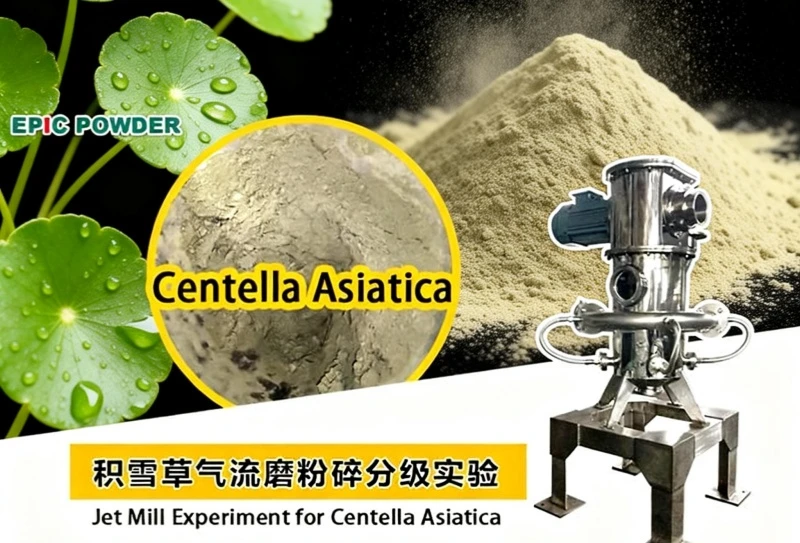
Centella asiatica (also known as Gotu Kola) is an important medicinal and edible plant. Its key active compounds — primarily triterpenoids (such as asiaticoside, madecassoside, asiatic acid, and madecassic acid) along with flavonoids and polyphenols — are in high demand in modern pharmaceuticals, nutraceuticals, and cosmetics. These applications place strict requirements on the fineness, uniformity, and preservation of bioactivity of the powder. Traditional grinding methods (such as hammer mills, blade mills, ordinary impact mills, or ball mills) often encounter significant limitations when processing Centella asiatica, while air jet mill (especially fluidized-bed opposed jet mills or flat jet mills) has become the mainstream choice for high-end superfine grinding of this material. […]
PEEKはどのようにして量産型ヒューマノイドロボットの戦略的材料基盤となったのか?
Macro Background: Humanoid Robots Enter the “Lightweight Era” As humanoid robots enter their first year of mass production, the industry is facing unprecedented technological challenges and opportunities. Among them, the most prominent issue is the contradiction between battery endurance and effective payload. Traditional humanoid robot designs rely heavily on metallic materials such as aluminum alloys and stainless steel. Although these metals offer high strength, their relatively high density leads to increased energy consumption, limiting continuous operation time and mobility. To achieve longer operating time and higher payload efficiency, lightweight design has become a core requirement. This is not merely a matter of structural optimization, but a revolutionary shift in materials […]
リチウム電池の製造にはどのようなセラミック材料が必要ですか?
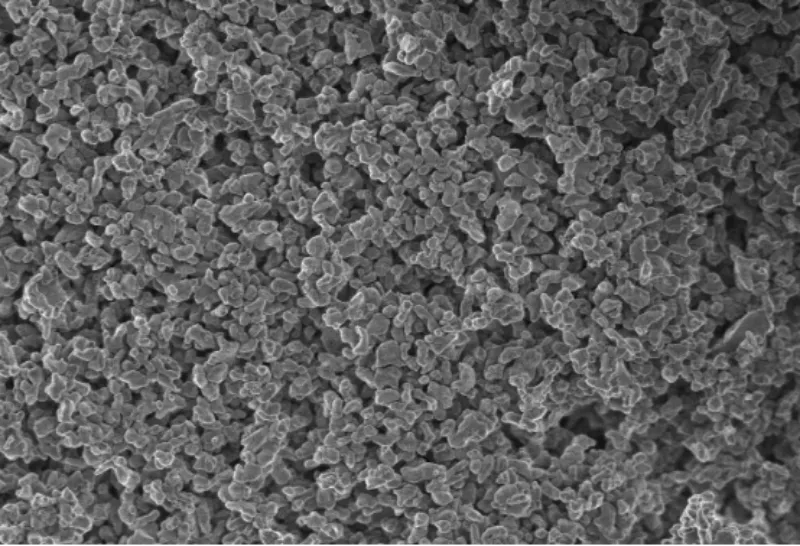
With the continuous development of advanced technology, advanced ceramic powders and products have become key and bottleneck materials in certain high-tech fields. In the lithium battery industry, some ceramic materials play crucial roles in its production chain. These materials may directly serve as electrodes or separator materials, be used as packaging materials, or act as auxiliary materials in the production process. This ceramic materials market has been booming due to the demand from the lithium battery sector. Today, let’s take a closer look at which ceramic materials are required to produce a lithium battery. Lithium-ion batteries are mainly composed of five parts: cathode material, anode material, separator, electrolyte, and packaging […]
バイオマス由来の多孔質炭素を、低コストで環境に優しい代替材料として検討する理由とは?
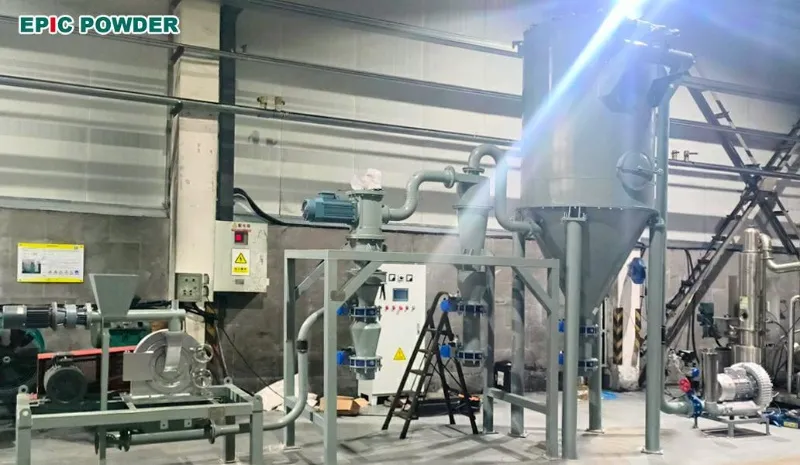
Why Choose Biomass as a Precursor? The shift toward Biomass-Derived Porous Carbon represents a critical evolution in materials science, moving away from non-renewable fossil sources like coal and pitch. By leveraging renewable organic matter, manufacturers achieve a dual advantage: superior electrochemical performance and a significantly reduced carbon footprint. At EPIC Powder Machinery, we provide the precision milling solutions necessary to transform these raw organic inputs into high-performance carbon powders. Raw Material Diversity Nature provides an inexhaustible supply of precursors. We see successful industrial applications utilizing a vast array of agricultural by-products, including coconut shells, rice husks, sawdust, and spent coffee grounds. This diversity requires versatile processing equipment. Unlike uniform synthetic […]
エアジェットミルは、D97値28ミクロンという高精度な石油コークスの超微粉砕において、どのような性能を発揮するのでしょうか?
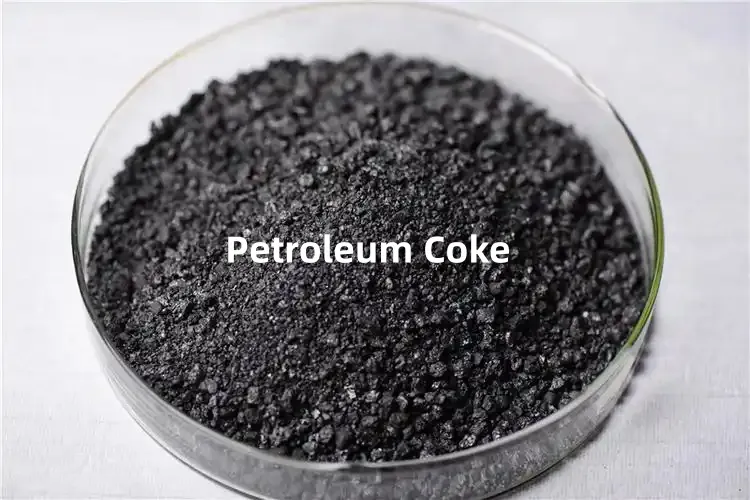
Understanding Petroleum Coke Characteristics Petroleum coke (petcoke) is a carbon-rich solid derived from the oil refining process. It features a high carbon content, low ash, and variable sulfur levels depending on the source crude. These characteristics make it valuable across industries, especially when processed into fine powders through petroleum coke ultrafine grinding, which enables precise particle size control, improved reactivity, and enhanced performance in applications such as fuels, electrodes, and advanced carbon materials. Physical Properties and Grindability Petcoke has a Mohs hardness typically ranging between 2.5 and 3.5, which classifies it as relatively soft compared to minerals but still tough enough to require specialized grinding technology. Its abrasive nature and […]
高度な超微粉砕技術によって陽極容量を向上させるには?
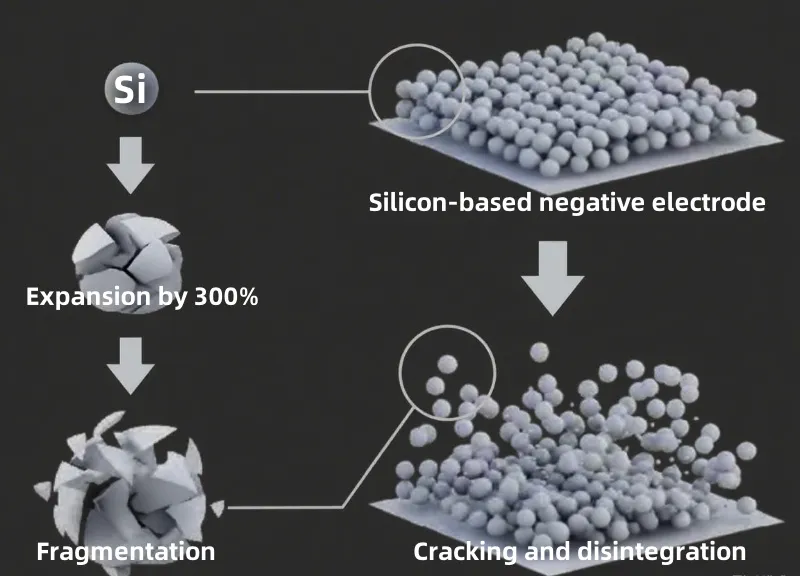
The Science Behind Particle Size and Morphology In my 20+ years of experience with powder processing, I’ve seen firsthand that raw chemical composition is only half the battle in battery performance. The physical structure of the material—specifically particle size and shape—dictates the final energy density. We don’t just grind material; we engineer the microstructure to unlock the full potential of the anode. Shortening Lithium-ion Diffusion Paths The logic here is simple but critical: the larger the particle, the further the lithium ion has to travel. By utilizing anode ultrafine grinding, we reduce the particle size to the optimal micron range. This significantly shortens the Lithium-ion Diffusion Path, lowering internal resistance […]
凝集塊の分散が困難?ピンミルを用いて正極材料の粒度分布を最適化するには?
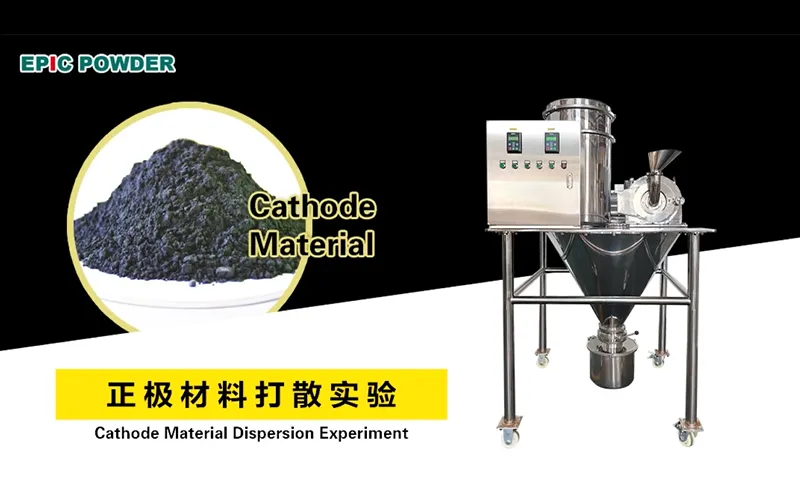
In the production of lithium-ion batteries, the performance of cathode materials—such as lithium cobalt oxide (LCO), nickel–cobalt–manganese oxides (NCM), and lithium iron phosphate (LFP)—directly affects energy density, cycle life, and safety. Among the common challenges in cathode material processing, agglomeration is one of the most critical. These agglomerates are often formed due to van der Waals forces or electrostatic interactions, making particles difficult to disperse uniformly. This, in turn, affects slurry rheology and the final microstructure of the electrode. Agglomerates not only lead to a broad particle size distribution but may also reduce ion transport efficiency and overall battery performance.This article explores why agglomerates are difficult to break apart. It […]
超微細タルク粉末の粉砕ソリューションで、高純度と高細度を実現するにはどうすればよいでしょうか?
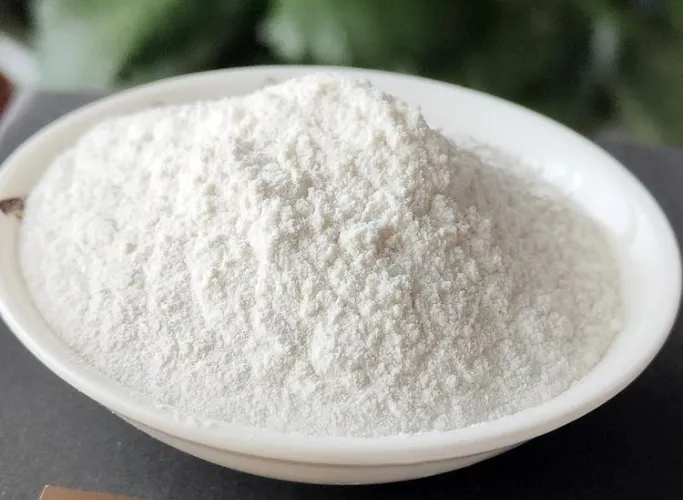
Talc is unique among non-metallic minerals. It is the softest mineral on earth with a Mohs hardness of 1, but its true industrial value lies in its platy (lamellar) structure and natural hydrophobicity. When we approach talcum powder ultrafine grinding, we aren’t just crushing rock; we are carefully engineering a functional additive that needs to perform in high-end applications like plastics, coatings, and cosmetics. Unlocking Performance Through Size Reduction Why does the industry demand finer powders? It comes down to surface area and interaction. Achieving an ultrafine particle size is critical for: The Risks of Poor Processing Grinding talc is a delicate balance. If the process is too aggressive or […]