
¿Cómo lograr el control de la morfología de las partículas de polvo?
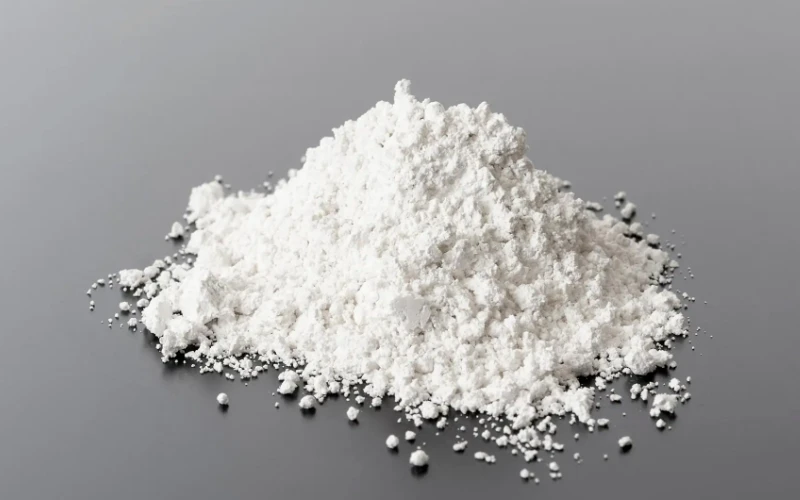
El control morfológico de partículas de polvo es una de las tecnologías clave en la preparación avanzada de materiales. Determina directamente la densidad de empaquetamiento, la fluidez, la actividad de sinterización, la microestructura final y el rendimiento de los productos cerámicos. El objetivo del control morfológico es obtener formas de partículas específicas, uniformes y reproducibles. Las siguientes secciones detallan las principales […]
¿Por qué usar un molino de aire comprimido para la centella asiática? Ventajas en comparación con los métodos de molienda tradicionales
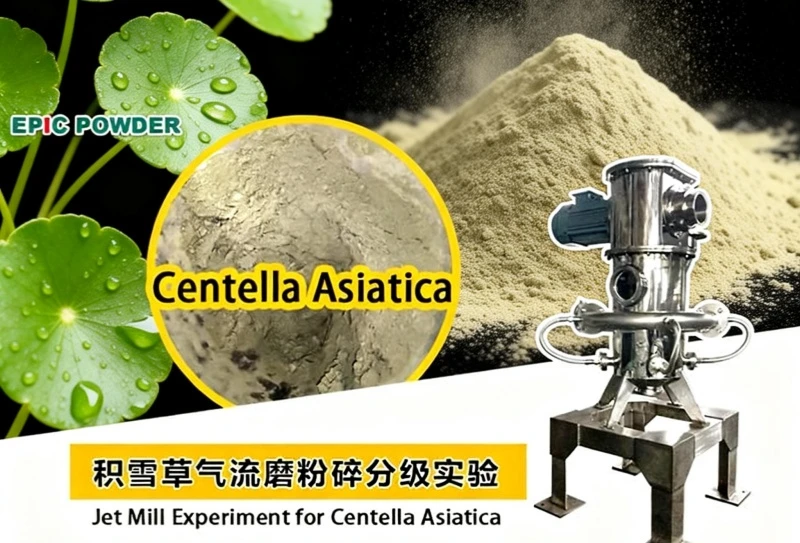
La Centella asiática (también conocida como Gotu Kola) es una importante planta medicinal y comestible. Sus principales compuestos activos —principalmente triterpenoides (como asiaticósido, madecasósido, ácido asiático y ácido madecásico), junto con flavonoides y polifenoles— tienen una gran demanda en la industria farmacéutica, nutracéutica y cosmética moderna. Estas aplicaciones exigen estrictos requisitos de finura, uniformidad, […]
How PEEK Becomes the Strategic Material Foundation for Mass-Produced Humanoid Robots?

Macro Background: Humanoid Robots Enter the “Lightweight Era” As humanoid robots enter their first year of mass production, the industry is facing unprecedented technological challenges and opportunities. Among them, the most prominent issue is the contradiction between battery endurance and effective payload. Traditional humanoid robot designs rely heavily on metallic materials such as aluminum alloys […]
What Ceramic Materials are Needed to Produce a Lithium Battery?
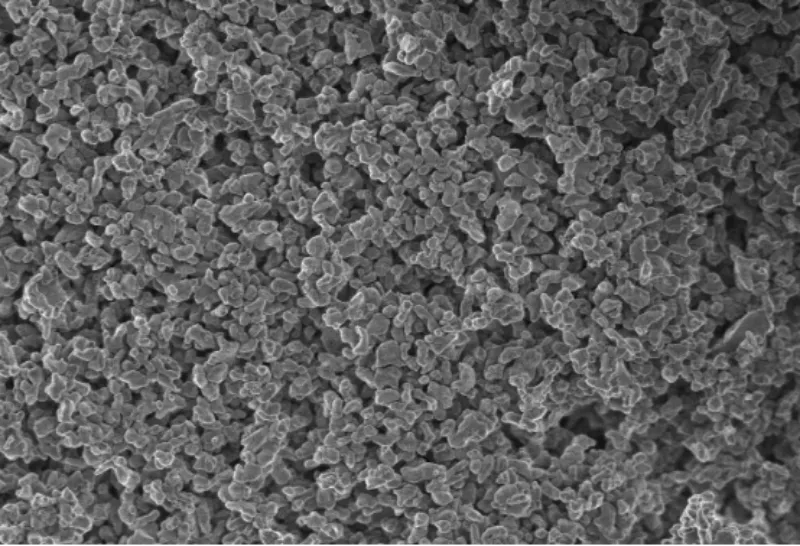
With the continuous development of advanced technology, advanced ceramic powders and products have become key and bottleneck materials in certain high-tech fields. In the lithium battery industry, some ceramic materials play crucial roles in its production chain. These materials may directly serve as electrodes or separator materials, be used as packaging materials, or act as […]
Why Consider Biomass-Derived Porous Carbon as a Low-Cost and Eco-Friendly Material Alternative?
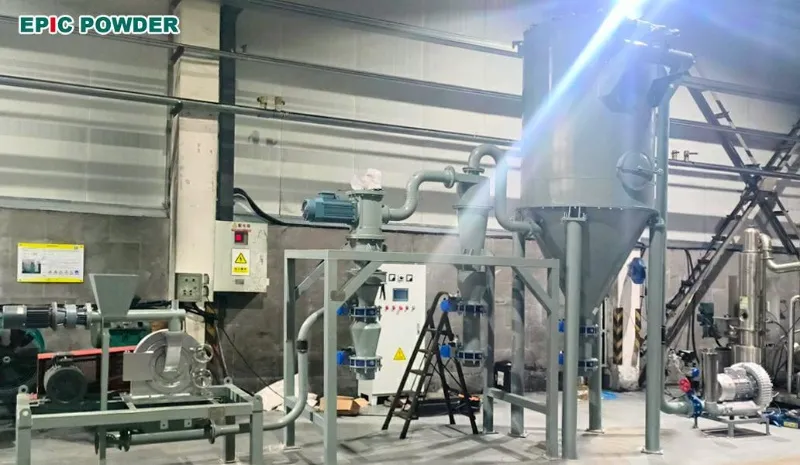
Why Choose Biomass as a Precursor? The shift toward Biomass-Derived Porous Carbon represents a critical evolution in materials science, moving away from non-renewable fossil sources like coal and pitch. By leveraging renewable organic matter, manufacturers achieve a dual advantage: superior electrochemical performance and a significantly reduced carbon footprint. At EPIC Powder Machinery, we provide the […]
How Does an Air Jet Mill Perform in the Ultrafine Grinding of Petroleum Coke for a Precise D97 of 28 Microns?
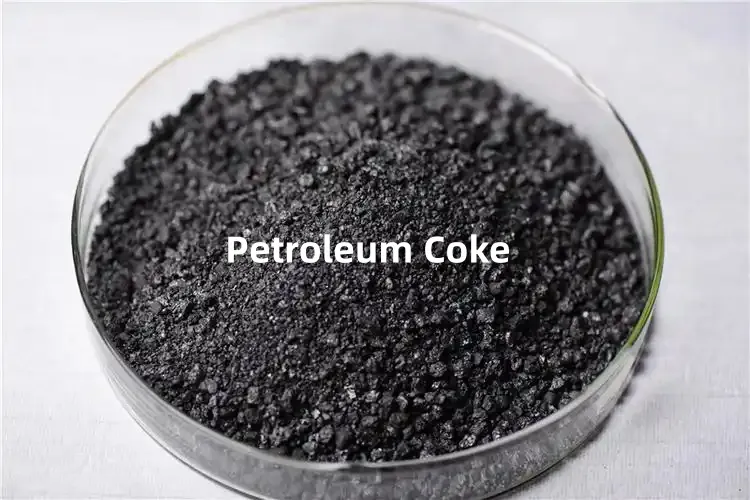
Understanding Petroleum Coke Characteristics Petroleum coke (petcoke) is a carbon-rich solid derived from the oil refining process. It features a high carbon content, low ash, and variable sulfur levels depending on the source crude. These characteristics make it valuable across industries, especially when processed into fine powders through petroleum coke ultrafine grinding, which enables precise […]
¿Cómo mejorar la capacidad del ánodo mediante tecnología avanzada de molienda ultrafina?
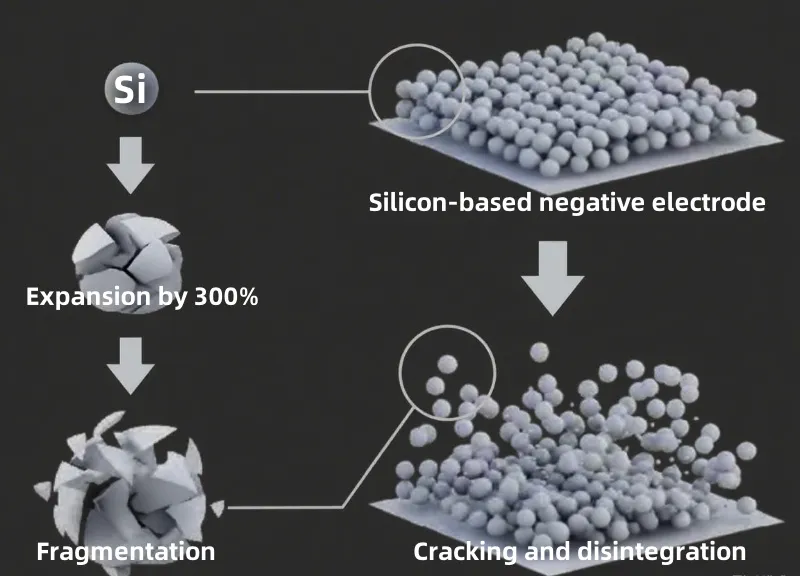
The Science Behind Particle Size and Morphology In my 20+ years of experience with powder processing, I’ve seen firsthand that raw chemical composition is only half the battle in battery performance. The physical structure of the material—specifically particle size and shape—dictates the final energy density. We don’t just grind material; we engineer the microstructure to […]
¿Aglomerados difíciles de dispersar? ¿Cómo optimizar la distribución del tamaño de partícula de los materiales del cátodo con un molino de pines?
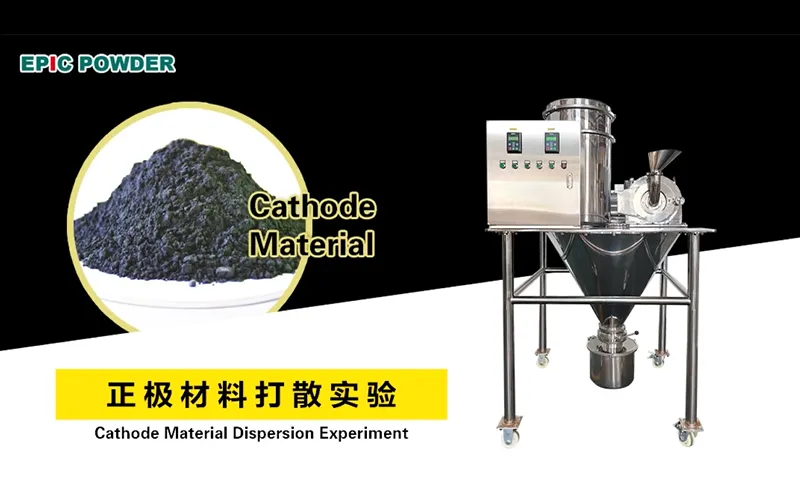
In the production of lithium-ion batteries, the performance of cathode materials—such as lithium cobalt oxide (LCO), nickel–cobalt–manganese oxides (NCM), and lithium iron phosphate (LFP)—directly affects energy density, cycle life, and safety. Among the common challenges in cathode material processing, agglomeration is one of the most critical. These agglomerates are often formed due to van der […]
¿Cómo se puede lograr una alta pureza y finura con soluciones de molienda de talco ultrafino?
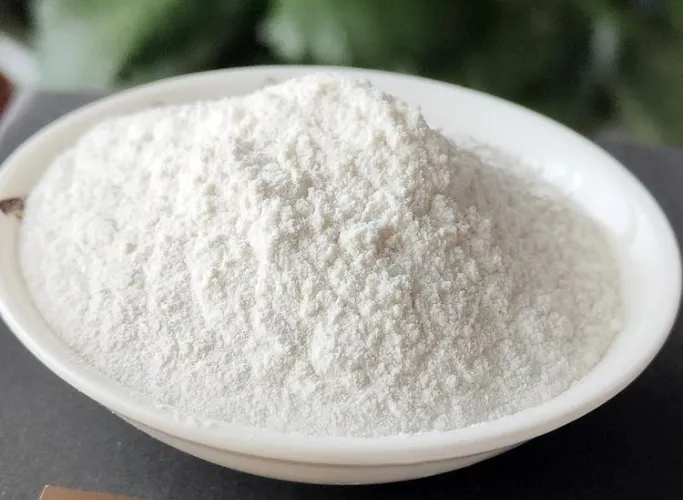
Talc is unique among non-metallic minerals. It is the softest mineral on earth with a Mohs hardness of 1, but its true industrial value lies in its platy (lamellar) structure and natural hydrophobicity. When we approach talcum powder ultrafine grinding, we aren’t just crushing rock; we are carefully engineering a functional additive that needs to […]