
Come ottenere il controllo morfologico delle particelle di polvere?
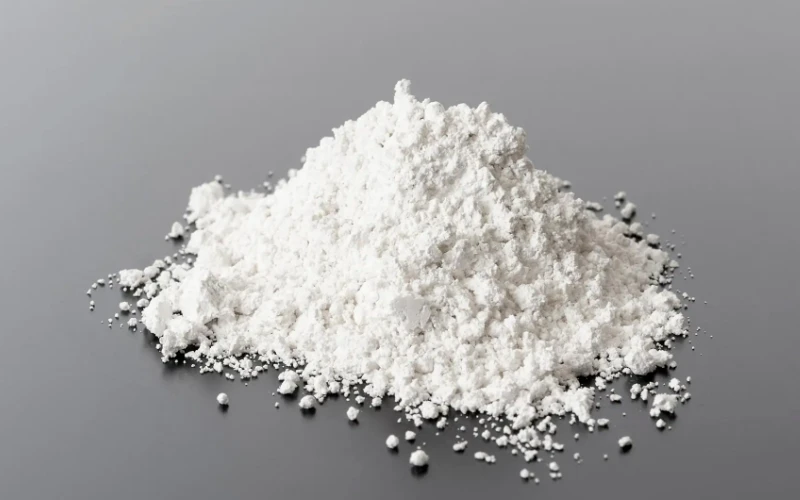
Il controllo morfologico delle particelle di polvere è una delle tecnologie fondamentali nella preparazione avanzata dei materiali. Determina direttamente la densità di compattazione, la fluidità, l'attività di sinterizzazione, nonché la microstruttura e le prestazioni finali dei prodotti ceramici. L'obiettivo del controllo morfologico è ottenere forme delle particelle specifiche, uniformi e riproducibili. Le sezioni seguenti descrivono in dettaglio le principali […]
Perché utilizzare il mulino a getto d'aria per la Centella Asiatica? Vantaggi rispetto ai metodi di macinazione tradizionali
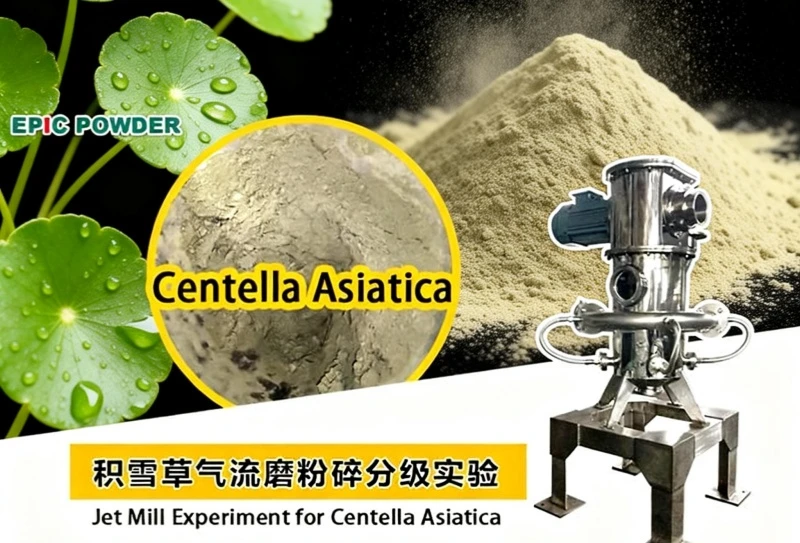
La Centella asiatica (nota anche come Gotu Kola) è un'importante pianta medicinale e commestibile. I suoi principali composti attivi, principalmente triterpenoidi (come asiaticoside, madecassoside, acido asiatico e acido madecassico), insieme a flavonoidi e polifenoli, sono molto richiesti nei moderni prodotti farmaceutici, nutraceutici e cosmetici. Queste applicazioni impongono requisiti rigorosi in termini di finezza, uniformità, […]
How PEEK Becomes the Strategic Material Foundation for Mass-Produced Humanoid Robots?

Macro Background: Humanoid Robots Enter the “Lightweight Era” As humanoid robots enter their first year of mass production, the industry is facing unprecedented technological challenges and opportunities. Among them, the most prominent issue is the contradiction between battery endurance and effective payload. Traditional humanoid robot designs rely heavily on metallic materials such as aluminum alloys […]
What Ceramic Materials are Needed to Produce a Lithium Battery?
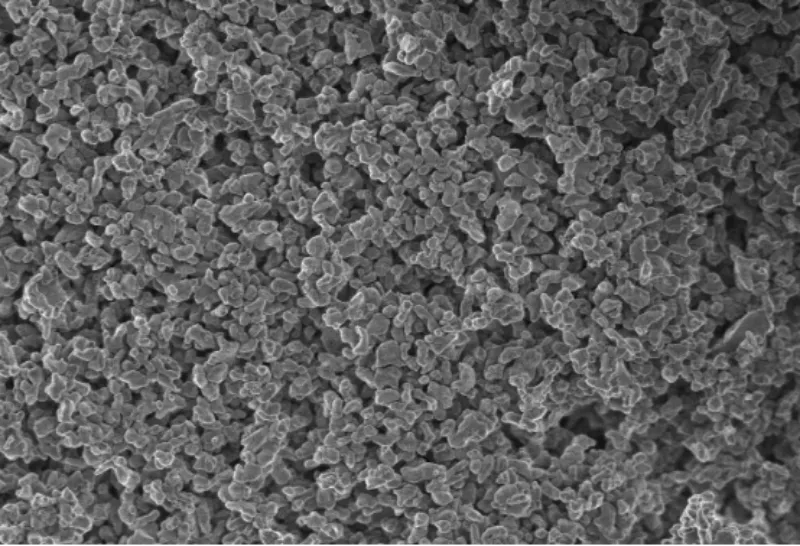
With the continuous development of advanced technology, advanced ceramic powders and products have become key and bottleneck materials in certain high-tech fields. In the lithium battery industry, some ceramic materials play crucial roles in its production chain. These materials may directly serve as electrodes or separator materials, be used as packaging materials, or act as […]
Perché considerare il carbonio poroso derivato da biomassa come un materiale alternativo economico ed ecologico?
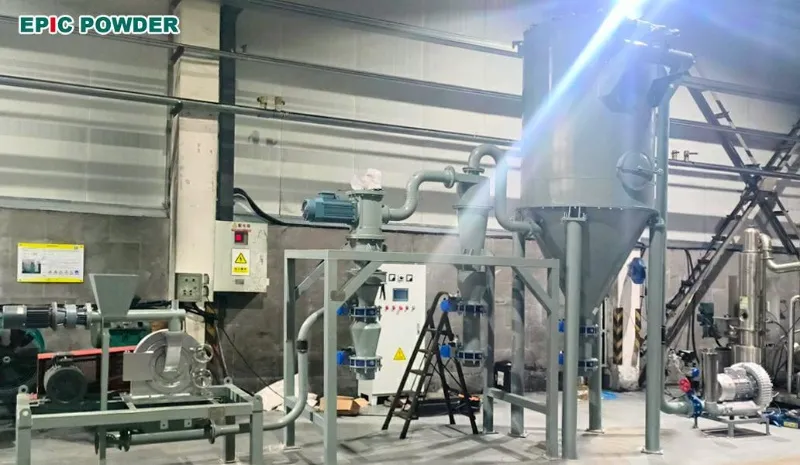
Why Choose Biomass as a Precursor? The shift toward Biomass-Derived Porous Carbon represents a critical evolution in materials science, moving away from non-renewable fossil sources like coal and pitch. By leveraging renewable organic matter, manufacturers achieve a dual advantage: superior electrochemical performance and a significantly reduced carbon footprint. At EPIC Powder Machinery, we provide the […]
Come si comporta un mulino a getto d'aria nella macinazione ultrafine del coke di petrolio per ottenere una granulometria D97 precisa di 28 micron?
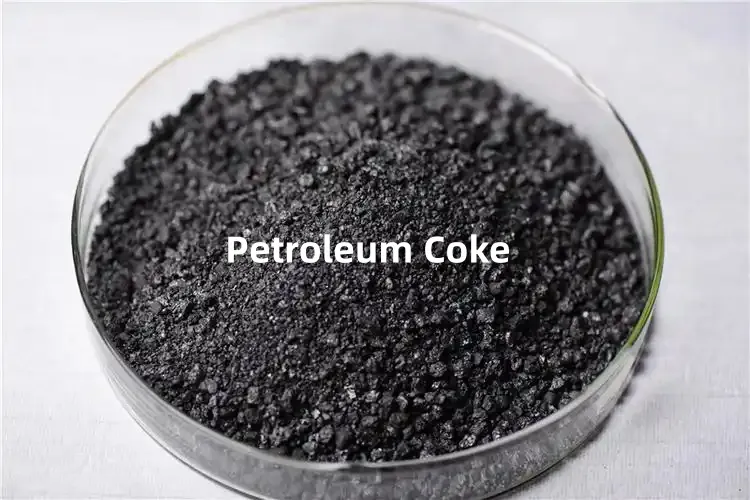
Understanding Petroleum Coke Characteristics Petroleum coke (petcoke) is a carbon-rich solid derived from the oil refining process. It features a high carbon content, low ash, and variable sulfur levels depending on the source crude. These characteristics make it valuable across industries, especially when processed into fine powders through petroleum coke ultrafine grinding, which enables precise […]
Come migliorare la capacità dell'anodo tramite una tecnologia di macinazione ultrafine avanzata?
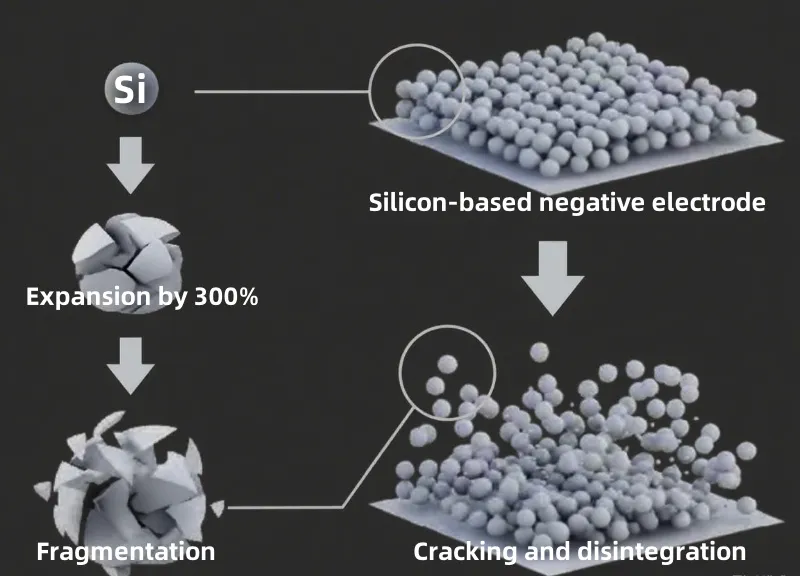
The Science Behind Particle Size and Morphology In my 20+ years of experience with powder processing, I’ve seen firsthand that raw chemical composition is only half the battle in battery performance. The physical structure of the material—specifically particle size and shape—dictates the final energy density. We don’t just grind material; we engineer the microstructure to […]
Agglomerati difficili da disperdere? Come ottimizzare la distribuzione granulometrica dei materiali catodici con un mulino a perni?
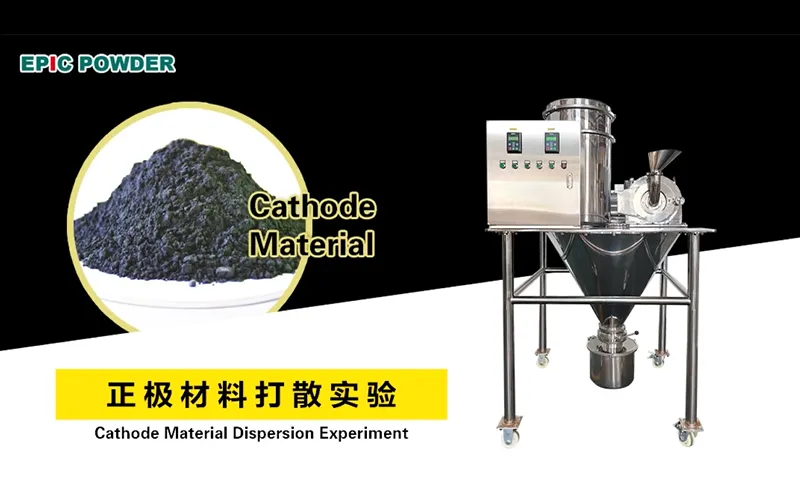
In the production of lithium-ion batteries, the performance of cathode materials—such as lithium cobalt oxide (LCO), nickel–cobalt–manganese oxides (NCM), and lithium iron phosphate (LFP)—directly affects energy density, cycle life, and safety. Among the common challenges in cathode material processing, agglomeration is one of the most critical. These agglomerates are often formed due to van der […]
Come si possono ottenere elevati livelli di purezza e finezza con soluzioni di macinazione di talco ultrafine?
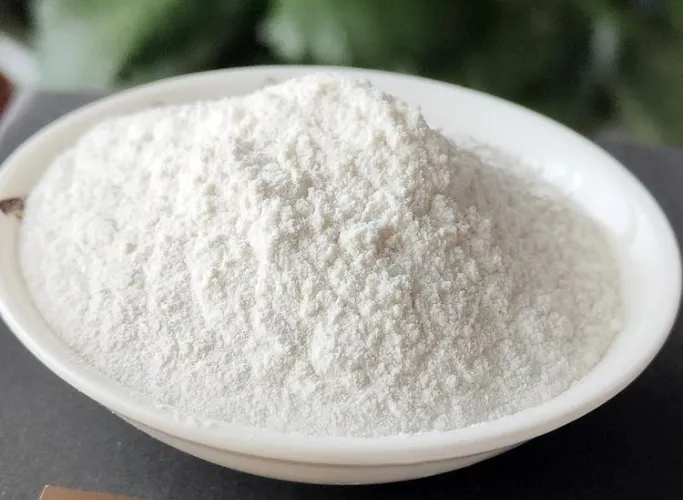
Talc is unique among non-metallic minerals. It is the softest mineral on earth with a Mohs hardness of 1, but its true industrial value lies in its platy (lamellar) structure and natural hydrophobicity. When we approach talcum powder ultrafine grinding, we aren’t just crushing rock; we are carefully engineering a functional additive that needs to […]