
次世代高エネルギー密度リチウムイオン電池の鍵となるのはなぜか?
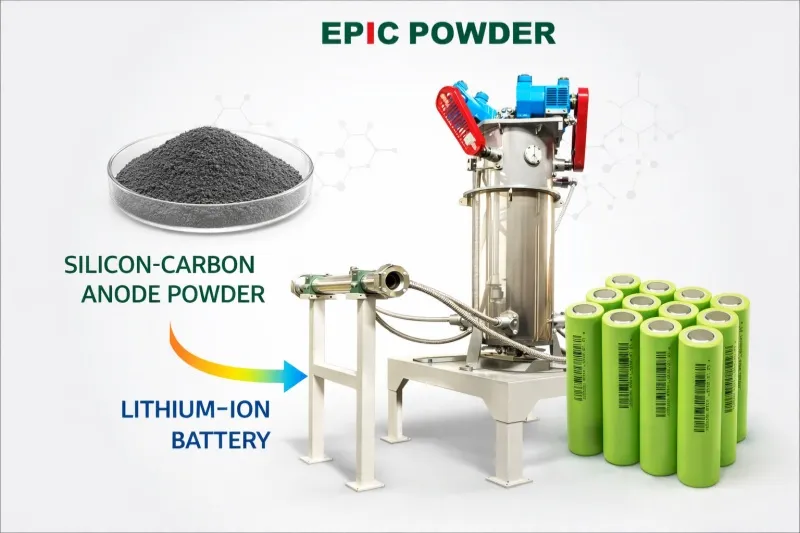
Silicon–carbon (Si–C) anodes materials are regarded as one of the core enabling technologies for next-generation high-energy-density lithium-ion batteries. They are designed to overcome the intrinsic limitation of conventional graphite anodes, whose theoretical specific capacity is only 372 mAh/g, and to enable a major leap in battery energy density. I. Why Choose Silicon? Why Must It Be Composite? The Outstanding Advantages of Silicon The Critical Drawbacks of Silicon (“Achilles’ Heel”) The Role of “Carbon” Therefore, silicon–carbon composite design is an inevitable technological pathway to balance ultra-high capacity with long cycle life. Mainstream Silicon–Carbon Composite Process Routes The core concept is to engineer silicon–carbon architectures at the nanoscale to mitigate mechanical stress […]
超微細非金属鉱物粉末の開発状況はどうなっていますか?
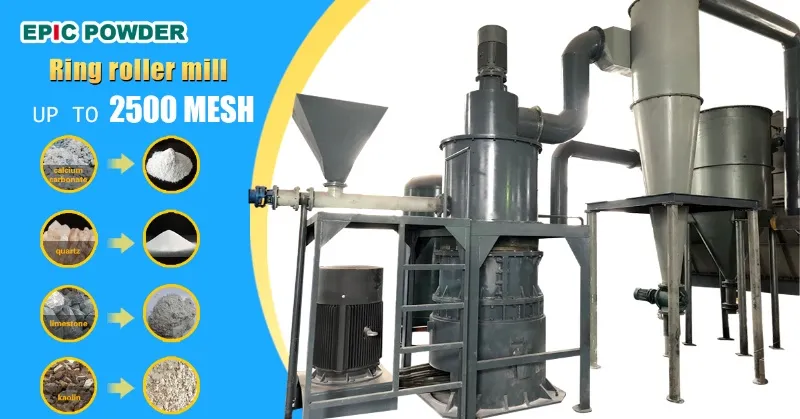
Ultrafine powders refer to a class of materials with particle sizes ranging from the micrometer to the nanometer scale. At present, the extensive application of non-metallic mineral powders in modern high-tech new materials is based on their unique functional properties. The functional performance of most non-metallic minerals is highly dependent on particle size, particle size distribution, and particle morphology. For example, reinforcement and strengthening effects in polymer-based composites, as well as the strength and toughness of ceramic materials, are strongly influenced by particle characteristics.Similarly, hiding power and tinting strength in papermaking and coating pigments depend on particle size and morphology. In addition, the electrical, magnetic, and optical properties of powders, […]
ジェットミルかエアークラシファイアミルか?超微細PEEK粉砕に最適なプロセスはどちらでしょうか?
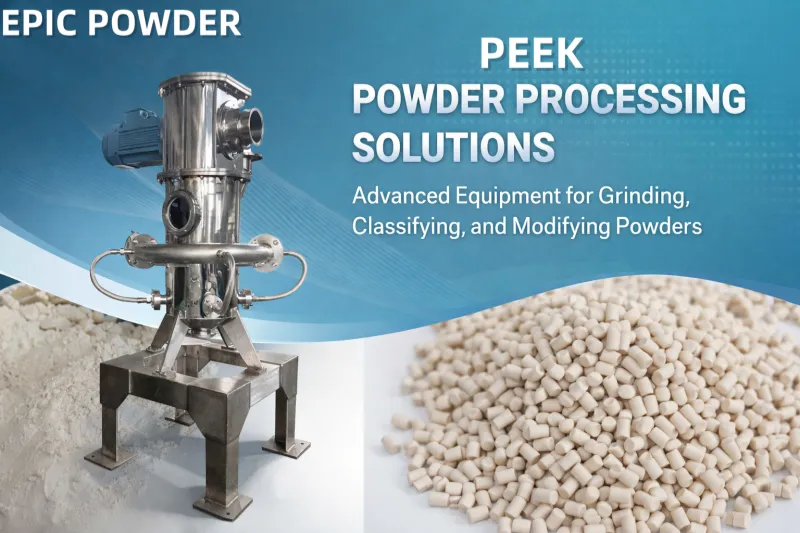
Polyetheretherketone (PEEK) is a high-performance specialty engineering plastic. It is renowned for its excellent heat resistance, chemical resistance, wear resistance, and mechanical strength. As a result, PEEK is widely used in aerospace, medical devices, automotive, and electronics industries. With the continuous upgrading of application demands, the need for ultrafine PEEK powders is steadily increasing. This trend is especially evident in 3D printing, composite prepregs, coatings, and injection molding. Ultrafine powders generally refer to particle sizes below 10 μm. In some advanced applications, particle sizes are even required to reach the submicron range of 1–5 μm. These requirements place strict demands on grinding processes. The process must achieve precise particle size […]
球状黒鉛と球状アルミナ:なぜ小さな粉末は球状粉末になると価値が何倍にも高まるのか?
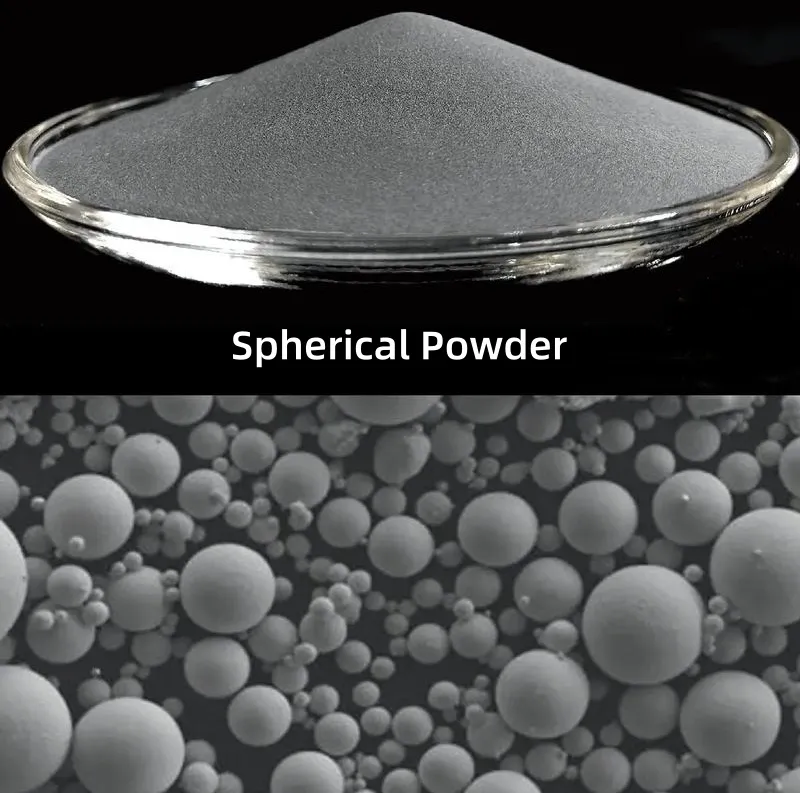
With the rapid development of modern industry and advanced technologies, performance requirements for powder materials are becoming increasingly stringent. Materials must exhibit ultra-low impurity levels, fine particle size, and a narrow particle size distribution. Particle morphology has also become a critical quality indicator. Spherical powder stands out for its uniform particle size, smooth surface characteristics, and excellent flowability. Because of these advantages, spherical powder is now widely used in high-end industrial applications. Compared with irregular powders, spherical powders exhibit clear advantages. Their regular morphology and fewer surface defects significantly reduce mold wear during processing. Spherical powders typically show a narrower and more uniform particle size distribution. Their excellent flowability improves […]
超微粉末の製造工程とは?
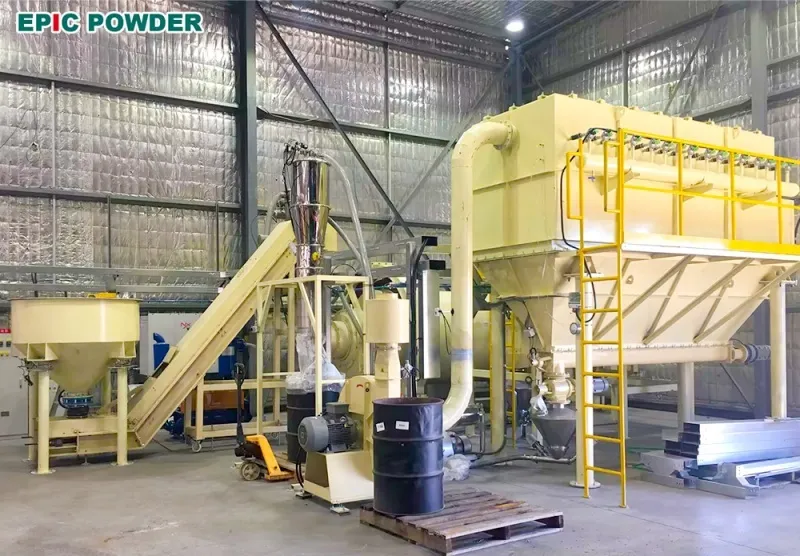
In recent years, new material development has accelerated worldwide. Materials research is moving toward extreme states and higher performance. Among emerging materials, ultrafine powders have attracted significant attention. Current research on ultrafine powders mainly focuses on four aspects: preparation methods, microstructure, macroscopic properties, and applications. Among these, preparation technology is the most critical factor. There are many methods for producing ultrafine powders. Based on the state of matter involved, they can be classified into solid-phase methods, liquid-phase methods, and gas-phase methods. This article introduces the main ultrafine powder preparation techniques and recent progress. Solid-Phase Methods Solid-phase processing is a traditional powder production method. It features low cost, large output, and […]
超微粉砕はどのようにして重晶石の工業的付加価値を高めるのか?
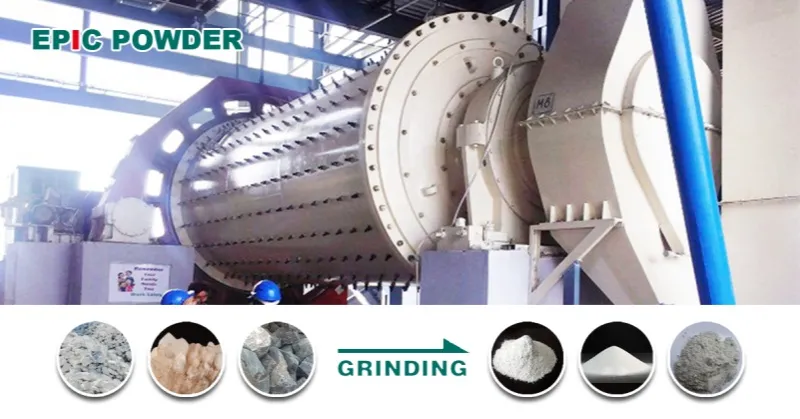
Barite (mainly composed of BaSO₄) is an important non-metallic mineral resource. Barite is characterized by its high specific gravity (4.2–4.6), strong chemical inertness, acid and alkali resistance, and non-toxicity. Traditionally, about 80–90% of barite is used as a weighting agent in oil and gas drilling fluids. The remaining portion is applied as a chemical raw material or industrial filler. However, conventional processing is dominated by coarse grinding (200–325 mesh), resulting in low added value. Products are mainly exported as raw ore or primary-grade powder, leading to low resource utilization efficiency and limited economic benefits. With rising performance requirements in modern industries, fine grinding—especially ultrafine grinding to 1250 mesh and above, […]
空気分級機を用いた粉体製造における「過粉砕」と「凝集」の問題を解決するには?
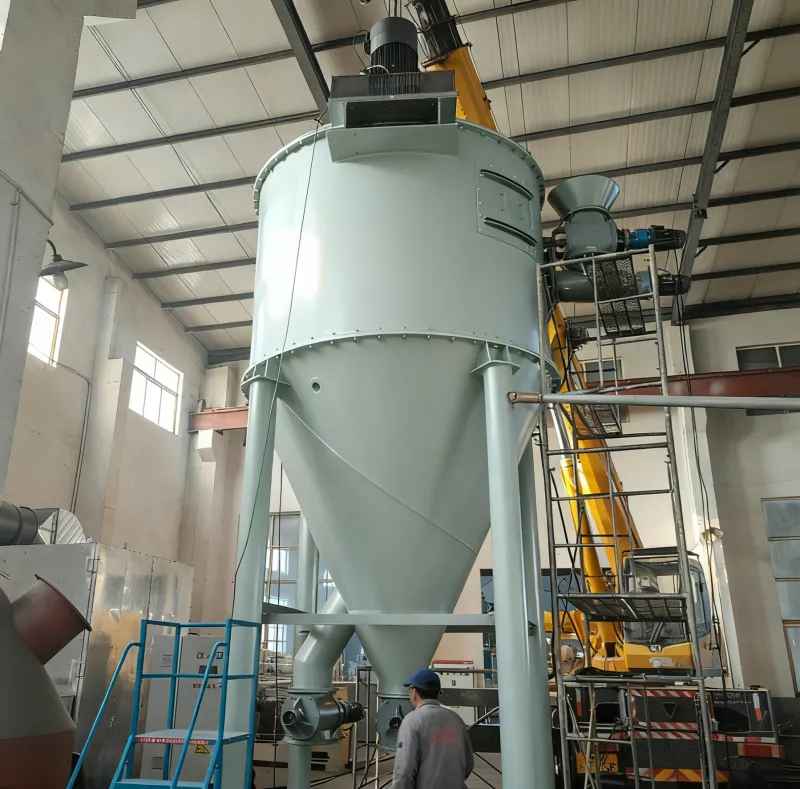
In powder production—especially in the preparation of ultrafine powders—overgrinding and agglomeration are two common challenges. Overgrinding refers to a situation in which qualified fine particles continue to be ground. This leads to energy waste, a broader particle size distribution, and, in some cases, degraded product performance. Agglomeration occurs when ultrafine particles attract each other through van der Waals forces, electrostatic forces, or liquid bridge forces. As a result, secondary particles are formed, which negatively affect powder dispersion, flowability, and end-use performance. These issues not only reduce production efficiency but also increase energy consumption and operating costs. As a highly efficient dry classification device, the air classifier can effectively address these […]
グラファイトの超微粉砕:次世代の高エネルギー密度バッテリーを実現する上で、それはどのように役立つのか?
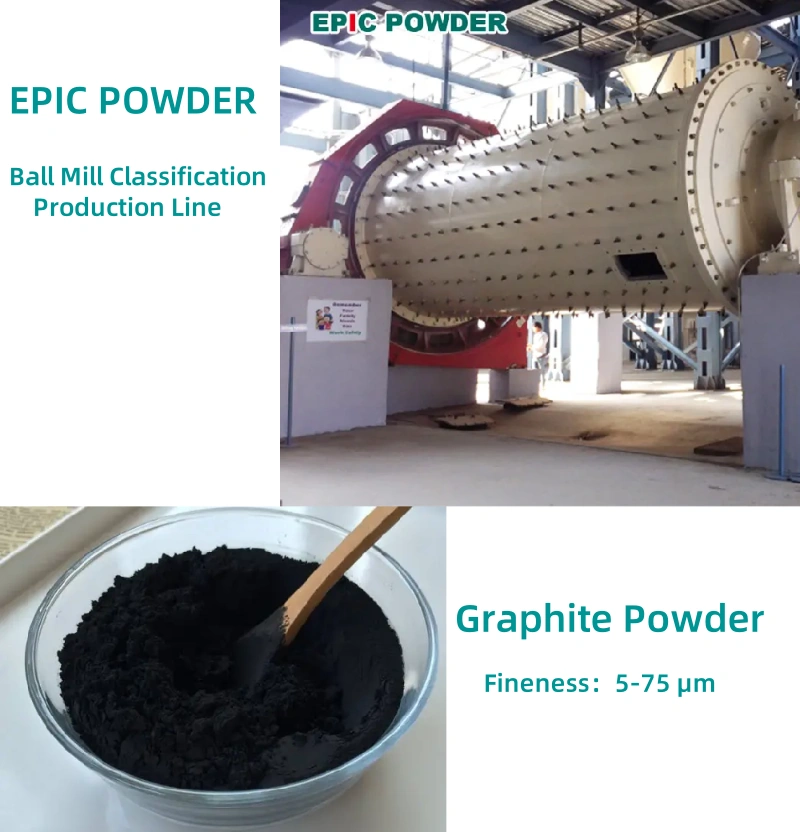
Graphite is one of the most classical members of the carbon family. It has long dominated lithium-ion battery anode materials. This is due to its excellent thermal conductivity and electrical conductivity. Graphite also offers high-temperature resistance and lubricating properties. It has been listed as a critical raw material by the EU and the United States. Australia and other regions have made similar strategic classifications. From natural flake graphite to high-purity graphite, applications continue to expand. Spherical graphite and specialty graphite further broaden its industrial value. The graphite family shows strong versatility across many industries. Typical fields include metallurgy, electronics, chemicals, and aerospace. Advanced processing, especially graphite ultrafine grinding, enables these […]
リン酸鉄リチウム正極材料はどのように製造されるのですか?
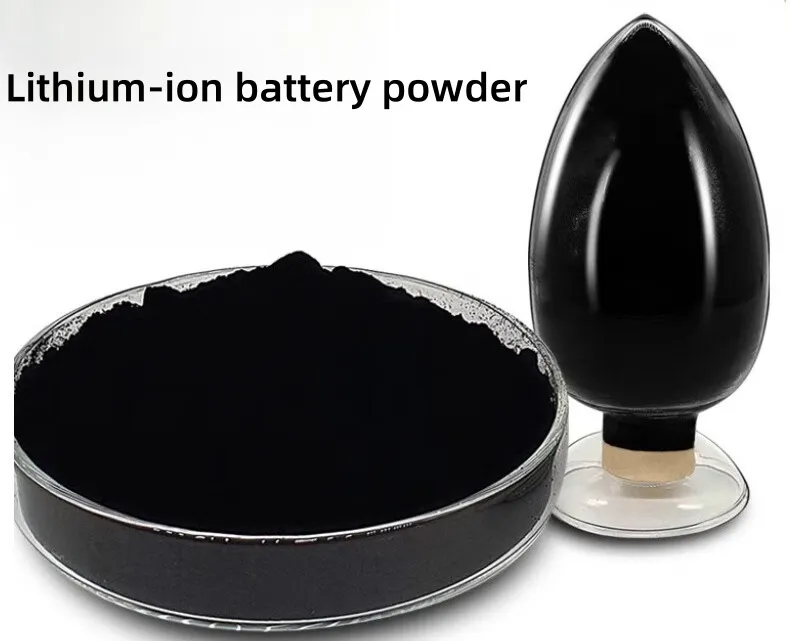
Cathode materials, one of the four main materials in lithium batteries (cathode, anode, separator, and electrolyte), are crucial components of lithium batteries. They also account for a large portion of the battery’s cost. The cost of cathode materials largely determines the price of the battery. Among lithium battery cathode materials, mainstream materials include lithium cobalt oxide (LCO), lithium iron phosphate (LFP), lithium manganese iron phosphate (LMFP), nickel cobalt manganese lithium oxide (NCM), and lithium manganese oxide (LMO), among others. Their production processes differ slightly, but the fundamental principles are similar. The precursor materials are mixed with lithium carbonate or lithium hydroxide and then heated at high temperatures to obtain the […]