
How Do Oil-Free Air Compressors Empower Jet Mills?
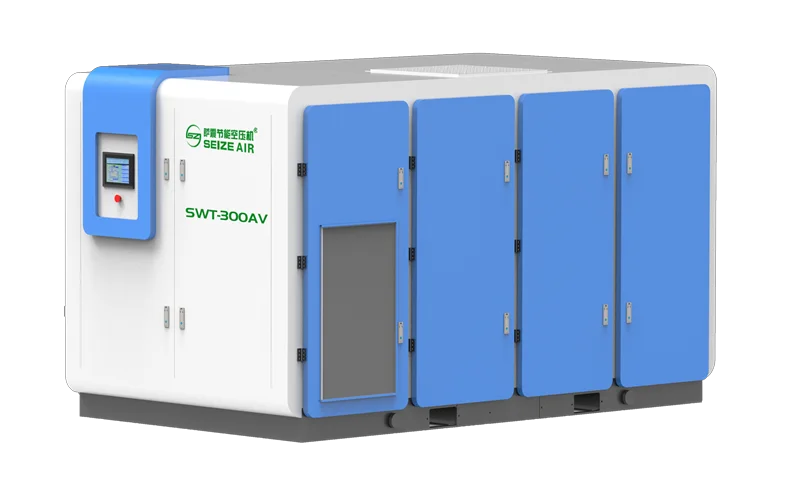
Oil-free air compressors revolutionize jet milling by addressing contamination, energy waste, and instability in critical industries. Oil-free compressors achieve zero pollution (<0.001ppm oil) and -70°C dew point drying. These advancements enable safer lithium battery material processing. For example, energy density increases by 15% in such applications. They also improve pharmaceutical processing efficiency. Drug dissolution rates […]
Zusammenfassung von 20 Formeln zur Oberflächenmodifizierung mit schwerem Calciumcarbonat
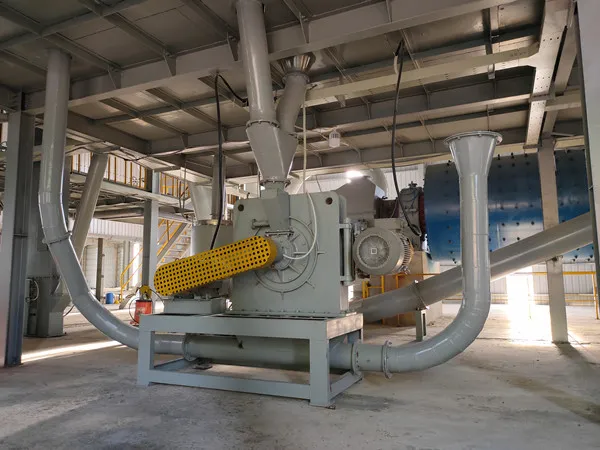
Calcium carbonate modified formula has gained significant attention in various industries due to its enhanced properties. This modification process changes the surface traits of calcium carbonate. It helps calcium carbonate work better with various materials. The modified calcium carbonate shows better dispersion, more stability, and improved performance. This is useful in plastics, paints, and coatings. […]
Anwendung von Hohlglasmikrokügelchen in Beschichtungen
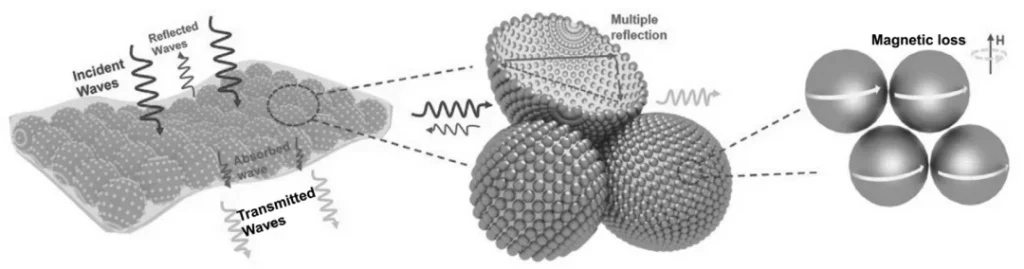
Hollow glass microspheres (HGM), as a filler in composite materials, have been widely applied in fields such as coating and painting, specialty materials, and resource exploration due to their lightweight, hollow structure, thermal insulation, and chemically stable properties. In recent years, within the coatings industry, researchers have significantly addressed challenges such as poor interfacial compatibility […]
Wie Strahlmühlen eine niedrige Mahltemperatur aufrechterhalten: Eine umfassende technische Analyse
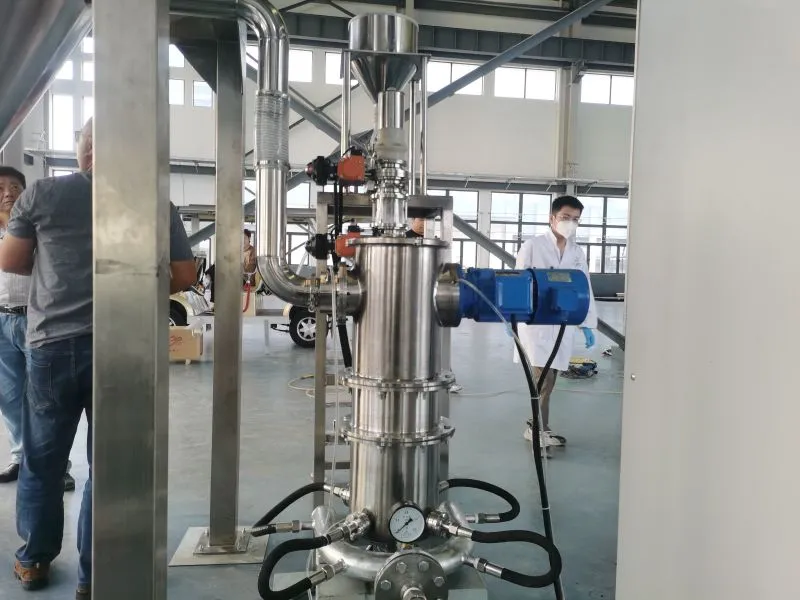
Jet mills achieve precise temperature control through adiabatic expansion cooling, a thermodynamic process where compressed gas (air/N₂/CO₂) rapidly expands through nozzles, absorbing heat from the grinding chamber. As high-pressure gas accelerates to supersonic speeds and expands into the low-pressure chamber, its temperature plummets (e.g., from 25°C to -45°C at 6 bar), creating an in-situ cooling […]
Welche Materialien eignen sich am besten zum Mahlen mit einer Strahlmühle?
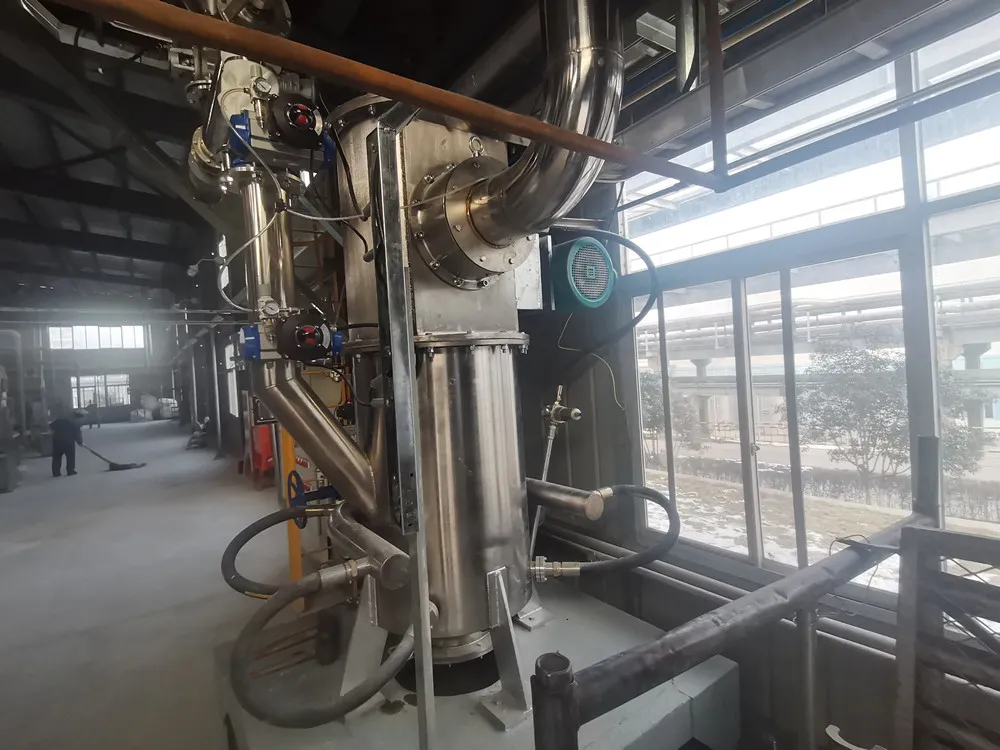
Jet mills work best on materials with certain physical properties. They help to mill the materials effectively. Here are the key factors and examples of suitable materials: Key Characteristics for Jet Milling Brittleness and Hardness Brittle Materials: They are ideal for jet milling. They fracture easily under high-speed impacts. This property enables the production of […]
Modifizierung der Polypropylenfüllung: Diese 7 Arten von Mineralpulvern haben jeweils ihre eigenen Stärken.
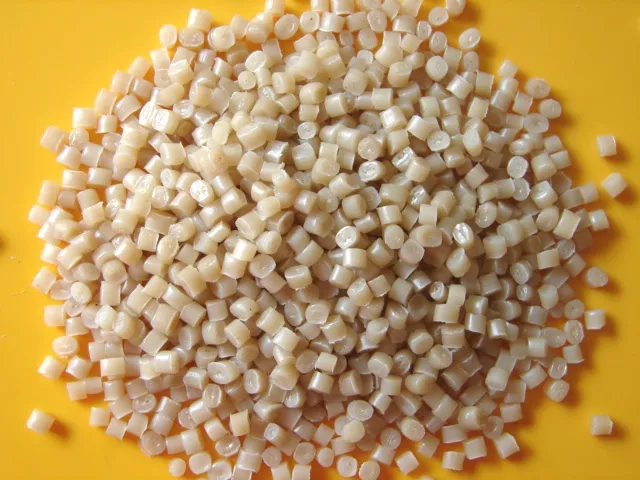
Polypropylene (PP) is a popular thermoplastic polymer. It is vital in packaging, appliances, and auto parts. Its easy processing and great properties make it useful. PP still has some limits. It has high heat shrinkage, low performance in cold, and poor impact resistance. These problems have led people to add inorganic mineral powders to it. […]
Wie beeinflusst die Partikelgröße von pharmazeutischen Pulvern die Bioverfügbarkeit von Arzneimitteln?

The particle size of pharmaceutical powders greatly affects drug bioavailability. This is mainly reflected in these aspects: Dissolution rate Smaller drug particles have a larger surface area. This speeds up their dissolution in body fluids. For low-solubility drugs (BCS Ⅱ/Ⅳ class), reducing the particle size can greatly increase their solubility. This speeds up the drug’s […]
wie man die Materialeignung für das Strahlfräsen bestimmt
Jet milling relies heavily on the physical properties of the material you process. Characteristics like brittleness and hardness directly influence the ability to achieve fine particle sizes. Moisture content also plays a critical role, as excessive moisture can hinder performance and lead to clumping. Selecting the right material ensures efficient milling and consistent product quality. […]
Was kann die Luftstrahlmühle den Anwendern sonst noch bieten, indem sie ihren nach oben gerichteten Raum ständig erkundet?
The working principle of the air jet grinder is like an “air storm” in the microscopic world. Air jet mill cleverly uses high-pressure air as a power source. It drives tiny, hard abrasive particles at high speed, like bullets, at the material to be processed. A huge impact force hits the surface when these abrasive […]