
オイルフリー空気圧縮機はジェットミルにどのようなメリットをもたらすのか?
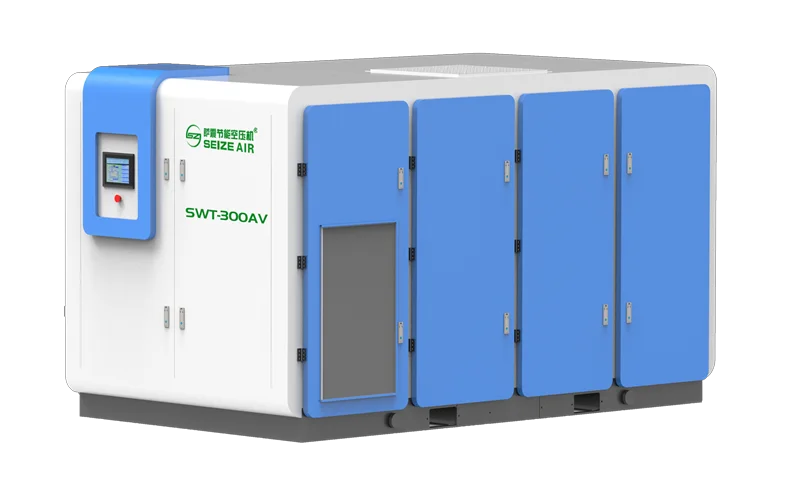
Oil-free air compressors revolutionize jet milling by addressing contamination, energy waste, and instability in critical industries. Oil-free compressors achieve zero pollution (<0.001ppm oil) and -70°C dew point drying. These advancements enable safer lithium battery material processing. For example, energy density increases by 15% in such applications. They also improve pharmaceutical processing efficiency. Drug dissolution rates reach 92% in optimized systems. Case studies highlight 32% energy savings in titanium dioxide milling and nitrogen recycling system cutting annual costs. Future trends include hydrogen-compatible compressors and digital twin models for submicron particle control. By heat recovery, oil-free compressors reduce carbon emissions (1,200 tons/year) while boosting productivity across battery, magnet, and pharma sectors. Pain […]
炭酸カルシウム表面改質剤20種類の概要
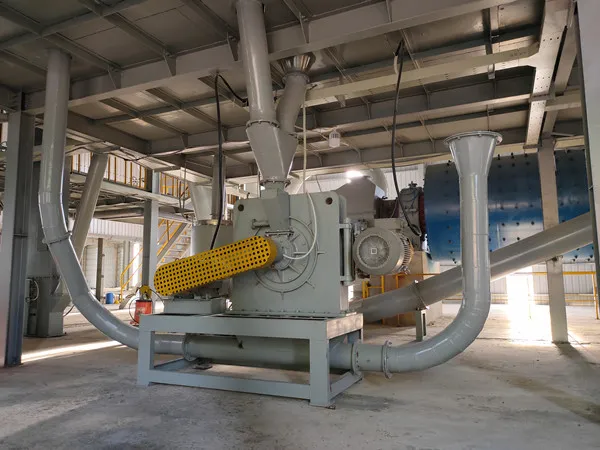
Calcium carbonate modified formula has gained significant attention in various industries due to its enhanced properties. This modification process changes the surface traits of calcium carbonate. It helps calcium carbonate work better with various materials. The modified calcium carbonate shows better dispersion, more stability, and improved performance. This is useful in plastics, paints, and coatings. Researchers are always looking for new ways to improve the formula. They want to keep up with the changing needs of the market. Overall, the calcium carbonate modified formula represents a promising advancement in material science. Ca2+ and CO32- particles from crushing heavy calcium carbonate react with water. This creates hydroxyl groups. As a result, […]
コーティングにおける中空ガラス微粒子の応用
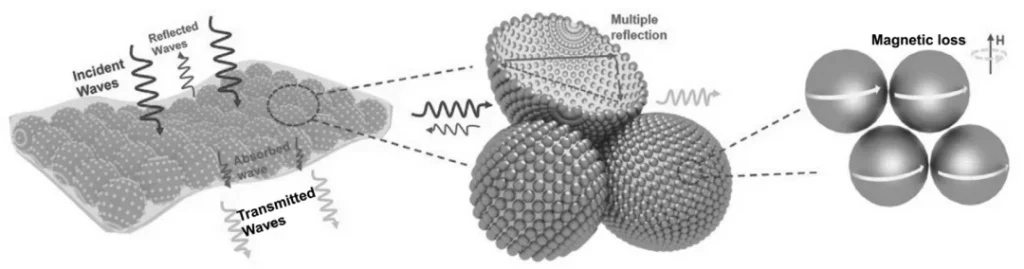
Hollow glass microspheres (HGM), as a filler in composite materials, have been widely applied in fields such as coating and painting, specialty materials, and resource exploration due to their lightweight, hollow structure, thermal insulation, and chemically stable properties. In recent years, within the coatings industry, researchers have significantly addressed challenges such as poor interfacial compatibility and weak interfacial bonding strength between HGM and resin matrices through modification technologies. These advancements have gradually mitigated various defects in HGM-enhanced coatings, leading to increasingly broader application scopes and more outstanding performance characteristics. This article will briefly analyze the diverse applications of hollow glass microspheres in the coatings field and explore their future prospects. […]
ジェットミルが低粉砕温度を維持する仕組み:包括的な技術分析
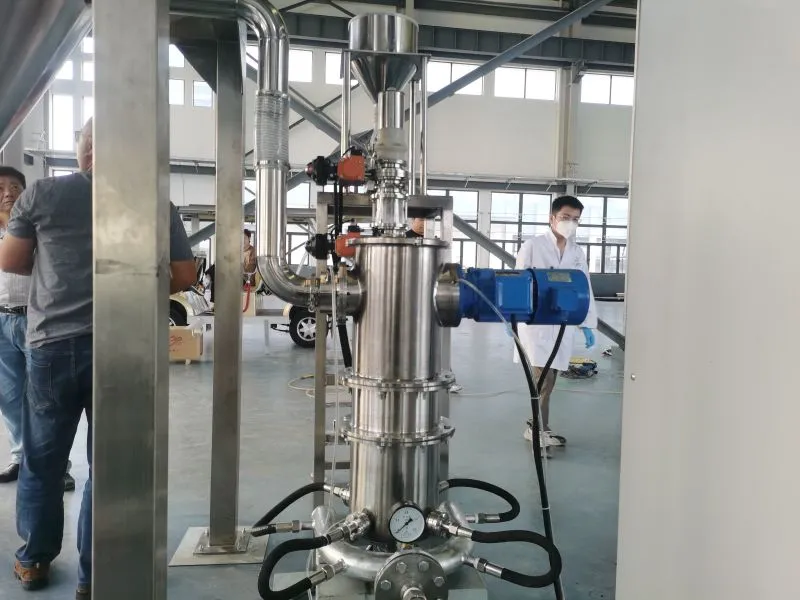
Jet mills achieve precise temperature control through adiabatic expansion cooling, a thermodynamic process where compressed gas (air/N₂/CO₂) rapidly expands through nozzles, absorbing heat from the grinding chamber. As high-pressure gas accelerates to supersonic speeds and expands into the low-pressure chamber, its temperature plummets (e.g., from 25°C to -45°C at 6 bar), creating an in-situ cooling environment. This mechanism allows jet mills to limit temperature rise to ≤15°C during ultrafine grinding of heat-sensitive materials like pharmaceuticals and battery components, outperforming mechanical mills by 60-80% in thermal management. For industries processing heat-sensitive materials like pharmaceuticals, explosives, or advanced polymers, temperature control during grinding isn’t just a preference – it’s a non-negotiable requirement. […]
ジェットミルでの粉砕に最適な材料は何ですか?
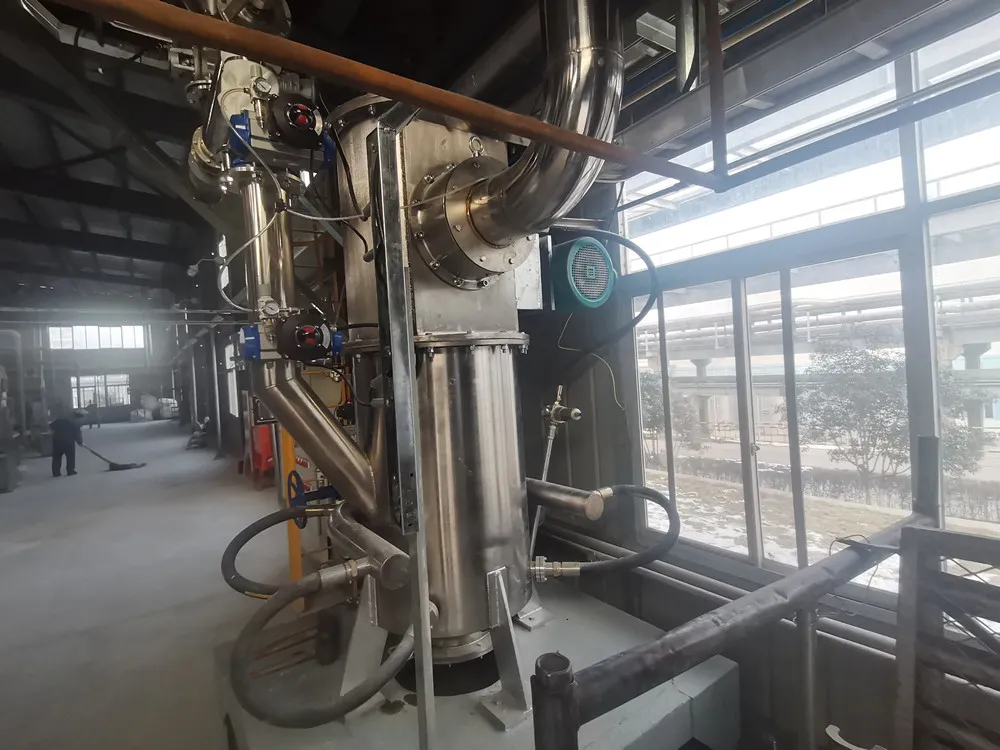
Jet mills work best on materials with certain physical properties. They help to mill the materials effectively. Here are the key factors and examples of suitable materials: Key Characteristics for Jet Milling Brittleness and Hardness Brittle Materials: They are ideal for jet milling. They fracture easily under high-speed impacts. This property enables the production of fine particles with low energy use. Common brittle materials include: Moderate Hardness: Brittle materials are best. But, those with moderate hardness are also suitable. Overly hard substances can lead to excessive wear on the milling equipment. To optimize milling, we must balance brittleness and hardness. It is key to achieving the desired particle size distribution. […]
Polypropylene filling modification, these 7 kinds of mineral powders have their own strengths
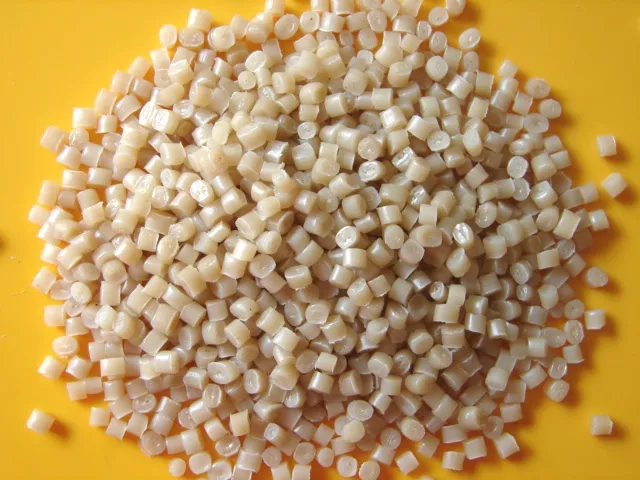
Polypropylene (PP) is a popular thermoplastic polymer. It is vital in packaging, appliances, and auto parts. Its easy processing and great properties make it useful. PP still has some limits. It has high heat shrinkage, low performance in cold, and poor impact resistance. These problems have led people to add inorganic mineral powders to it. They hope to improve its performance and broaden its uses. Calcium carbonate Calcium carbonate is a common filler for synthetic resins, especially polypropylene (PP). Its abundant, non-toxic, and easy-to-handle varieties make it ideal for this use. Calcium carbonate has three main types: nano, heavy, and light. The different calcium carbonate powders have unique effects in […]
How does the particle size of pharmaceutical powders affect the bioavailability of drugs?

The particle size of pharmaceutical powders greatly affects drug bioavailability. This is mainly reflected in these aspects: Dissolution rate Smaller drug particles have a larger surface area. This speeds up their dissolution in body fluids. For low-solubility drugs (BCS Ⅱ/Ⅳ class), reducing the particle size can greatly increase their solubility. This speeds up the drug’s entry into the bloodstream and improves bioavailability. Absorption rate and amount Finer drug particles have more chances to contact the absorption surface. This makes the intestine absorb the drug molecules more easily. Rapid dissolution and a larger surface area promote quick drug absorption. They also increase the total amount absorbed. Mixing uniformity During formulation, small […]
ジェットミリングに適した材料を判断する方法
Jet milling relies heavily on the physical properties of the material you process. Characteristics like brittleness and hardness directly influence the ability to achieve fine particle sizes. Moisture content also plays a critical role, as excessive moisture can hinder performance and lead to clumping. Selecting the right material ensures efficient milling and consistent product quality. To determine material suitability, you must evaluate these factors carefully. Ignoring them can result in inefficiencies, equipment wear, or subpar results, making material selection a crucial step in the process. Key Takeaways Key Characteristics to Determine Material Suitability for Jet Milling Brittleness and Hardness Why brittle materials are ideal for jet milling Brittle materials excel […]
エアジェットミルは、その上方への空間を絶えず探求することで、ユーザーに他にどのようなメリットをもたらすことができるでしょうか?
The working principle of the air jet grinder is like an “air storm” in the microscopic world. Air jet mill cleverly uses high-pressure air as a power source. It drives tiny, hard abrasive particles at high speed, like bullets, at the material to be processed. A huge impact force hits the surface when these abrasive particles collide violently with the material. This force then gradually crushes and refines the material. The main parts are: an air compressor, a nozzle, and a grinding chamber. The compressor generates high-pressure airflow. The nozzle controls the airflow’s direction and flow rate. The chamber carries the material and evenly receives the abrasive’s impact. All components […]