
超微粉末粉砕プロセスと装置の選び方
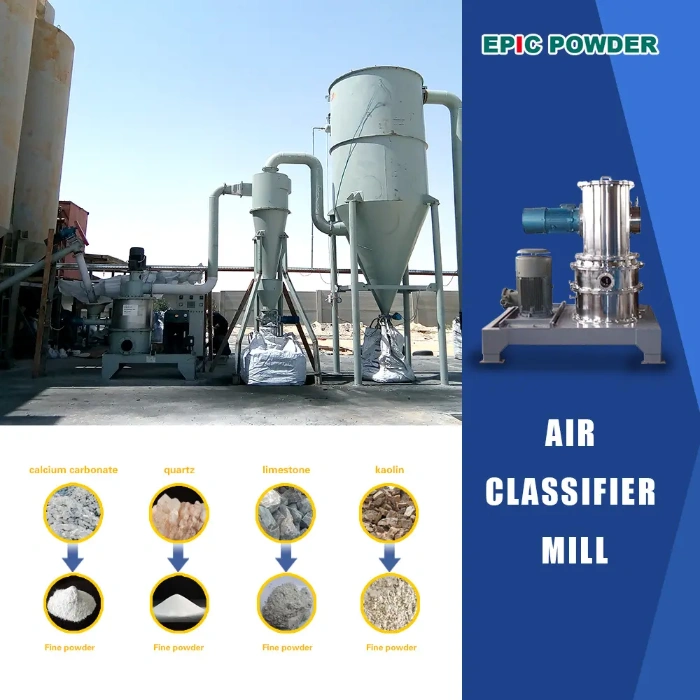
Ultrafine powder milling technology is called a cross-century high-tech by scientists worldwide. After refinement, material properties change significantly. Optical, electrical, magnetic, and mechanical properties are affected. Thermal, surface, and interface characteristics also change. Extraordinary effects are often achieved in use. Ultrafine powder milling is usually divided into micron-grade, submicron-grade and nano-grade powders. The international scientific community usually calls ultrafine powders with a particle size greater than 1μm micron-grade powders. Powders with a particle size of 0.1-1μm (i.e. 100nm-1000nm) are called submicron-grade powders. Powders with a particle size of 0.001-0.1μm (i.e. 1nm-100nm) are called nano-grade powders (also known as nanomaterials). In a broad sense, nanomaterials refer to materials with at least […]
ホワイトカーボンブラックとは?この記事では、ホワイトカーボンブラックについて詳しく解説します。
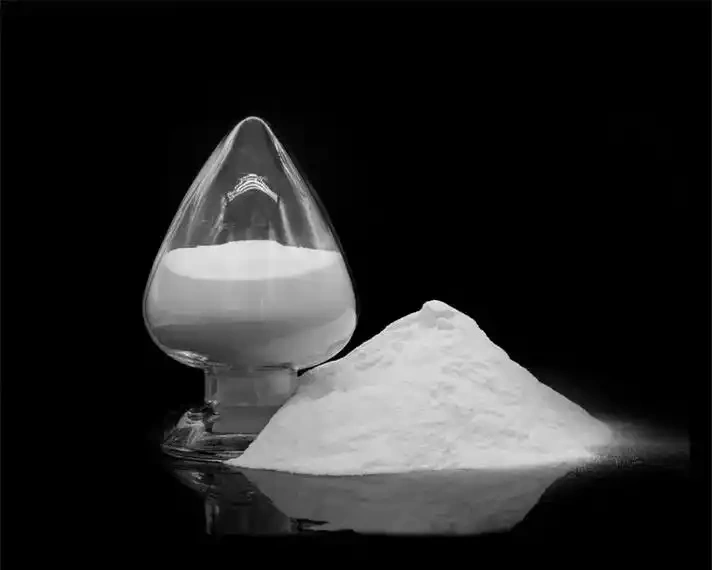
White carbon black is modified silicon dioxide, which is a general term for white powdered X-ray amorphous silicic acid and silicate products. It mainly refers to precipitated silica, fumed silica and ultrafine silica gel. It also includes powdered synthetic aluminum silicate and calcium silicate. White carbon black is a porous substance, composed of SiO2·nH2O. Here, nH2O exists in the form of surface hydroxyl groups. It dissolves in caustic alkali and hydrofluoric acid, but insoluble in water, solvents, or acids (except hydrofluoric acid). It is heat-resistant, non-combustible, odorless, and has excellent electrical insulation properties. Element White carbon black is mainly divided into precipitated and fumed silica based on production methods. Fumed […]
セラミック粉末原料の製造工程をご存知ですか?
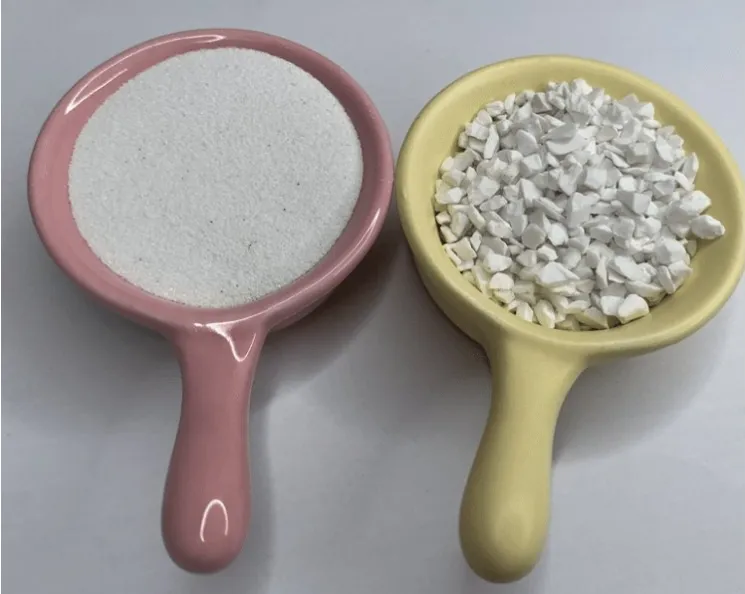
Ceramic powders are the fundamental “cells” in ceramic material R&D and production. Ceramic powder preparation process directly affects the performance and quality of final ceramic products. Advanced technologies enable the synthesis of nano-scale ceramic powders. Traditional raw materials are also being processed with greater precision. These innovations continue to evolve.They are pushing the ceramic industry to new heights. Traditional powder preparation process The method of mechanical size reduction is widely used in the ceramic industry. Crushing ceramic raw materials improves the quality of formed bodies. It increases density and aids physical and chemical reactions during sintering. It also helps lower the firing temperature. Jaw Crusher Jaw crushers are commonly used […]
リン酸鉄リチウムの製造におけるエアジェットミルの応用

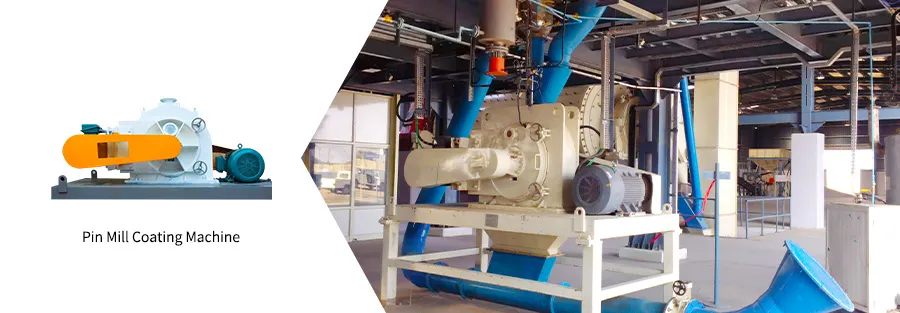
With the rapid growth of the new energy industry, lithium iron phosphate batteries have become the new favorite of the market with their advantages such as high safety and long life. In production, Jet mill for Lithium Iron Phosphate play a key role in lithium iron phosphate preparation. As efficient ultrafine grinding equipment, they crush materials to micron or nanometer levels. This increases surface area and electrochemical performance. Jet mills grind sintered materials for uniform particle size distribution. This optimizes energy density, cycle life, and charge-discharge performance. The process is crucial for improving lithium iron phosphate quality and consistency. Lithium Battery A lithium battery consists of cathode, anode, separator, electrolyte, […]
改質シリコン系アノード材料の研究と応用

With the evolution of EVs and electronics, lithium-ion batteries require higher energy density. Traditional graphite anodes have a low theoretical capacity of 372mAh/g, limiting energy density improvement. Silicon is abundant, eco-friendly, and has a high theoretical capacity of 4200mAh/g. It is considered a promising next-generation lithium-ion battery anode material. However, severe volume expansion and low initial Coulombic efficiency hinder its practical application. Modified Silicon-Based Anode Materials can effectively improve their electrochemical performance. Failure Analysis of Silicon-Based Anode Lithium-Ion Batteries Silicon is abundant in the Earth’s crust and has a high theoretical capacity of 4200mAh/g as a lithium-ion battery anode. Despite its advantages, issues arise during lithiation, such as volume expansion […]
シリコーン接着剤のコスト削減のため、ナノカルシウムの一部を改質重カルシウムで置き換える。
Silicone sealants contain various fillers. These include silicon dioxide, nano calcium carbonate, wollastonite powder, and heavy calcium carbonate. Nano calcium carbonate is the most common one used. In the domestic sealant market, over 60% of silicone sealants contain nano calcium carbonate. This usage is quite significant. Nano calcium carbonate is a key filler in silicone sealants. It boosts adhesion, weather resistance, and mechanical performance. This includes improvements in elastic modulus and elongation at break. Its small particle size, high surface area, and surface energy are the reasons for these benefits. Modified heavy calcium carbonate undergoes a special process. This improves the shape, dispersibility, and surface activity of the particles. It […]
Advantages of Jet Milling for Producing PE Wax Micropowder
Jet milling is the best way to micronize polyethylene (PE) wax into a fine powder. It offers unique technical advantages and process benefits. The technology is great at making uniform, fine particles that range from 2 to 10 microns. It also keeps the material’s thermal integrity intact. Research shows that jet milling offers great control over particle size. It generates little heat and lowers the risk of contamination. These factors are key when processing temperature-sensitive materials, such as PE wax. This report looks at how jet milling technology helps make PE wax micropowder. This method improves product quality and boosts performance in many industrial uses. Introduction to Jet Milling and […]
Six high temperature resistant engineering plastics
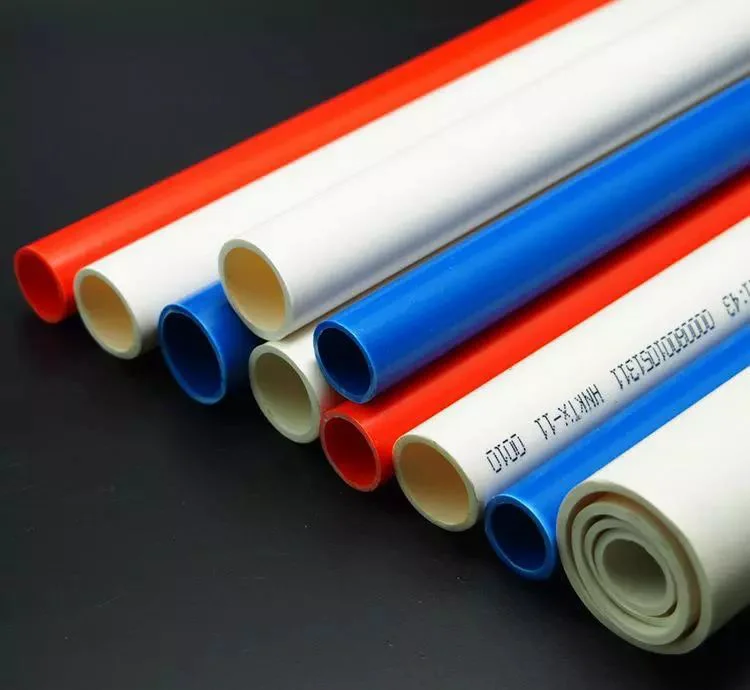
Engineering plastics are strong polymer materials. They perform well and are used in many areas. Ultra-high temperature resistant engineering plastics have gained attention for their great heat resistance. Do you know these six ultra-high temperature resistant engineering plastics? Polyphenylene sulfide (PPS) Polyphenylene sulfide (PPS) is a crystalline polymer with outstanding thermal and chemical stability. It maintains stable performance in high-temperature environments exceeding 200°C for extended periods and demonstrates excellent mechanical strength and electrical insulation properties. PPS is widely used in electronics, automotive, and aerospace industries. In electronics, it serves in connectors, switches, and relays, while automotive applications include engine peripherals and fuel system components. For aerospace, PPS is critical for […]
二酸化チタンの様々な産業分野への応用
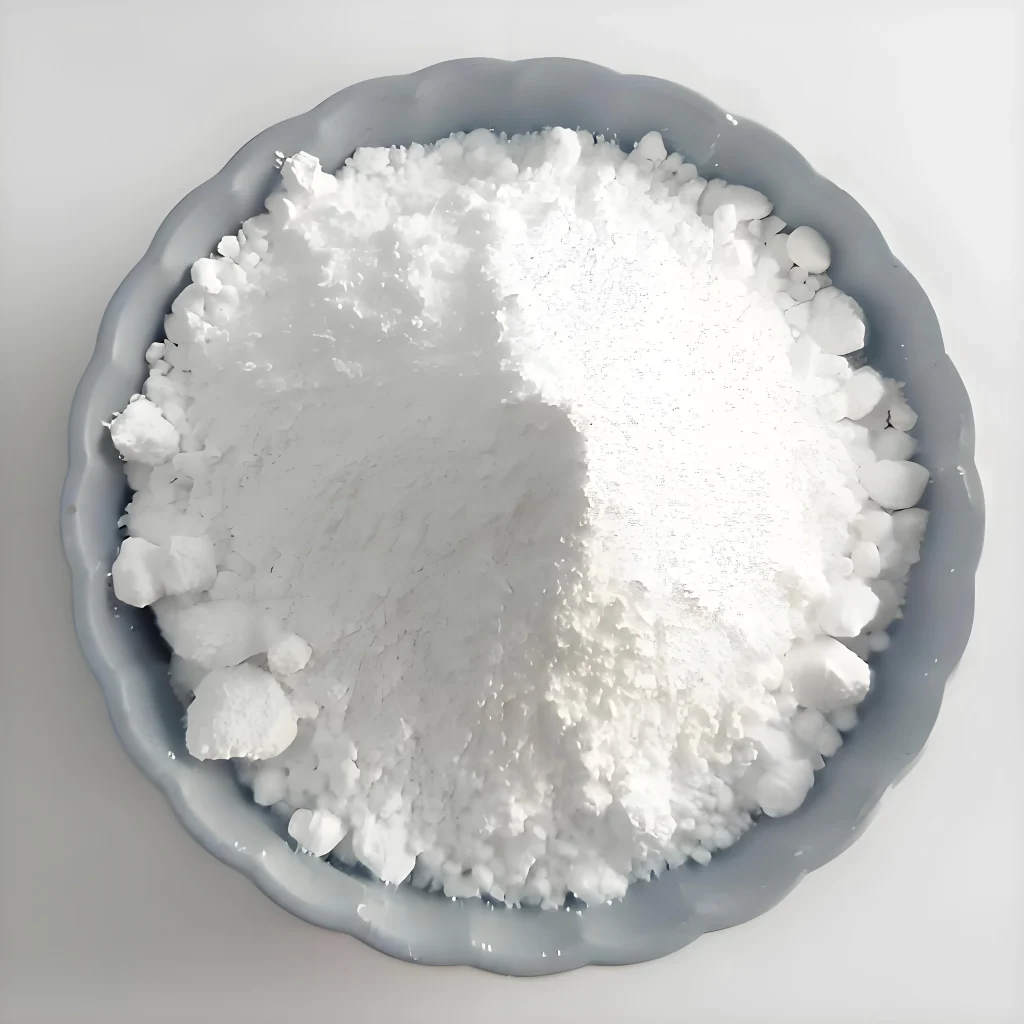
Titanium dioxide (TiO₂), a versatile white pigment derived from titanium ore, serves critical roles in modern industries. Below is an expanded analysis of its multifaceted applications, supported by recent research and industrial developments. Construction Industry Innovations Coatings and Paints TiO₂ enhances opacity and UV resistance in architectural paints, reducing fading in exterior surfaces. Its photocatalytic properties help break down pollutants on building facades, improving urban air quality. Recent formulations integrate TiO₂ nanoparticles for self-cleaning surfaces, minimizing maintenance costs. Cement and Concrete Photocatalytic concrete containing TiO₂ degrades nitrogen oxides (NOx) and organic pollutants under sunlight. This technology supports sustainable urban development by reducing smog formation. Tests show TiO₂-modified cement maintains structural […]