
Jet mills work best on materials with certain physical properties. They help to mill the materials effectively. Here are the key factors and examples of suitable materials:
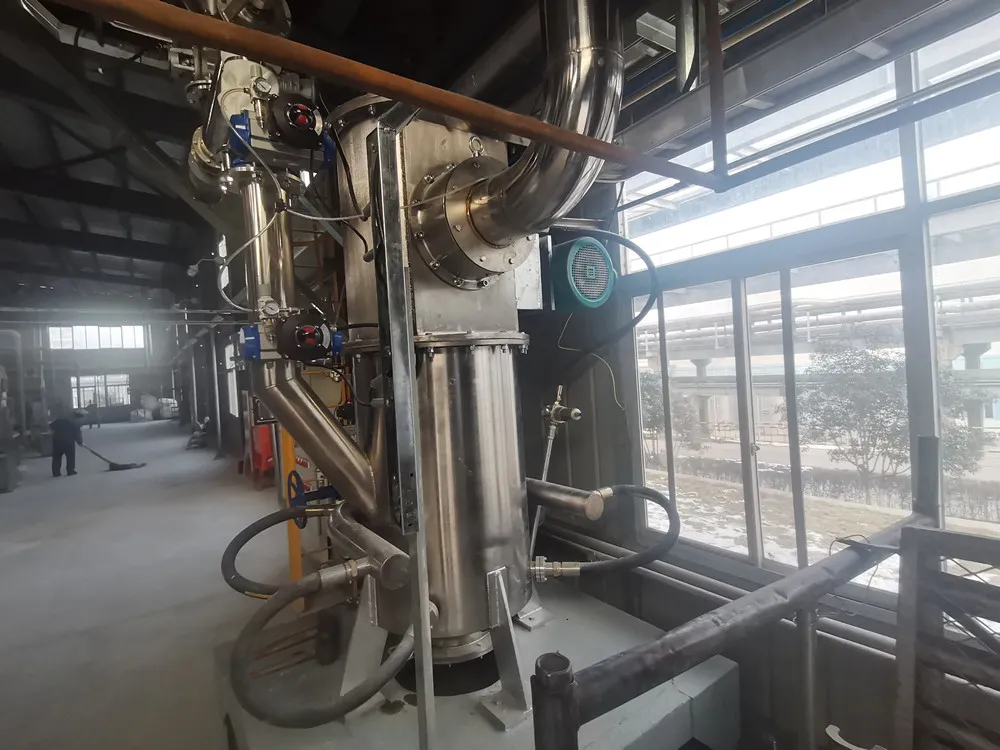
Key Characteristics for Jet Milling
脆さと硬さ
Brittle Materials: They are ideal for jet milling. They fracture easily under high-speed impacts. This property enables the production of fine particles with low energy use. Common brittle materials include:
- シリカ
- セラミックス
- 石英
- ガラス
Moderate Hardness: Brittle materials are best. But, those with moderate hardness are also suitable. Overly hard substances can lead to excessive wear on the milling equipment. To optimize milling, we must balance brittleness and hardness. It is key to achieving the desired particle size distribution.
水分含有量
Low Moisture Levels: Excess moisture can harm jet milling. It can cause materials to clump or stick to the mill’s walls, blocking it and reducing throughput. So, keep moisture content low, below 1-2%. It’s best for performance.
Viscosity and Flowability
Low Viscosity Materials: Low viscosity materials flow better through the jet mill. This reduces the risk of clogging. Examples include certain powdery or granular chemical raw materials and food additives.
Examples of Suitable Materials
陶磁器: Due to their brittleness, ceramics can be efficiently ground into fine powders.
Polymers: Some brittle polymers can be processed using jet mills.
医薬品: Many drugs are heat-sensitive and need small particles. Jet milling is ideal as it generates little heat during processing.
Oxidizable or Flammable Materials: Jet milling is suitable for materials like aluminum and coal powders. It minimizes friction, reducing the risk of combustion during processing.
Unsuitable Materials
Conversely, some materials do not perform well in jet milling:
Elastic or Sticky Materials: These tend to absorb energy rather than fracture, making it difficult to achieve the desired particle size. They can also cause blockages in the milling equipment.
High Moisture Content Materials: Wet or fluffy materials that retain moisture can lead to inefficiencies and inconsistent particle sizes.
Excessively Hard or Abrasive Materials: These can cause significant wear on milling equipment, necessitating alternative milling methods such as ball milling.
In summary, the best candidates for jet milling are brittle, moderately hard materials. They should have low moisture and viscosity. Choosing the right materials boosts milling efficiency and product quality. It also reduces equipment wear and downtime.