
Wie sieht der Produktionsprozess für künstliche Graphitanodenmaterialien aus?
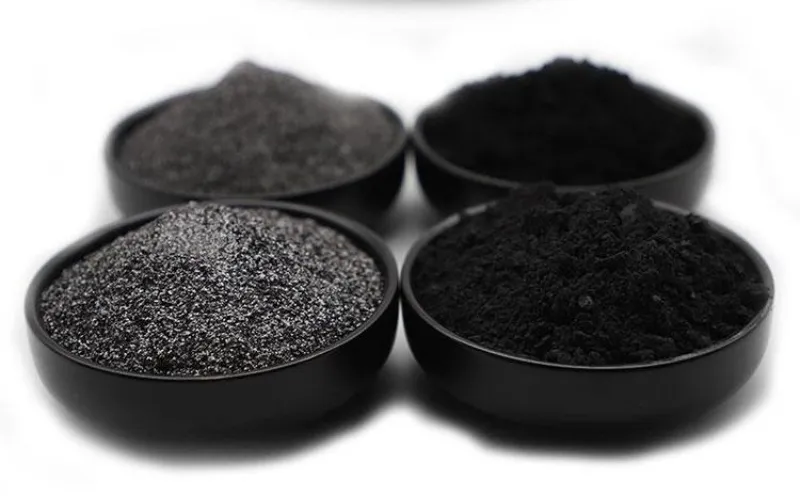
The production of artificial graphite anode materials involves multiple key processes. These processes are closely linked and mutually influential, collectively determining the performance and quality of the final product. The following is a brief overview of the main processes: Serial Number Process Name Main Function 1 Raw Material Inspection Ensure that incoming materials meet quality […]
Einführung in die Silberpulverklassierungstechnologie und gängige Geräte
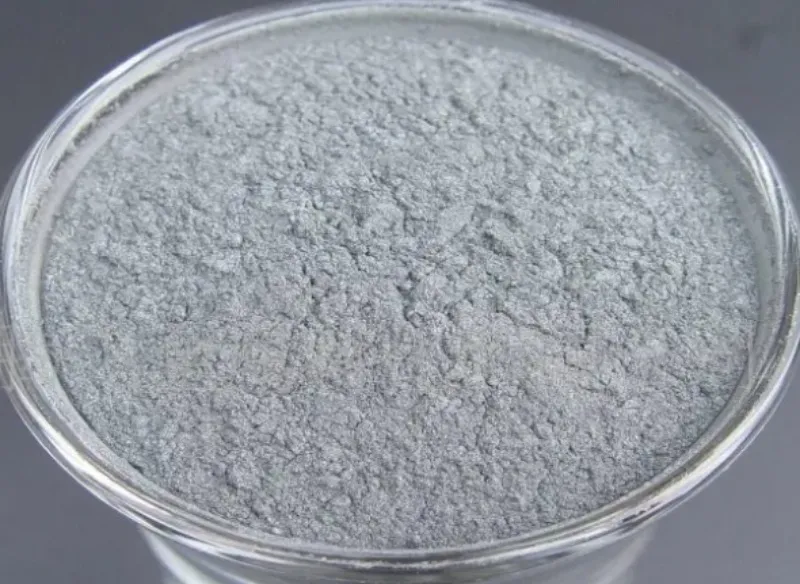
The particle size range of spherical silver powder used in crystalline silicon solar front-side silver paste is 1.0–3.0 μm, while conventionally synthesized silver powder usually has a wide particle size distribution. Therefore, the prepared silver powder must undergo classification treatment to meet the requirements for silver powder used in crystalline silicon solar cell electrode silver […]
Einfluss von oberflächenmodifiziertem Quarzpulver auf die Leistungsfähigkeit von künstlichem Quarzstein
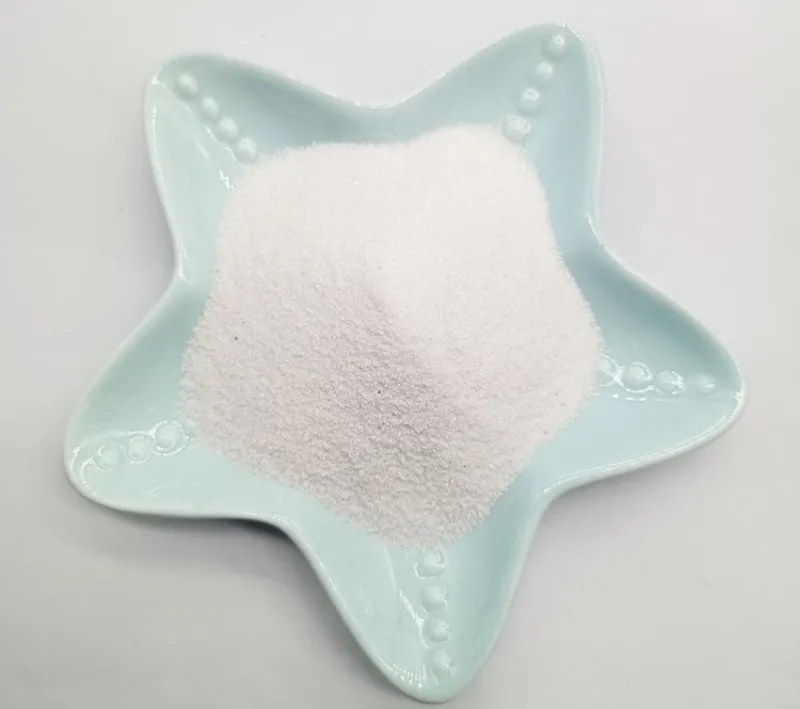
Artificial stone is one of today’s most important building and decorative materials. It can replace natural stone, high-end ceramics, wood, and metal decoration materials. It is a green, environmentally friendly building material. Among these, quartz stone is a key variety of artificial stone. Quartz powder plays a vital role as an inorganic, non-metallic functional filler […]
Silizium-Kohlenstoff-Anode: Erschließung der Energiedichte von Festkörperbatterien

When graphite anodes approach their theoretical capacity limit, who will become the “energy engine” of next-generation lithium batteries? With an ultra-high specific capacity of 1800 mAh/g, silicon-carbon anode is accelerating from laboratory research to large-scale industrialization—this is not just a material upgrade, but a revolution in energy density. Core Types of Anode Materials and Technical […]
What is the Production Process and Equipment for Silicon-Carbon Anode Material?
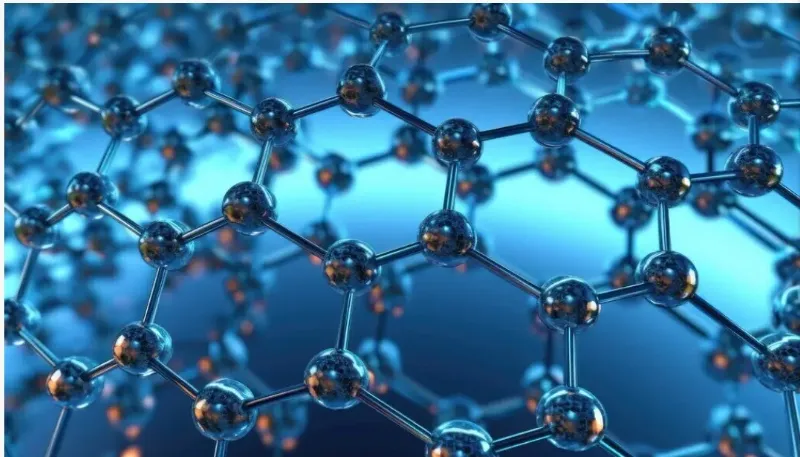
Silicon-carbon anode, as another major mainstream technology route, have significant differences in their production process compared to silicon-oxygen anodes. The core difference lies in the preparation of nano-silicon powder and its composite method with carbon-based materials. Based on the different preparation processes, silicon-carbon anodes are mainly divided into two technical routes: the sand milling method […]
Technologie zur Klassifizierung ultrafeiner Pulver: Prinzip, Verfahren und typische Ausrüstung
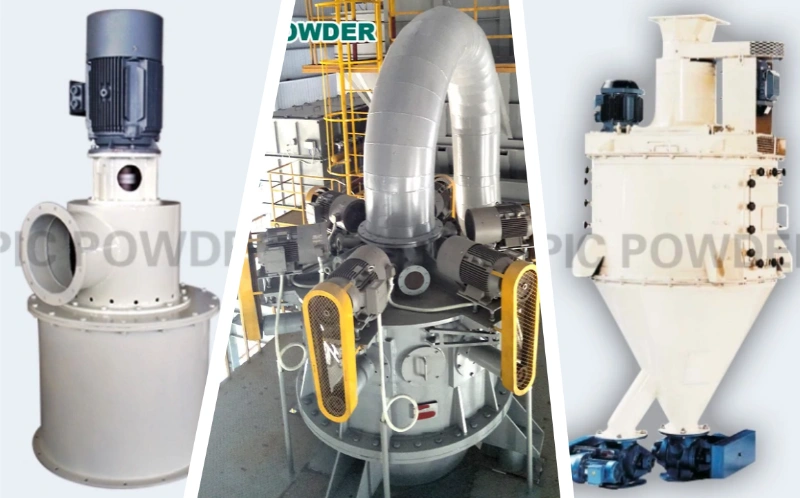
Ultrafine powder is not only the basic material for the preparation of structural materials, but also has unique functional properties. It is widely used in fine ceramics, electronic components, bioengineering, and new printing materials. It can also be used in many fields such as high-performance refractory materials and fine chemicals. As these industries continue to […]
Strahlmühle oder Luftklassierermühle: Die beste Wahl treffen
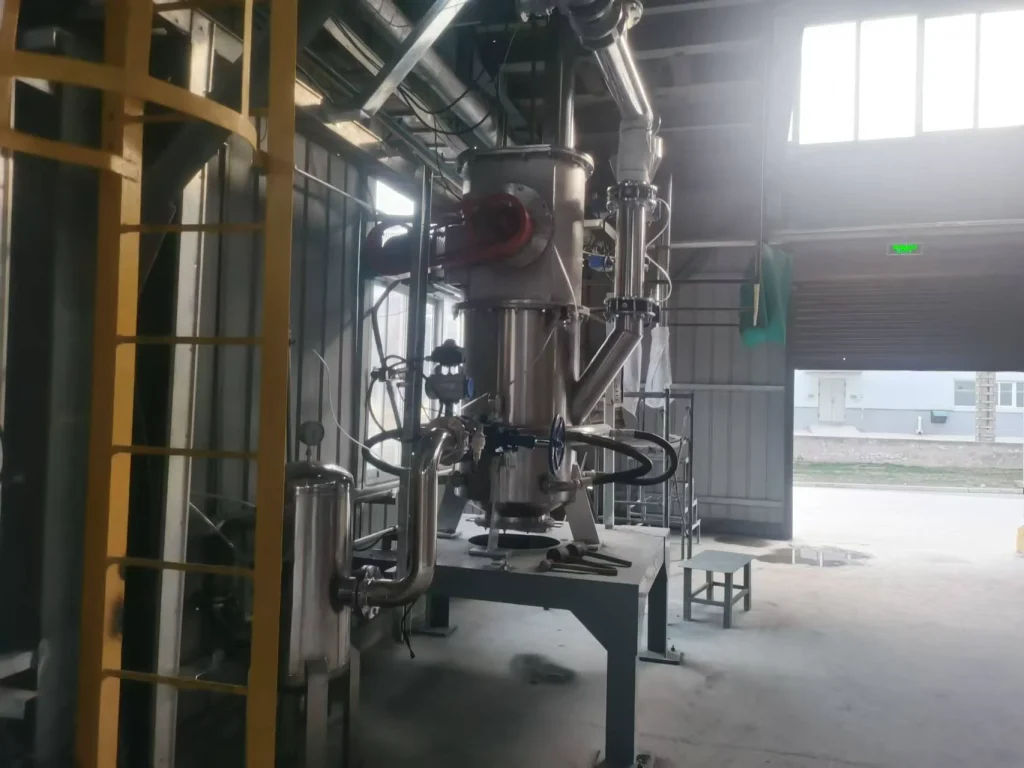
Choosing between a jet mill and an air classifier mill depends on your needs. Jet mills excel at making ultra-fine powders with precise particle size control. They are ideal for low-contamination industries. They use high-speed gas jets to grind particles. They are suitable for dry, hard materials. In contrast, air classifier mills are versatile. They […]
Wie funktioniert der Klassifizierungsprozess beim Strahlfräsen?
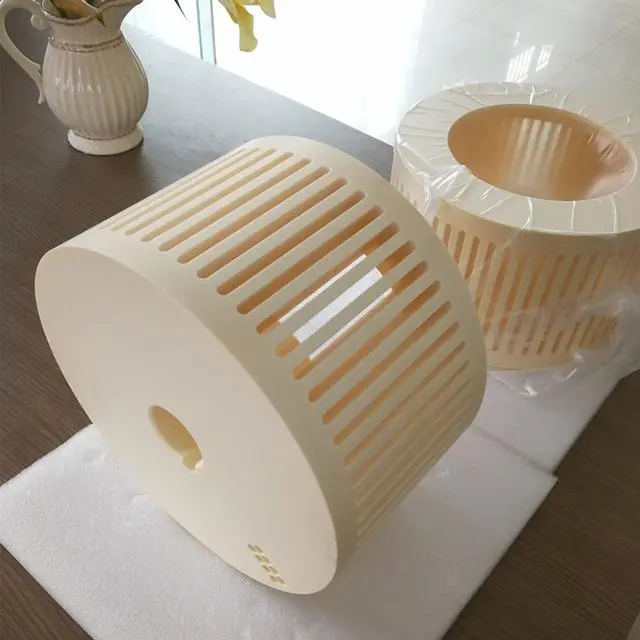
A jet milling’s classification process is vital for reducing and separating particle sizes. This is crucial in industries like pharmaceuticals, food processing, and materials science. This process uses high-velocity air jets for fine grinding. It also classifies particles by size and density. Knowing how this process works can improve efficiency, product quality, and energy use. […]
Wie gewährleistet der Strahlpulverisierer eine hohe Reinheit beim Mahlvorgang?
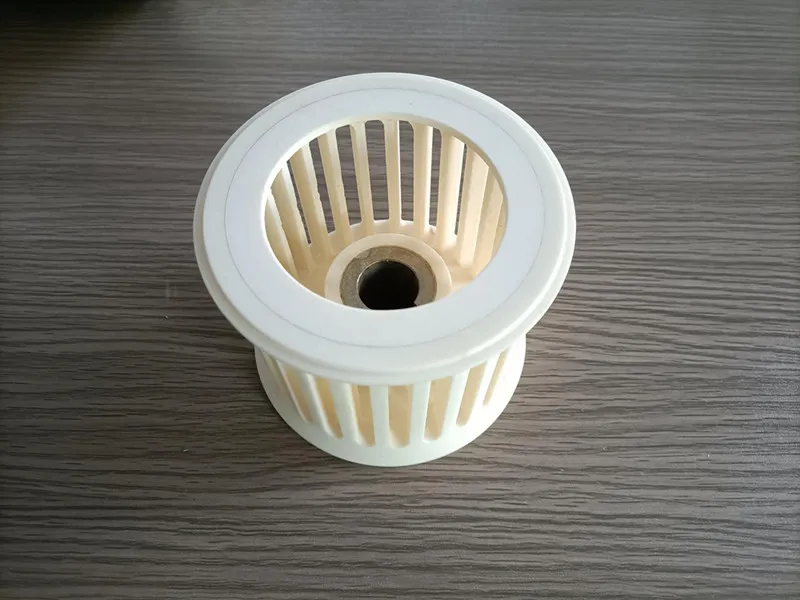
In the world of particle size reduction, keeping the product pure is key. This is especially true in industries where the final product’s quality matters a lot. The jet pulverizer, a cutting-edge air-based grinding tech, is crucial for keeping the grinding process pure. It uses compressed air to efficiently cut down particle sizes while keeping […]