
How Does an Air Jet Mill Perform in the Ultrafine Grinding of Petroleum Coke for a Precise D97 of 28 Microns?
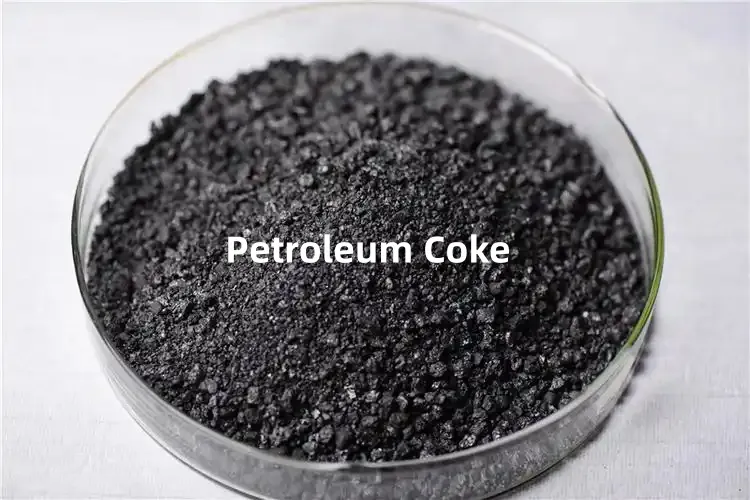
Understanding Petroleum Coke Characteristics Petroleum coke (petcoke) is a carbon-rich solid derived from the oil refining process. It features a high carbon content, low ash, and variable sulfur levels depending on the source crude. These characteristics make it valuable across industries, especially when processed into fine powders through petroleum coke ultrafine grinding, which enables precise particle size control, improved reactivity, and enhanced performance in applications such as fuels, electrodes, and advanced carbon materials. Physical Properties and Grindability Petcoke has a Mohs hardness typically ranging between 2.5 and 3.5, which classifies it as relatively soft compared to minerals but still tough enough to require specialized grinding technology. Its abrasive nature and […]
高度な超微粉砕技術によって陽極容量を向上させるには?
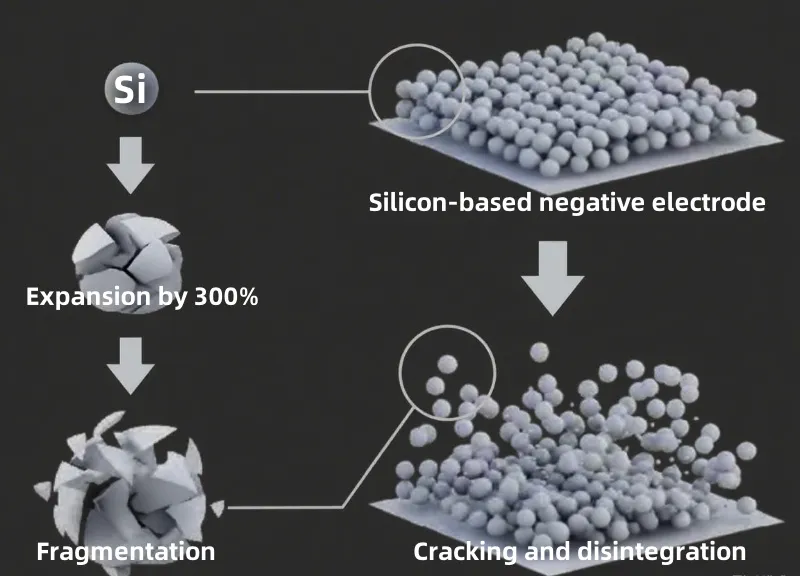
The Science Behind Particle Size and Morphology In my 20+ years of experience with powder processing, I’ve seen firsthand that raw chemical composition is only half the battle in battery performance. The physical structure of the material—specifically particle size and shape—dictates the final energy density. We don’t just grind material; we engineer the microstructure to unlock the full potential of the anode. Shortening Lithium-ion Diffusion Paths The logic here is simple but critical: the larger the particle, the further the lithium ion has to travel. By utilizing anode ultrafine grinding, we reduce the particle size to the optimal micron range. This significantly shortens the Lithium-ion Diffusion Path, lowering internal resistance […]
Jet Mill or Air Classifier Mill? Which Process Is the Optimal Solution for Ultrafine PEEK Grinding?
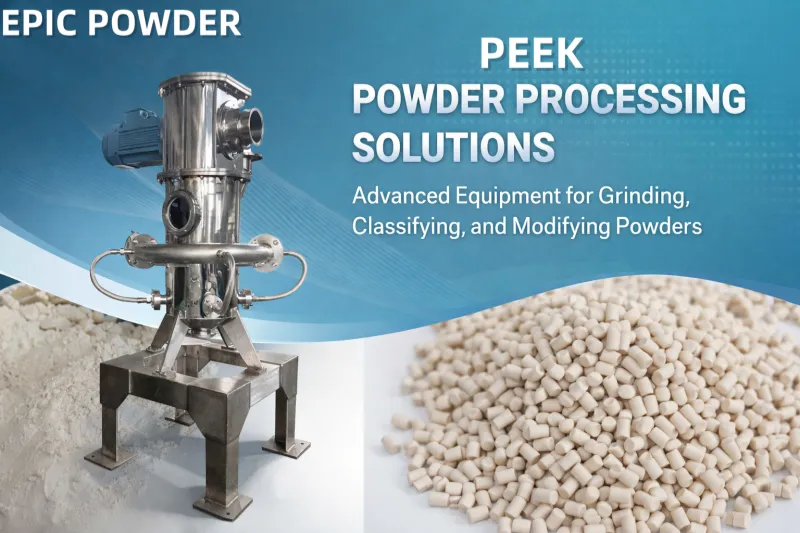
Polyetheretherketone (PEEK) is a high-performance specialty engineering plastic. It is renowned for its excellent heat resistance, chemical resistance, wear resistance, and mechanical strength. As a result, PEEK is widely used in aerospace, medical devices, automotive, and electronics industries. With the continuous upgrading of application demands, the need for ultrafine PEEK powders is steadily increasing. This trend is especially evident in 3D printing, composite prepregs, coatings, and injection molding. Ultrafine powders generally refer to particle sizes below 10 μm. In some advanced applications, particle sizes are even required to reach the submicron range of 1–5 μm. These requirements place strict demands on grinding processes. The process must achieve precise particle size […]
Spherical Graphite and Spherical Alumina : Why Does a Small Powder Multiply in Value After Becoming Spherical Powder?
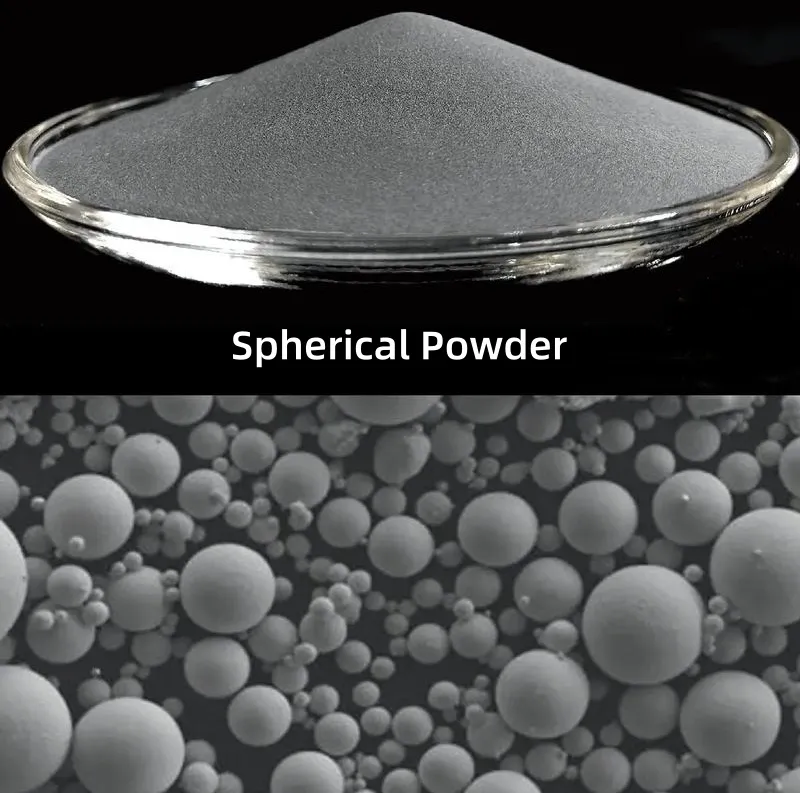
With the rapid development of modern industry and advanced technologies, performance requirements for powder materials are becoming increasingly stringent. Materials must exhibit ultra-low impurity levels, fine particle size, and a narrow particle size distribution. Particle morphology has also become a critical quality indicator. Spherical powder stands out for its uniform particle size, smooth surface characteristics, and excellent flowability. Because of these advantages, spherical powder is now widely used in high-end industrial applications. Compared with irregular powders, spherical powders exhibit clear advantages. Their regular morphology and fewer surface defects significantly reduce mold wear during processing. Spherical powders typically show a narrower and more uniform particle size distribution. Their excellent flowability improves […]
リン酸鉄リチウム正極材料はどのように製造されるのですか?
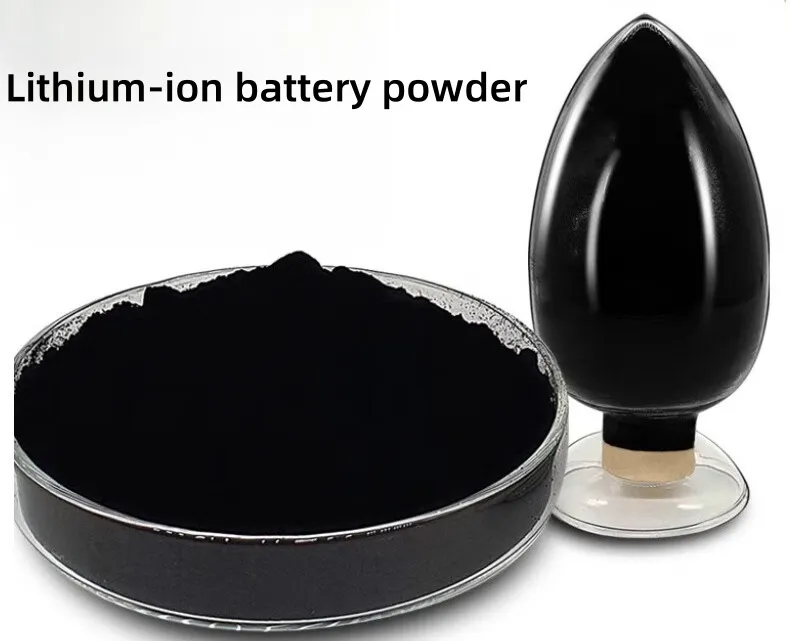
Cathode materials, one of the four main materials in lithium batteries (cathode, anode, separator, and electrolyte), are crucial components of lithium batteries. They also account for a large portion of the battery’s cost. The cost of cathode materials largely determines the price of the battery. Among lithium battery cathode materials, mainstream materials include lithium cobalt oxide (LCO), lithium iron phosphate (LFP), lithium manganese iron phosphate (LMFP), nickel cobalt manganese lithium oxide (NCM), and lithium manganese oxide (LMO), among others. Their production processes differ slightly, but the fundamental principles are similar. The precursor materials are mixed with lithium carbonate or lithium hydroxide and then heated at high temperatures to obtain the […]
Why Ceramic-Lined Pulverizing Equipment Is Essential in the Production of New Energy Cathode and Anode Materials
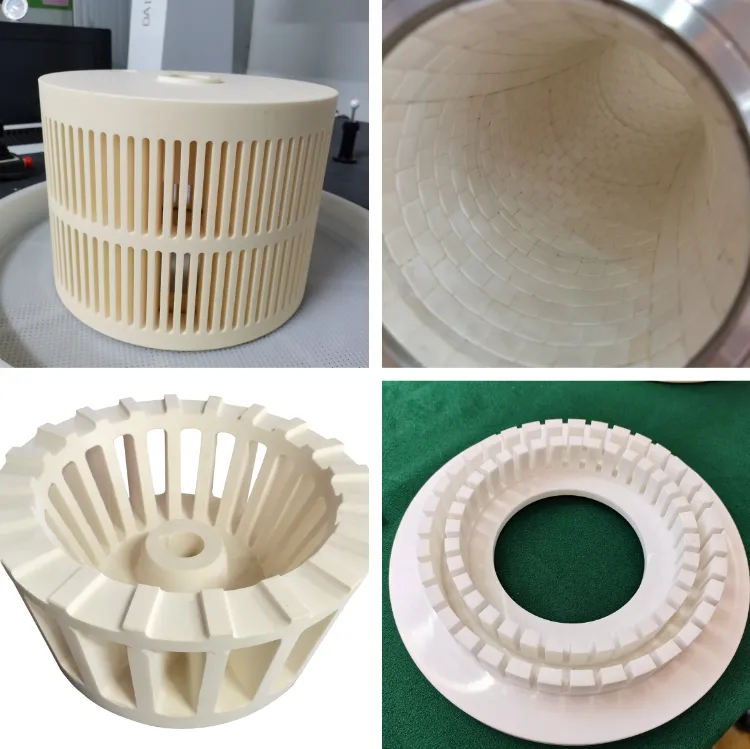
In the lithium-ion battery industry, the ultra-fine grinding and classification of cathode and anode materials are key processes that directly determine material performance. Whether it is high-nickel cathode (NCM/NCA), lithium iron phosphate (LFP), artificial graphite, soft carbon, or hard carbon, powder quality strongly affects battery energy density, rate capability, and cycle life. As battery performance continues to advance, pulverizing equipment faces unprecedented challenges: high purity, high reactivity, high hardness, and high safety requirements. Traditional metal-lined mills can no longer meet these demands. This is why ceramic-lined pulverizing equipment has become the mainstream solution for new energy material producers. This article explains the core value of ceramic liners from five perspectives: […]
How Does Air Jet Mill Affect the Particle Size Distribution and Morphological Characteristics of Hard Carbon Anode Materials?
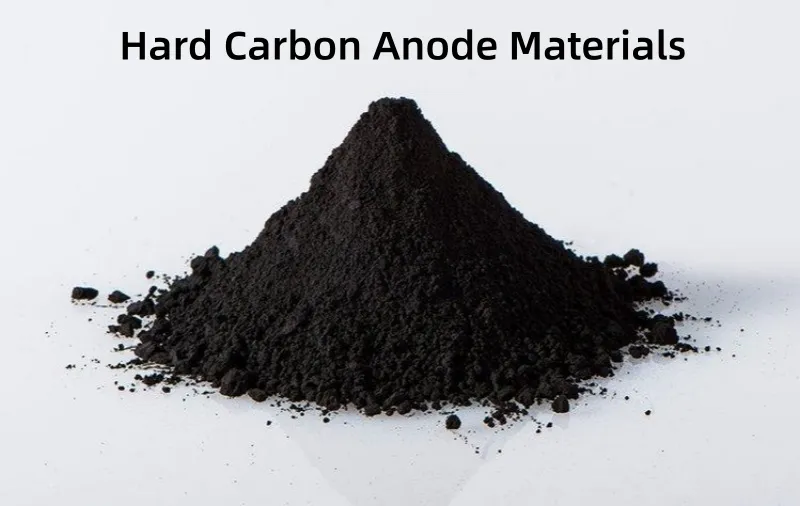
The practical performance of hard carbon anode materials in sodium-ion batteries is highly dependent on their microstructure, and the particle size distribution (PSD) and morphology are key factors determining ion diffusion pathways, electrode packing density, first-cycle Coulombic efficiency, and cycle stability. Air jet mill, as the most commonly used ultrafine grinding method in hard carbon preparation, has its process parameters directly influencing the final particle size, distribution width, and morphological characteristics, thereby profoundly affecting electrochemical performance. This article will systematically analyze the main process parameters of air jet milling and their specific effects on the particle size and morphology of hard carbon. Principle of Air Jet Mill and Key Process […]
What’s the Difference Between Natural and Dutch-processed Cocoa Powder?
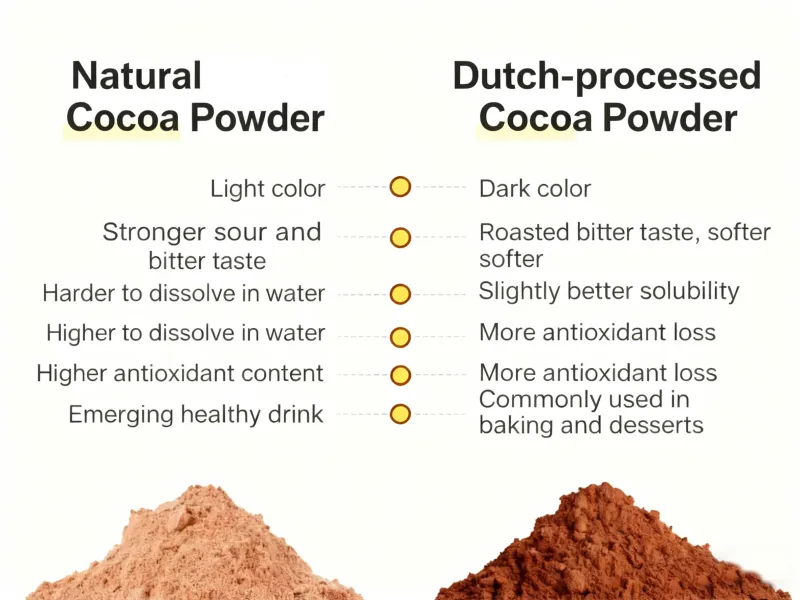
Cocoa powder is one of the most essential ingredients in chocolate production, baking, and beverage preparation. It not only determines the flavor depth and color intensity but also directly affects the final product’s texture and appearance. Among all the parameters of cocoa powder, the most frequently mentioned distinctions are “Natural Cocoa Powder” and “Dutch-processed Cocoa Powder” (also known as alkali-processed cocoa powder), as well as their particle fineness determined by “Air Classifier Mill” during processing. Natural Cocoa Powder Natural cocoa powder is the closest form to the original flavor of cocoa beans. The production process is relatively simple: Characteristics: Applications: American brownies, chocolate cakes (where baking soda is needed), devil’s […]
What Do You Need to Know About Pyrolysis Carbon Black?
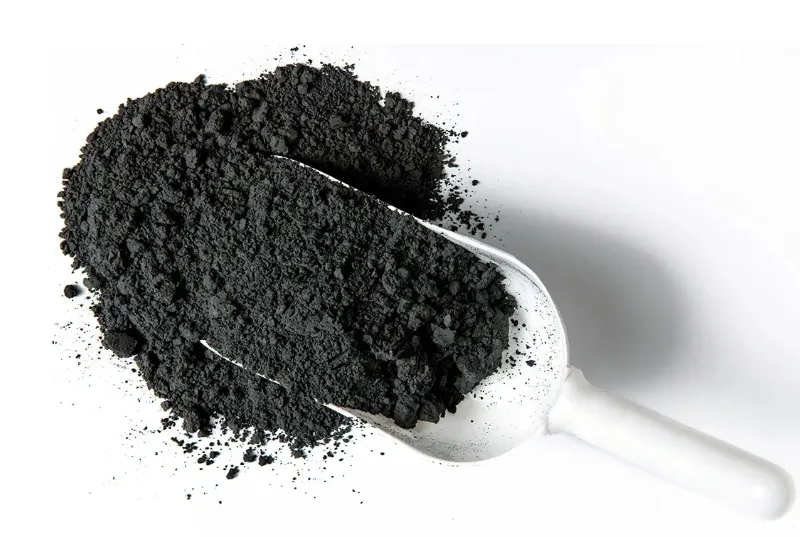
Q:What Is Pyrolysis Carbon Black? Pyrolysis carbon black (commonly referred to as PCB, Pyro-CB, or rCB) is the solid carbon black product obtained from the pyrolysis of waste tires, waste rubber, or other carbon-rich polymer materials.During pyrolysis (typically at 450–900°C under oxygen-deficient or low-oxygen conditions), the industrial carbon black originally present in tires (such as N330, N660, etc.) is thermally decomposed. The resulting product is carbon black whose surface is coated with pyrolysis oil, tar, polycyclic aromatic hydrocarbons (PAHs), and other organics, while the ash content (ZnO, SiO₂, sulfides, etc.) becomes significantly higher—hence the name “secondary carbon black.” Q:What Are the Differences Between Virgin Carbon Black and Pyrolysis Carbon Black? […]