
Applications of Inorganic Non-metallic Powders in Powder Coatings
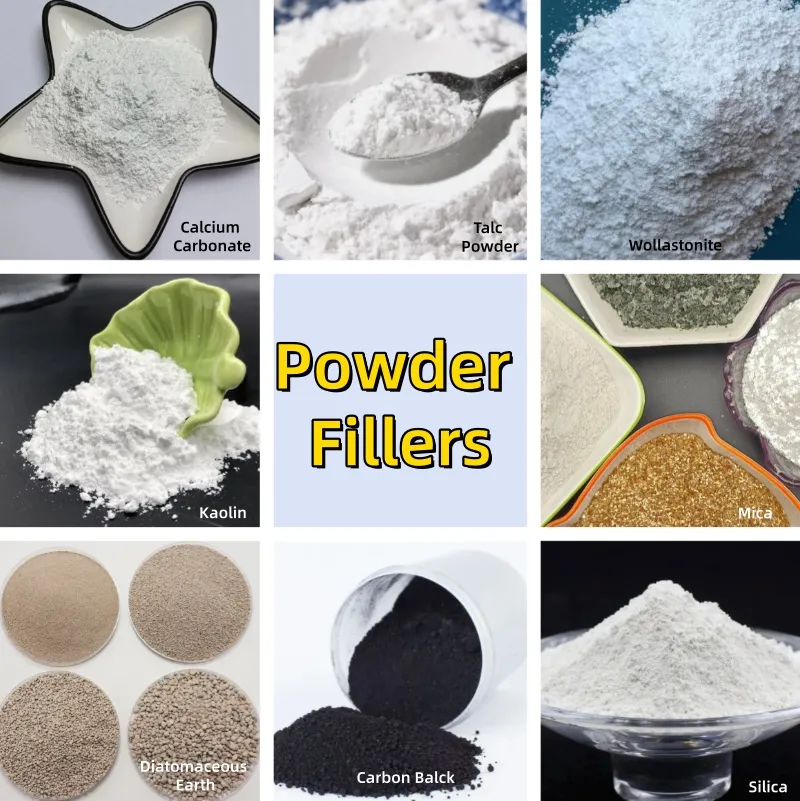
The rapid development of powder coatings has driven the demand for powder fillers. With market drivers in place, research into the application of various powder materials in powder coatings has become increasingly important. The main non-metallic powders used in powder coatings are calcium carbonate, barium sulfate, talcum powder, mica powder, kaolin, silica, and wollastonite. Fillers […]
What is the Production Process for Artificial Graphite Anode Materials?
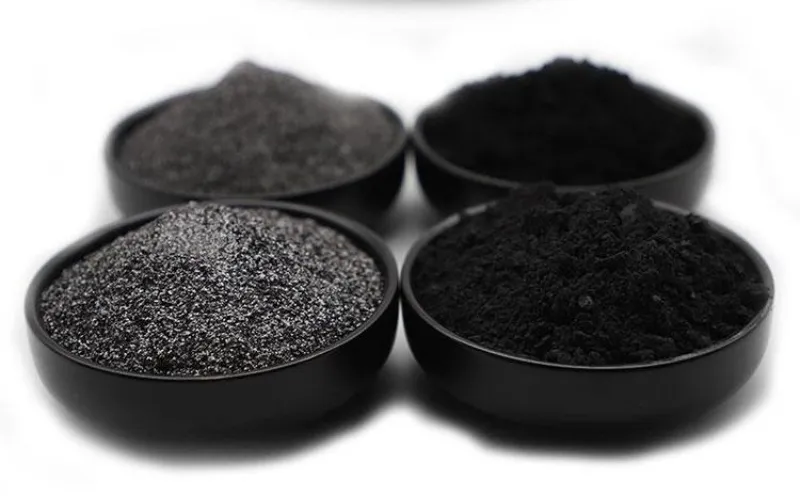
The production of artificial graphite anode materials involves multiple key processes. These processes are closely linked and mutually influential, collectively determining the performance and quality of the final product. The following is a brief overview of the main processes: Serial Number Process Name Main Function 1 Raw Material Inspection Ensure that incoming materials meet quality […]
مقدمة عن تقنية تصنيف مسحوق الفضة والمعدات الشائعة الاستخدام
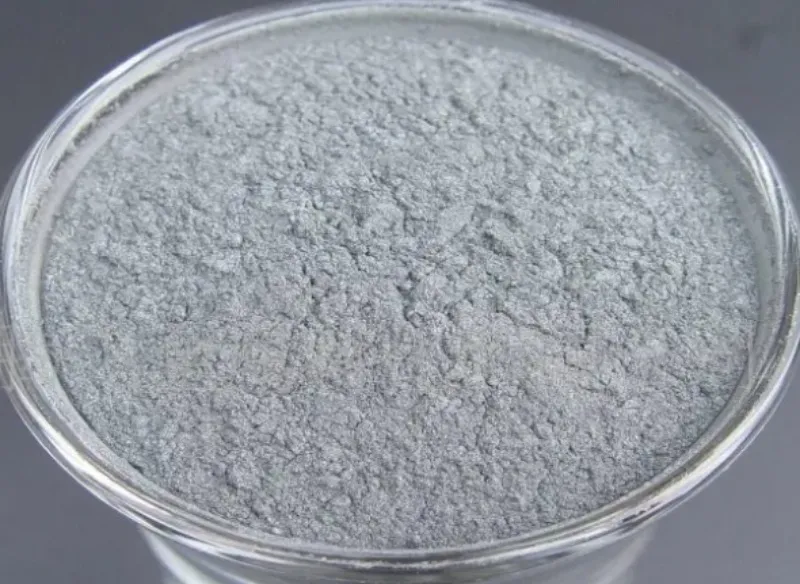
The particle size range of spherical silver powder used in crystalline silicon solar front-side silver paste is 1.0–3.0 μm, while conventionally synthesized silver powder usually has a wide particle size distribution. Therefore, the prepared silver powder must undergo classification treatment to meet the requirements for silver powder used in crystalline silicon solar cell electrode silver […]
تأثير مسحوق الكوارتز المُعدَّل سطحيًا على أداء حجر الكوارتز الصناعي
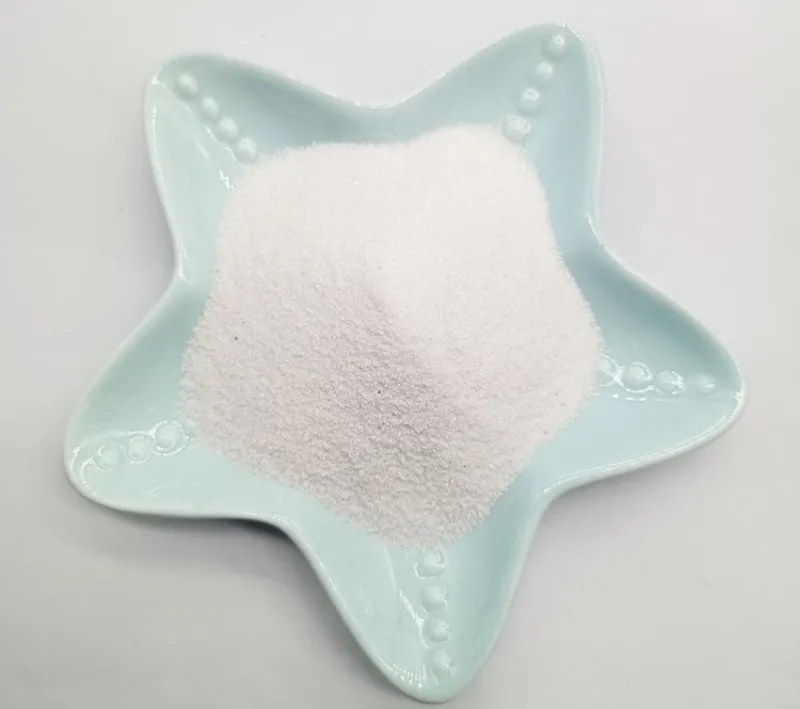
Artificial stone is one of today’s most important building and decorative materials. It can replace natural stone, high-end ceramics, wood, and metal decoration materials. It is a green, environmentally friendly building material. Among these, quartz stone is a key variety of artificial stone. Quartz powder plays a vital role as an inorganic, non-metallic functional filler […]
Silicon-Carbon Anode: Unlocking the Energy Density of All-Solid-State Batteries

When graphite anodes approach their theoretical capacity limit, who will become the “energy engine” of next-generation lithium batteries? With an ultra-high specific capacity of 1800 mAh/g, silicon-carbon anode is accelerating from laboratory research to large-scale industrialization—this is not just a material upgrade, but a revolution in energy density. Core Types of Anode Materials and Technical […]
Lithium Nickel Cobalt Manganese Oxide (NCM) : From Raw Materials to High-Performance Cathode Materials

In the era of rapid growth in new energy vehicles and energy storage technology, lithium-ion batteries—serving as the core power source—are pivotal to the industry’s future. As the “star player” among cathode materials, Lithium Nickel Cobalt Manganese Oxide (NCM) has become the first choice for electric vehicles and high-end consumer electronics, thanks to its high […]
Do you know the preparation process of ceramic powder raw materials?
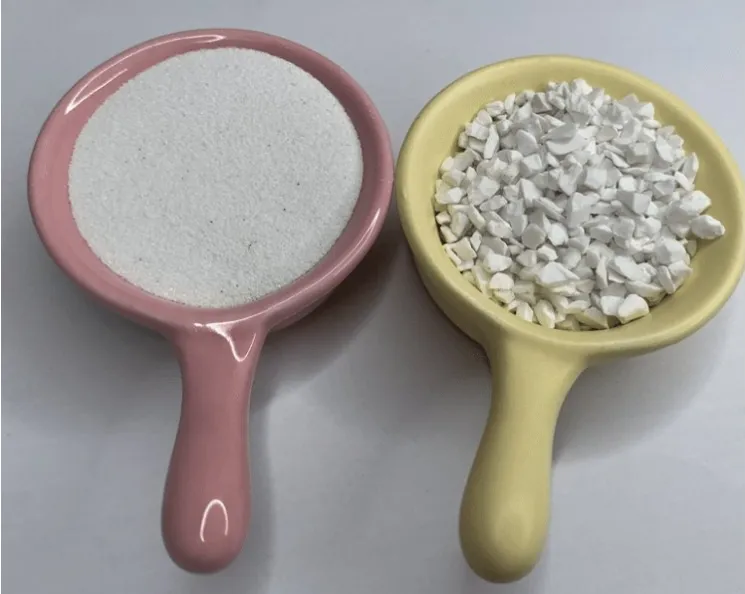
Ceramic powders are the fundamental “cells” in ceramic material R&D and production. Ceramic powder preparation process directly affects the performance and quality of final ceramic products. Advanced technologies enable the synthesis of nano-scale ceramic powders. Traditional raw materials are also being processed with greater precision. These innovations continue to evolve.They are pushing the ceramic industry […]
How does limestone achieve multiple transformations?
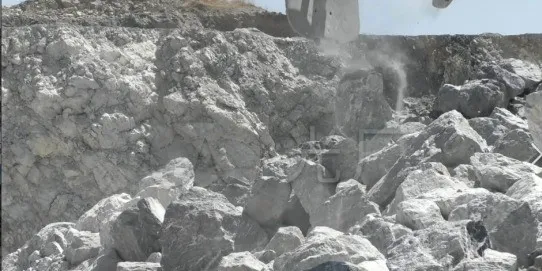
Limestone is a sedimentary rock composed mainly of calcite (calcium carbonate CaCO3). It usually forms in marine or lake environments. Biological and chemical processes cause it to precipitate. The characteristics and types of limestone are as follows: Color: generally gray, white, yellow, brown, etc., depending on the impurities contained. Texture: The texture is uniform and […]
Particle size? Mesh size? How to convert mesh and micron?
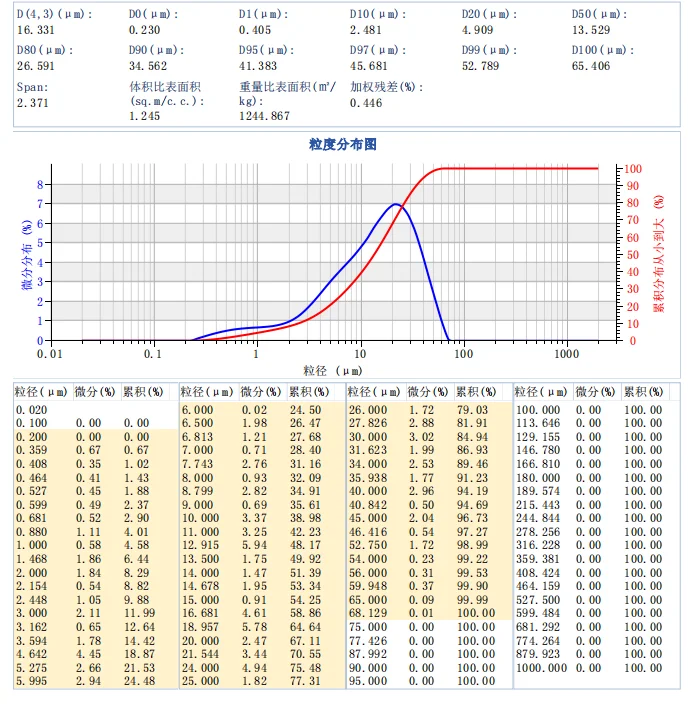
In general, mesh number × aperture (micrometers) ≈ 15000. For example, a 100-mesh screen has a 150-micron aperture. A 200-mesh screen has a 75-micron aperture. A 300-mesh screen has a 48-micron aperture. A 500-mesh screen has a 30-micron aperture. Below is a conversion between common mesh numbers and particle sizes. Mesh Micron (μm) Mesh Micron […]