
What Is the Complete Manufacturing Process of NdFeB Permanent Magnets?
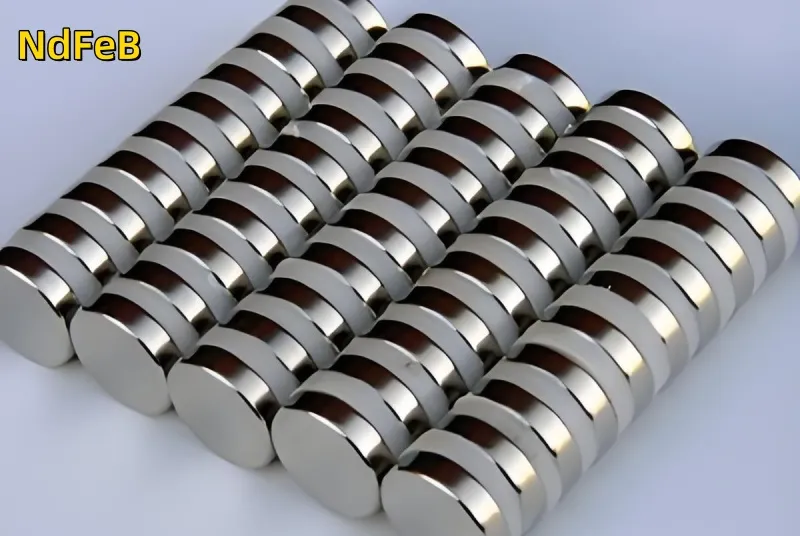
Neodymium–iron–boron (Nd-Fe-B) is the most representative rare-earth permanent magnetic material. Its main composition includes neodymium (Nd), iron (Fe), and boron (B), where rare-earth elements account for about 25–35%, iron 65–75%, and boron around 1%. NdFeB is currently the permanent magnetic material with the highest magnetic energy product in the world and is known as the “King of Modern Permanent Magnets.” This also means that NdFeB materials can achieve the same magnetic flux with the smallest volume. Application fields: Permanent magnet motors, medical devices, wind power, new-energy vehicles, etc.According to manufacturing processes, NdFeB magnets can be divided into sintered, bonded, and hot-pressed types, among which sintered NdFeB is the most widely […]
How Does a Porous Carbon Jet Pulverizer Perform Ultra-fine Battery Anode Grinding?
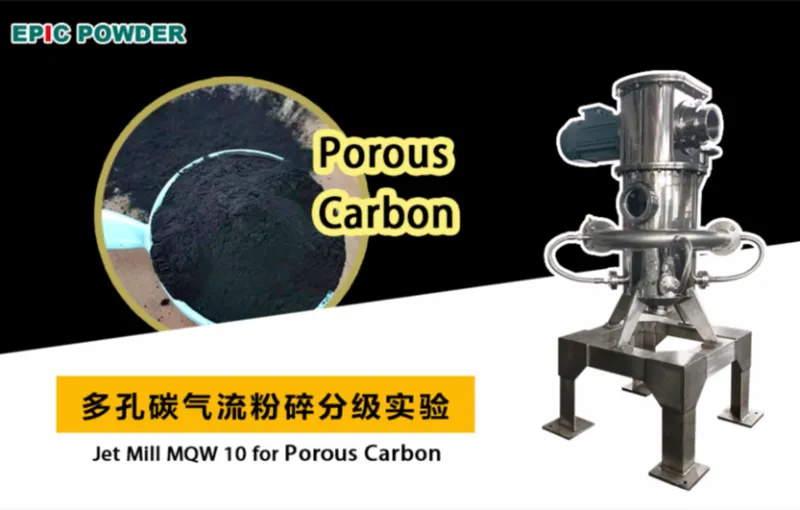
An advanced porous carbon jet pulverizer delivers ultra-fine grinding with precise D50 below 2 microns and contamination-free milling for next-generation battery anode materials. Porous carbon—particularly silicon–carbon composites—is reshaping the performance standards of modern high-energy batteries. However, achieving ultra-fine, contamination-free particle sizes while preserving the delicate porous structure remains extremely challenging. Traditional mechanical mills struggle to meet these requirements. This is why the jet pulverizer, especially the fluidized bed jet mill, has become the preferred technology for processing fragile, heat-sensitive porous carbon materials. If you work in battery manufacturing or R&D, understanding why a porous carbon jet pulverizer provides unmatched particle size control, purity, and pore integrity is essential to staying […]
Why Must NdFeB Be Pulverized Using a Jet Mill?
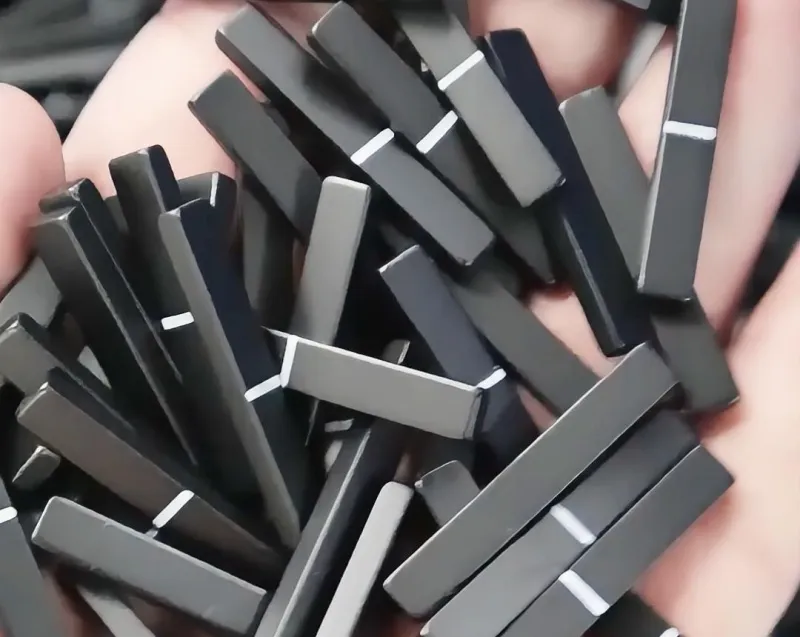
NdFeB (Neodymium-Iron-Boron) is the strongest permanent magnetic material available today. And It is widely used in EV traction motors, wind turbines, consumer electronics, and more. In its manufacturing process, the pulverization step is critical because it directly affects particle-size distribution, oxygen content, and the final magnetic performance. Traditional mechanical pulverization methods (such as ball mill or jaw crushing) cannot meet the stringent requirements of NdFeB, while the jet mill has become the industry standard.This article will systematically explain the necessity of air jet mills from several dimensions, including material properties, process requirements, and reasons for the failure of alternative solutions. Material Characteristics of NdFeB Make Pulverization Highly Challenging High hardness […]
Silicon-Carbon Anode: The Key Breakthrough for the High Energy Density Era
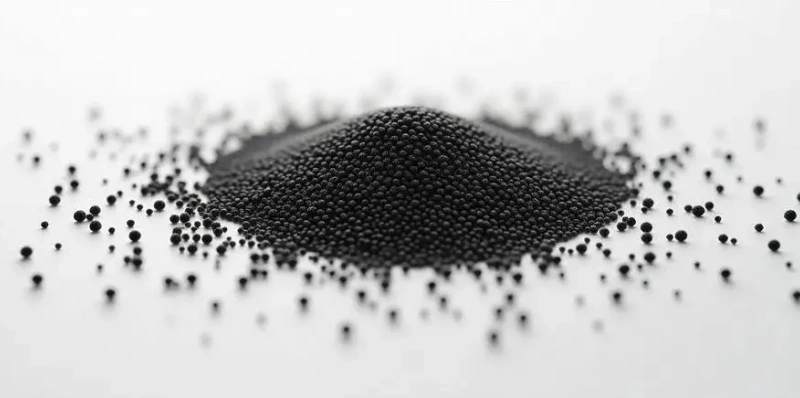
Overview of Silicon-Carbon Anode: The Inevitable Choice Beyond Graphite Limitations Graphite Anode Reaching Its Performance Limit Currently, graphite dominates lithium battery anode materials, accounting for over 80% of the market. Its theoretical capacity is 372 mAh/g, while practical performance has already reached around 360 mAh/g — nearly the theoretical limit.However, as electric vehicles, 3C electronics, and energy storage systems increasingly demand higher energy density and faster charging, graphite anodes can no longer meet these requirements. Silicon-based anodes have thus emerged as the only scalable next-generation solution. Silicon’s Ultra-High Theoretical Capacity of 4200 mAh/g Silicon boasts a theoretical capacity exceeding 4200 mAh/g — more than 10 times that of graphite — […]
シリカの表面改質について、あなたはどれくらい知っていますか?
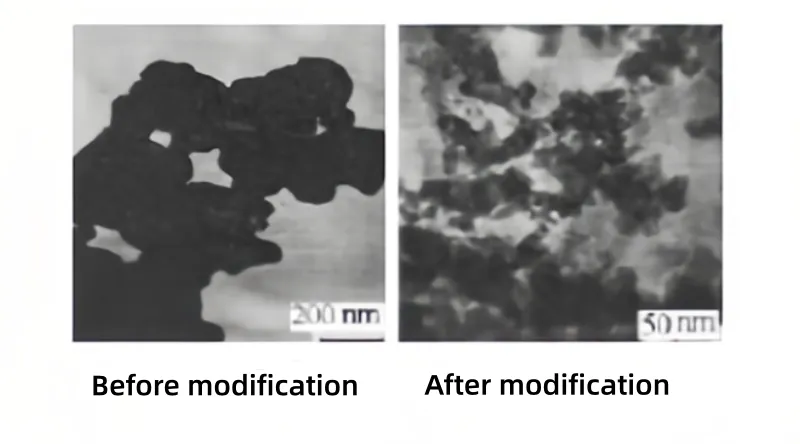
Silica, also known as silicon dioxide, is an important inorganic chemical raw material. Due to its unique surface structure and particle morphology, silica exhibits excellent stability, reinforcing capability, thickening behavior, and thixotropy. These properties make it a crucial inorganic filler in many fields such as rubber, coatings, and plastics. However, to fully unlock its potential and enhance compatibility with various organic matrices, the surface modification of silica is often employed. This process is key to tailoring its properties for specific applications. Surface Modification of Silica The internal polysiloxane structure and surface-active silanol groups make precipitated silica highly hydrophilic, resulting in poor wettability and dispersibility in organic phases. The hydroxyl groups […]
Grinding Equipment That Delivers Precision: From Battery Materials to High‑End Electronics
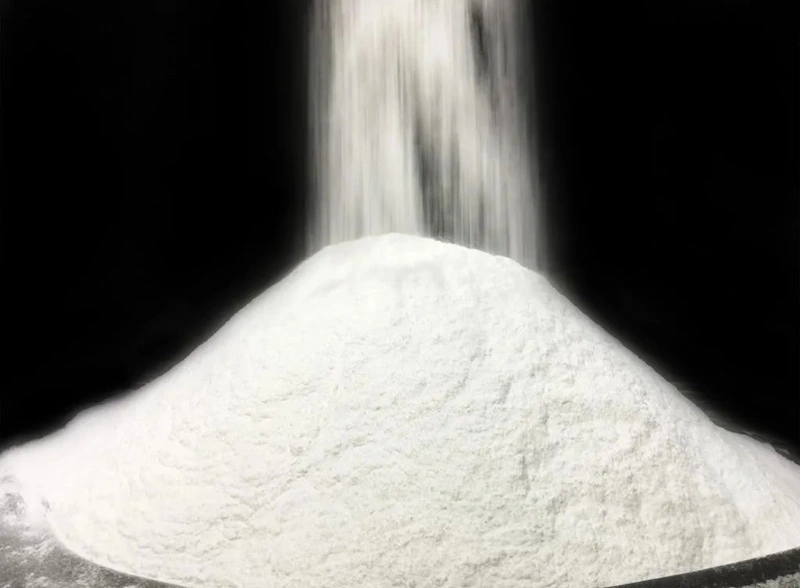
Have you ever wondered why a smartphone screen resists scratches so well, or why a premium foundation blends effortlessly into your skin? The secret is the grinding equipment that turns raw minerals into perfectly sized particles. At Epic Powder, we deliver the precision that makes modern materials perform. Why Grinding Equipment Is Important For decades, discussions around fine powders focused on ultrafine as a material property. But in practice, particle size, distribution, and shape are entirely determined by the milling system you choose. Whether you’re processing lithium iron phosphate for EV batteries, ceria for semiconductor polishing, or active ingredients for pharmaceuticals, the equipment you use directly affects your final product’s consistency, yield, and […]
Lithium Carbonate Jet Milling Technology – Precision Processing for High-Purity Battery Materials
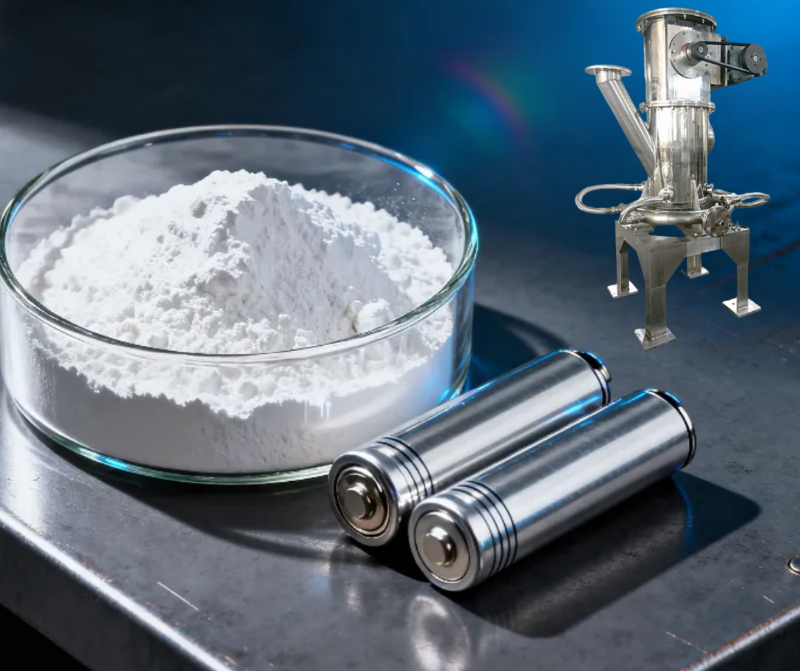
Lithium carbonate (Li₂CO₃) is one of the core raw materials in the lithium battery industry chain. It is widely used in the synthesis of cathode materials for power batteries, energy storage batteries, and consumer electronics. With the rapid growth of new energy vehicles and energy storage, the requirements for Li₂CO₃ purity, particle size distribution, and dispersion are increasing. To meet the demands of advanced lithium battery materials, the jet mill has become an essential technology for ultrafine pulverization and classification of lithium carbonate. Properties and Applications of Lithium Carbonate Lithium carbonate is a white crystalline powder with high chemical purity, good thermal stability, and reactivity. In lithium battery applications, it […]
人造黒鉛陽極の粉砕プロセス

In the production process of artificial graphite anodes, grinding is an essential front-end step. As the very first stage, it plays a crucial role in determining efficiency and product quality. Artificial graphite anode grinding equipment mainly includes roller mills, mechanical mills, and jet mills. Jet mills are mainly used for asphalt pulverization, roller mills are primarily applied in the calcined coke production line, while mechanical mills are widely used in the green coke production line. Artificial Graphite Anode Grinding Process Flow Roller Mill Process Flow: Feeding → Hammer Crusher (Coarse Crushing) → Roller Mill (Grinding) → Shaping (Spheroidization) → Classification Mechanical Mill Process Flow: Feeding → Hammer Crusher (Coarse Crushing) […]
熱分解カーボンブラック粉砕技術に関する研究

Pyrolytic Carbon Black (PCB) is a type of carbon black obtained through pyrolysis of organic materials like waste rubber and plastic. It has a high specific surface area and strong physicochemical stability. It is widely used in industries such as tires, rubber, plastics, coatings, and inks. It serves as a blackening agent, filler, or conductive material. With the advancement of environmental policies and the demand for a circular economy, pyrolytic carbon black has gained significant attention as a sustainable resource. Pulverization Requirements for Pyrolytic Carbon Black Pyrolytic carbon black typically has a large particle size (usually above 50 microns). It needs to be pulverized to a finer level to meet […]