
情報化時代の「ヒーロー」:電子ペースト用微細金属粉末
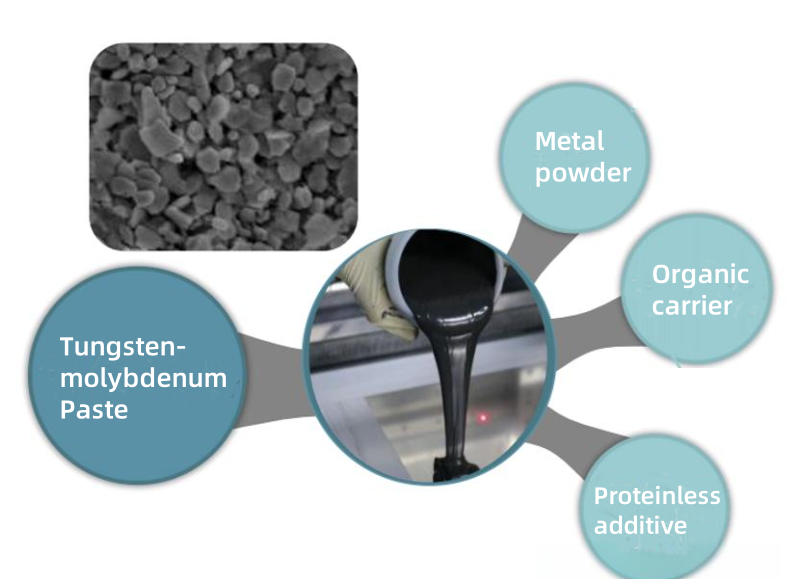
Electronic paste refers to a new type of functional material developed since the 1960s. It integrates metallurgy, chemical engineering, and electronics technologies. Known for high quality, efficiency, advanced technology, and wide applications, these pastes are crucial in the information and electronics industries. They are essential for hybrid integrated circuits, sensitive components, surface mount technology, resistor networks, displays, and various discrete electronic components. A key element in the performance of electronic pastes is the use of fine metal powders. These powders enhance conductivity and other electrical properties. As a result, they are indispensable for modern electronic applications. They can be made into thick-film integrated circuits, resistors, resistor networks, capacitors, conductive inks, […]
The Key Role of Air Classifier Mill in Protein Powder Processing
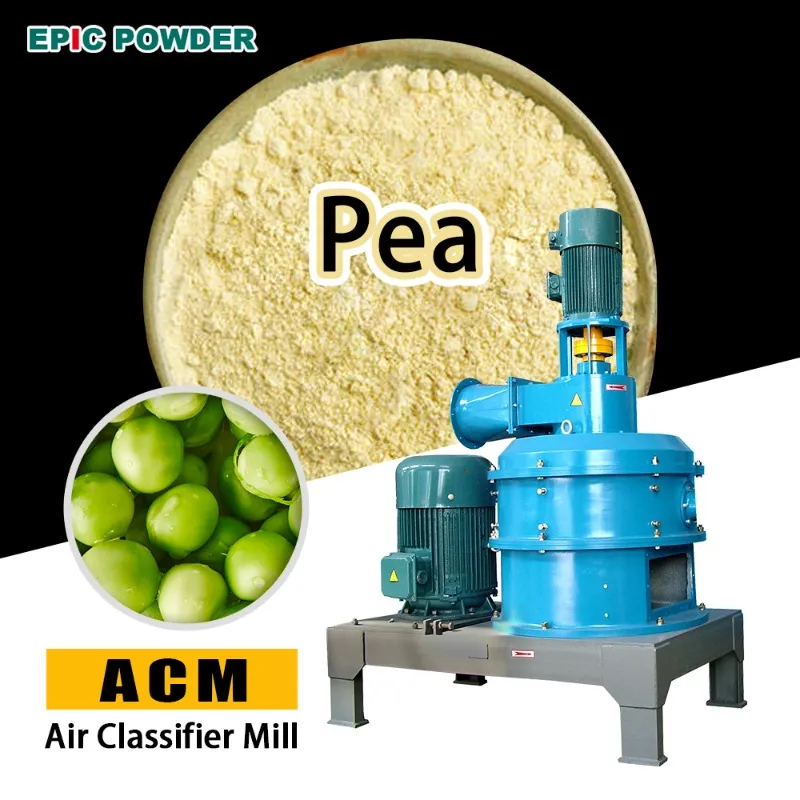
The global food supply chain is undergoing significant changes, driven by rising population and increasing demand for sustainable protein sources. Traditional livestock farming, which requires vast amounts of land and water, can no longer meet this demand alone. As a result, alternative protein sources—such as plant-based, mushroom, insect, algae, and bacterial fermentation biomass—are becoming crucial for future food security. Among the key technologies enabling this shift is the air classifier mill in protein powder processing, which offers an efficient and sustainable method for producing high-quality plant protein. Currently, the mainstream approach involves extracting protein from soybeans through wet processing, which requires large amounts of water, chemicals, and energy-intensive drying. This […]
Diversified Applications of Dolomite Powder: Exploring Its Unique Value in Various Industries
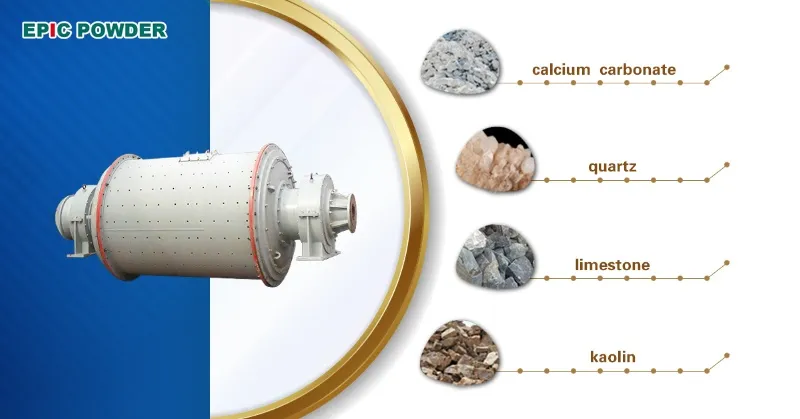
Dolomite is a carbonate mineral, which includes iron dolomite and manganese dolomite. Its crystal structure resembles that of calcite and is commonly found in rhombohedral form. When it comes into contact with cold dilute hydrochloric acid, it slowly produces bubbles. Some dolomites emit an orange-red glow when exposed to cathode rays. Dolomite is the main mineral component of dolostone and dolomitic limestone. Dolomite is widely used in industries like construction materials, ceramics, glass, refractories, chemicals, agriculture, environmental protection, and energy conservation. It is mainly used as an alkaline refractory material and a flux in blast furnace ironmaking, as well as an ingredient in the production of glass and ceramics. Dolomite […]
What Are the Commonly Used Absorbing Powders for Polymer Materials?

With the increasing number of electronic devices, invisible electromagnetic waves have become a source of electromagnetic pollution, threatening information security. This is where electromagnetic wave absorbing powders in polymer materials come into play. They absorb and shield electromagnetic waves, enhancing the electromagnetic compatibility of materials and ensuring the stable operation of electronic devices. They can also improve the mechanical properties of materials, playing a significant role in areas like smartphones and aerospace. They provide an excellent solution to these challenges. Ferrite Absorbing Powders Ferrites are essential absorbing materials due to their high magnetic permeability and good impedance matching properties. They are widely used in polymer materials. The primary mechanisms for […]
[Popular Science] Characteristics and Applications of Gum Arabic

Gum arabic (Gum arabi, Acacia senegal, Acacia seyal), also known as Sudan gum, acacia gum, Senegal gum, and Indian gum, is an exudate from the trunks of trees in the genus Acacia of the legume family. It is also called acacia gum (legume family, Acacia genus). It is mainly distributed in Pakistan, Taiwan, tropical Africa, Arabia, and India, and has been artificially introduced and cultivated. Gum arabic primarily consists of high-molecular polysaccharides and their salts of calcium, magnesium, and potassium. The main components include arabinose, galactose, and glucuronic acid. It is a harmless thickening agent that naturally solidifies in the air into tree gum. The gum is pale white to […]
The Hidden Charm of Rice Starch: Small Particles, Big Potential

Among all known grains, rice starch has the smallest particle size, with an average diameter of only 2-8 μm. In comparison, corn starch ranges from 5-25 μm, wheat starch from 2-45 μm, sorghum starch from 5-25 μm, and potato starch from 15-100 μm. The small particle size and high specific surface area of rice starch give it many superior physical and chemical properties compared to other starches. It can be used as a fat replacer, is easy to digest, low in lipids and minerals, and has very low protein allergenicity. Additionally, rice starch is the whitest of all starches and can be used as a glossy coating for candies or […]
粉末分散についてお話しましょう

The dispersibility of powder directly affects its stability, flowability, wettability, and uniformity in solvents. Ultimately, it determines the product quality. In other words, the powder dispersion directly impacts the application value of powder materials. Powder Dispersion and Dispersants Due to the large specific surface area and surface energy of ultrafine powders, particles are prone to aggregation and agglomeration during preparation and post-processing. This forms secondary particles that lose the original excellent properties of ultrafine particles. In powder materials, there are van der Waals forces between particles. There are also repulsive forces generated by the double electric layer. When the repulsive forces between particles exceed the attractive forces, the particles repel […]
リチウム電池に使われている粉末材料 ― あなたはどの材料が使われているか知っていますか?

Lithium batteries mainly consist of the anode, cathode, separator, electrolyte, binder, conductive agent, current collector, and packaging materials. According to material form classification, the anode, cathode, binder, and conductive agent are powder materials in Lithium batteries. Some solid-state electrolytes are powder materials, and some modified separators also contain powder materials. Positive Electrode Commercialized positive electrode materials include Lithium Cobalt Oxide (LiCoO2), Lithium Manganese Oxide (LiMn2O4), NCM (LiNixMnyCozO2), and Lithium Iron Phosphate (LiFePO4). Negative Electrode Common negative electrode materials include graphite, hard carbon, soft carbon, lithium titanate, and silicon-based materials. Graphite is the most widely used, and silicon-based materials have the most potential. Binders Binders like Polyvinylidene Fluoride (PVDF) and Styrene-Butadiene […]
Ceramic Silicon Carbide vs Semiconductor Silicon Carbide

Silicon carbide (SiC) is a fascinating compound. You can find it in the semiconductor industry and in advanced ceramic products. This often leads to confusion, as people may think they are the same material. However, they are not. Silicon carbide can be both a hard, wear-resistant advanced ceramic and an efficient, energy-saving semiconductor. Although both forms share the same chemical composition, they play two completely different roles in the industrial sector. Ceramic silicon carbide and semiconductor silicon carbide differ significantly in crystal structure, preparation processes, performance characteristics, and applications: Raw Material Purity Requirements Ceramic-grade silicon carbide has relatively low purity requirements. It is typically between 90% and 98% for general […]