
カオリナイトの高度加工技術 ― 精製、微粉砕、焼成、改質
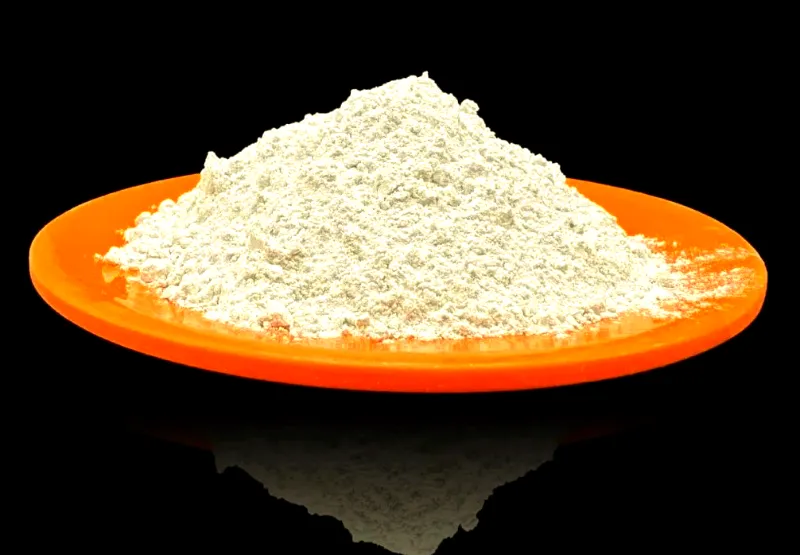
カオリナイトの深加工とは、さまざまな産業の特定の要件を満たすために、カオリンの品質、性能、付加価値を向上させることを目的とした一連の処理を指します。主なカオリナイト深加工技術は以下のとおりです。精製および漂白技術 物理的精製:この方法は、粒径、密度、磁性、表面吸着などの物理的性質の違いを利用します。これらの違いは、粘土鉱物以外の鉱物を分離するのに役立ちます。一般的な技術には、手選別、水選別、浮選、磁気分離などがあります。化学的精製および漂白:このプロセスは、カオリナイト中の鉄含有鉱物を除去します。方法には、酸浸出、塩素処理、アルカリ処理、還元、酸化、および酸化還元複合プロセスなどがあります。高温焼成:これは、脱炭および漂白に最適な方法です。[…]
モリンガ粉末および空気選別機ミル ― 高品質な健康原料のための精密加工ソリューション

Moringa (Moringa oleifera), a tropical plant native to India and Africa, is often referred to as the “Tree of Life.” Its leaves, seeds, flowers, and roots are all edible, and they are rich in proteins, vitamins, minerals, and antioxidants. Moringa has various health benefits, including immune regulation, anti-inflammatory effects, blood sugar reduction, and cholesterol lowering. Dried moringa leaves are ground into moringa powder, which is highly valued for its nutritional content, ease of storage, and versatility in applications such as health foods, meal replacements, baking, beverages, and dietary supplements. To preserve its nutritional activity and natural green color, the processing of moringa powder must be low-temperature, fine, and contamination-free — […]
ModifiedStarch and ACM Grinding: Key to Enhancing Food and Industrial Applications

Starch, a crucial natural polysaccharide, is widely used in food processing, papermaking, textiles, pharmaceuticals, and chemicals. However, traditional starch often cannot meet the physical and chemical demands of modern industries. To address this, modified starch has been developed. By using physical, chemical, or enzymatic methods to ModifiedStarch, its functional properties can be enhanced, allowing it to serve a broader range of industrial needs. Meanwhile, classification grinding technology, an essential tool in powder processing, plays a critical role in the production of modified starch. Basic Concept of ModifiedStarch Modified starch refers to starch that has been altered through physical, chemical, or enzymatic methods to change its original structure and properties, making […]
Why is the Particle Size of the Negative Electrode Larger than that of the Positive Electrode?

Lithium-ion batteries are core energy storage technology for modern electronics and electric vehicles. Performance optimization has always been a focus. In battery design, the particle size of graphite negative electrode is typically much larger than that of positive materials (e.g., lithium iron phosphate, ternary materials, lithium cobalt oxide). This particle size difference results from factors such as material properties, electrochemical needs, manufacturing processes, and performance optimization goals. This article explores the reasons for this size difference and summarizes its effects on battery performance. Differences in Material Properties and Electrochemical Requirements Characteristics of Positive Materials and Particle Size Requirements Cathode materials include lithium cobalt oxide (LiCoO₂), lithium iron phosphate (LiFePO₄), ternary […]
Nano-Silicon: I Became Smaller, But Stronger
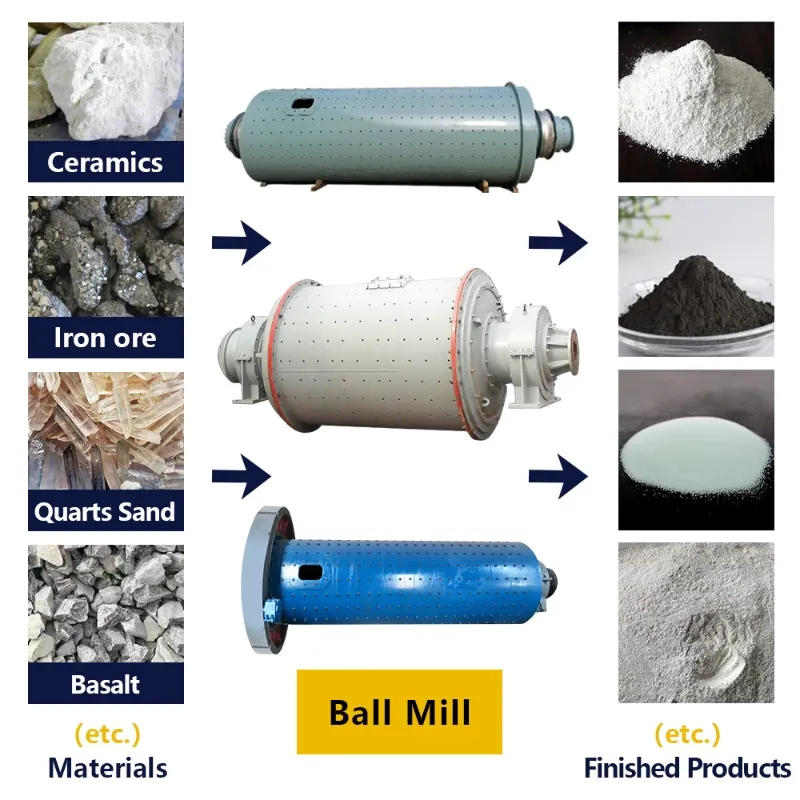
Silicon is the second most abundant element on Earth, after oxygen. Its abundance and low cost make it one of the most readily available inorganic materials. In contemporary technological developments, nanomaterialization can significantly improve silicon’s various properties. This has broad potential for applications in silicon-based anode materials, photovoltaic cells, luminescence, biomedicine, and other fields. Nano-silicon refers to silicon particles on the nanoscale. Nano-silicon powder features high purity, small particle size, and uniform distribution. It also has a large surface area, high surface activity, and low bulk density. The product is non-toxic and odorless. At present, the main methods for preparing nano-silicon powder include mechanical ball milling, chemical vapor deposition (CVD), […]
Market Prospects of Wollastonite Deep Processing Products

Wollastonite (CaSiO₃) is a calcium silicate mineral typically found in fibrous or acicular shapes. Its distinctive needle-like structure, combined with stable chemical properties, grants it exceptional attributes, including high-temperature resistance, wear resistance, corrosion resistance, and reinforcement capabilities. Additionally, it is non-toxic, odorless, and non-radioactive, making it a highly valuable material. As demand for advanced industrial materials grows, wollastonite has become an essential non-metallic mineral, offering significant potential for wollastonite deep processing. This deep processing opens up new opportunities for its use across various industries, promising a bright future for this versatile material. Classification of Wollastonite Products Wollastonite products are classified into five categories based on particle size and length-to-diameter ratio. […]
Innovation and Development of Lime Deep Processing Technologies

Deep-processed lime differs from ordinary metallurgical and road lime. For deep processing lime, the higher the calcium oxide content, the better, while the content of silicon, magnesium, and other heavy metals should be as low as possible. This is because the calcium oxide content is the main factor determining the product price. The calcination process for deep-processed lime differs from that of ordinary lime. The output and energy consumption vary greatly, but the cost increase is minimal. High-calcium limestone has a relatively low calcination cost, and the processed products will have a higher price. Generally, the calcium content of the limestone for deep processing should be above 54%. Calcination Process […]
超微粉砕機が若麦葉粉末の品質を向上させる方法

Have you noticed that in recent years, some people around you are often seen holding a cup of green, seemingly ominous liquid, drinking it down with an indescribable expression? Are you curious why they drink it despite the apparent discomfort? This trendy beverage sweeping across China is none other than “Aojiru” (green juice) from Japan. Aojiru is an instant beverage made by grinding young barley leaf into ultrafine powder. Simply mix the powder with water, and you can easily absorb the rich nutrients from barley leaves. It’s particularly suitable for people in areas with limited access to fresh, affordable vegetables due to high population density, helping them supplement essential plant-based […]
プラスチック製品にタルク粉末を効果的に使用するには?
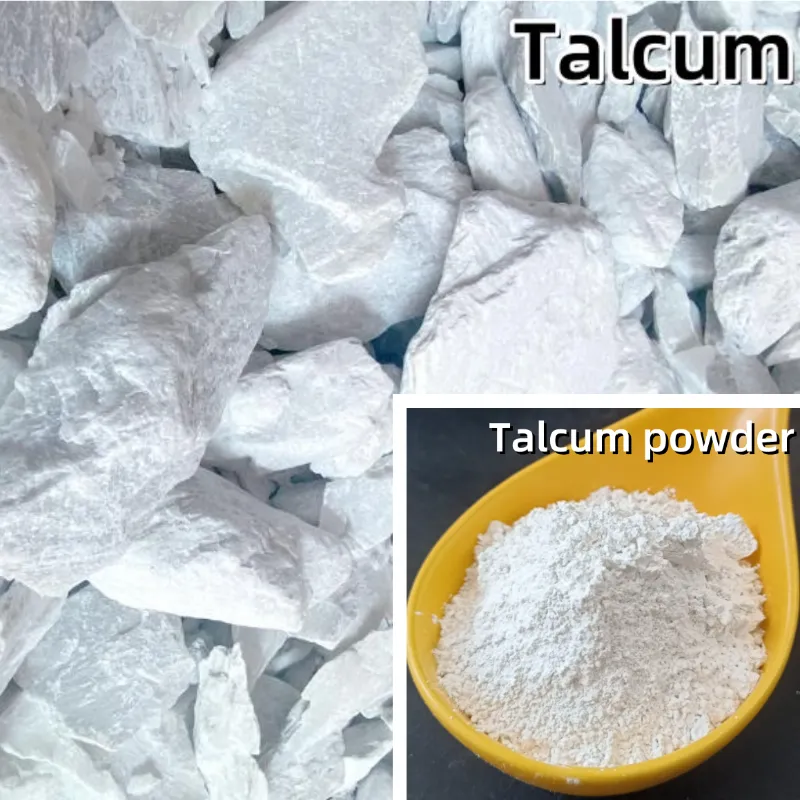
Talc, known for its softness and strong slippery feeling, is a hydrous magnesium silicate mineral with a layered structure. It mainly consists of magnesium silicate, aluminum oxide, nickel oxide, and other minerals. Talc powder, widely used in plastics, has excellent physical and chemical properties such as lubricity, anti-adhesion, flow aid, fire resistance, acid resistance, insulation, high melting point, chemical inertness, good coverage, softness, gloss, and strong adsorption. These characteristics make talc powder an ideal additive in various industries, including coatings, paints, plastics, paper, ceramics, cosmetics, pharmaceuticals, food, and daily supplies. In plastics, talc powder significantly enhances certain properties of plastic products. When selecting talc powder for plastics, the following requirements […]