
Artificial stone is one of today’s most important building and decorative materials. It can replace natural stone, high-end ceramics, wood, and metal decoration materials. It is a green, environmentally friendly building material. Among these, quartz stone is a key variety of artificial stone. Quartz powder plays a vital role as an inorganic, non-metallic functional filler in artificial quartz stone. Composed mainly of SiO₂, it appears as a fine white powder. Produced by processing natural quartz ore through crushing, washing, and grinding, quartz powder can be combined with organic polymers to enhance the overall performance of composite materials. Modified quartz powder, which undergoes surface treatment to improve its properties, further boosts the compatibility and dispersion of quartz powder in polymer-based systems. This modification enhances the mechanical properties and stability of the final product, making it widely used in various industries, including electrical, electronics, silicone rubber, coatings, adhesives, and potting materials.
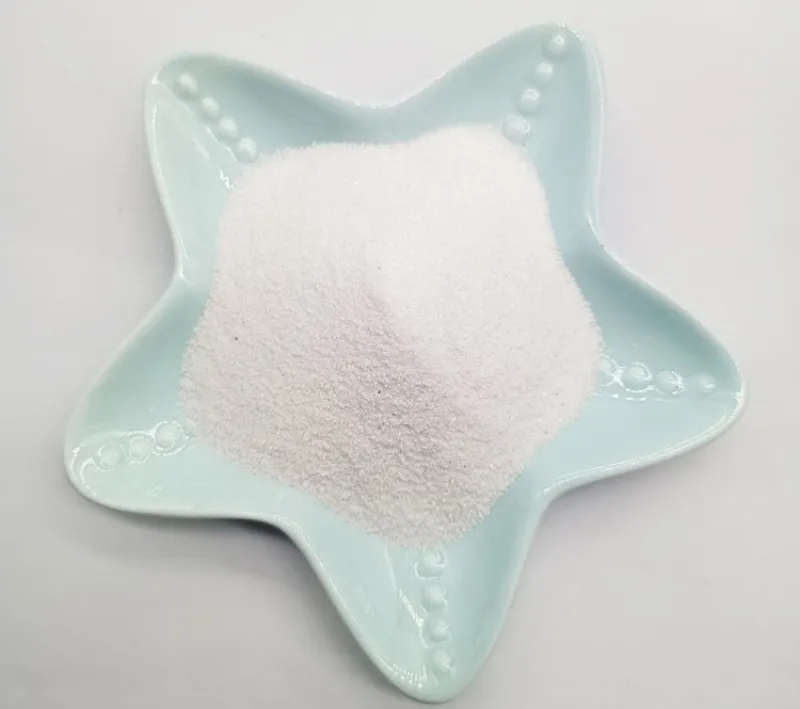
Modification of Quartz Powder
The raw materials for organic artificial stone are essentially the same as for quartz stone. The only difference is that the sand powder is replaced by calcium carbonate material. However, the unsaturated polyester resin content typically ranges from 5% to 11%, with a significant difference in resin usage. Industry research shows that this difference is mainly due to the fact that quartz powder used in the organic artificial stone industry has not undergone surface modification. The poor compatibility between the resin and powder interface leads to a higher resin requirement.
Furthermore, using unmodified quartz powder directly as an organic filler in artificial quartz stone is often not ideal. This is because natural quartz powder has a strong polarity on its surface, which results in poor affinity with polymer materials. As a filler, it is not evenly dispersed and tends to clump, increasing the resin content. This leads to deviations in the content of quartz stone and resin, which can significantly impact the physical and chemical properties of the product.
Thus, modifying quartz powder’s surface can alter its polarity, turning it from polar to non-polar. This makes it easier for the powder to disperse effectively in organic mediums and enhances compatibility with the resin. This reduces resin usage and maintains good material status and slab performance. Surface modification is an important strategy for reducing costs and improving efficiency in quartz stone products.
Effect of Modified Quartz Powder on Quartz Stone Slabs
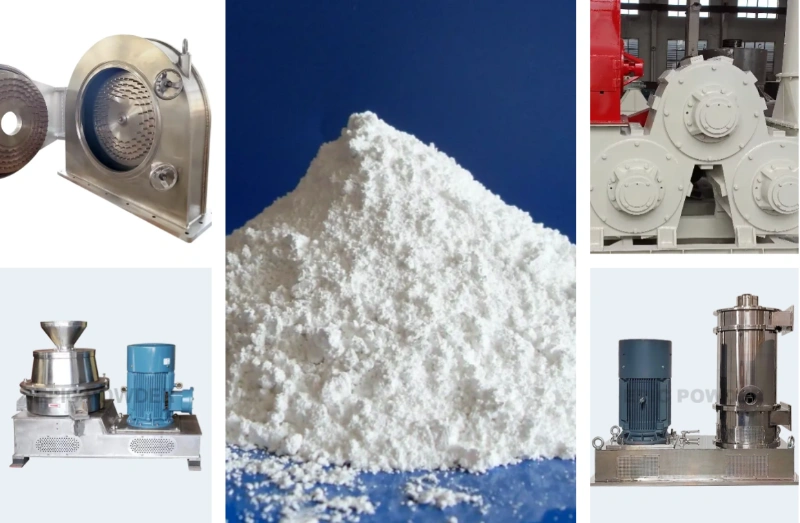
Unmodified quartz powder is produced from quartz sand using a ball mill and classifier production line. Modified quartz powder is the unmodified powder treated further in dedicated modification equipment with a coupling agent specifically for artificial quartz stone.
Using modified quartz powder in organic quartz stone significantly reduces the resin content, lowers the organic component of the slabs, and promotes the development of low-carbon, green, and environmentally friendly technologies for quartz stone. Furthermore, it reduces costs.
According to experimental data, after modification, quartz powder shows a significant decrease in oil absorption. In the production of quartz stone slabs, less resin is required to wet the surface of quartz sand. Most of the resin is used to wet and disperse the quartz powder. The amount of resin required to wet and disperse the quartz powder directly affects the resin usage in the slabs. After adding modified quartz powder, resin usage decreases. The surface of modified quartz powder is hydrophobic and oleophilic, requiring less resin to achieve the same material state. Since the resin in quartz stone slabs is costly, accounting for almost 60% of the overall cost, reducing resin usage significantly lowers production costs.
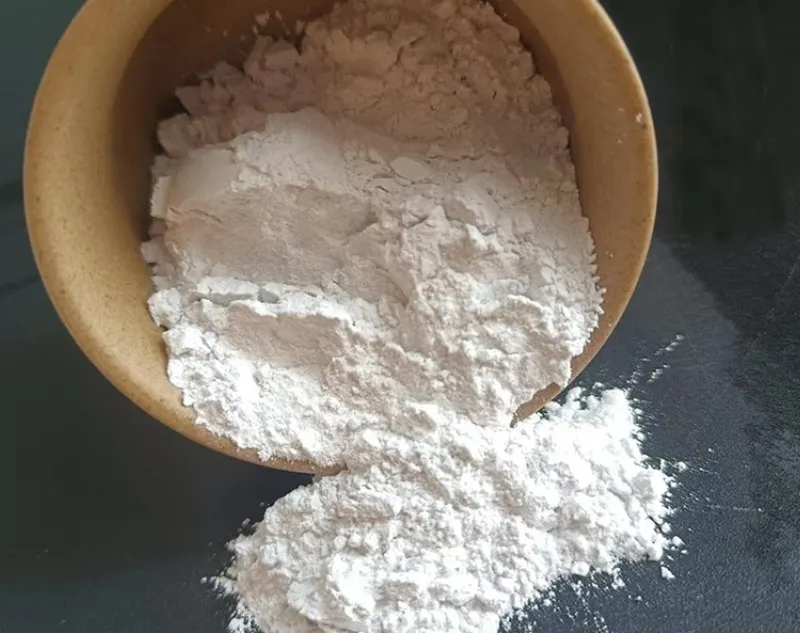
When modified quartz powder replaces unmodified quartz powder in the slabs, and the substitution rate increases, resin usage continues to decrease. The ball drop impact resistance and water absorption remain unchanged. However, the surface hardness and glossiness of the slabs improve. After resin curing, the surface hardness of quartz stone slabs is the lowest. Reducing resin usage further increases the surface hardness of the slabs. When the surface hardness improves, the glossiness increases correspondingly.
Surface Modification Equipment for Quartz Powder
Epic Powder offers a comprehensive range of surface modification equipment designed to meet diverse production requirements. The following systems are particularly well-suited for quartz powder and other mineral filler applications.
Three-Roller Coating Machine
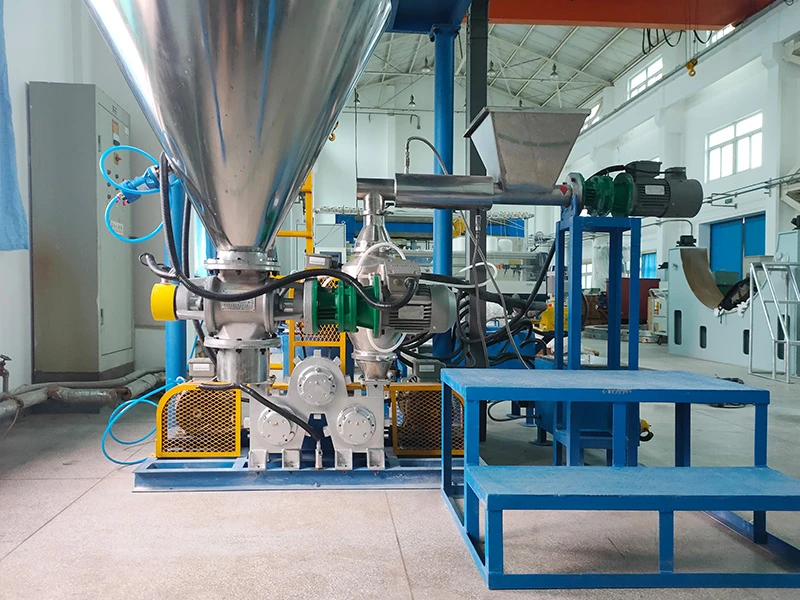
The Three-Roller Coating Machine is a continuous powder surface coating system engineered based on German technology. It achieves powder surface modification by altering the internal vortex through three rotating rotors. The machine consists of three mixing rooms where high-speed rotation creates intense vortex flow, allowing powder and coating agents to mix thoroughly in gas-solid vortex streams.
Key features include mature technology with low investment, suitability for stearic acid coating, and self-friction heat generation that eliminates the need for external heating devices, reducing auxiliary equipment and operating costs. The system handles powders ranging from 325 to 3000 mesh, with power options from 11kW to 225kW and a maximum output of 6t/h. It is suitable for a wide range of materials including calcium carbonate, kaolin, talc, mica, graphite, barium sulfate, and various oxide powders, and works with multiple coating agents such as aluminate, titanate, and silane coupling agents, as well as stearic acid. The automatic temperature control system ensures stable processing conditions, while the entire system operates under negative pressure for dust-free operation.
Learn more: Three-Roller Coating Machine
Turbo Mill Coating Machine
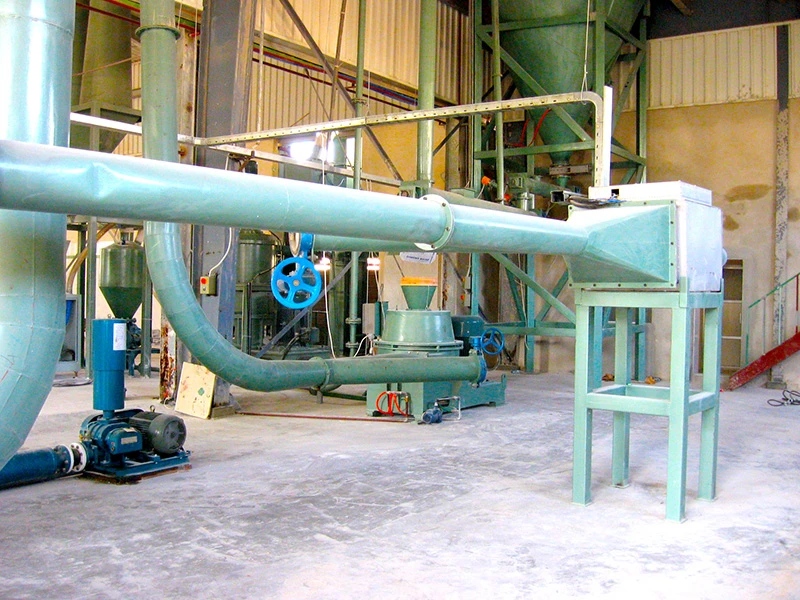
The Turbo Mill Coating Machine is part of Epic Powder’s independently developed UCOAT series of continuous modification equipment, combining advanced domestic and international powder modification technologies. This machine integrates fine grinding, drying, and surface coating into one continuous, energy-efficient process. The system is composed of a frame, body, stator, rotor, filling hopper, bearing seat, and motor. Mineral powder is fed from the top, pre-crushed by the rotor, and then enters the comminution zone between the stator and rotor. Under centrifugal force and suction, materials impact the blade edges at high speed and collide with each other repeatedly to achieve ultrafine grinding.
The modification rate reaches up to 99% with stable product quality. The machine features high rotational speed, long service life, convenient maintenance, and high crushing efficiency. It is particularly well-suited for heavy calcium carbonate, which has become one of the primary modified powders processed by this equipment due to its energy-saving, green, and environmentally friendly characteristics. Models are available with motor power ranging from 22kW to 132kW, handling fineness from 50 to 2500 mesh.
Learn more: Turbo Mill Coating Machine
Pin Mill Coating Machine
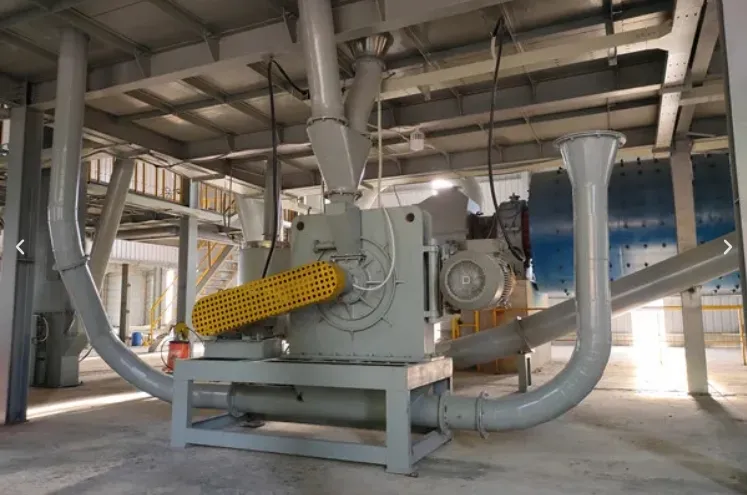
The Pin Mill Coating Machine is a fine impact mill with two driven pin discs that can operate in counter-rotating mode, achieving much higher relative speeds than single-disc mills. Epic Powder’s proprietary injector design achieves a high degree of atomization of the coating fluid, while the high tip speeds produced by the counter-rotating pin disks generate the shear forces required for proper dispersion and uniform coating. With linear speeds up to 240 m/s, the machine subjects materials to high-speed impact, shear, and friction, leading to full dispersion and complete powder modification.
The pin mill coating system consumes less power and fluid than any other method currently in use. It provides a continuous coating process and is particularly popular in European and American markets. The fineness can be adjusted by altering the pin disc speeds, and the wide-chamber housing design allows even moist, greasy, and sticky products to be processed effectively. Each coating system is custom designed for the specific application and includes all auxiliary equipment.
Learn more: Pin Mill Coating Machine
Conclusion
Epic Powder specializes in providing tailored solutions for modifying quartz powder. Through our advanced surface modification technology, we help optimize resin usage, enhance material performance, and support the sustainable production of artificial quartz stone products. By reducing resin content and improving dispersion, we enable better physical properties and cost efficiency for manufacturers, contributing to the growth of greener, more environmentally-friendly materials in the industry.

“Thanks for reading. I hope my article helps. Please leave a comment down below. You may also contact EPIC Powder online customer representative Zelda for any further inquiries.”
— Jason Wang, Engineer