
Einführung in das Strahlfräsen bei der Herstellung von Natriumbatteriekathoden
Die rasante Industrialisierung der Natriumionen-Batterietechnologie erfordert fortschrittliche Pulververarbeitungstechniken. Unter diesen erweist sich das Strahlmahlen als optimale Lösung zur Mikronisierung und Veredelung von Kathodenmaterialien gemäß industrieller Spezifikationen.

Die wachsende Bedeutung von Natriumionen-Batteriekathoden
Da sich die Nachfrage nach Energiespeichern hin zu kostengünstigen und reichlich vorhandenen Alternativen zu Lithium verlagert, erlebt der Markt für Natriumionenbatterien ein explosionsartiges Wachstum. Um eine wettbewerbsfähige Energiedichte und Langzeitstabilität zu erreichen, sind hochreine, extrem konsistente Kathodenpulver erforderlich. Präzises Pulvermahlen ist der grundlegende Schritt, der die endgültige elektrochemische Qualität dieser Aktivmaterialien direkt bestimmt.
Warum die Reduzierung der Partikelgröße für die Kathodenleistung wichtig ist
Die Partikeltechnik auf Mikroebene ist unerlässlich, um das volle Potenzial von Natriumkathodenmaterialien auszuschöpfen. Die Reduzierung der Partikelgröße beeinflusst direkt die strukturelle Integrität und die Batteriekinetik:
Beschleunigte Natriumionendiffusion: Kürzere Diffusionswege verbessern die Lade- und Entladeraten sowie den Betrieb bei niedrigen Temperaturen erheblich.
Höhere Schüttdichte: Die optimierte D50-Partikelgröße und die enge Partikelgrößenverteilung ermöglichen eine dichtere Packung und erhöhen so die volumetrische Energiedichte.
Überragende Schlammgleichmäßigkeit: Feine, entklumpte Partikel verbessern die Viskosität der Kathodensuspension und gewährleisten so eine glatte und fehlerfreie Stromkollektorbeschichtung.
Funktionsprinzip der Strahlmahlung bei der Vermahlung ultrafeiner Pulver
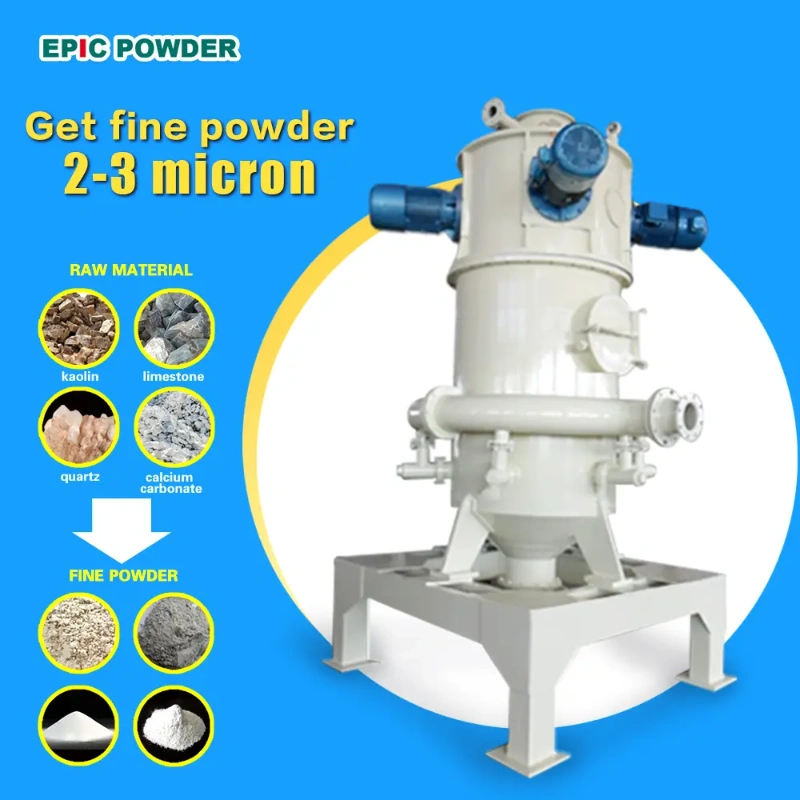
Beim Strahlfräsen wird die kinetische Energie unter hohem Druck genutzt, um Folgendes zu erreichen: kontaminationsfreies Mahlen von empfindlichen Batteriematerialien ohne mechanische Mahlmedien.
Wirbelschicht-Strahlmühlensystem: Hochgeschwindigkeitsströme aus Druckluft oder Inertgas beschleunigen grobe Aufgabepartikel und führen zu heftigen Partikel-auf-Partikel-Kollisionen.
Keine metallische Kontamination: Da die Partikel an sich selbst brechen, anstatt auf schwere Stahlkörper zu treffen, bleibt die Materialreinheit völlig unbeeinträchtigt.
Integrierte Präzisionsklassifizierung: Ein dynamischer Inline-Windsichter trennt kontinuierlich ultrafeine Partikel in der gewünschten Größe ab, während übergroße Granulate zur exakten Größenkontrolle in die Mahlzone zurückgeführt werden.
Wichtigste Vorteile des Strahlfräsens für Natriumkathodenmaterialien
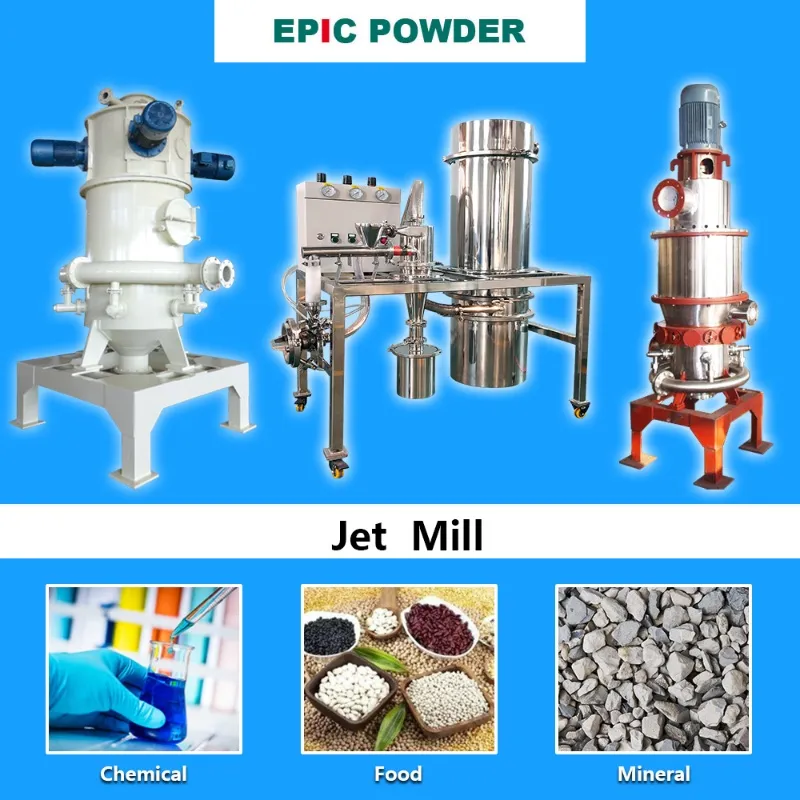
Bereitstellung Strahlfräsen für Natriumbatteriekathoden Das Verfahren bietet deutliche mechanische und elektrochemische Vorteile gegenüber dem herkömmlichen Mahlen. Durch den Einsatz von Hochgeschwindigkeitsgasströmen anstelle von physikalischen Mahlkörpern erzielen wir eine außergewöhnliche Pulverqualität bei gleichzeitigem Schutz empfindlicher Kristallstrukturen.
Kontaminationsfreie Ultrafeinmikronisierung
Hochleistungsfähige Natriumionen-Batteriekathoden erfordern höchste Materialreinheit. Herkömmliche Mahlverfahren basieren auf schweren Mahlkörpern, die sich mit der Zeit abnutzen und metallische Verunreinigungen in das Aktivmaterial einbringen. Wir verwenden ein Fließbettstrahlmühle um wahrhaftig zu erreichen kontaminationsfreies Mahlen. Da die Partikel-auf-Partikel-Kollision die Größenreduzierung bewirkt, ist diese Methode ideal für die Nachkalzinierung. Zerkleinern von Sinterpulver ohne die Einbringung fremder Verunreinigungen.
Präzise Partikelgrößenverteilungskontrolle (PSD)
Erreichen eines optimalen Partikelgrößenverteilung ist für eine hohe Schüttdichte und die Herstellung einer glatten Elektrodensuspension unerlässlich. Integrierte dynamische Windsichter ermöglichen uns die exakte Kontrolle über die D50 Partikelgröße, Dadurch wird ein Übermahlen vermieden und unerwünschte Feinstpartikel reduziert.
Enge PSD-Grenzen: Gewährleistet eine gleichmäßige Partikelpackung und optimale Elektrolytbenetzung.
Schärfere Trennlinien: Entfernt übergroße, grobe Körner, die die Konsistenz der Elektrodenbeschichtung beeinträchtigen.
Wiederholbare Qualität: Gewährleistet gleichbleibende Pulverspezifikationen von Charge zu Charge für die Massenproduktion.
Kühle Mahlvorgänge zum Schutz empfindlicher Verbindungen
Natriumkathoden können bei aggressivem mechanischem Mahlen zu thermischer Zersetzung neigen. Durch die Expansion des komprimierten Gases aus den Düsen entsteht ein natürlicher Kühleffekt im Mahlraum. Welche Vorteile bietet die Verwendung einer Strahlmühle für wärmeempfindliche Materialien? zeigt, warum Kaltvermahlung für temperaturempfindliche Verbindungen unerlässlich ist. Sie erhält die empfindliche chemische Struktur von Materialien wie NFPP-Kathodenmaterial Und Natriumeisenphosphat, um Phasenumwandlungen oder thermische Zersetzung während des Feinmahlens zu verhindern.
Skalierbarkeit für die industrielle Massenproduktion
Die Skalierung der Natriumbatterieproduktion vom Labormaßstab bis hin zu Gigawattstunden-Fabriken erfordert zuverlässige Anlagen mit hoher Kapazität. Strahlfrässysteme lassen sich nahtlos skalieren, um den kontinuierlichen industriellen Bedarf zu decken und gleichzeitig eine präzise Prozesssteuerung zu gewährleisten.
Industrieller Nutzen: Auswirkungen auf die Kathodenproduktion
Kontinuierliche Verarbeitung: Gewährleistet eine unterbrechungsfreie, hohe Pulverfördermenge bei minimalen Ausfallzeiten.
Keine Medienwartung: Erspart zeitaufwändige Medienwechsel und verschleißbedingte Reinigungsroutinen.
Automatisierte Steuerung: Ermöglicht die Echtzeit-Anpassung von Gasdruck und Klassierergeschwindigkeit für eine sofortige Qualitätsoptimierung.
Natriumkathodenmaterialien, verarbeitet durch Strahlfräsen
Unterschiedliche Kathodenmaterialien für Natriumionenbatterien stellen spezifische mechanische und chemische Herausforderungen dar. Wir passen unsere Strahlmahlanlagen so an, dass diese unterschiedlichen Pulverstrukturen verarbeitet werden können, ohne die strukturelle Integrität oder die elektrochemische Leistung zu beeinträchtigen.
Geschichtete Übergangsmetalloxide
Schichtoxide weisen eine hohe Energiedichte auf, ihre Strukturen sind jedoch anfällig für starke Scherkräfte und die Luftfeuchtigkeit.
Durch Kollisionen mit Fluidenergie werden harte Agglomerate, die sich bei der Hochtemperaturkalzinierung gebildet haben, schonend aufgebrochen. Wir streben eine enge D50-Partikelgröße an, um die Packungsdichte zu optimieren und eine gleichmäßige Beschichtung der Elektrodensuspension zu gewährleisten.
Das Verständnis des Strahlfräsens und seiner Vorteile verdeutlicht, warum das Druckluftschleifen die lokale Reibungswärme verhindert, die Kristallgitter schädigt.
Polyanionische Verbindungen
Polyanionische MaterialienMaterialien wie Natriumeisenphosphat und NFPP-Kathodenmaterialien bieten zwar eine ausgezeichnete strukturelle Stabilität, ihre geringe elektronische Leitfähigkeit erfordert jedoch extrem feine Pulverpartikel.
Maximierung des Ionentransports: Durch die Mikronisierung einer polyanionischen Kathode wird die spezifische Oberfläche vergrößert, wodurch die Diffusionsgeschwindigkeit der Natriumionen beschleunigt wird.
Erhaltung der Reinheit: Durch den Einsatz von Präzisions-Jet-Milling-Technologie für hochreine Batteriematerialien wird ein kontaminationsfreies Mahlen gewährleistet und Eisen- oder metallische Abriebpartikel, die zu Kurzschlüssen in der Batterie führen können, werden vermieden.
Optimiertes Trockenmahlen: Gewährleistet eine strenge Partikelgrößenverteilung ohne Einbringen von flüssigen Lösungsmitteln oder chemischen Verunreinigungen.
Preußischblau-Analoga
Preußischblau-Analoga (PBAs) besitzen ein offenes kubisches Gerüst, das sich ideal für die schnelle Natriuminterkalation eignet, sind aber mechanisch fragil und empfindlich gegenüber Hitze.
Kühlbetrieb: Das expandierende Gas in einer Wirbelschicht-Strahlmühle senkt die Verarbeitungstemperaturen und schützt so das Porenwasser und die Stabilität der Struktur.
Schonende Entaggregation: Entklumpt feine Primärpartikel, ohne die essentielle poröse Kristallstruktur zu zerstören.
Verbesserte Schlammmischung: Gleichmäßige, mikronisierte PBA-Pulver dispergieren gleichmäßig in Suspensionen, was die Leistungsfähigkeit und die Zyklenstabilität erhöht.
Optimierung der Pulvermorphologie und der elektrochemischen Leistung
Bei der Anwendung des Strahlmahlverfahrens zur Herstellung von Natriumbatteriekathoden liegt unser Hauptaugenmerk auf der Optimierung der Partikelstruktur, um eine maximale elektrochemische Effizienz zu erzielen. Die korrekte physikalische Bearbeitung bestimmt direkt, wie effektiv Natriumionen während des Schnellladens und -entladens in die Wirtsstruktur ein- und austreten.
Deagglomeration und Partikelformkontrolle
Bei der Hochtemperatursynthese verklumpen die Kathodenvorstufen üblicherweise stark. Wir nutzen die Wirbelschicht-Strahlmühle, um das Sinterpulver schonend zu zerkleinern und gezielt zu entklumpen.
Erhaltung der Korngrenzen: Durch Hochgeschwindigkeitskollisionen zwischen Partikeln werden sekundäre Agglomerate auseinandergebrochen, ohne dass einzelne primäre Kristallkörner zerbrechen.
Morphologische Glättung: Durch kontrollierte Luftstrahlaufpralle werden raue, unregelmäßige Kanten abgerundet, wodurch glattere, pseudo-sphärische Partikel entstehen.
Verbesserte Rheologie von Suspensionen: Gleichmäßige, abgerundete Partikel reduzieren den Bindemittelbedarf und senken die Viskosität der Suspension, wodurch eine gleichmäßige Hochgeschwindigkeitsbeschichtung auf Stromabnehmern ermöglicht wird.
Steuerung der spezifischen Oberfläche und der Schüttdichte
Das richtige Verhältnis zwischen spezifischer Oberfläche (BET) und Schüttdichte ist entscheidend für den Bau von Natriumionen-Batteriezellen in kommerzieller Qualität mit hoher volumetrischer Energiedichte.
Geräteauswahl und Zukunftstrends beim Strahlfräsen
Schlüsselfaktoren für die Auswahl von Strahlfrässystemen
Die Wahl der richtigen Maschinen ist entscheidend für den Erfolg Ihrer Natriumionenbatterie-Kathodenlinie. Vor der Produktionsausweitung sollte die Eignung des Materials für das Strahlmahlen geprüft werden, um sicherzustellen, dass die Zerkleinerung des Rohmaterials oder des Sinterpulvers den Zielvorgaben entspricht, ohne die Produktreinheit zu beeinträchtigen.
Dies sind die wichtigsten Variablen, auf die wir uns bei der Bewertung von Systemen zur Natriumkathodenproduktion konzentrieren:
Zielpartikelgrößenverteilung (PSD): Erreichen einer engen D50-Partikelgröße (typischerweise 2 bis 6 Mikrometer) bei gleichzeitiger Eliminierung grober, übergroßer Körner.
Luftverbrauch & Energieeffizienz: Strahlmühlen benötigen erhebliche Mengen an komprimiertem Gas; die Auswahl hocheffizienter Düsenkonstruktionen senkt die Energiekosten pro Tonne. Abrieb- und Kontaminationskontrolle: Keramische Auskleidungen (Siliziumnitrid, Zirkonoxid oder Aluminiumoxid) verhindern metallischen Verschleiß, der die Batteriesicherheit gefährden kann.
Gasatmosphäre: Geschlossene Stickstoffkreisläufe sind für feuchtigkeitsempfindliche Natriumverbindungen wie NFPP-Kathodenmaterial und Polyanionen unerlässlich.
Für detailliertere technische Kriterien zur Dimensionierung und Hardwareauswahl konsultieren Sie unsere Analyse der Luftstrahlmühlentechnologie und Geräteauswahl.
Integration mit automatisierten Massenproduktionslinien
Die Fertigung moderner Gigafactorys erfordert einen nahtlosen, kontinuierlichen Betrieb. Wir entwickeln Systeme, die Wirbelschicht-Strahlmühlen direkt in vollautomatisierte Produktionskreisläufe integrieren:
Geschlossener pneumatischer Transfer: Die direkte Zufuhr über Rohrleitungen von den Kalzinierungsöfen zu den Aufgabetrichtern der Mahlanlage minimiert den Kontakt mit der Umgebungsfeuchtigkeit und -luft.
Automatisierte Dosierung: Die gravimetrische Dosiertechnik gewährleistet konstante Fördermengen, um einen stabilen Mahldruck und eine gleichmäßige Partikelgrößenverteilung zu erzielen.
SPS- und SCADA-Steuerung: Die Echtzeitüberwachung von Gasdruck, Sauerstoffgehalt, Umgebungsfeuchtigkeit und Drehzahl des Klassierers gewährleistet eine gleichbleibende Qualität von Charge zu Charge.
Episches Pulver
Bei Episches Pulver, Wir verstehen uns als mehr als nur ein Mühlenlieferant. Jahrzehntelange praktische Erfahrung in der Batteriematerialverarbeitung hat uns gelehrt, dass erfolgreiches Pulver-Engineering eine systemweite Herausforderung darstellt. Deshalb bieten wir Versuche im Labormaßstab bis hin zu Produktionslinien mit GWh-Kapazität an – mit umfassender Unterstützung bei Inbetriebnahme, Prozessoptimierung und schneller Ersatzteilversorgung. Letztendlich geht es beim Strahlmahlen darum, die Partikelqualität Charge für Charge konstant zu verbessern, ohne Kompromisse bei Reinheit oder Sicherheit einzugehen.
Falls Sie aktuell Probleme mit Metallverunreinigungen, instabiler Partikelgrößenverteilung oder unzureichender Leistungsfähigkeit bei der Herstellung Ihrer Natriumkathoden haben, laden wir Sie ein, unsere Technologie zu testen. Wir bieten kostenlose Materialproben an: Senden Sie uns Ihre Probe, wir vermahlen sie, analysieren die Partikelgrößenverteilung und erstellen einen vollständigen Reinheitsbericht. So können Sie auf einfache und datenbasierte Weise erkennen, wie präzises Strahlmahlen Ihre elektrochemische Leistung steigern kann.
Kontaktieren Sie noch heute unsere Prozessspezialisten:
🌐 www.epicmilling.com
📞 +86 1576 2272 120
✉️ [email protected]

“Vielen Dank fürs Lesen. Ich hoffe, mein Artikel war hilfreich. Hinterlassen Sie gerne einen Kommentar. Sie können sich auch an den Online-Kundendienst von EPIC Powder wenden. Zelda ”Für weitere Fragen.“
— Jason Wang, Ingenieur