
Gips hat ein breites Anwendungsspektrum und einen hohen Wert.

Gypsum, a seemingly ordinary mineral, actually has extremely rich and diverse application fields. Applications of gypsum: It is a monoclinic mineral. Its main chemical is calcium sulfate (CaSO4). This mineral is widely found in nature. However, it is such a mineral that has played a pivotal role in the process of human civilization. Gypsum’s history […]
Quarzsand hat 18 Hauptanwendungsgebiete. Wie viele davon kennen Sie?
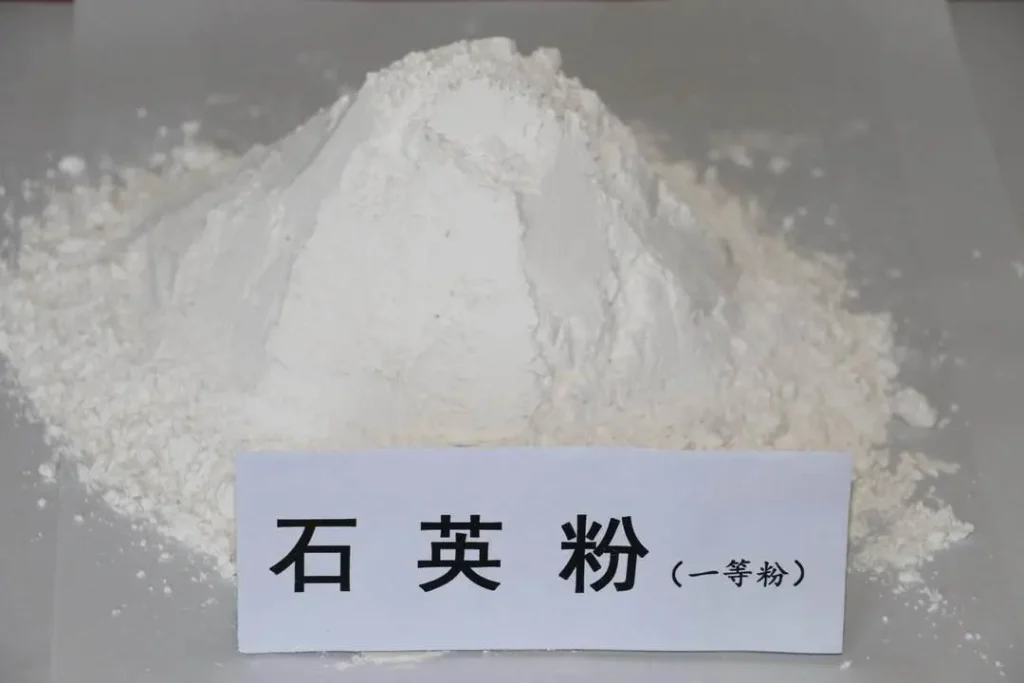
Quartz sand is a key industrial mineral. It is widely used in water treatment. It is also used in glass, ceramics, and metallurgy. It is also used in fillers, superhard materials, chemicals, and petroleum. It is used in glass fiber, calcium silicate board, and photovoltaics. It is also used in semiconductors, lighting, fiber optics, aerospace, […]
Welche fünf Oberflächenmodifikatoren werden üblicherweise für Calciumcarbonat verwendet?
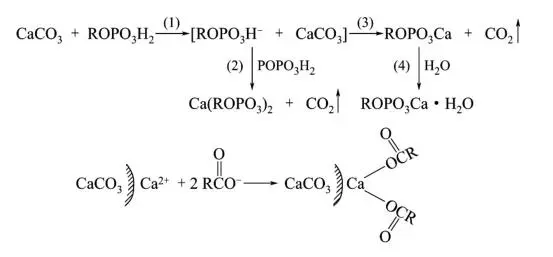
Calcium carbonate is a water-loving inorganic compound. It has many hydroxyl structures on its surface. It has little affinity for organic polymers. It forms aggregates easily but disperses unevenly within them. This creates defects at the interfaces between composite materials. Direct application has poor results. These flaws become more obvious as the filling amount increases. […]
Wie viel wissen Sie über “Teilchendichte”?

Density is a crucial characteristic of powders (particles). It is widely used to evaluate the fluidity and compressibility of particles. This greatly impacts all parts of making drugs. For example, early product design depends on drug particle density. So do equipment selection and accessories. Specific drugs need the right disks and needles. They are used […]
Wie können wir die Pigmentpartikel nach der Dispersion in einem stabilen dispergierten Zustand halten?
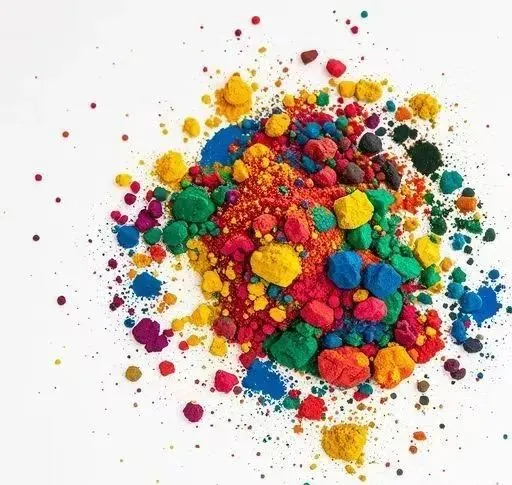
Pigment dispersion is the key to creating coatings. External forces cause the pigment to become fine particles. Then, it spreads evenly in the continuous phase to create a stable suspension. It requires resins, pigments, and solvents to function properly. It also requires a wetting dispersant. Dispersants improve dispersion and storage. It prevents pigment from settling […]
Wie kann man die Beizwirkung von Quarzsand verbessern und eine Vergilbung verhindern?
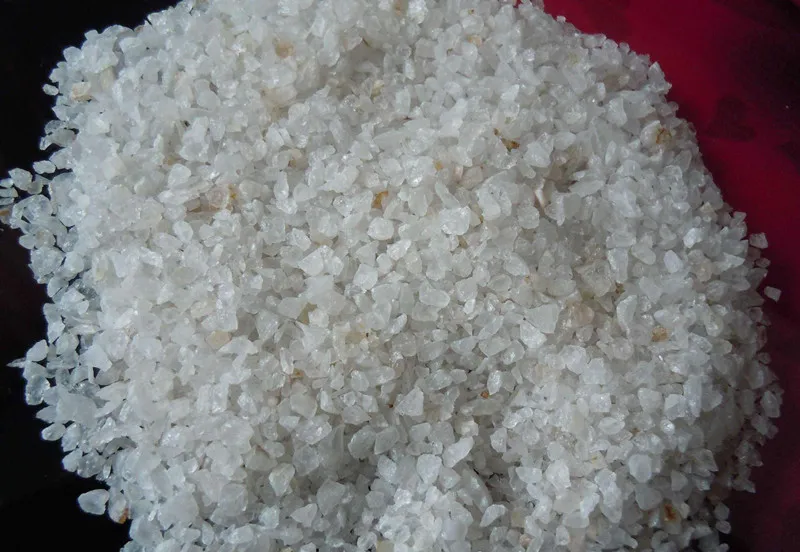
High-purity quartz sand processing requires pickling. This is accurate under current mineral processing conditions. Pickling has various effects and functions. These are difficult to replace with water washing, flotation, or other methods. It can remove impurities. They are located on the surface of quartz sand particles. They are formed as inclusions or embedded within particles. […]
Welche Pulver erfordern eine Oberflächenmodifizierung?
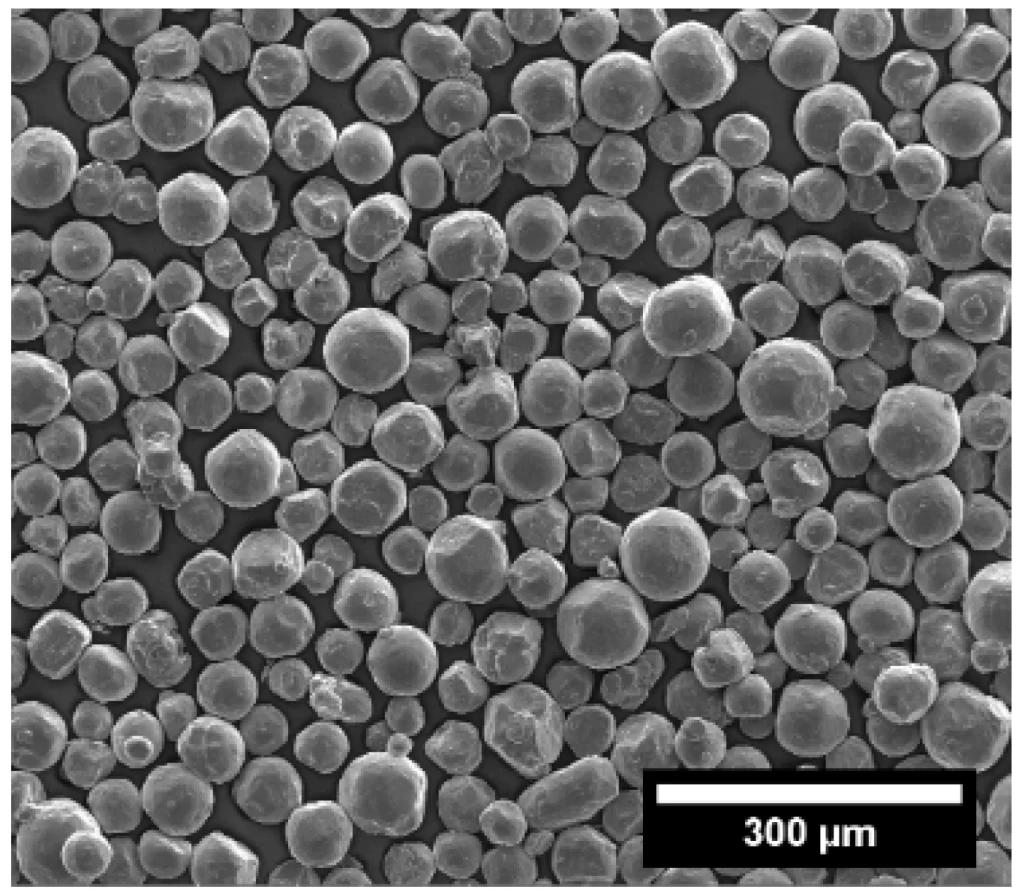
High-end powders that require surface modification are mainly inorganic powders and ultrafine powders. Here are specific examples and why: Inorganic powder Porous silica and silica powder are inorganic powders. They can increase their surface hydroxyl through surface modification. This enhances the hydration effect of the powder. It enhances their strength and is compatible with composites. […]
Sandmühle VS Kugelmühle, Strahlmühle!
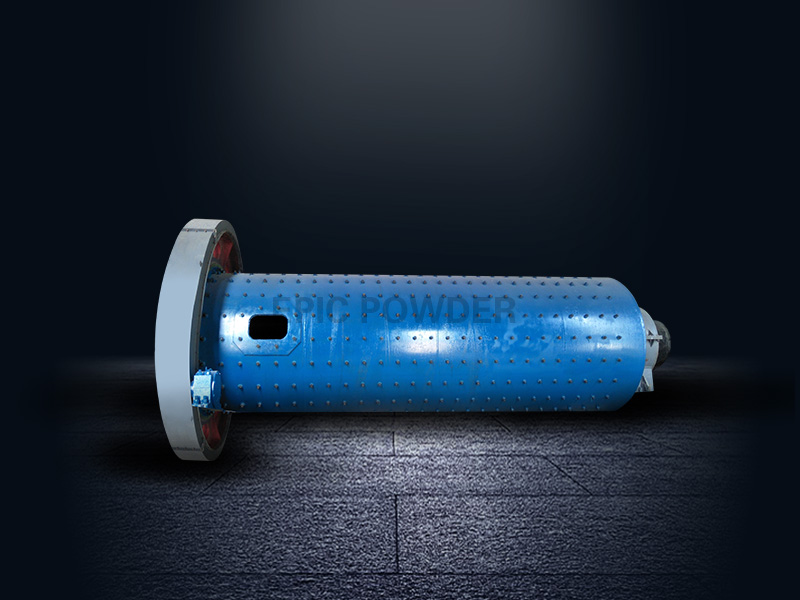
The sand mill works by stirring together the grinding medium and the material. This is done by the high-speed rotating dispersion disc in a fixed cylinder. It causes strong shearing, scraping, and collisions. They are between the solid particles and the grinding medium. This achieves crushing, grinding, and dispersion. Sand mills can be divided into […]
Experimentelle Analyse der Form von nadelförmigem Wollastonitpulver, das in einer Strahlmühle hergestellt wird
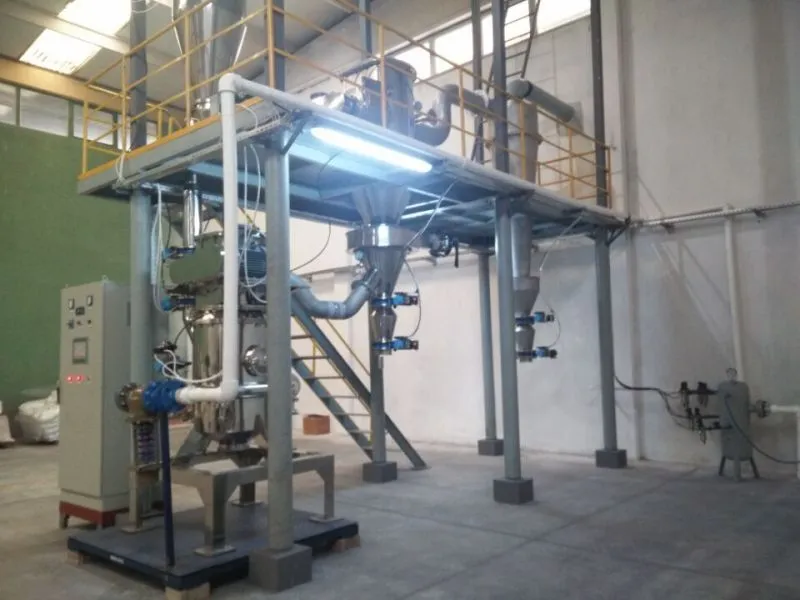
Wollastonite is a mineral. It is calcium metasilicate. It belongs to the Triiclinic crystal system. Its chemical formula is CaO48.3% and SiO251.7%. Natural wollastonite is usually needle-shaped. It forms radial, fibrous aggregates and more. Wollastonite is non-toxic. It has low oil absorption and is cheap. It has a needle-like shape. It is often used as […]