
How is Stearic Acid Surface Modified Calcium Carbonate Made?
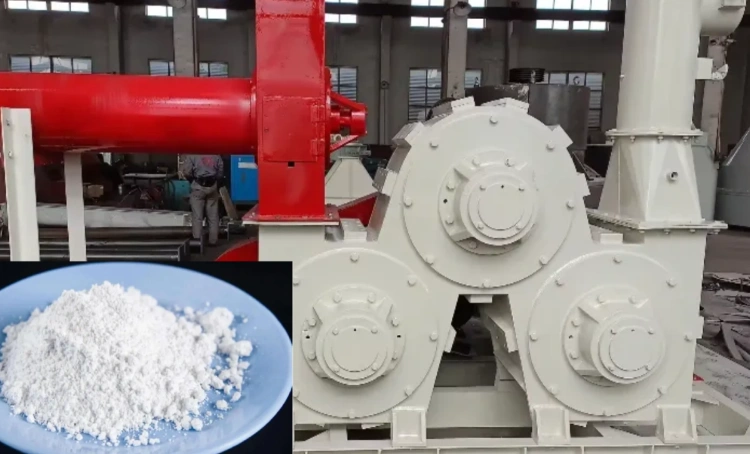
Stearic Acid Surface Modified Calcium Carbonate is widely used in various industries, especially plastics, rubber, coatings, and adhesives. Its primary role is to enhance the dispersion and compatibility of calcium carbonate in composite materials, thereby improving performance. The stearic acid molecule has both hydrophilic and hydrophobic segments. The hydrophilic group interacts physically and chemically with […]
Was ist poröses Calciumcarbonat und wofür wird es verwendet?
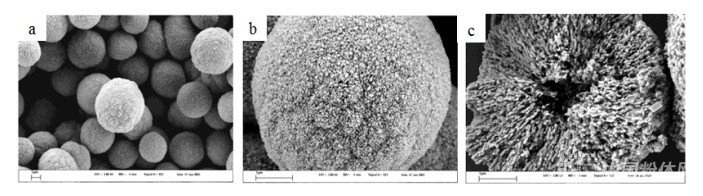
Porous calcium carbonate (CaCO3) particles are gaining attention for use in chromatography, biomolecule loading, and pharmaceuticals release. They are also applied in biomimetic minerals and superhydrophobic surface construction. Preparation Technology of Porous Calcium Carbonate The template method has become the main approach for preparing porous calcium carbonate.Surfactants, polymers, and natural plant components are used as […]
Modifiziertes Wollastonit: Hoher Wert und hohe Effizienz

Wollastonite is a fibrous silicate mineral with a needle-like structure and high whiteness. It has a low coefficient of thermal expansion, excellent chemical stability, and flame-retardant properties. It also has high electrical insulation, making it suitable for various applications. However, natural wollastonite is hydrophilic. To enhance resource utilization and add value, modified wollastonite is necessary. […]
Was sind Mineralpuder in Kosmetika?
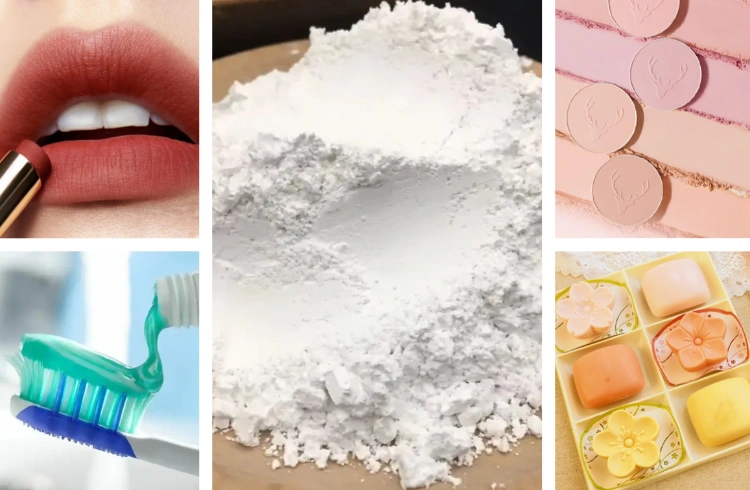
Mineral powders are increasingly used in cosmetics, such as pigment powders, white powders, filler powders, and pearl powders. Pigment powders adjust the color of cosmetics.White powders provide coverage, whitening, and UV blocking. Filler powders regulate product spreadability, adsorption, skin adhesion, texture, and active ingredient loading. Pearl powders enhance product gloss and texture. Physical Powder – […]
Was sind die Hauptanwendungsgebiete von Kalkstein?
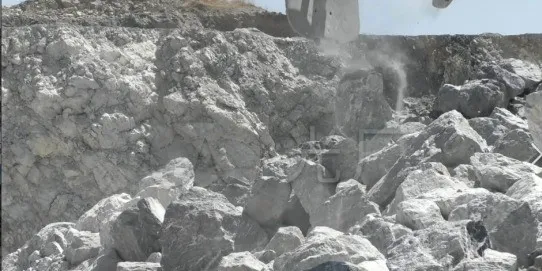
Limestone, also known as “Qing Stone” or “Gray Rock,” is a mineral aggregate primarily composed of calcite. It often contains dolomite, magnesite, and other carbonate minerals. The chemical composition of pure limestone is close to the theoretical composition of CaCO3, with CaO accounting for 56.04% and CO2 for 43.97%. Limestone is a common non-metallic mineral […]
Kugelmühle für Pulver
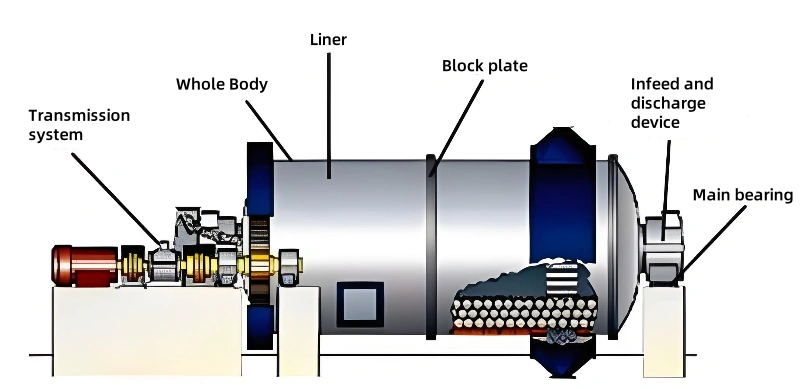
Ball mill is a key equipment for crushing materials after they are broken. Ball mill for powders is one of the high-fine grinding machines widely used in industrial production. It is suitable for grinding various ores and other materials. It is widely used in mineral processing, building materials, and chemical industries. Why is it Called […]
Anlagen zur Verarbeitung von hochkalziumhaltigen Ultrafeinstoffen
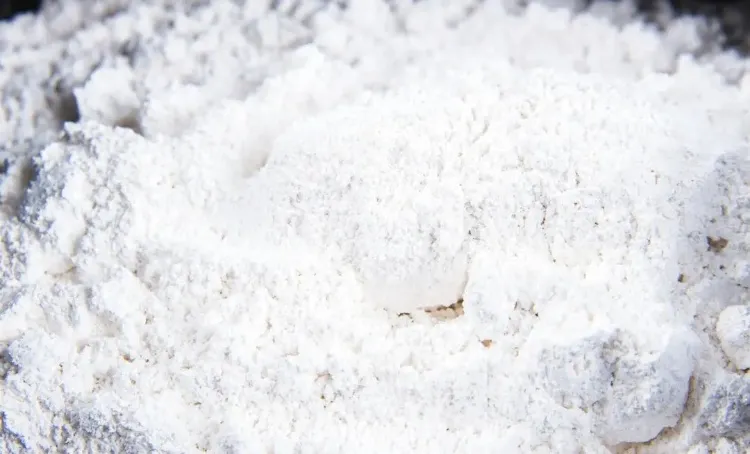
There are many types of heavy calcium ultrafine processing equipment. They work with ultrafine classifiers to form ultrafine processing systems. These systems can generally achieve ultrafine production results. Currently, the mainstream demand in the calcium market is 600-1500 mesh heavy calcium products. The added value of heavy calcium products is low (compared to talc, barytes, […]
Welche Herstellungstechnologie wird für Barytpulver verwendet?
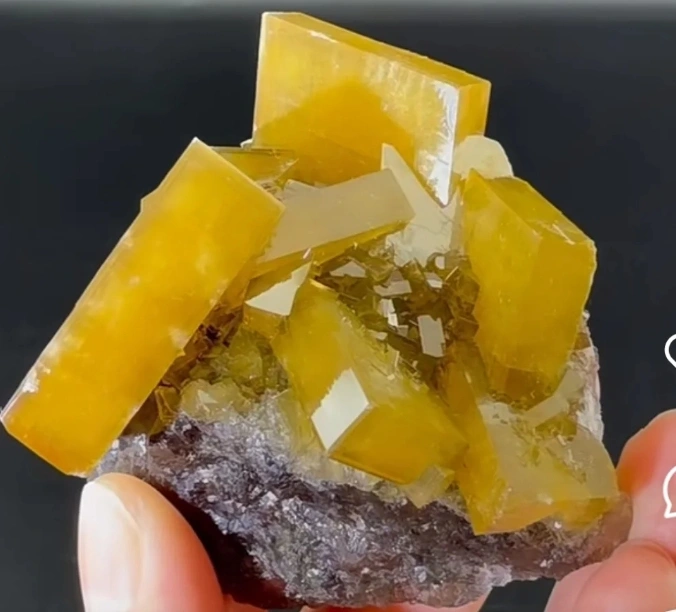
Barite powder is derived from the mineral barite, composed of barium sulfate (BaSO₄). It forms in low-temperature hydrothermal veins and sedimentary rocks. The chemical composition includes 65.7% BaO and 34.3% SO₃. Substitutions of Sr, Pb, and Ca can also occur in its structure. Barite powder typically appears as plate-like, granular, fibrous aggregates, and crystal clusters. […]
Luftstrahlmühlentechnologie: Die bevorzugte Wahl für die Herstellung ultrafeiner Pulver.
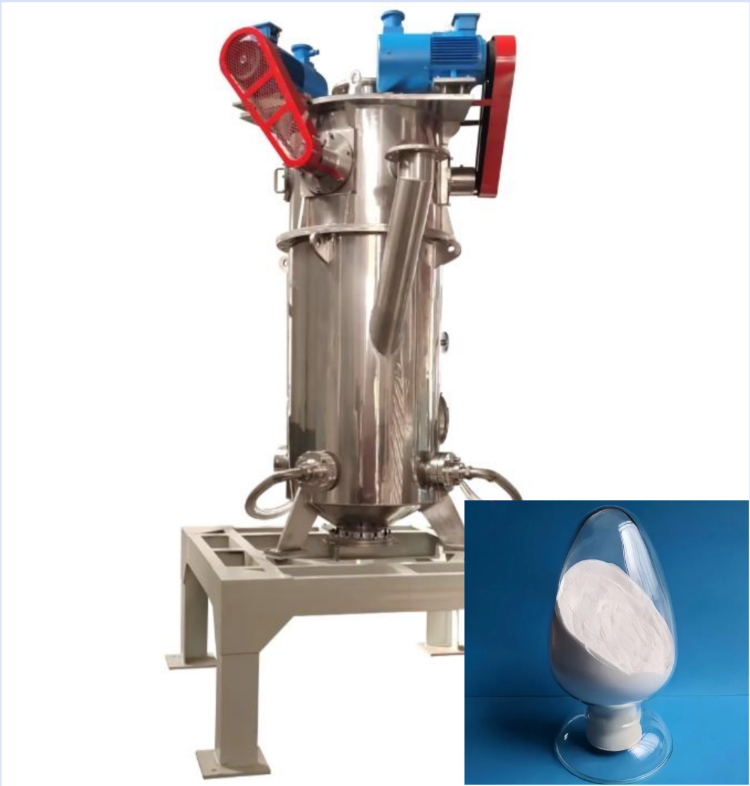
Ultrafine powders are typically defined as powders with a particle size of less than 10μm. With the advancement of science and technology, many industries require solid materials in powder form.The powders needed must have small particle sizes, high purity, and no impurities. There are also specific requirements for the powder’s particle size distribution. As a […]