
Plastik modifikasyonu ve uygun maliyetli formülasyonun rekabetçi dünyasında, talk pudrası çok yönlü bir inorganik malzeme olarak öne çıkmaktadır. dolgu. Üreticiler, performans ve maliyet arasında denge kurmak için plastiklerdeki optimum talk dolgu maddesi miktarını sürekli olarak araştırmaktadır. Bu makale, plastiklerdeki maksimum talk dolgu maddesi miktarını belirleyen faktörleri inceleyerek, formülatörler ve işlemciler için pratik bilgiler sunmaktadır. Ayrıca, jet frezeleme gibi doğru işleme ekipmanlarının bu sınırları nasıl daha da ileriye taşıyabileceğini de ortaya koymaktadır.
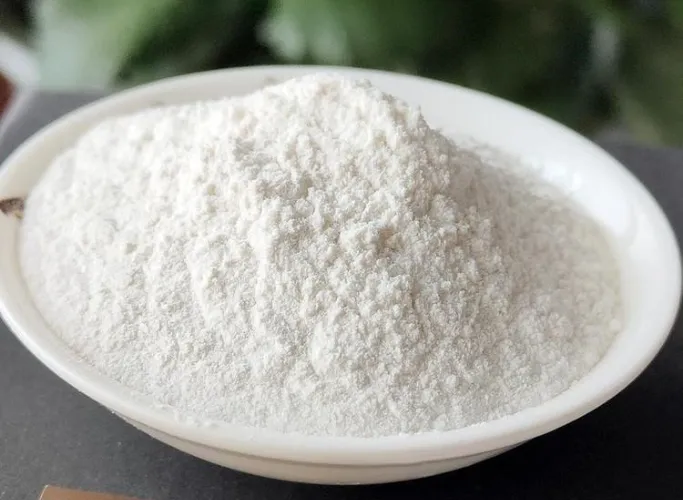
Talk dolgu maddesinin maksimum yükleme miktarı nedir?
Plastiklerdeki maksimum talk dolgu maddesi yüklemesi, nihai ürünün gerektirdiği mekanik, işleme ve estetik standartları karşılarken bir polimer matrisine dahil edilebilecek en yüksek talk ağırlık yüzdesini ifade eder. Bu değer, plastik türüne, uygulamanın performans gereksinimlerine ve talkın kalitesine göre değişir.
Örneğin, polipropilen (PP) bileşiklerinde tipik maksimum yüklemeler 20% ile 40% arasında değişir. Darbe dayanımının daha az kritik olduğu polietilen (PE) enjeksiyon kalıplama ve film uygulamalarında, yüklemeler 30% ile 50%'ye ulaşabilir. PVC profillerde ve borularda, yüklemeler genellikle 15% ile 35% arasında kalır. Bu aralıkların aşılması genellikle tokluğun azalmasına, akışkanlığın bozulmasına veya yüzey kusurlarına yol açar.
Talk Dolgu Maddesi Miktarını Etkileyen Başlıca Faktörler
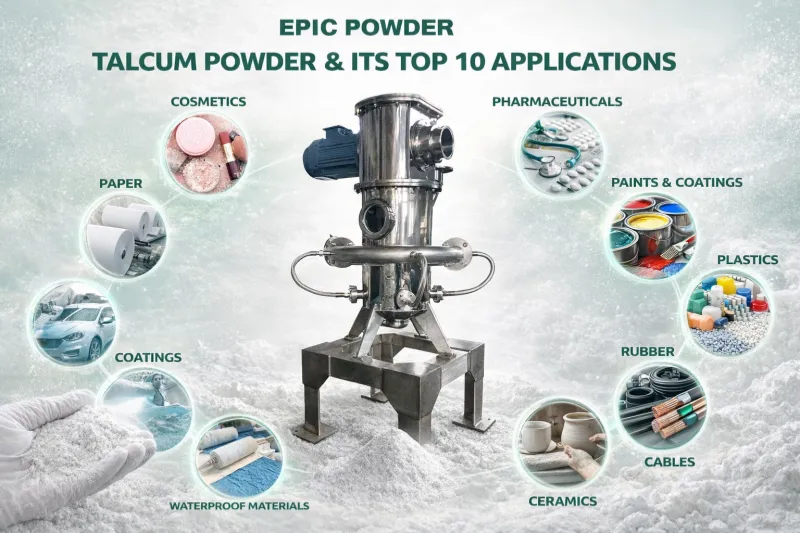
Plastiklerde talk dolgu maddesi kullanımının pratik üst sınırını belirleyen çeşitli faktörler vardır:
- Talk Kalitesi ve Yüzey İşlemi: Daha yüksek saflık, daha ince parçacık boyutu ve dar parçacık boyutu dağılımı, dağılımı artırır ve kümelenmeyi azaltarak daha yüksek yüklemelere olanak tanır. Silanlar veya titanatlarla yüzey modifikasyonu, arayüzey yapışmasını iyileştirerek, işlenmemiş talka kıyasla dolgu maddesi yükleme sınırını 10–15% artırır.
- Polimer Türü ve Son Kullanım Gereksinimleri: Yüksek rijitlik ve boyutsal kararlılık gerektiren ancak orta düzeyde darbe dayanımı isteyen uygulamalar için daha yüksek yüklemeler kabul edilebilir. Bunun aksine, yüksek darbe dayanımı gerektiren yapısal parçalar, performansı korumak için daha düşük dolgu maddesi seviyeleri gerektirir.
- İşleme Ekipmanları ve Koşulları: Güçlü kesme kuvvetine sahip çift vidalı ekstrüderler, yüksek dolgu yüklerini etkili bir şekilde dağıtabilir, ancak Gerçek tavan genellikle toz işleme aşamasında başlar.. Talk pudrasının homojenliği, aşağı akışta ne kadar iyi dağılacağını belirler.
Dolum Yüklemesinin Optimize Edilmesinin Önemi
Plastiklerde doğru talk dolgu maddesi oranını bulmak iki önemli fayda sağlar:
- Maliyet Azaltma: Talk, polimer reçinelerine göre önemli ölçüde daha ucuzdur. Dolgu maddesi içeriğinin artırılması, hammadde maliyetlerini düşürerek rekabet gücünü artırır.
- Performans Geliştirme: Uygun miktarda talk, sertliği, ısıya dayanıklılık sıcaklığını, boyutsal kararlılığı artırır ve büzülmeyi azaltır. Ayrıca petrol bazlı reçine kullanımını azaltarak sürdürülebilirliğe katkıda bulunur.
Örnek: Hassas Öğütülmüş Talk ile Dolgu Yüklemesini Artırma
Orta ölçekli bir PP bileşik üreticisi, tutarsız talk kalitesiyle ilgili zorluklarla karşılaştı ve bu durum talk dolgu maddesi kullanımını yaklaşık 22% ile sınırladı. Zayıf dağılım ve değişken darbe dayanımı sorunları yaşadılar; bu da yüksek ret oranlarına ve istikrarsız üretim maliyetlerine yol açtı.
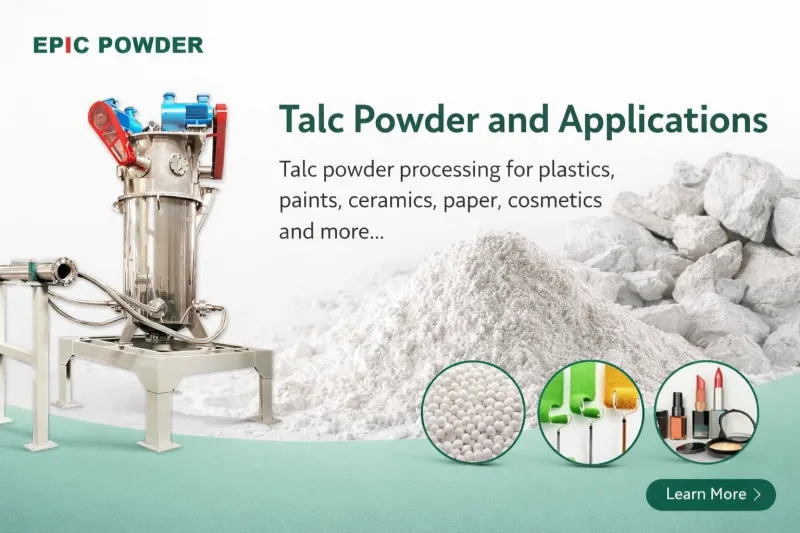
Toz işleme hatlarını modernize ederek Epic Powder'ın gelişmiş Jet Frezeleme Sistemleri Ve Hava Sınıflandırıcıları, Bu sayede, tutarlı ve istikrarlı bir parçacık boyutu dağılımı elde ettiler ve daha önce topaklanmaya neden olan iri taneli fraksiyonları ortadan kaldırdılar. Bu ekipman, yüzey modifikasyonu adımıyla birleştirildi. Bu da dolgu maddesi yüklemesini artırmalarına olanak sağladı. 32% Eğilme modülünü iyileştirirken kabul edilebilir darbe dayanımını da korur.
Sonuç şuydu: ton başına malzeme maliyetlerinde önemli bir azalma ve çok daha istikrarlı bir üretim süreci, doğru öğütme ve sınıflandırma ekipmanının talk kimyasının kendisi kadar kritik olduğunu kanıtlıyor.
Epic Powder: En İyi Dolgu Performansına Ulaşmada Ortağınız
Epic Powder olarak, plastik dolgu endüstrisine özel olarak tasarlanmış eksiksiz toz işleme çözümleri sunuyoruz. Ekipman portföyümüz şunları içerir:
- Jet değirmenleri – Parçacık boyutunun hassas bir şekilde kontrol edildiği ultra ince öğütme için.
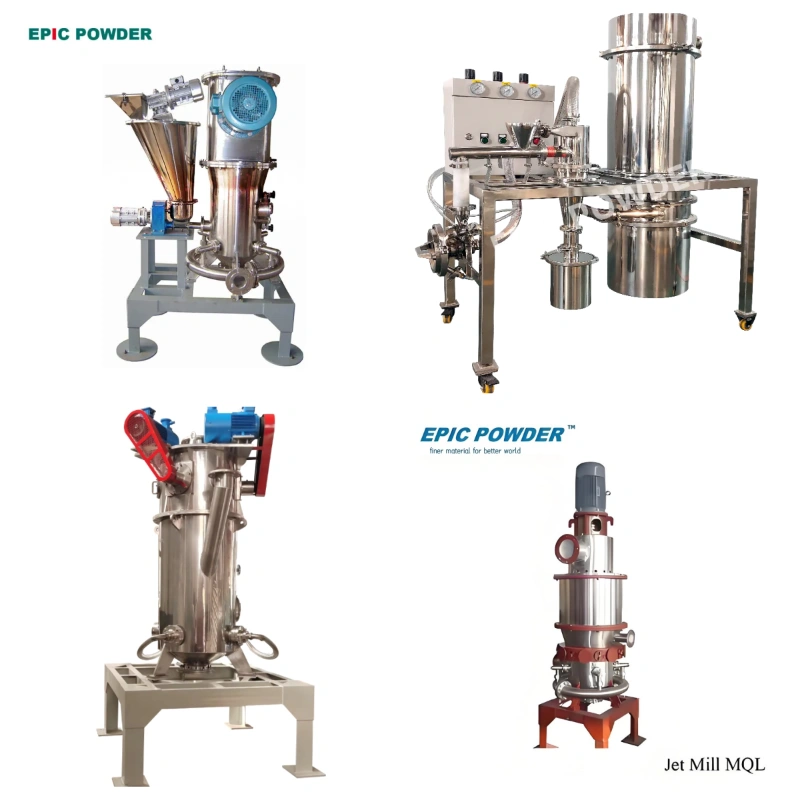
- Hava Sınıflandırıcıları – İnce tanecikleri hassas bir şekilde ayırmak ve büyük parçacıkları uzaklaştırmak için.
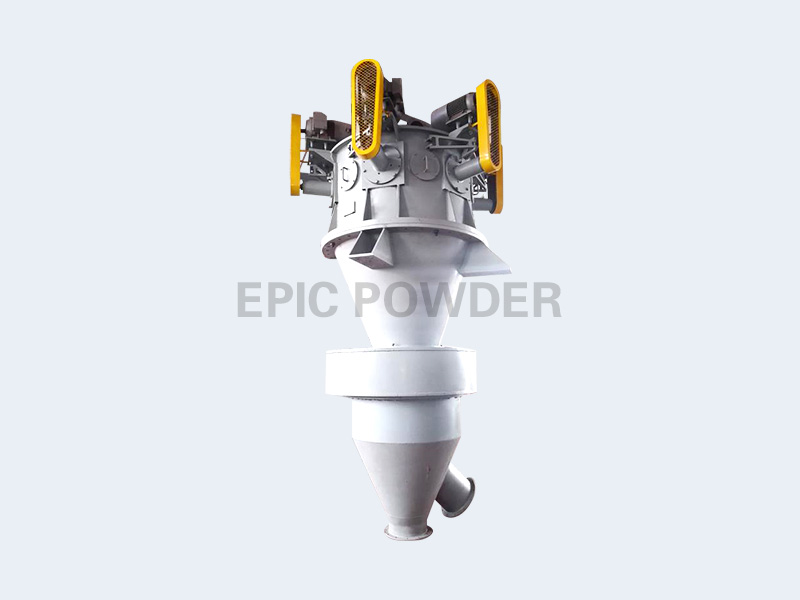
- Bilyalı Değirmenler – Yüksek kapasiteli, iri ve orta öğütme işlemleri için.
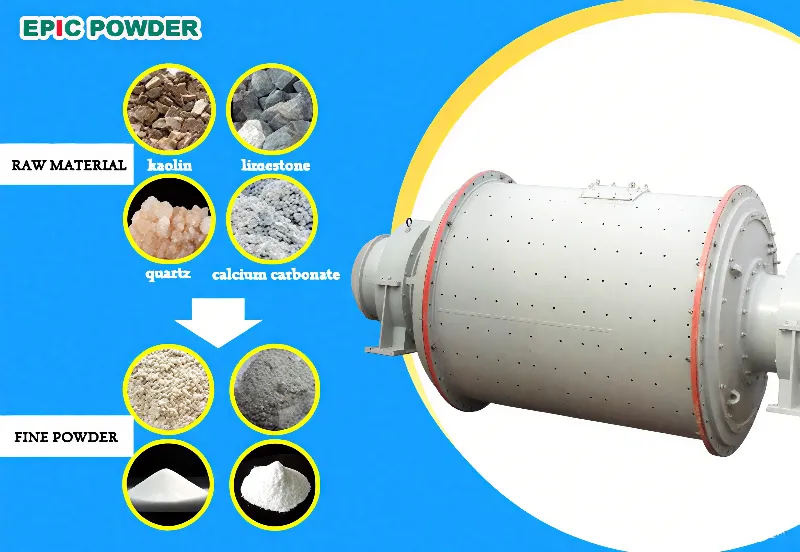
Teknolojimiz sayesinde, karıştırma hattınızda kusursuz bir şekilde dağılan, tutarlı ve yüksek kaliteli talk pudraları üretme olanağı elde edersiniz; bu da ürün bütünlüğünden ödün vermeden dolgu maddesi oranlarını artırma konusunda size güven verir.
Çözüm
Plastiklerde maksimum talk dolgu maddesi miktarı için evrensel bir cevap yoktur. Bu, polimer türüne, performans gereksinimlerine, talk kalitesine ve işleme koşullarına bağlıdır. Bununla birlikte, yüksek hassasiyetli frezeleme ve sınıflandırma ekipmanlarına yatırım yaparak, üreticiler reçine maliyetlerini düşürürken dolgu maddesi miktarlarını güvenli bir şekilde yeni seviyelere çıkarabilirler.
Dolum üretimini optimize etmeye hazır mısınız? Epic Powder ile iletişime geçin. Bugün jet değirmenlerimizin ve hava sınıflandırıcılarımızın talk işleme hattınızı nasıl dönüştürebileceğini görüşmek üzere buradayız.
“Okuduğunuz için teşekkürler. Umarım makalem yardımcı olmuştur. Lütfen aşağıya yorum bırakın. Ayrıca EPIC Powder çevrimiçi müşteri temsilcisiyle de iletişime geçebilirsiniz. Zelda Daha fazla bilgi için lütfen iletişime geçin.”
— Jason Wang, Mühendis