
In the competitive world of plastic modification and cost-effective formulation, talc powder stands out as a versatile inorganic filler. Manufacturers constantly seek the optimal talc filler loading in plastics to balance performance and cost. This article explores the factors that determine the maximum talc filler loading in plastics, offering practical insights for formulators and processors. It also reveals how the right processing equipments like jet milling can push those limits further.
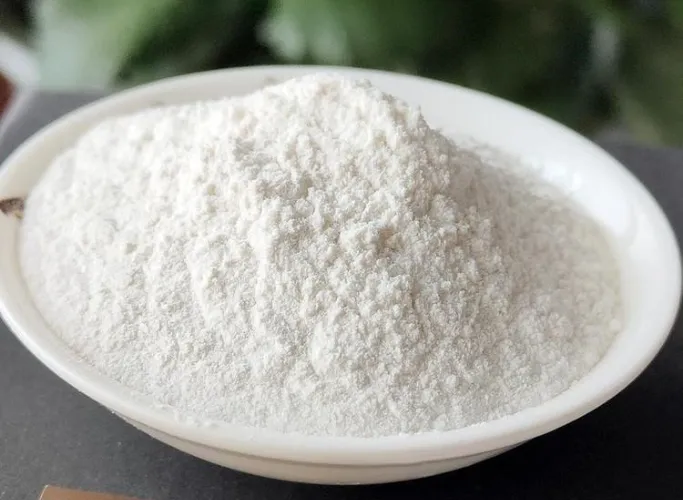
What Is Maximum Talc Filler Loading?
The maximum talc filler loading in plastics refers to the highest weight percentage of talc that can be incorporated into a polymer matrix while still meeting the required mechanical, processing, and aesthetic standards of the final product. This value varies with the type of plastic, the performance demands of the application, and the quality of the talc itself.
For example, in polypropylene (PP) compounds, typical maximum loadings range from 20% to 40%. In polyethylene (PE) injection molding and film applications, where impact strength is less critical, loadings can reach 30% to 50%. In PVC profiles and pipes, loadings usually stay between 15% and 35%. Exceeding these ranges often leads to reduced toughness, poor flow, or surface defects.
Key Factors Influencing Talc Filler Loading
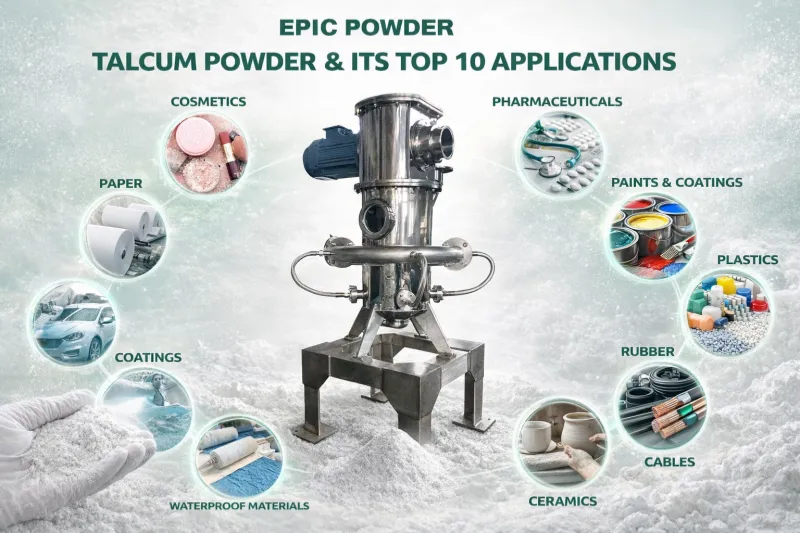
Several factors determine the practical upper limit of talc filler loading in plastics:
- Talc Quality and Surface Treatment: Higher purity, finer particle size, and narrow particle size distribution enhance dispersion and reduce agglomeration, allowing higher loadings. Surface modification with silanes or titanates improves interfacial adhesion, increasing the filler loading limit by 10–15% compared to untreated talc.
- Polymer Type and End-Use Requirements: For applications demanding high stiffness and dimensional stability but moderate impact resistance, higher loadings are acceptable. Conversely, structural parts requiring high impact strength require lower filler levels to maintain performance.
- Processing Equipment and Conditions: Twin-screw extruders with strong shear can disperse high filler loads effectively, but the real ceiling often starts at the powder processing stage. The uniformity of the talc powder itself determines how well it will disperse downstream.
Why Optimizing Filler Loading Matters
Finding the right talc filler loading in plastics provides two major benefits:
- Cost Reduction: Talc is significantly cheaper than polymer resins. Increasing filler content lowers raw material costs, enhancing competitiveness.
- Performance Enhancement: Properly loaded talc improves stiffness, heat deflection temperature, dimensional stability, and reduces shrinkage. It also contributes to sustainability by reducing petroleum-based resin usage.
Case: Boosting Filler Loading with Precision-Ground Talc
A mid-sized PP compounder faced challenges with inconsistent talc quality, limiting their talc filler loading to around 22%. They experienced poor dispersion and variable impact strength, which led to high rejection rates and unstable production costs.
By upgrading their powder processing line with Epic Powder’s advanced Jet Milling Systems and Air Classifiers, they achieved a consistently stable particle size distribution and eliminated coarse fractions that previously caused agglomeration. This equipment was combined with a surface-modification step. It allowed them to increase the filler loading to 32% while improving flexural modulus and maintaining acceptable impact strength.
The result was a significant reduction in per-ton material costs and a much more stable production process, proving that the right grinding and classifying equipment is just as critical as the talc chemistry itself.
Epic Powder: Your Partner in Achieving Optimal Filler Performance
At Epic Powder, we provide complete powder processing solutions tailored for the plastics filler industry. Our equipment portfolio includes:
- Jet Mills – For ultra-fine grinding with tight particle size control.
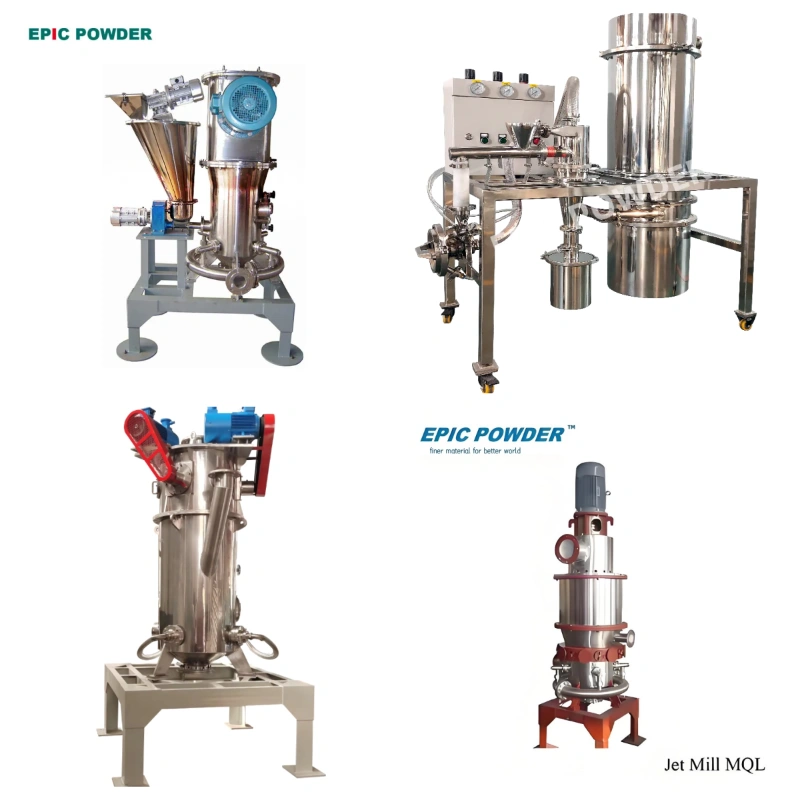
- Air Classifiers – To precisely separate fine fractions and remove oversized particles.
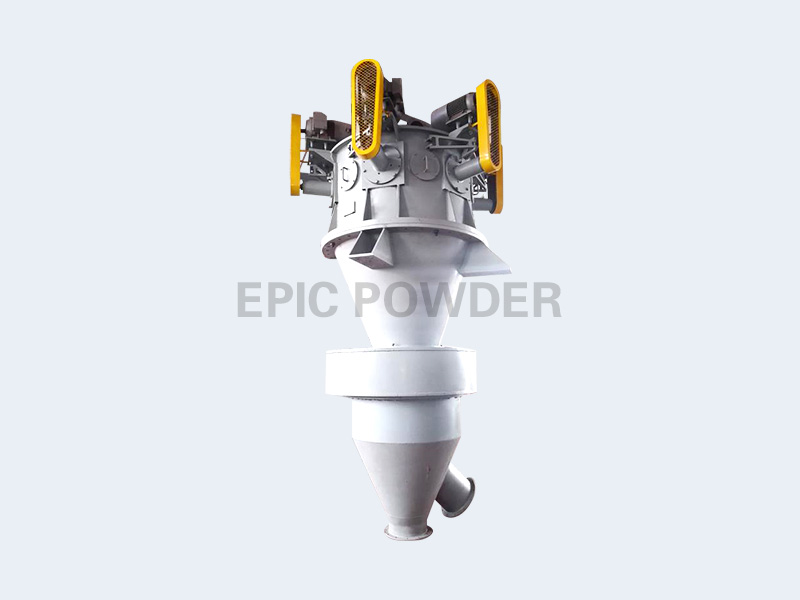
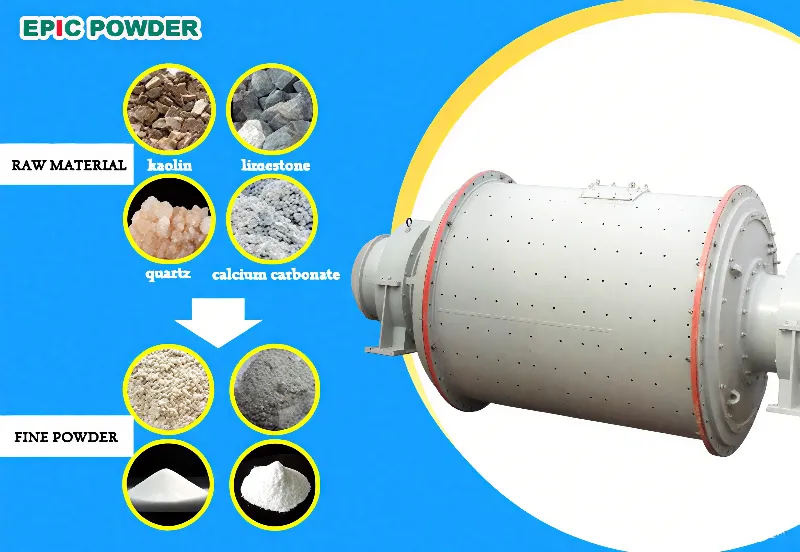
- Ball Mills – For high-capacity coarse to medium grinding.
With our technology, you gain the ability to produce consistent, high-quality talc powders that disperse flawlessly in your compounding line—giving you the confidence to push filler loadings higher without compromising product integrity.
Conclusion
There is no universal answer to the maximum talc filler loading in plastics. It depends on polymer type, performance requirements, talc quality, and processing conditions. However, by investing in high-precision milling and classification equipment, manufacturers can safely push filler loadings to new heights while cutting resin costs.
Ready to optimize your filler production? Contact Epic Powder today to discuss how our jet mills and air classifiers can transform your talc processing line.

“Thanks for reading. I hope my article helps. Please leave a comment down below. You may also contact EPIC Powder online customer representative Zelda for any further inquiries.”
— Jason Wang, Engineer