
У канкурэнтным свеце мадыфікацыі пластыкаў і эканамічна эфектыўных рэцэптур талькавы парашок вылучаецца як універсальны неарганічны матэрыял. напаўняльнік. Вытворцы пастаянна шукаюць аптымальную колькасць тальку ў пластыках, каб збалансаваць прадукцыйнасць і кошт. У гэтым артыкуле разглядаюцца фактары, якія вызначаюць максімальную колькасць тальку ў пластыках, і прапануюцца практычныя парады для распрацоўшчыкаў рэцэптур і перапрацоўшчыкаў. У ім таксама раскрываецца, як правільнае абсталяванне для апрацоўкі, такое як струменевае фрэзераванне, можа яшчэ больш пашырыць гэтыя межы.
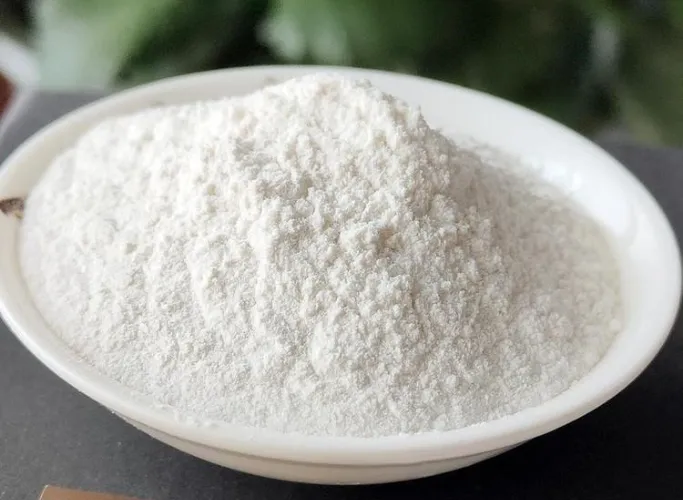
Якая максімальная загрузка талькавага напаўняльніка?
Максімальная колькасць тальку ў якасці напаўняльніка ў пластыках адносіцца да найбольшага ваговага працэнта тальку, які можна ўключыць у палімерную матрыцу, пры гэтым адпавядаючы неабходным механічным, тэхналагічным і эстэтычным стандартам канчатковага прадукту. Гэта значэнне залежыць ад тыпу пластыка, патрабаванняў да эксплуатацыйных характарыстык і якасці самога тальку.
Напрыклад, у поліпрапілен Для поліпрапіленавых (ПП) кампаундаў тыповыя максімальныя нагрузкі вар'іруюцца ад 20% да 40%. У поліэтыленавых (ПЭ) ліццях пад ціскам і плёнках, дзе ўдарная вязкасць менш важная, нагрузкі могуць дасягаць 30% да 50%. У ПВХ-профілях і трубах нагрузкі звычайна застаюцца ў дыяпазоне ад 15% да 35%. Перавышэнне гэтых дыяпазонаў часта прыводзіць да зніжэння трываласці, дрэннай цякучасці або дэфектаў паверхні.
Ключавыя фактары, якія ўплываюць на загрузку тальку
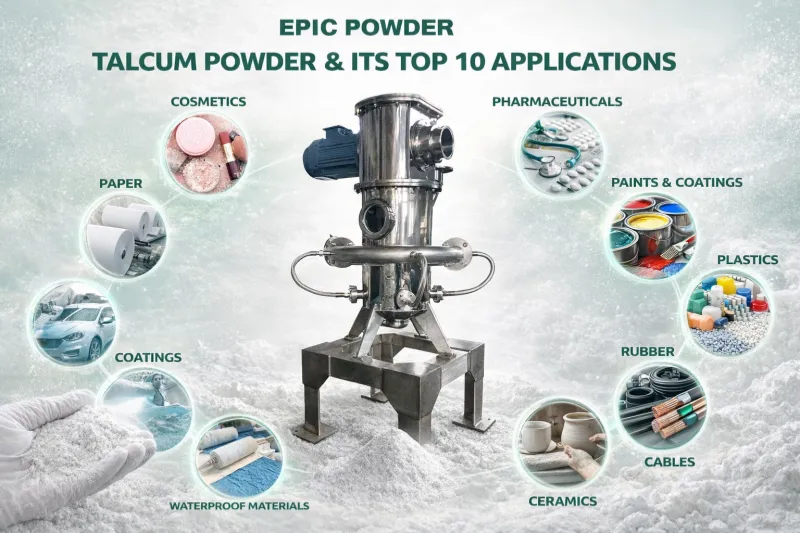
Некалькі фактараў вызначаюць практычную верхнюю мяжу загрузкі талькавага напаўняльніка ў пластмасах:
- Якасць тальку і апрацоўка паверхні: Больш высокая чысціня, меншы памер часціц і вузкае размеркаванне памераў часціц паляпшаюць дысперсію і памяншаюць агламерацыю, што дазваляе дасягаць больш высокіх загрузак. Мадыфікацыя паверхні сіланамі або тытанатамі паляпшае міжфазную адгезію, павялічваючы мяжу загрузкі напаўняльніка на 10–151 TP3T у параўнанні з неапрацаваным талькам.
- Тып палімера і патрабаванні да канчатковага выкарыстання: Для прымянення, якія патрабуюць высокай калянасці і стабільнасці памераў, але ўмеранай ударатрываласці, дапушчальныя больш высокія нагрузкі. І наадварот, канструкцыйныя дэталі, якія патрабуюць высокай ударатрываласці, патрабуюць меншага ўзроўню напаўняльніка для падтрымання эксплуатацыйных характарыстык.
- Абсталяванне і ўмовы апрацоўкі: Двухшнекавыя экструдары з моцным зрухам могуць эфектыўна размеркаваць высокія нагрузкі напаўняльніка, але сапраўдная столь часта пачынаецца на этапе апрацоўкі парашка. Аднастайнасць самога талькавага парашка вызначае, наколькі добра ён будзе рассейвацца далей па плыні.
Чаму важна аптымізаваць загрузку напаўняльніка
Выбар правільнай колькасці тальку для напаўнення пластмас дае дзве асноўныя перавагі:
- Зніжэнне выдаткаў: Тальк значна таннейшы за палімерныя смалы. Павелічэнне ўтрымання напаўняльніка зніжае выдаткі на сыравіну, павышаючы канкурэнтаздольнасць.
- Паляпшэнне прадукцыйнасці: Правільна загружаны тальк паляпшае калянасць, тэмпературу цеплавога прагіну, стабільнасць памераў і памяншае ўсаджванне. Ён таксама спрыяе ўстойліваму развіццю, змяншаючы выкарыстанне смалы на аснове нафты.
Справа: Павелічэнне загрузкі напаўняльніка з дапамогай дакладна здробненага тальку
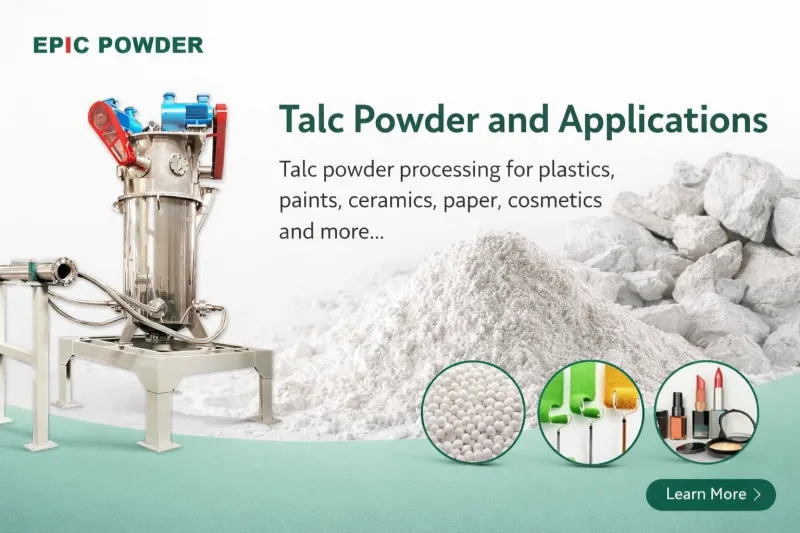
Сярэдні вытворца поліпрапілену сутыкнуўся з праблемамі нестабільнай якасці тальку, што абмежавала колькасць напаўняльніка талькам прыкладна да 22%. У іх назіралася дрэнная дысперснасць і зменлівая ўдарная глейкасць, што прывяло да высокага ўзроўню браку і нестабільных вытворчых выдаткаў.
Мадэрнізаваўшы сваю лінію па перапрацоўцы парашка Пашыраны Epic Powder Сістэмы струменевага фрэзеравання і Паветраныя класіфікатары, яны дасягнулі стабільнага размеркавання памераў часціц і ліквідавалі буйныя фракцыі, якія раней выклікалі агламерацыю. Гэта абсталяванне было спалучана з этапам мадыфікацыі паверхні. Гэта дазволіла ім павялічыць колькасць напаўняльніка да 32% пры гэтым паляпшаючы модуль пругкасці пры выгібе і захоўваючы прымальную ўдарную глейкасць.
Вынікам стала значнае зніжэнне выдаткаў на матэрыялы на тону і значна больш стабільны вытворчы працэс, што даказвае, што правільнае абсталяванне для драбнення і класіфікацыі гэтак жа важнае, як і сам хімічны склад тальку.
Epic Powder: ваш партнёр у дасягненні аптымальнай эфектыўнасці напаўняльнікаў
У Epic Powder мы прапануем комплексныя рашэнні па апрацоўцы парашкападобных матэрыялаў, адаптаваныя для прамысловасці пластмасавых напаўняльнікаў. Наш партфель абсталявання ўключае:
- Рэактыўныя млыны – Для звыштонкага памолу з строгім кантролем памеру часціц.
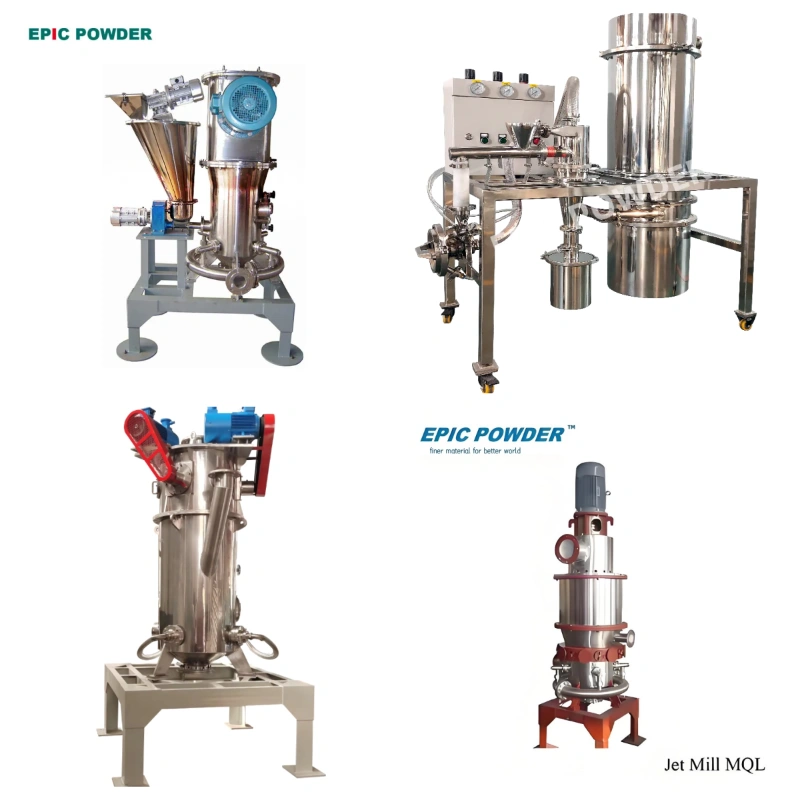
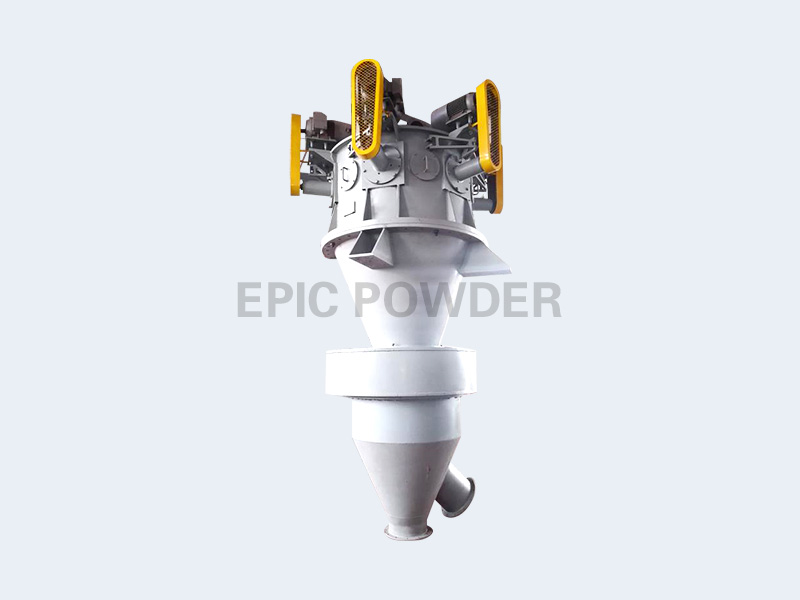
- Паветраныя класіфікатары – Для дакладнага падзелу дробных фракцый і выдалення часціц занадта вялікай велічыні.
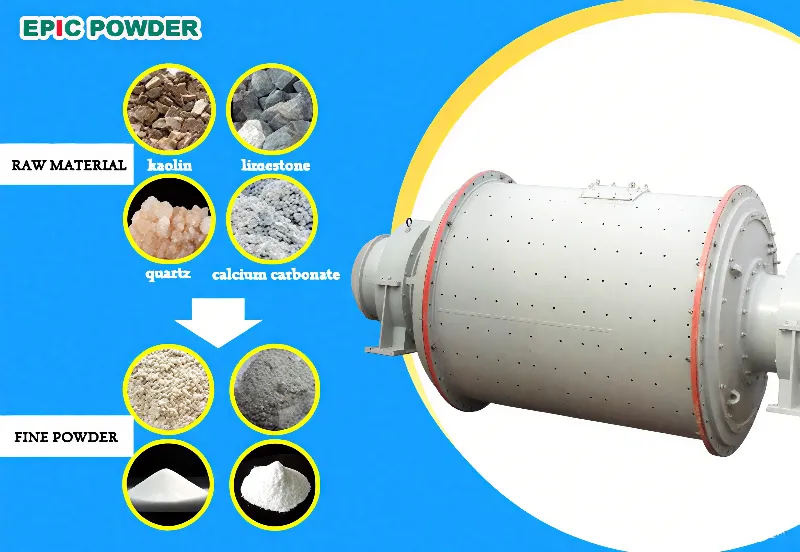
- Шаравыя млыны – Для буйнога і сярэдняга памолу высокай прадукцыйнасці.
Дзякуючы нашай тэхналогіі вы атрымаеце магчымасць вырабляць аднастайныя, высакаякасныя талькавыя парашкі, якія бездакорна рассейваюцца ў вашай лініі кампаундавання, што дасць вам упэўненасць у павелічэнні колькасці напаўняльнікаў без шкоды для цэласнасці прадукту.
Заключэнне
Няма універсальнага адказу на пытанне максімальнай колькасці напаўняльніка ў выглядзе тальку ў пластмасах. Гэта залежыць ад тыпу палімера, патрабаванняў да прадукцыйнасці, якасці тальку і ўмоў апрацоўкі. Аднак, інвестуючы ў высокадакладнае абсталяванне для фрэзеравання і класіфікацыі, вытворцы могуць бяспечна павялічваць колькасць напаўняльніка на новыя вышыні, адначасова зніжаючы выдаткі на смалу.
Гатовыя аптымізаваць вытворчасць напаўняльнікаў? Звязацца з Epic Powder сёння, каб абмеркаваць, як нашы струменевыя млыны і паветраныя класіфікатары могуць трансфармаваць вашу лінію па перапрацоўцы тальку.

“Дзякуй за чытанне. Спадзяюся, мой артыкул будзе карысным. Калі ласка, пакіньце каментар ніжэй. Вы таксама можаце звязацца з прадстаўніком службы падтрымкі кліентаў EPIC Powder онлайн». Зэльда для любых дадатковых запытаў.”
— Джэйсан Ван, Інжынер