
ドロマイト粉末の多様な用途:様々な産業におけるその独自の価値を探る
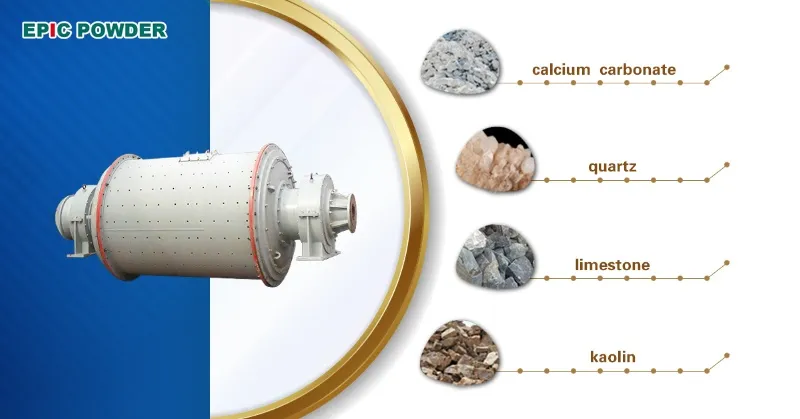
ドロマイトは炭酸塩鉱物であり、鉄ドロマイトとマンガンドロマイトが含まれます。その結晶構造は方解石に似ており、一般的に菱面体結晶として産出します。冷たい希塩酸に触れると、ゆっくりと気泡が発生します。一部のドロマイトは陰極線に当たるとオレンジがかった赤色に発光します。ドロマイトはドロマイト岩とドロマイト質石灰岩の主成分鉱物です。ドロマイトは、建築材料、セラミックス、ガラス、耐火物、化学薬品、農業、環境保護、省エネルギーなどの産業で広く使用されています。主にアルカリ性耐火物および高炉製鉄におけるフラックスとして、またガラスやセラミックスの製造原料として使用されます。ドロマイト […]
ポリマー材料によく使用される吸収粉末にはどのようなものがありますか?
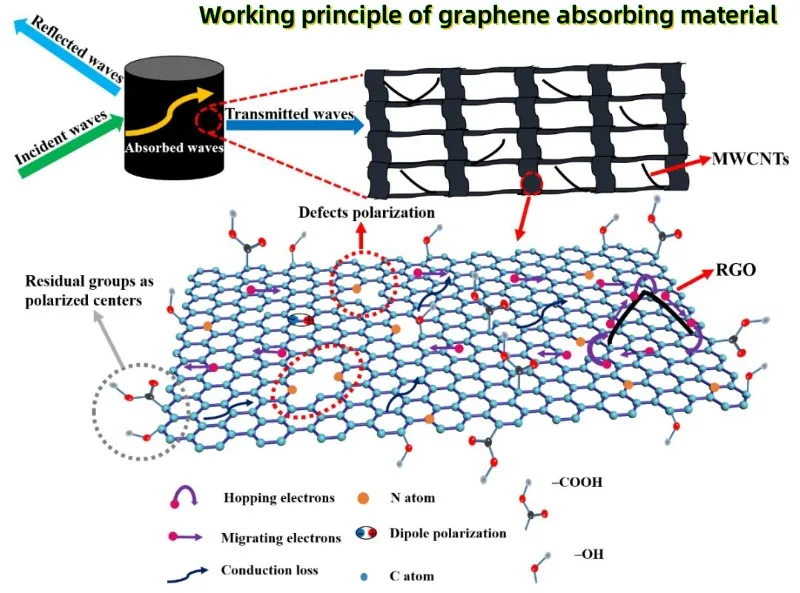
With the increasing number of electronic devices, invisible electromagnetic waves have become a source of electromagnetic pollution, threatening information security. This is where electromagnetic wave absorbing powders in polymer materials come into play. They absorb and shield electromagnetic waves, enhancing the electromagnetic compatibility of materials and ensuring the stable operation of electronic devices. They can also improve the mechanical properties of materials, playing a significant role in areas like smartphones and aerospace. They provide an excellent solution to these challenges. Ferrite Absorbing Powders Ferrites are essential absorbing materials due to their high magnetic permeability and good impedance matching properties. They are widely used in polymer materials. The primary mechanisms for […]
【一般科学】アラビアゴムの特性と用途
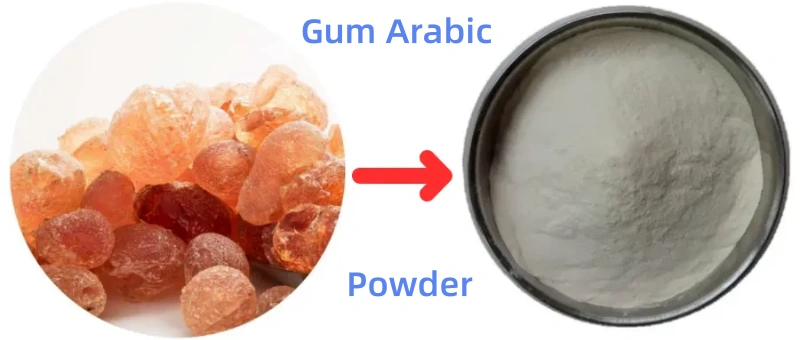
Gum arabic (Gum arabi, Acacia senegal, Acacia seyal), also known as Sudan gum, acacia gum, Senegal gum, and Indian gum, is an exudate from the trunks of trees in the genus Acacia of the legume family. It is also called acacia gum (legume family, Acacia genus). It is mainly distributed in Pakistan, Taiwan, tropical Africa, Arabia, and India, and has been artificially introduced and cultivated. Gum arabic primarily consists of high-molecular polysaccharides and their salts of calcium, magnesium, and potassium. The main components include arabinose, galactose, and glucuronic acid. It is a harmless thickening agent that naturally solidifies in the air into tree gum. The gum is pale white to […]
粉末分散についてお話しましょう
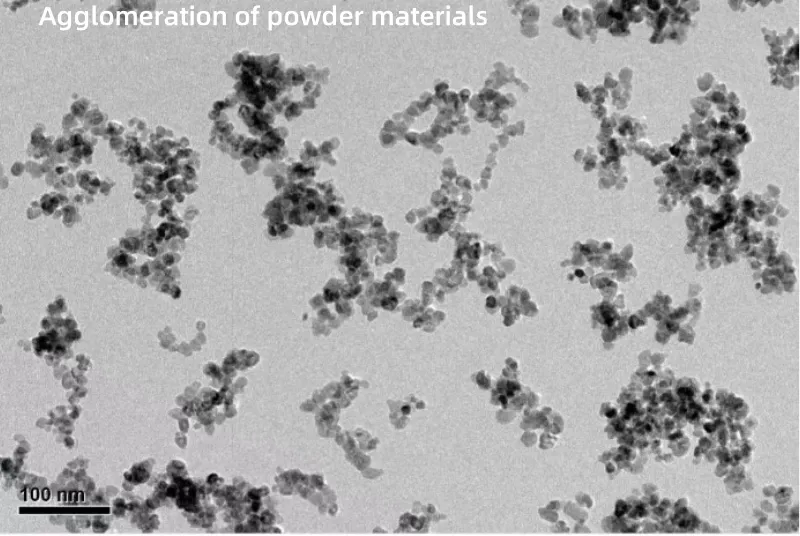
The dispersibility of powder directly affects its stability, flowability, wettability, and uniformity in solvents. Ultimately, it determines the product quality. In other words, the powder dispersion directly impacts the application value of powder materials. Powder Dispersion and Dispersants Due to the large specific surface area and surface energy of ultrafine powders, particles are prone to aggregation and agglomeration during preparation and post-processing. This forms secondary particles that lose the original excellent properties of ultrafine particles. In powder materials, there are van der Waals forces between particles. There are also repulsive forces generated by the double electric layer. When the repulsive forces between particles exceed the attractive forces, the particles repel […]
リチウム電池に使われている粉末材料 ― あなたはどの材料が使われているか知っていますか?
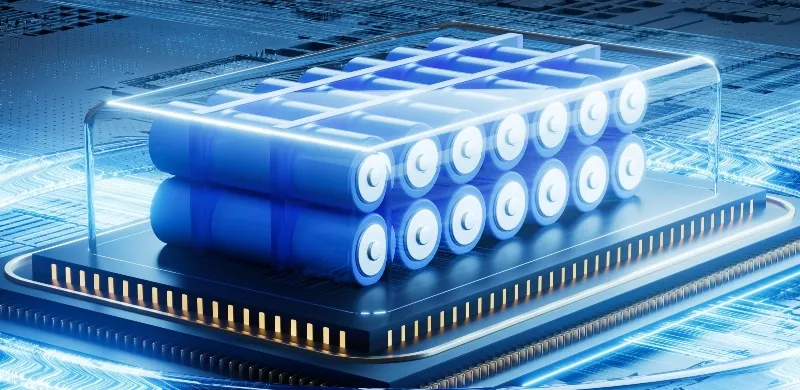
Lithium batteries mainly consist of the anode, cathode, separator, electrolyte, binder, conductive agent, current collector, and packaging materials. According to material form classification, the anode, cathode, binder, and conductive agent are powder materials in Lithium batteries. Some solid-state electrolytes are powder materials, and some modified separators also contain powder materials. Positive Electrode Commercialized positive electrode materials include Lithium Cobalt Oxide (LiCoO2), Lithium Manganese Oxide (LiMn2O4), NCM (LiNixMnyCozO2), and Lithium Iron Phosphate (LiFePO4). Negative Electrode Common negative electrode materials include graphite, hard carbon, soft carbon, lithium titanate, and silicon-based materials. Graphite is the most widely used, and silicon-based materials have the most potential. Binders Binders like Polyvinylidene Fluoride (PVDF) and Styrene-Butadiene […]
セラミックシリコンカーバイド vs 半導体シリコンカーバイド
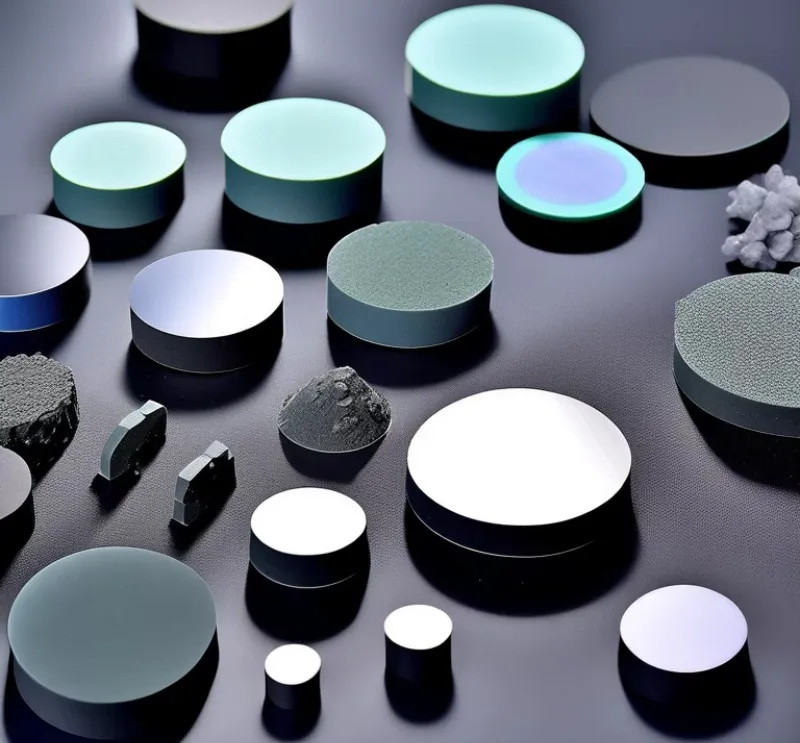
Silicon carbide (SiC) is a fascinating compound. You can find it in the semiconductor industry and in advanced ceramic products. This often leads to confusion, as people may think they are the same material. However, they are not. Silicon carbide can be both a hard, wear-resistant advanced ceramic and an efficient, energy-saving semiconductor. Although both forms share the same chemical composition, they play two completely different roles in the industrial sector. Ceramic silicon carbide and semiconductor silicon carbide differ significantly in crystal structure, preparation processes, performance characteristics, and applications: Raw Material Purity Requirements Ceramic-grade silicon carbide has relatively low purity requirements. It is typically between 90% and 98% for general […]
カラージルコニア:すごくクール!
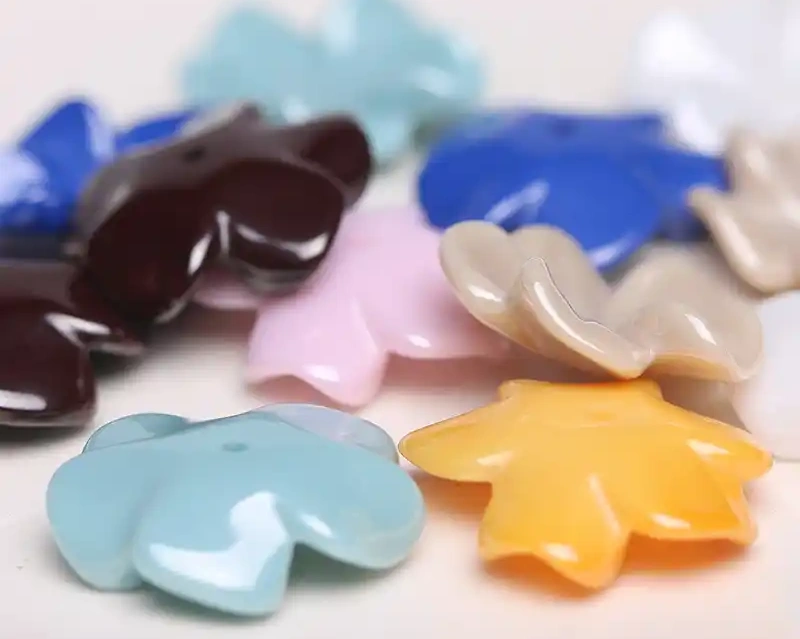
With the development of electronic communication and improved living standards, colored zirconia ceramics are used more widely in daily life. They are favored for their biocompatibility, excellent metallic luster, and strong mechanical properties. Applications include dental restorations, jewelry, and mobile smart devices. However, adding color to zirconia is not an easy task. Preparation of Colored Zirconium Oxide Currently, the colored zirconia we see on the market mainly presents various colors due to the addition of different rare earth elements, metals, and oxides. The difficulty in preparing colored zirconia lies in the fact that its sintering temperature is typically between 1550°C and 1650°C. At high temperatures, many colorants or coloring agents […]
キャッサバ粉の用途や産業応用についてご存知ですか?
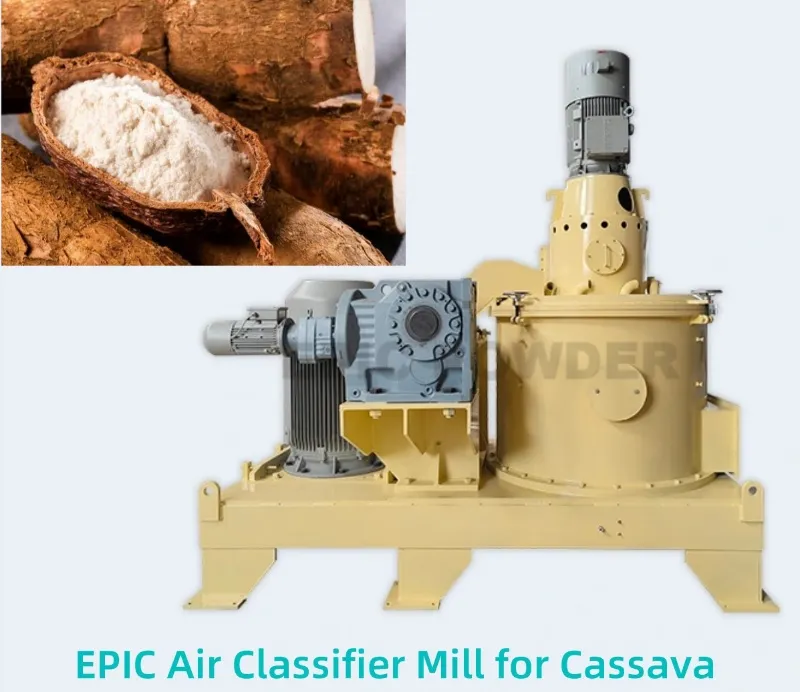
Cassava, also known as manioc, yuca, or manioca, is revered as the “king of starch.” It has a wide range of uses, high yield, and is widely cultivated in tropical regions. Cassava powder is classified into two types based on its uses: edible and industrial. The tubers of edible cassava are rich in starch, making them an important raw material for the pharmaceutical and food industries, as well as a key source for developing biomass. There are over 2,000 industrial products made from cassava. It plays a significant role in crop distribution, animal feed production, and industrial applications, and has become a widely cultivated crop for processing starch and animal […]
負極材料の製造工程の分析
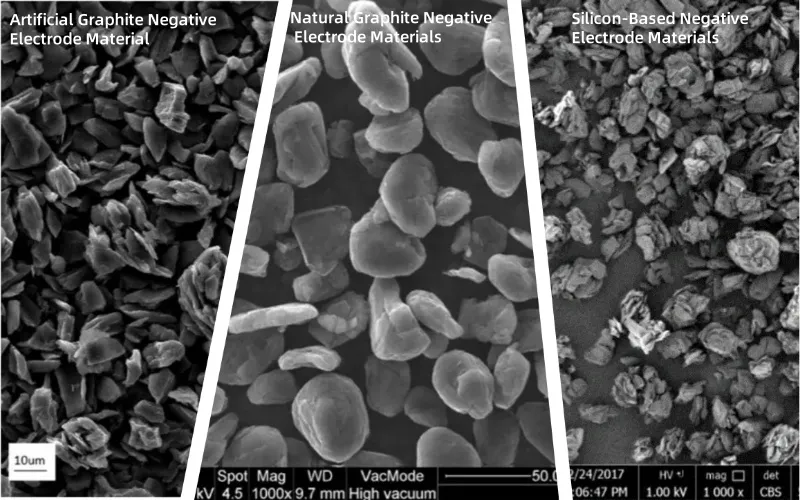
The main types of lithium battery negative electrode materials include graphite-based materials (such as artificial graphite and natural graphite) and non-graphite-based materials (such as silicon-based anode materials). Below is the common production process for these materials: Production Process of Artificial Graphite Negative Electrode Material Pre-treatment Graphite raw materials and asphalt are mixed according to product requirements, such as 100: (5-20). The mixture is transferred to a hopper via a vacuum feeder. From there, it enters an air jet mill for air flow grinding. The raw and auxiliary materials, initially 5-10mm in size, are ground to 5-10 microns. After grinding, a cyclone dust collector is used to gather the desired particle […]