
黒鉛化と炭化の違いは何ですか?
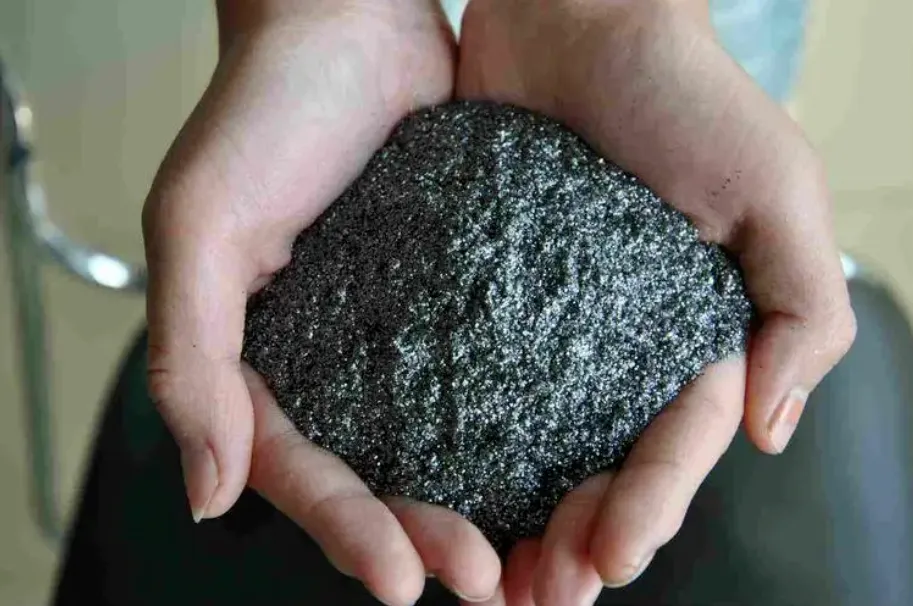
The difference between graphitization and carbonization lies in their processes and outcomes in the treatment of carbon-containing materials. Carbonization is the thermal breakdown of organic materials without oxygen. It produces a carbon-rich char. This process typically occurs at lower temperatures and focuses on removing volatile components. In contrast, graphitization transforms carbon into graphite. It uses a high-temperature treatment, usually above 2500°C. This improves the carbon’s structure and conductivity. Carbonization makes a carbonaceous solid. Graphitization yields a crystalline carbon. It is suitable for advanced materials and electronics. Graphitization and carbonization both convert carbon-containing materials into a form of carbon. But, there are key differences between the two processes: What is Graphitization? […]
How to grind electrolytic aluminum slag into powder
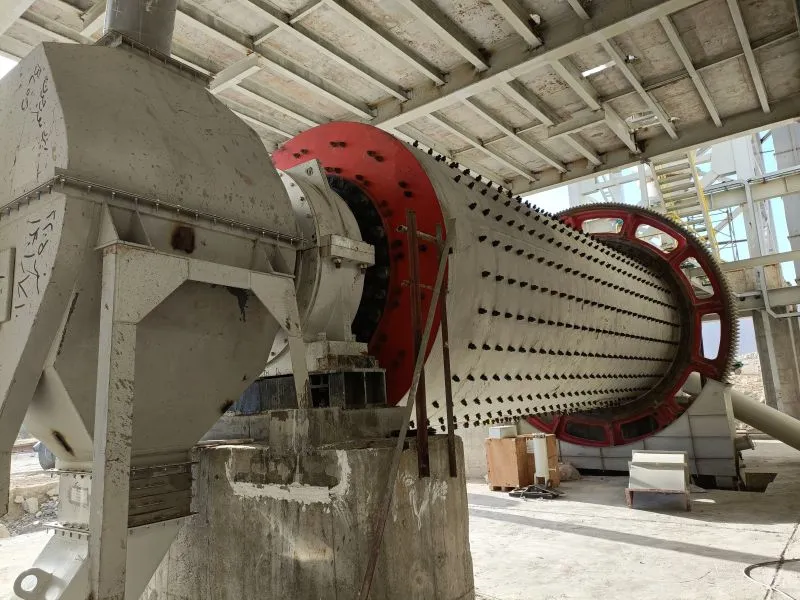
Aluminum slag is made during the electrolytic production of aluminum. Carbon slag contains a large amount of fluoride salt (about 70%, mainly cryolite). If it is discarded as waste, it will not only cause the loss of fluoride salt. This will also increase the use of fluoride salt and pollute the environment. To keep regenerated cryolite pure, and to ensure a high recovery rate, the carbon powder and cryolite must be very pure. The fineness should be above 200 mesh d85%. Use the equipment for closed-circuit grinding. So, how to grind electrolytic aluminum slag into powder? 1. First, prepare the raw materials. Crush the electrolytic aluminum slag into small pieces […]
5種類のケイ酸塩充填剤がコーティングに及ぼす様々な影響
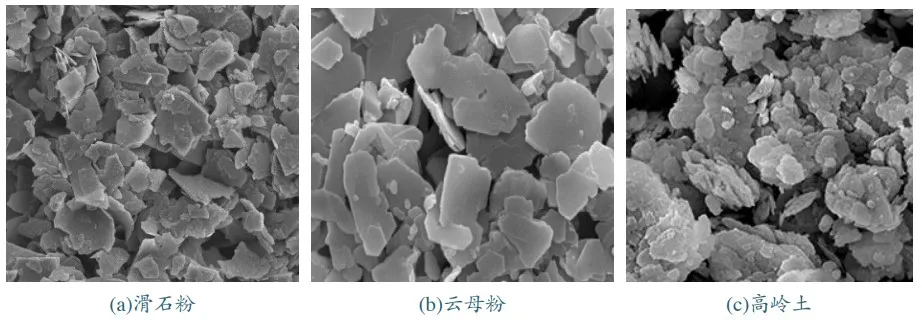
Pigments and fillers have a basic job. It is to give the coating a certain color. They also add hiding power, chemical resistance, and other properties. Inorganic fillers, also called body pigments, do not have the tinting and hiding ability of coloring pigments. This is because their refractive index is like that of film-forming substances. However, they can thicken the coating by filling it. They also play a skeleton role in the coating. They make the coating full and thick. This reduces the cost of coating production. In coating applications, fillers fall into five types. They are: carbonates, silicates, silicon dioxide, barium sulfate, and aluminum hydroxide. This division is based […]
二酸化チタンのコーティングにおける性能応用
Titanium dioxide is an inorganic white pigment. Its main component is titanium dioxide. It can be divided into three types according to its crystal form: brookite, anatase, and rutile. It is used in coatings, plastics, papermaking, and ink. The largest use is in coatings, which make up about 60% of the total. This is due to its advantages. These materials have a high refractive index. They also have strong color power and whiteness. They are non-toxic and stable. It is used in both solvent-based and water-based paint. If titanium dioxide is used, it has several roles. It covers and decorates. More importantly, it improves the paint’s physical and chemical properties. […]
真空ローダーの搬送要件は何ですか?
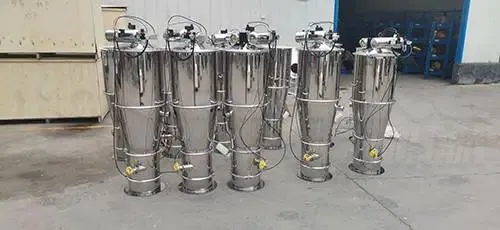
They mainly move powder and granular materials. Examples include API powder, chemicals, metal oxides, and explosive powders. They also move capsules, tablets, pills, small food particles, and explosive particles. They cannot move very wet, sticky, or heavy materials. Not all materials can be fed with vacuum feeders. To find out if materials can be moved, we must measure and analyze their key traits. Characteristic parameters include: stacking angle, stacking density, particle factor, electrostatic constant, moisture sensitivity, explosion risk, toxicity, and corrosiveness. (1) Bulk density Bulk density refers to the weight of a material per unit volume in a loose state. Particles or powders contain material and air. So, their bulk […]
研磨粉の粒子サイズは研磨にどのような影響を与えるか?
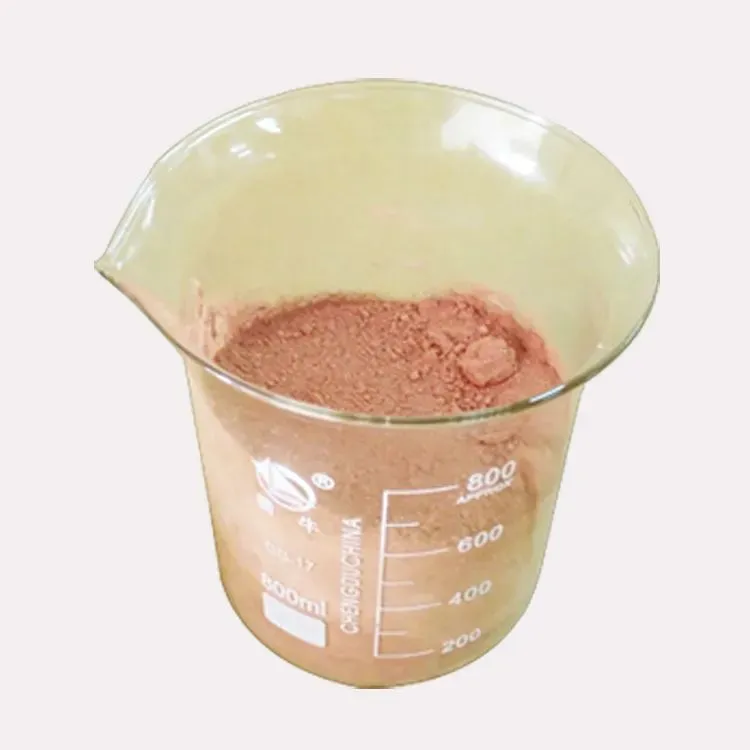
Most people are aware of the basic factors that affect the polishing process. They are: A. Suspension by power, B. Powder crystal form, C. Powder Mohs hardness, and D. Powder particle size. How much does the particle size of polishing powder affect polishing? The size and spread of rare earth polishing powder particles are key. They greatly affect the powder’s performance. Polishing powder particle size application; Rare earth polishing powder can also be divided by its additive type. Rare earth polishing powder production technology belongs to micro powder engineering technology. Rare earth polishing powder belongs to ultrafine powder. Internationally, ultrafine powder falls into 3 types. These are: nanometer (1nm ~ […]
微粉砕ジェットミルによる粒子径縮小の利点
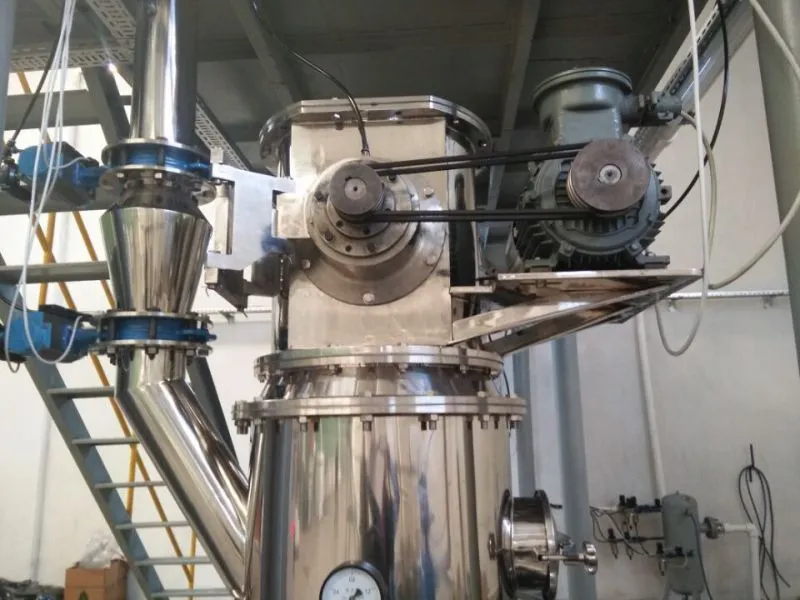
粒子のサイズ調整は、医薬品、食品、化粧品、化学薬品など、多くの産業において非常に重要です。微粉化は一般的な技術であり、粒子サイズを小さくすることで製品の品質と性能を向上させます。微粉化ジェットミルは、微粉化に最適なツールの1つです。粒子サイズを小さくする他の方法に比べて多くの利点があります。微粉化の目的は何でしょうか?微粉化とは、物質の粒子サイズをミクロン単位まで小さくすることです。通常、10ミクロン未満のサイズです。この技術は、医薬品の溶解性、生物学的利用能、安定性を向上させることを目的としています。また、食品の食感と風味を改善します。化粧品や化学薬品の性能も向上させます。微粉化は粉体の流動性も向上させることができます。[…]
鉱物粉砕効率を向上させる方法
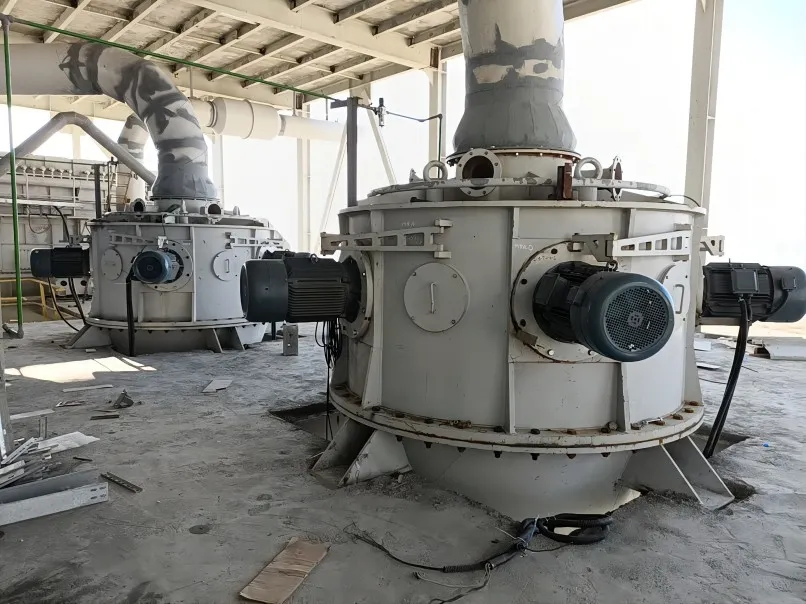
粉砕効率には多くの要因が影響します。これには、プロセス設計、レイアウト、設備選定といった側面が含まれます。また、原材料やプロセス仕様も含まれます。さらに、人員訓練、操業レベル、システム管理が整っているかどうかも重要です。通常、プロセス設計、レイアウト、設備は工場建設後に決定され、変更は困難です。設計目標は、管理、操業、技術的な変更を通じて達成されます。目標を上回る必要があります。これには原材料管理も含まれます。プロセスには設定の選択も含まれます。ミルの構造変更も伴います。オペレーターのスキルと制御を維持する能力が鍵となります。処理される材料の変更と更新 […]
充填剤マスターバッチとして改質炭酸カルシウムを使用する理由とは?
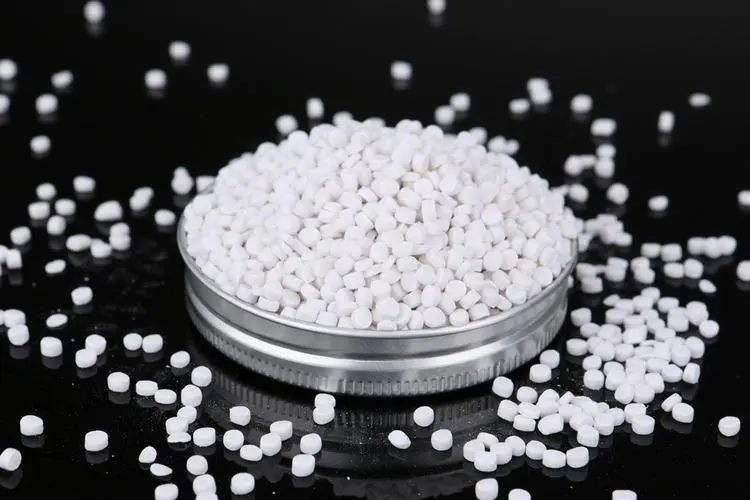
炭酸カルシウムは重要な無機化学物質です。プラスチック、ゴム、塗料、製紙などの産業で広く使用されています。近年、合成樹脂や化学薬品の使用は増加の一途をたどっており、エネルギー消費量も日々増加しています。プラスチック、ゴム、その他の産業では、充填剤の添加が検討されています。しかし、これらは無機充填剤です。これらの充填剤は資源が豊富で安価です。これらは合成ポリマーに添加されます。プラスチックやゴムには、炭酸カルシウムなどの無機充填剤をできるだけ多く添加したいと考えますが、製品の物理的および機械的特性を維持する必要があります。一般的な炭酸カルシウムは、一般的な無機充填剤の一例です。[…]