
粉末表面改質剤の選び方と使い方

There are many methods for powder surface modification, and their classification varies depending on the perspective of the analysis. Based on the nature of the modification process, powder surface modification methods can be divided into six categories: surface coating modification, surface chemical modification, mechanochemical modification, capsule modification, high-energy modification, and precipitation reaction modification. Additionally, powder surface modifiers play a crucial role in these methods, effectively enhancing the surface properties and compatibility of powders, and are widely used in various fields. Classification of Powder Surface Modification Methods Surface Coating Modification Surface coating modification involves the interaction of surface modifiers with particle surfaces without chemical reactions. The coating material adheres to the […]
低温衝撃ミル - 新型超微粉砕装置
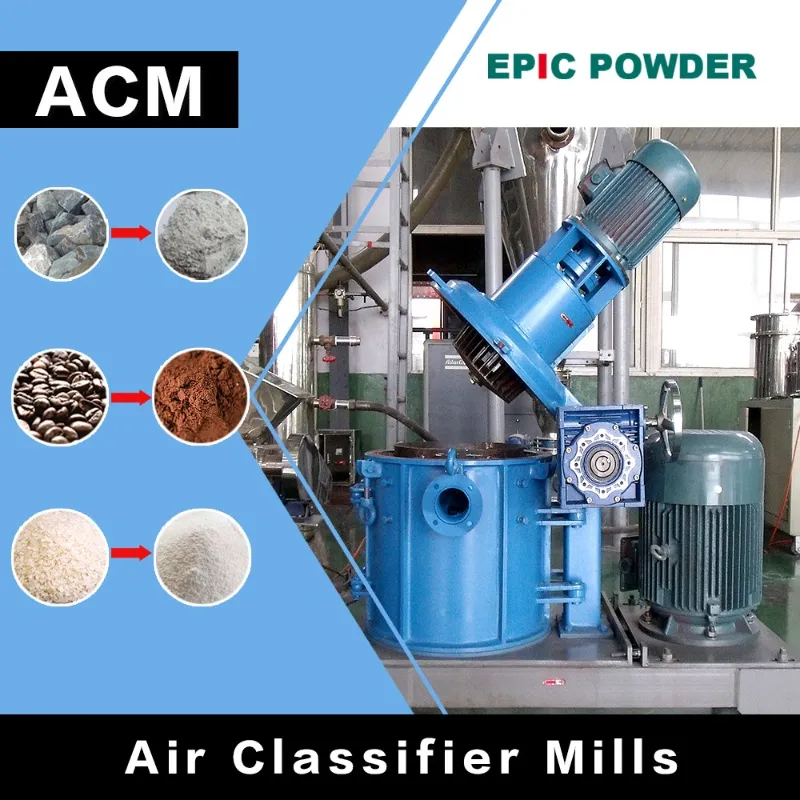
Ultra-fine grinding technology reduces particle size by overcoming internal cohesion through mechanical or fluid power. It achieves a particle size reduction to 10–25μm, increasing surface area and porosity. This technology is widely used in the pharmaceutical and food processing industries. It can be divided into dry and wet ultra-fine grinding, depending on the moisture content of the raw materials and during the process. Dry ultrafine grinding processes materials under dry conditions. Common methods include air jet mills, ball mills, and vibration mills. However, traditional vibration mills and ball mills generate heat, making them unsuitable for heat-sensitive materials. Air jet mills have high energy consumption. These issues limit their applications. A […]
PEワックスパウダーの多分野への応用
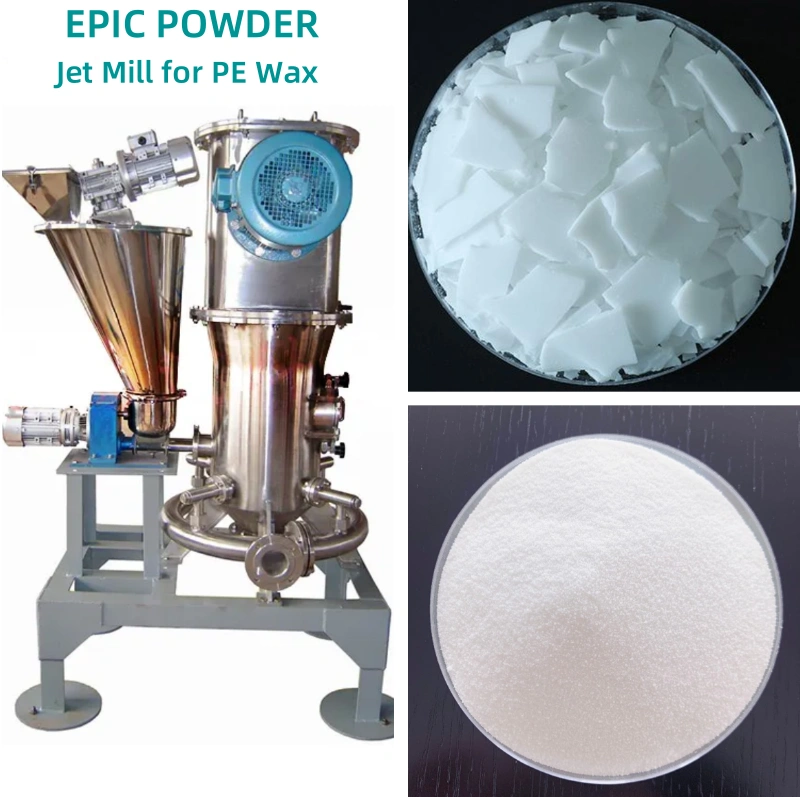
PE Wax powder (polyethylene wax) is a polyethylene product with a low molecular weight. It has excellent heat resistance, wear resistance and good dispersibility. In various thermal processing processes, it is often used as a lubricant, release agent, dispersant or gloss additive. Due to its high thermal stability and stable chemical properties, PE wax is widely used in many industrial fields such as plastic processing, rubber products, inks, coatings, hot melt adhesives and textiles. It can not only improve processing performance, but also enhance product surface quality and mechanical properties. Here are the five main applications of polyethylene wax powder ! Click here for more information. Promote Lubrication and Dispersion […]
PEワックスとは何か、そしてどのように使用されるのか?
Polyethylene wax (PE wax), also known as polymer wax, is abbreviated as PE wax.It is widely used due to its excellent cold resistance, heat resistance, chemical resistance, and wear resistance. In normal production, this wax is used as an additive and directly added to polyolefin processing. It improves product gloss and processing performance. As a lubricant, it has stable chemical properties and good electrical performance. PE wax has good compatibility with polyethylene, polypropylene, ethylene-vinyl acetate, EPDM, and butyl rubber. It enhances the fluidity of polyethylene, polypropylene, and ABS, and the mold release of polymethyl methacrylate and polycarbonate. Compared with other external lubricants for PVC, polyethylene wax also has a stronger […]
炭酸カルシウムの生分解性プラスチックへの応用
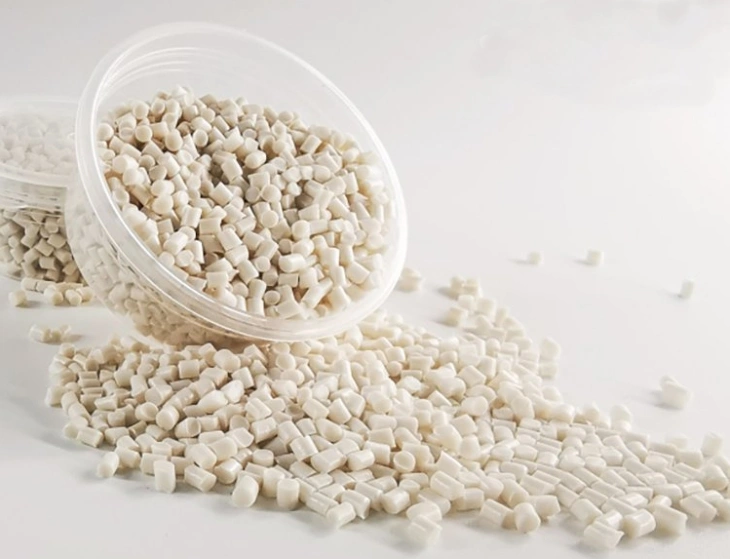
Plastic products are lightweight, strong, corrosion-resistant, cost-effective, and easy to process. They are widely used in daily life. In recent years, the demand for plastic has rapidly increased. However, petroleum-based plastics do not degrade naturally. White plastic waste is causing severe environmental pollution. Therefore, developing biodegradable plastics to replace non-degradable petroleum plastics is an inevitable trend in polymer material development. Calcium carbonate in degradable plastics is becoming a key area of focus as the demand for eco-friendly materials grows. With the increasing environmental concerns surrounding plastic waste, calcium carbonate offers an effective solution. It not only enhances the mechanical properties of plastics but also helps in improving the biodegradability of […]
ステアリン酸表面改質炭酸カルシウムはどのように製造されるのですか?
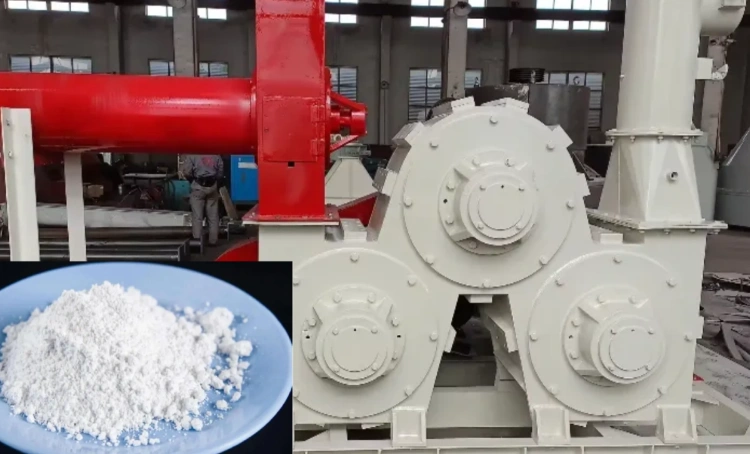
Stearic Acid Surface Modified Calcium Carbonate is widely used in various industries, especially plastics, rubber, coatings, and adhesives. Its primary role is to enhance the dispersion and compatibility of calcium carbonate in composite materials, thereby improving performance. The stearic acid molecule has both hydrophilic and hydrophobic segments. The hydrophilic group interacts physically and chemically with the calcium carbonate surface. Through adsorption and coating, it effectively reduces particle interactions, leading to more uniform dispersion in polymer matrices. Stearic acid surface modified calcium carbonate can be processed using either dry or wet methods. The wet method typically requires the use of stearic acid salts, such as sodium stearate. Both methods have their […]
沈降炭酸カルシウムの特性と用途
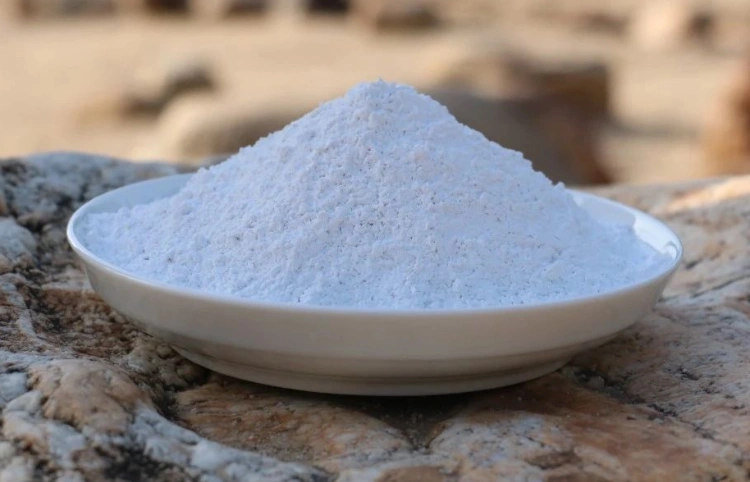
Precipitated Calcium Carbonate (PCC), also known as light calcium carbonate, is made from calcining limestone and other raw materials. Limestone is first calcined to produce lime (mainly calcium oxide) and carbon dioxide. Water is added to the lime to form lime slurry (mainly calcium hydroxide). Carbon dioxide is then passed into the lime slurry to precipitate calcium carbonate. The calcium carbonate is then dewatered, dried, and ground into powder. Alternatively, sodium carbonate and calcium chloride react to form calcium carbonate, which is then processed similarly. Preparation Method of Precipitated Calcium Carbonate Light Calcium Carbonate Powder Characteristics The shape of precipitated calcium carbonate can be classified into spindle, cubic, needle, chain, […]
塗料における高濃度炭酸カルシウムの用途と特性
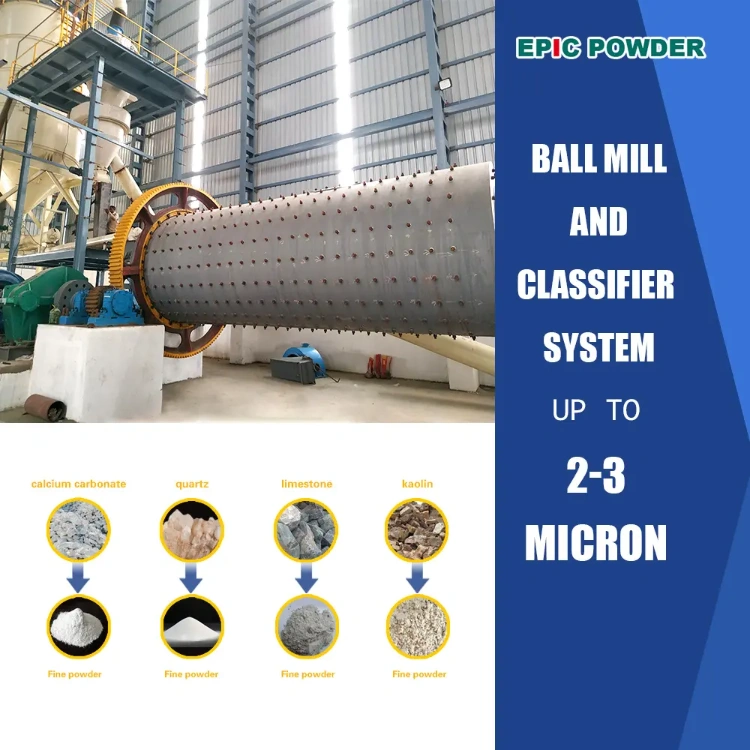
Heavy calcium carbonate in coatings is derived from natural minerals like limestone and marble through mechanical grinding. It acts as a multifunctional filler to enhance coverage, mechanical strength, and weather resistance. Its lamellar structure reinforces film integrity. Low oil absorption and minimal VOC emissions make it ideal for eco-friendly water-based coatings. The material’s whiteness and rheological properties optimize gloss control and flow characteristics. This makes it valuable in architectural, automotive, and industrial protective coatings. Heavy calcium carbonate offers cost-effective performance in various coating applications. Architectural coatings generally consist of three components: primary film-forming substances, secondary film-forming substances, and auxiliary film-forming substances.Heavy calcium carbonate is mainly used as a secondary film-forming […]
ピンミルが食品粉砕用途に最適な理由とは?
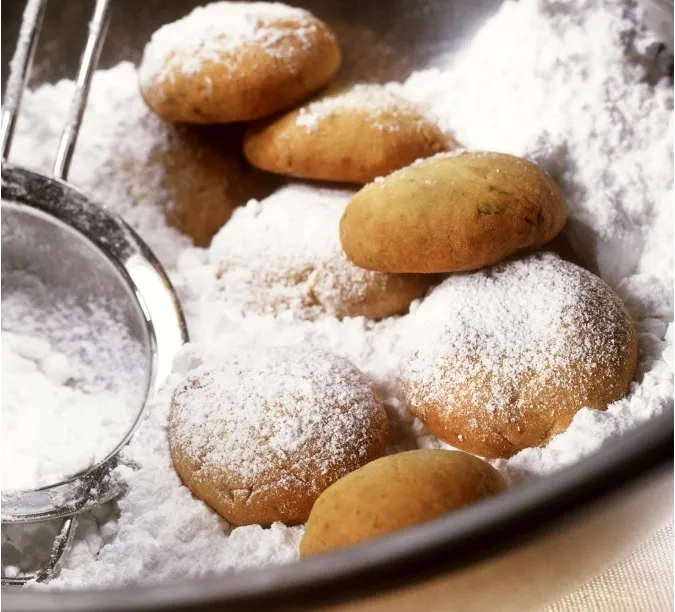
In the food processing industry, achieving consistent particle size, preserving product integrity, and maintaining hygiene standards are critical priorities. Among the various grinding technologies available, pin mills have emerged as a preferred choice for food applications due to their versatility, efficiency, and precision. This article explores the unique advantages of pin mills and why they are particularly suited for grinding food products. Gentle yet Efficient Grinding Mechanism Pin mills operate using a combination of impact and shear forces generated by rotating discs fitted with pins. As food materials pass through the grinding chamber, the pins collide with particles, breaking them down into smaller sizes. Unlike traditional grinding methods that rely […]