
Silica, also known as silicon dioxide, is an important inorganic chemical raw material. Due to its unique surface structure and particle morphology, silica exhibits excellent stability, reinforcing capability, thickening behavior, and thixotropy. These properties make it a crucial inorganic filler in many fields such as rubber, coatings, and plastics. However, to fully unlock its potential and enhance compatibility with various organic matrices, the surface modification of silica is often employed. This process is key to tailoring its properties for specific applications.
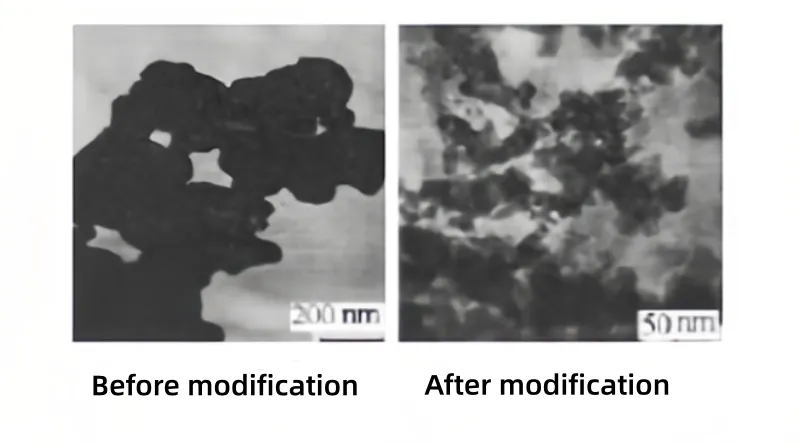
Surface Modification of Silica
The internal polysiloxane structure and surface-active silanol groups make precipitated silica highly hydrophilic, resulting in poor wettability and dispersibility in organic phases. The hydroxyl groups on the surface contribute to a high surface energy, causing agglomeration that affects product performance. During production, this leads to aggregation, hydrophilicity, high costs, low efficiency, and heavy energy consumption. Under increasing environmental pressures, reducing costs, improving efficiency, and enhancing surface hydrophobicity have become especially important.
There are three types of hydroxyl groups on the silica surface:
- Isolated hydroxyl groups, which are free and unaffected;
- Geminal hydroxyl groups, where two hydroxyls are bonded to the same silicon atom;
- Associated hydroxyl groups, which are hydrogen-bonded to each other.
Surface modification of silica involves using a modifier that reacts chemically with these surface hydroxyl groups to remove or reduce silanol groups, thereby altering the surface properties.
Modified Silica Performance Data: Contact Angle, Tear Strength & Abrasion Loss
The table below summarizes key performance improvements reported in peer-reviewed studies and industry research:
| Performance Metric | Unmodified Silica | Modified Silica | Improvement | Source |
|---|---|---|---|---|
| Water Contact Angle | ~13.6° | up to 85.1° (with Te-114 modification) | +526% | Perfemiker, 2026 |
| Water Contact Angle | ~97° (polyimide aerogel) | 136° (PDMS-modified) | +40% | Perfemiker, 2026 |
| Tear Strength (silicon rubber) | Precipitated silica: lower | 15.37 kN/m (2# modified silica) | Exceeds both precipitated and fumed silica | China Powder Network, 2025 |
| Tensile Strength Change (after aging) | — | +2.05% (2# modified silica) | Minimal change, best aging resistance | China Powder Network, 2025 |
| Specific Surface Area | ~137 m²/g | 173.7 m²/g (with U-613 vinylsilane) | +27% | Journal of Materials Science |
| Tensile Strength (SBR rubber) | Baseline | +4.5% | Improved reinforcement | Rubber Tire Network, 2021 |
| Elongation at Break (SBR rubber) | Baseline | +9% | Enhanced flexibility | Rubber Tire Network, 2021 |
| DIN Abrasion Loss (SBR rubber) | Baseline | −21% | Better wear resistance | Rubber Tire Network, 2021 |
Key takeaway: Modified silica not only enhances hydrophobicity (contact angle increases by up to 526%) but also delivers measurable improvements in mechanical properties—higher tear strength, better aging resistance, and significantly lower abrasion loss.
Silane Coupling Agent Modification and Other Common Modifiers
Common modifiers include organic halogenated silanes, silane coupling agents, silylamines, siloxanes, and alcohol compounds. These reagents chemically bond to or replace the surface hydroxyl groups on silica, thus improving hydrophobicity, dispersibility, and compatibility with organic materials.
Notable findings from recent research:
- KH570-modified silica shows significantly enhanced hydrophobicity, with silanol hydroxyl absorption peaks markedly weakened
- KH550 and titanate coupling agent Te-114 both effectively modify nano-SiO₂ surfaces; Te-114 (200%) modification achieves the highest contact angle of 85.1°
- Ultrasound-assisted modification can achieve an activation index of 100% under optimal conditions (6 mL modifier, 1 hour treatment)
The Market Opportunity: Why Now?
The global precipitated silica market is experiencing significant growth, driven by increasing demand from the rubber, tire, and coatings industries.
| Market Metric | Data | Source |
|---|---|---|
| Global Precipitated Silica Market (2025) | US$ 4.4 billion | QYResearch, 2026 |
| Global Precipitated Silica Market (2032 forecast) | US$ 6.07 billion | QYResearch, 2026 |
| CAGR (2026–2032) | 4.7% | QYResearch, 2026 |
| Global Market Average Selling Price (2025) | ~USD 1,100/ton | QYResearch, 2026 |
| Global Sales Volume (2025) | ~4 million tons | QYResearch, 2026 |
| Industry Gross Margin (2025) | ~25% | QYResearch, 2026 |
The Asia-Pacific region—especially China, India, and Southeast Asia—is expected to drive major growth through 2030. With environmental regulations and sustainability trends encouraging the development of high-performance, energy-efficient products, modified silica is positioned as a key growth driver in this expanding market.
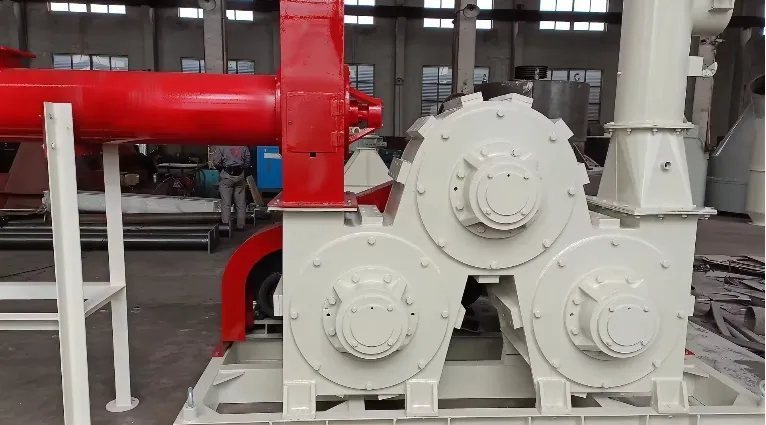
Surface Modification Processes
Based on the nature of the modifier, surface modification can be classified into organic and inorganic modifications. Among them, organic modification is the most widely used. The key technology for organic modification is organosilane treatment, where organic functional groups replace hydroxyl groups on the silica surface.
Organic modification methods are generally divided into dry, wet, and pressurized heat methods. Currently, developed countries mainly use the dry method for modifying fumed silica.
Advantages of the Dry Method:
- Simple process with fewer post-treatment steps.
- Easy integration with the fumed silica production process.
- Suitable for large-scale industrial production.
Disadvantages of the Dry Method:
- High consumption of modifier.
- Requires high equipment standards and strict operating conditions.
- Relatively high production cost.
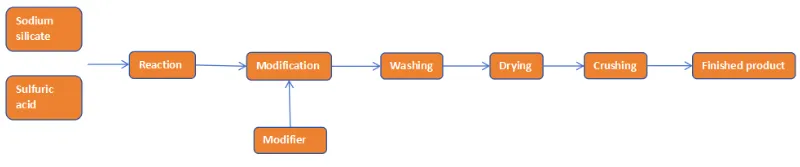
The wet modification method is also commonly used and mainly includes two approaches:
Advantages of the Wet Method:
- Lower modifier consumption.
- Simple process and fewer equipment requirements.
- Lower production cost and better quality control.
Disadvantages of the Wet Method:
- Complex post-treatment process.
- Environmental pollution issues.
- Difficult to scale up for industrial mass production.
Another wet modification approach involves in-situ modification during the precipitation process of silica, which can enhance efficiency and integration.
Comparison: Dry Method vs. Wet Method
| Feature | Dry Method | Wet Method |
|---|---|---|
| Modifier Consumption | High | Lower |
| Equipment Requirements | High standards, strict conditions | Simple, fewer requirements |
| Production Cost | Relatively high | Lower |
| Process Complexity | Simple process, fewer post-treatment steps | Complex post-treatment process |
| Quality Control | Consistent, easier to control | Better quality control reported |
| Environmental Impact | Relatively greener | Pollution issues |
| Industrial Scalability | Suitable for mass production | Difficult to scale up |
| Integration | Easy integration with fumed silica production | In-situ modification possible during precipitation |
Epic Powder’s perspective: The dry method offers superior scalability and product consistency for large-volume industrial applications, while the wet method can be cost-effective for smaller batches or specialized formulations. The choice ultimately depends on your production volume, quality requirements, and environmental compliance strategy.
Common Modifiers and Modification Principles
Common modifiers include organic halogenated silanes, silane coupling agents, silylamines, siloxanes, and alcohol compounds. These reagents chemically bond to or replace the surface hydroxyl groups on silica, thus improving hydrophobicity, dispersibility, and compatibility with organic materials.
Applications of Modified Silica
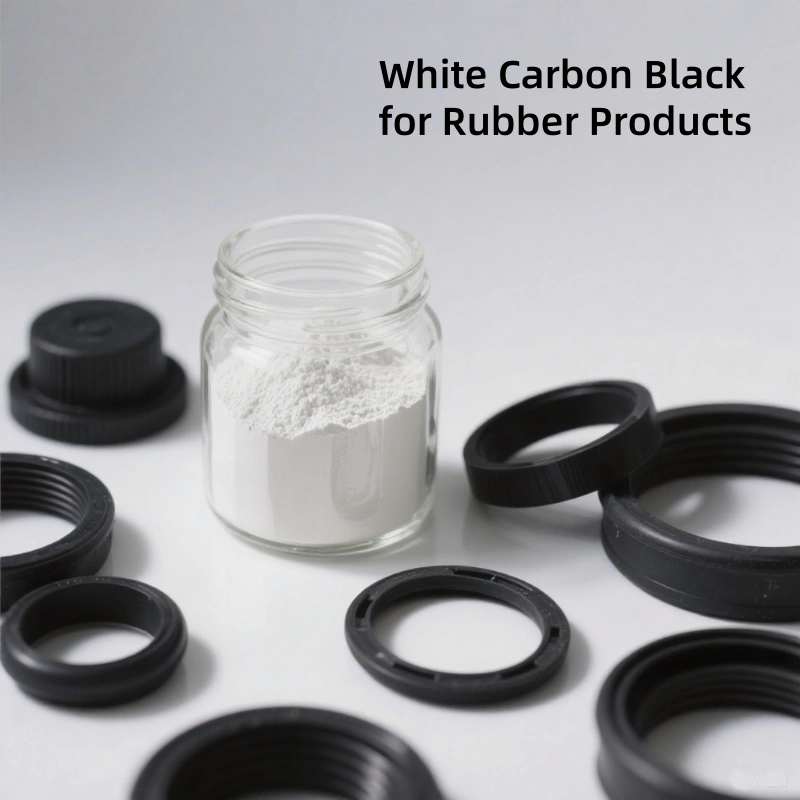
Modified silica is an important reinforcing agent in rubber products, filling the gap where carbon black cannot be used in light-colored materials. In tire manufacturing, adding modified silica improves the mechanical strength of rubber, reduces hysteresis loss, lowers rolling resistance, and maintains excellent wet skid resistance.
In sealants and adhesives, modified silica enhances dispersibility, compatibility, and product durability. In coatings, silica serves as a common matting agent; the use of modified silica improves its dispersion and reduces aggregation or sedimentation issues.
Compared with ordinary silica, modified silica demonstrates better overall performance and a broader application range.
Conclusion
Modified silica not only retains the excellent properties of regular silica but also features enhanced hydrophobicity and improved surface characteristics. This greatly expand the application potential. With the continuous development of economy, the market demand for modified silica continues to grow. Developing environmentally friendly, cost-effective, and large-scale production technologies for modified silica has become a key direction for silica manufacturers in the future.
Ready to Optimize Your Silica Performance?
Choosing the right modification process can be tricky. Contact us for a free consultation and customized solution! Our expert team is dedicated to providing high-quality products and services to maximize the value of your powder processing.

“Thanks for reading. I hope my article helps. Please leave a comment down below. You may also contact EPIC Powder online customer representative Zelda for any further inquiries.”
— Jason Wang, Engineer