
What Is the Complete Manufacturing Process of NdFeB Permanent Magnets?
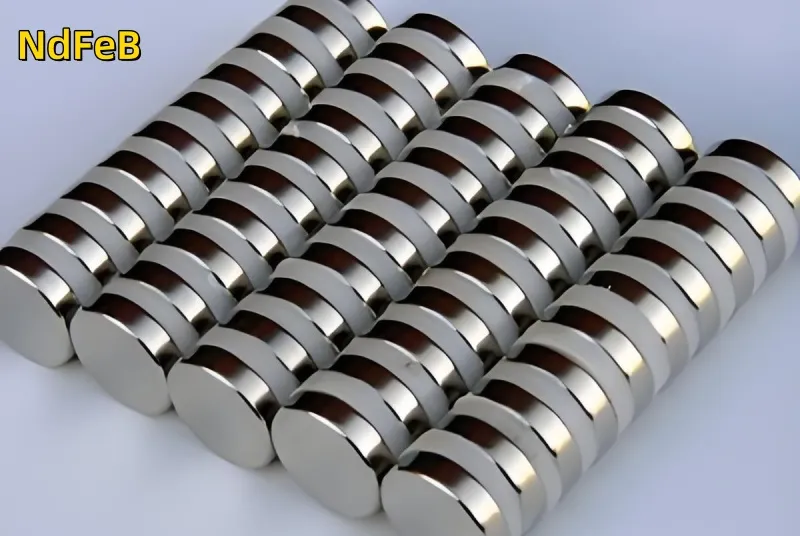
Neodymium–iron–boron (Nd-Fe-B) is the most representative rare-earth permanent magnetic material. Its main composition includes neodymium (Nd), iron (Fe), and boron (B), where rare-earth elements account for about 25–35%, iron 65–75%, and boron around 1%. NdFeB is currently the permanent magnetic material with the highest magnetic energy product in the world and is known as the […]
How Does a Porous Carbon Jet Pulverizer Perform Ultra-fine Battery Anode Grinding?
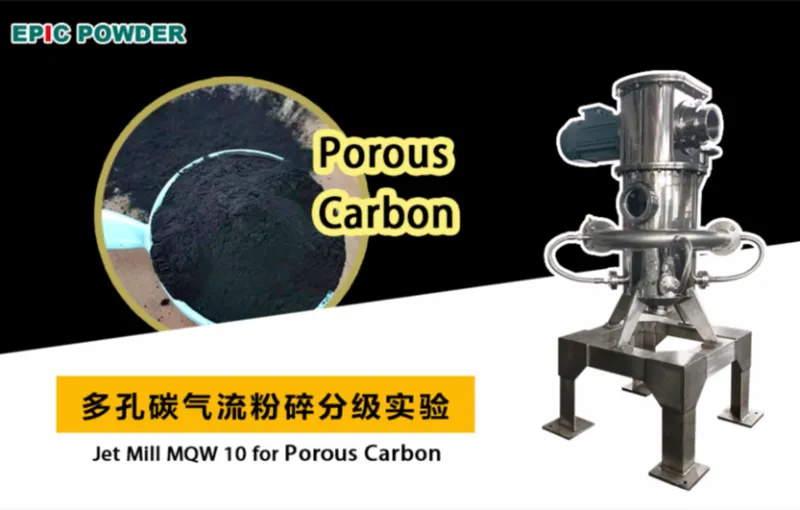
An advanced porous carbon jet pulverizer delivers ultra-fine grinding with precise D50 below 2 microns and contamination-free milling for next-generation battery anode materials. Porous carbon—particularly silicon–carbon composites—is reshaping the performance standards of modern high-energy batteries. However, achieving ultra-fine, contamination-free particle sizes while preserving the delicate porous structure remains extremely challenging. Traditional mechanical mills struggle to […]
Why Must NdFeB Be Pulverized Using a Jet Mill?
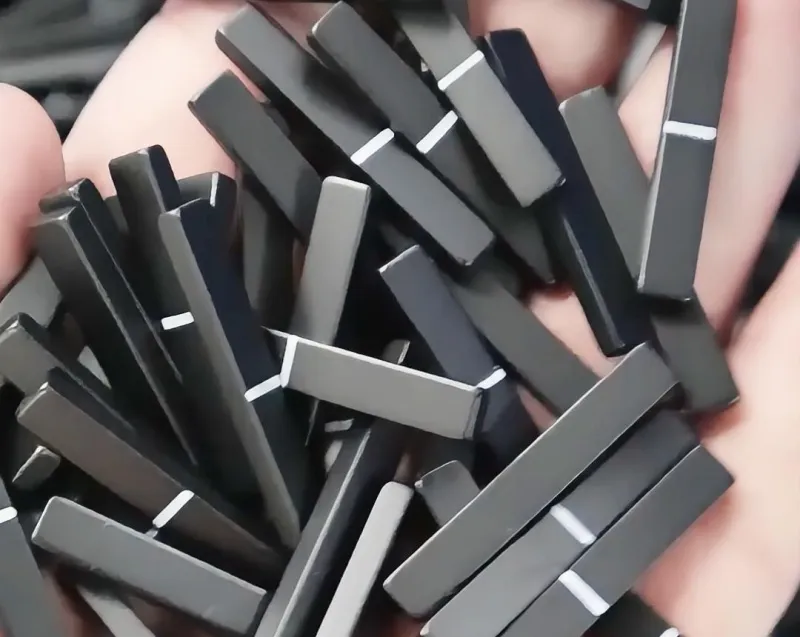
NdFeB (Neodymium-Iron-Boron) is the strongest permanent magnetic material available today. And It is widely used in EV traction motors, wind turbines, consumer electronics, and more. In its manufacturing process, the pulverization step is critical because it directly affects particle-size distribution, oxygen content, and the final magnetic performance. Traditional mechanical pulverization methods (such as ball mill […]
Silicon-Carbon Anode: The Key Breakthrough for the High Energy Density Era
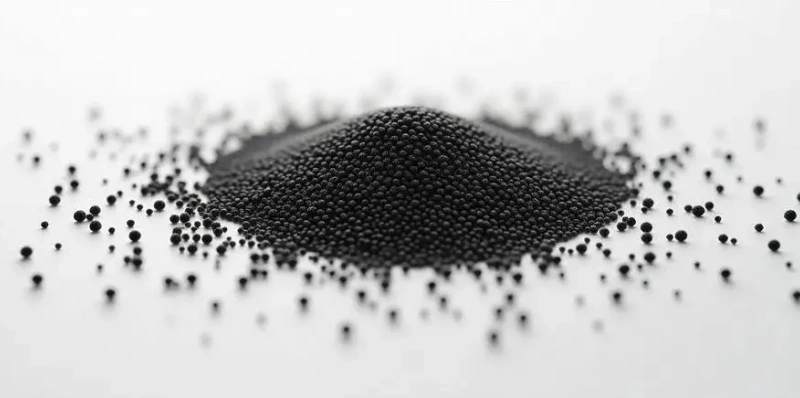
Overview of Silicon-Carbon Anode: The Inevitable Choice Beyond Graphite Limitations Graphite Anode Reaching Its Performance Limit Currently, graphite dominates lithium battery anode materials, accounting for over 80% of the market. Its theoretical capacity is 372 mAh/g, while practical performance has already reached around 360 mAh/g — nearly the theoretical limit.However, as electric vehicles, 3C electronics, […]
How Much Do You Know About Surface Modification of Silica?
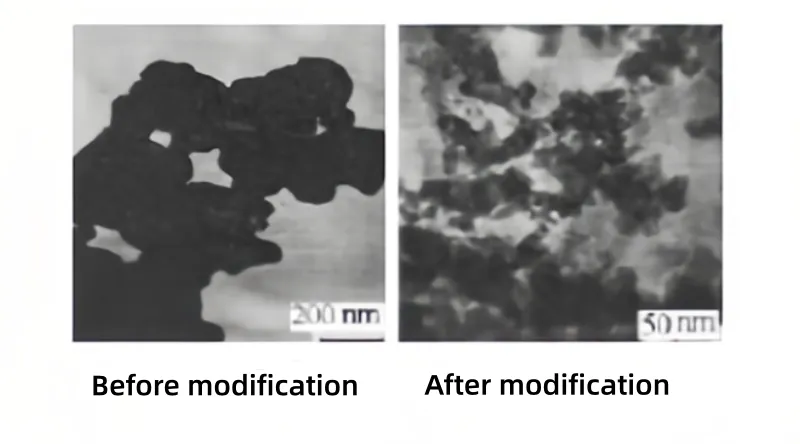
Silica, also known as silicon dioxide, is an important inorganic chemical raw material. Due to its unique surface structure and particle morphology, silica exhibits excellent stability, reinforcing capability, thickening behavior, and thixotropy. These properties make it a crucial inorganic filler in many fields such as rubber, coatings, and plastics. However, to fully unlock its potential […]
Grinding Equipment That Delivers Precision: From Battery Materials to High‑End Electronics
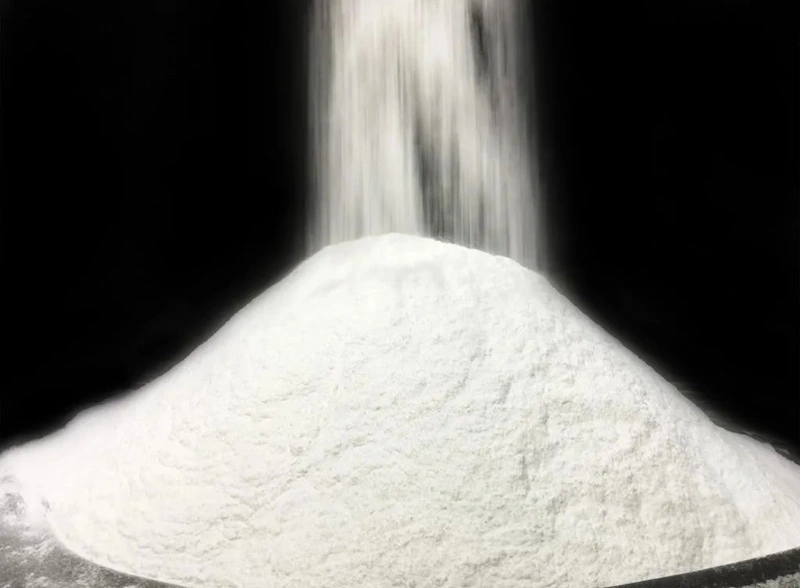
Have you ever wondered why a smartphone screen resists scratches so well, or why a premium foundation blends effortlessly into your skin? The secret is the grinding equipment that turns raw minerals into perfectly sized particles. At Epic Powder, we deliver the precision that makes modern materials perform. Why Grinding Equipment Is Important For decades, discussions around […]
Lithium Carbonate Jet Milling Technology – Precision Processing for High-Purity Battery Materials
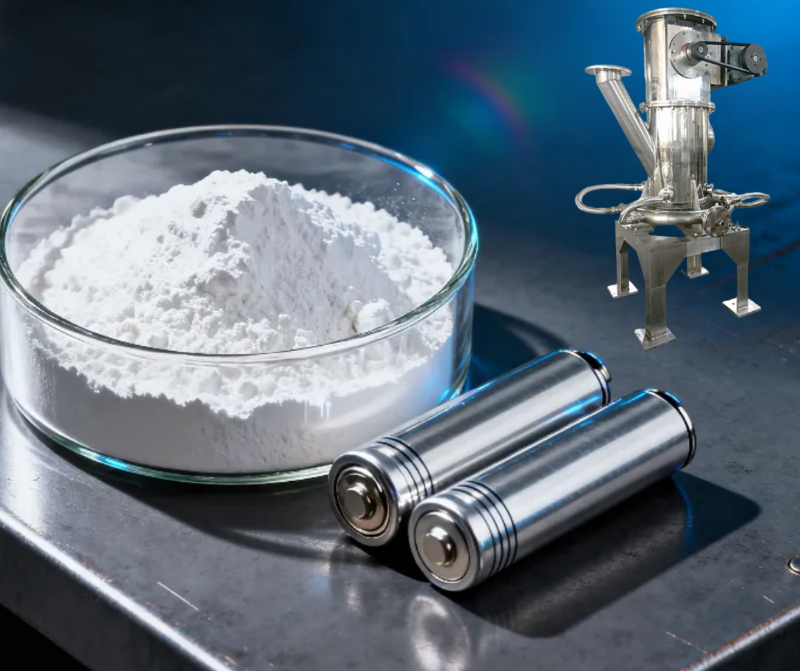
Lithium carbonate (Li₂CO₃) is one of the core raw materials in the lithium battery industry chain. It is widely used in the synthesis of cathode materials for power batteries, energy storage batteries, and consumer electronics. With the rapid growth of new energy vehicles and energy storage, the requirements for Li₂CO₃ purity, particle size distribution, and […]
Artificial Graphite Anode Grinding Process

In the production process of artificial graphite anodes, grinding is an essential front-end step. As the very first stage, it plays a crucial role in determining efficiency and product quality. Artificial graphite anode grinding equipment mainly includes roller mills, mechanical mills, and jet mills. Jet mills are mainly used for asphalt pulverization, roller mills are […]
Research on Pyrolytic Carbon Black Pulverization Technology

Pyrolytic Carbon Black (PCB) is a type of carbon black obtained through pyrolysis of organic materials like waste rubber and plastic. It has a high specific surface area and strong physicochemical stability. It is widely used in industries such as tires, rubber, plastics, coatings, and inks. It serves as a blackening agent, filler, or conductive […]