
Food Processing: Why Is Ultrafine Grinding Indispensable?

Ultrafine grinding technology is an advanced technique that uses mechanical or fluid dynamics to break down materials ranging from 0.5 to 5.0 mm in size into micrometer- or even nanometer-scale particles. Compared to traditional grinding methods, it offers the advantages of material savings, faster processing speeds, and a finer, more uniform particle size distribution. To […]
Slag Grinding Ball Mill Systems: Engineering Specs, Cost Analysis, and Project References
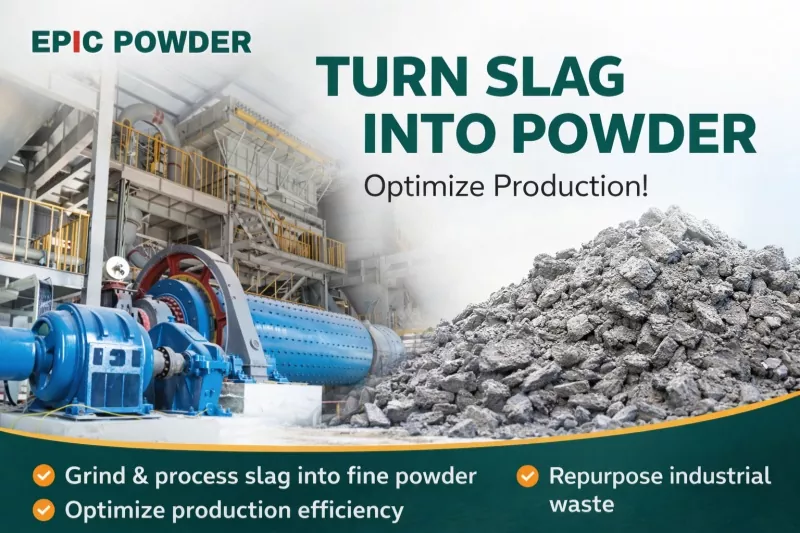
In the metallurgical industry, slag has long been viewed as a by-product. It’s waste to be disposed of. Today, however, granulated blast furnace slag (GBFS) and steel slag have become valuable resources. When finely ground into slag powder, these materials serve as high-performance supplementary cementitious materials (SCMs) that can replace a portion of cement in […]
Three‑Roller Coating Machine for White Carbon Black Modification

As a procurement manager or process engineer, you know that white carbon black (precipitated or fumed silica) is a high‑value functional filler. Its immense surface area and reinforcing ability can transform ordinary polymers into advanced materials. Yet the same properties that make silica valuable also create two stubborn challenges: agglomeration and poor compatibility with organic […]
Stability Control of Grinding Technologies for Cell Culture Media Production
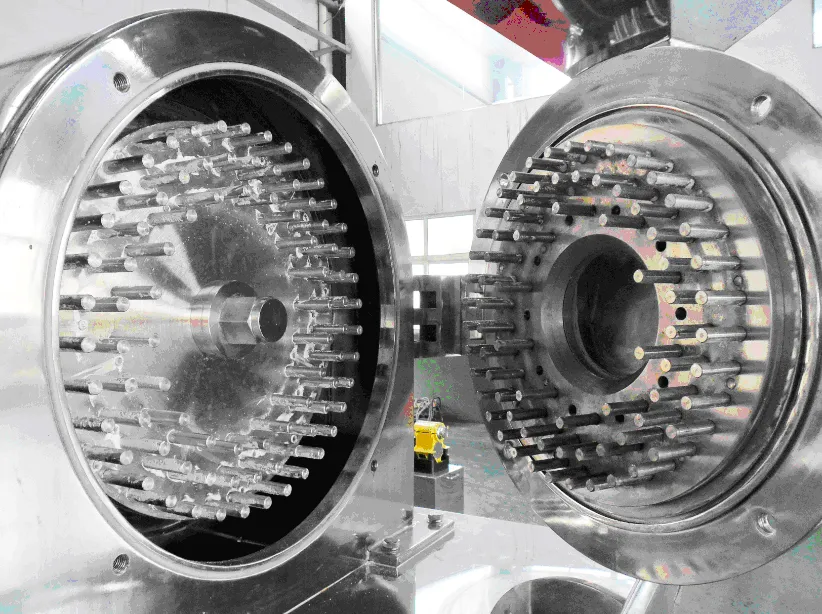
In the field of cell culture medium production, grinding technology plays a crucial role, as it directly affects the quality and performance of the medium, which in turn impacts the final outcome of biopharmaceuticals. The dry powder grinding process is a key factor in determining medium stability. During this process, decisions regarding mixing, grinding, and […]
Material Advantages, Processing, and Applications of Bamboo Powder
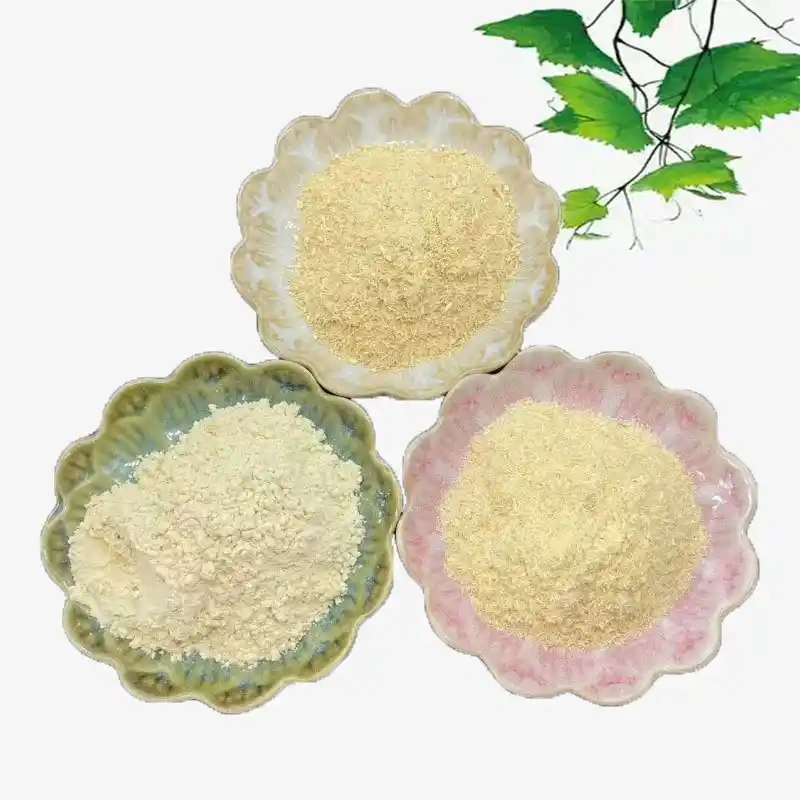
I. Overview of Bamboo Powder 01 What Is Bamboo Powder? In modern industry, bamboo powder refers to a fine powder produced by mechanically crushing and grinding bamboo (including bamboo stalks, leaves, etc.). As an important biomass filler material, bamboo powder is characterized by its eco-friendliness, low carbon footprint, biodegradability, and low cost. It is widely […]
Plant Fiber Modification: Particle Size & RTM Turbo Mill | Epic Powder
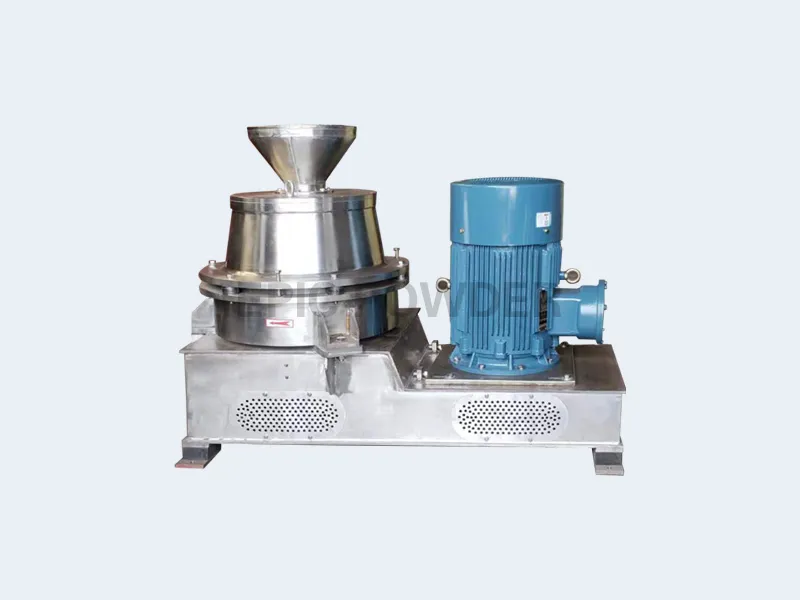
If you work in a biotech company that processes plant fibers, you have probably asked this question:What particle size and other specifications should I aim for when modifying plant fibers? Plant fibers are tough, heat-sensitive, and tend to clump. That’s where the RTM Turbo Mill Coating System comes in. It combines fine grinding, drying, and […]
How to Achieve Efficient Ultra-fine Grinding of Inorganic Solid Electrolytes Using Traditional Ball Mills?
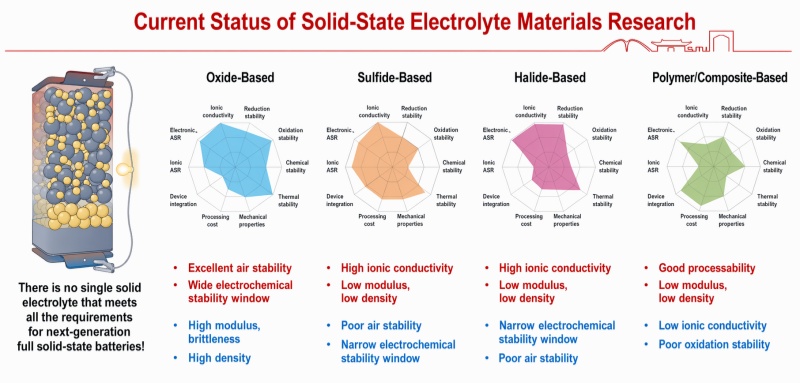
In the research and industrialization of All-Solid-State Batteries (ASSBs), Inorganic Solid Electrolytes (ISEs) are regarded as the core key materials. Whether they belong to the oxide system (e.g., LLZO), the sulfide system (e.g., Li3PS4、Li10GeP2S12), or the halide system, their physical morphology, particle size distribution, and specific surface area directly determine the final performance of the […]
What Are the Common Methods, Influencing Factors, and Applicable Objects for Powder Surface Modification?
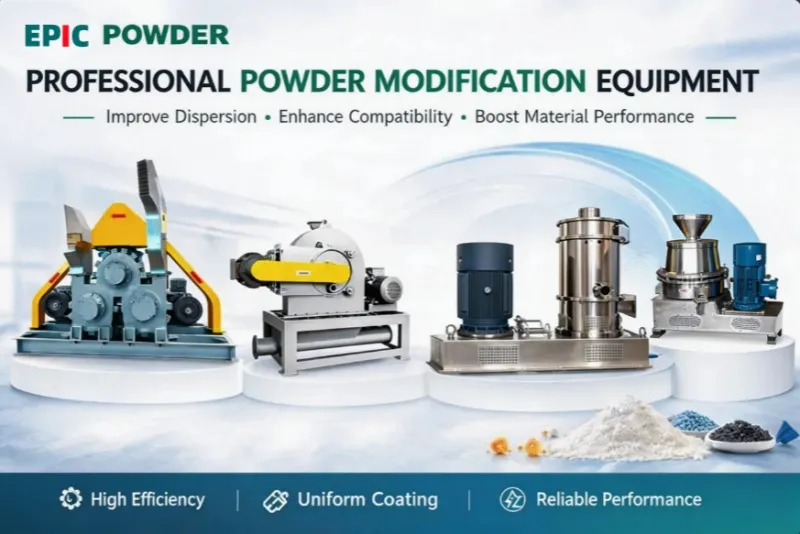
In powder processing and application, surface modification is often carried out to adapt powders to practical usage requirements. This allows precise control over the surface physicochemical properties of powders, meeting the development needs of modern materials, processes, and applications. Based on the characteristics of different powders and practical application scenarios, we have summarized common modification […]
Why is Jet Milling Essential for High Purity Submicron Boehmite Ultrafine Grinding?

If you’re working with boehmite ultrafine grinding, you know achieving the perfect particle size and purity is non-negotiable—especially for high-stakes applications like lithium battery separator coatings. Grinding boehmite down to submicron scales presents unique challenges: avoiding contamination, controlling particle size distribution (PSD), and preserving thermal stability. That’s why jet mill technology stands out—it delivers contamination-free, […]