
Yeni enerji sektöründe enerji yoğunluğu ve performans gereksinimlerinin sürekli artmasıyla birlikte, parçacık boyutu dağılımı (PSD) lityum demir fosfat (LFP), bulamaç miktarını belirleyen önemli bir faktör haline gelmiştir. kaplama Kalite ve elektrokimyasal performans.
Bu talepleri karşılamak için, önde gelen yerli bir üretici, daha kısa iyon difüzyon yolları ve daha yüksek malzeme aktivitesi elde etmek amacıyla lityum pil katot malzemelerinin öğütülmesine odaklandı. Şirket, metalik safsızlıkların (çinko aşınması gibi) artışını sıkı bir şekilde kontrol ederken ve dar bir parçacık boyutu dağılımını korurken, LFP malzemesinin D50 1,30 μm'ye kadar öğütülmesini şart koştu.
1. Lityum Pil Katot Malzemelerinin Taşlanması İçin Temel Ekipman Seçimi
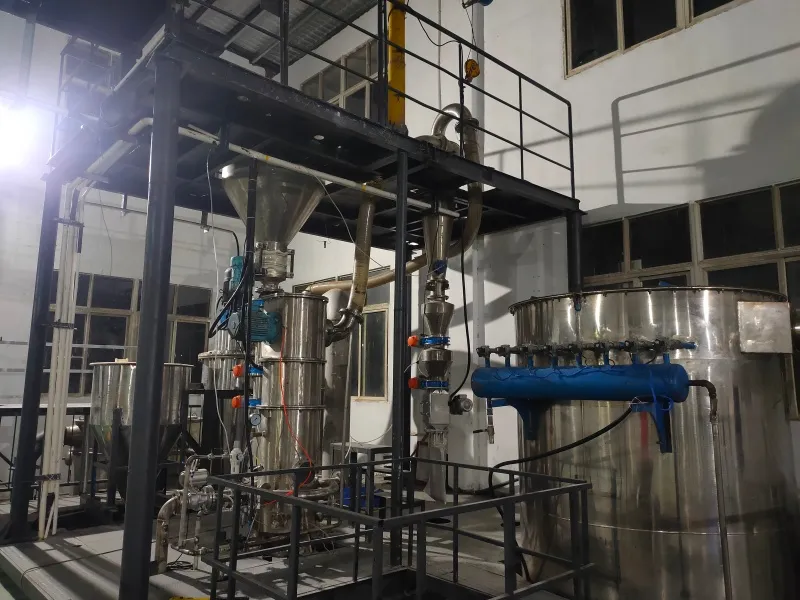
Teçhizat: Epik Toz MQW Serisi Akışkan Yataklı Jet Değirmen
Teknik Özellikler:
- Çoklu nozullu işbirlikçi tasarım:
MQW serisi, öğütme haznesinin etrafına zıt yönlerde yerleştirilmiş nozullar kullanır. Süpersonik hava akışı, parçacıkların birbirine çarpışmasını ve kendi kendine öğütülmesini sağlayarak ekipman duvarlarındaki aşınmayı büyük ölçüde azaltır. - Yüksek hassasiyetli sınıflandırma:
Yatay yüksek hızlı sınıflandırma tekerleği ile donatılmıştır. Dönme hızını (RPM) ayarlayarak, büyük boyutlu parçacıklar hassas bir şekilde kesilebilir. - Tam seramik koruma:
Pil sınıfı malzemeler için, ürünle temas eden tüm parçalar (nozullar, sınıflandırıcı tekerlek, astarlar) alümina veya silisyum karbür seramik karolardan üretilir ve bu da şunları sağlar: sıfır metal kirliliği.
2. Üretim Parametreleri ve Ölçülen Sonuçlar
1,30 μm hedefi için yerinde devreye alma sırasında aşağıdaki veriler kaydedildi:
| Öğe | Proses Parametresi / Test Sonucu |
|---|---|
| Yem parçacık boyutu | D50 ≈ 15–20 μm |
| Öğütme basıncı | 0,7–0,8 MPa |
| Sınıflandırıcı tekerlek hızı | 3.500–4.200 RPM (modele göre ayarlanmış) |
| Son ürün D50 | 1,30 μm |
| PSD özelliği | Dar dağılım eğrisi, D100'ün etkin bir şekilde kontrol edilmesiyle. |
3. Temel Avantajlar
- Morfoloji koruması:
Mekanik değirmenlerle karşılaştırıldığında, MQW jet değirmen Öğütme sırasında çok az ısı üretir ve bu sayede LFP parçacıkları üzerindeki karbon kaplama tabakasının hasar görmesini etkili bir şekilde önler. - Yüksek verimli dağıtım:
The jet frezeleme Bu işlem, güçlü bir topaklanmayı önleme özelliği sağlayarak, ultra ince LFP tozlarının topaklanma eğilimini ortadan kaldırır. - Yüksek otomasyon seviyesi:
Sistem, negatif basınçlı toplama ve otomatik kontrolü entegre ederek, standartlara uygun toz emisyonunu ve partiden partiye tutarlı kaliteyi sağlar.
4. Sonuç
Bunu benimseyerek Epik Toz MQW serisi jet değirmeni ile müşteri, lityum demir fosfatın ince parçacık boyutundan ultra ince parçacık boyutuna istikrarlı bir geçişini başarıyla gerçekleştirdi. 1,30 μm'de hassas kontrol, yalnızca deşarj hızını iyileştirmekle kalmadı, aynı zamanda pil malzemesi, Ancak aynı zamanda şirketin yüksek güçlü batarya pazarındaki rekabet gücüne de güçlü teknik destek sağladı.