
ジルコニア製粉砕媒体が攪拌式ボールミルに必ずしも最適な選択肢ではない理由
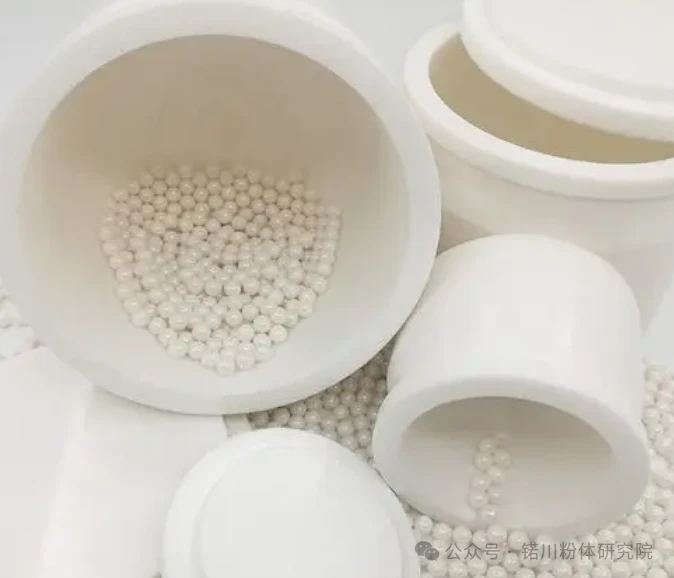
電子ペーストなどの粉末加工業界では、撹拌式ボールミルは中核となる装置です。粉砕媒体やライナー材を選ぶ際、多くの人がジルコニアを選択します。ジルコニアは耐摩耗性、化学的安定性、そしてバランスの取れた密度を備えているからです。このような考え方は実際の生産現場では非常に一般的ですが、同時に多くの隠れた問題の根源にもなっています。ジルコニアは確かに総合的に優れた性能を持つ材料ですが、あらゆるプロセスに対応できる万能薬ではありません。ジルコニアを盲目的に信頼すると、製品の汚染、粉砕効率の低下、場合によってはバッチ全体の材料を廃棄することさえあります。この記事では、ジルコニアが万能薬ではない理由と、ジルコニアがなぜ優れた性能を発揮するのかを探っていきます。
耐火キャスタブルにおける3つの主要な超微細粉末の役割
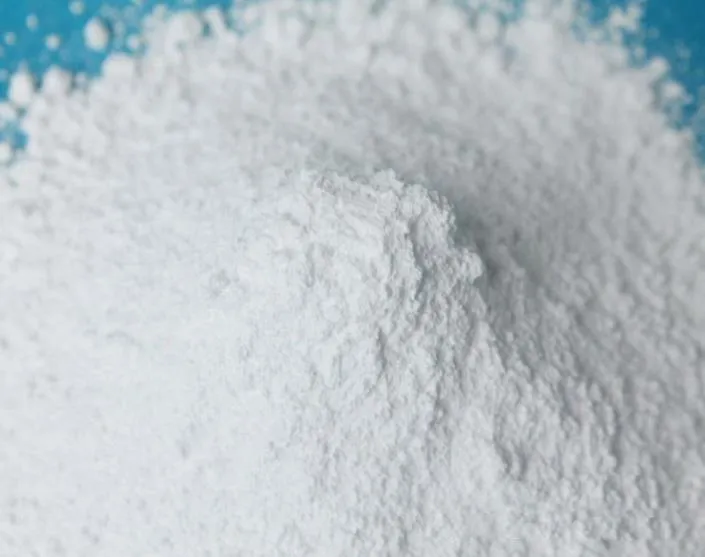
耐火材料の進化 産業技術の継続的な進歩により、材料科学における高品質微粉末の需要が高まっています。耐火物業界では、従来のセメント結合キャスタブルは、高い多孔性、構造的完全性の低さ、機械的強度の不足など、長年にわたり重大な欠点を抱えてきました。これらの制約により、高度な耐火キャスタブルの開発が喫緊の課題となっています。超微粉末技術の出現と応用は、耐火材料の進歩を間違いなく促進してきました。様々な添加剤の中でも、活性シリカフューム(SiO₂)とα-Al₂O₃微粉末は耐火キャスタブルに最も広く使用されており、次いでSiC、高アルミナ粉末、白色溶融アルミナ、褐色溶融アルミナ、ジルコン、スピネル粉末が使用されています。 […]
粉体材料完全ガイド:種類、用途、および極限環境下での性能
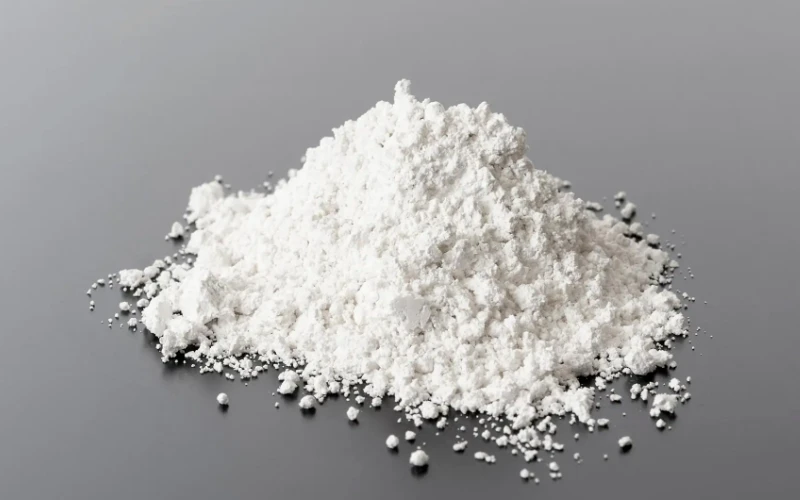
粉末材料は、現代の工業製造の基盤を形成しています。3Dプリンティングを可能にする微細な粒子から、最も過酷な海洋環境下で船舶を保護するコーティングまで、これらの人工材料は、重要なインフラの構築、保護、維持の方法を変革しています。この包括的なガイドでは、粉末材料の全範囲を探ります。粉末材料とは?粉末材料は、ナノメートルからミリメートルまでのサイズを持つ固体粒子で、通常は機械的粉砕、噴霧、または化学合成によって製造されます。その独自の微細構造と巨視的な性能の組み合わせにより、製造、エネルギー、および保護用途において不可欠なものとなっています。気候変動が深刻化し、深海エネルギーと原子力エネルギーの需要が増加するにつれて、粉末材料の革新は[…]
改質タルク粉末:次世代農業用フィルム完全ガイド
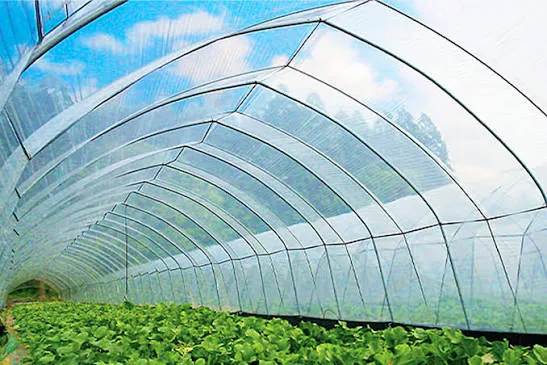
長年にわたり、農業用フィルムメーカーと農家は、温室の温暖化の遅さ、フィルムの破れやすさ、ロールブロッキングによる取り扱いの困難さ、生分解性フィルムの高コストといった、根深い課題に苦慮してきました。こうした長年の業界の悩みを解決する糸口が、意外なところから現れました。それは、超微細な表面改質タルク粉末です。かつては安価で性能の低い充填剤として見過ごされていたタルクは、表面活性化とナノコンポジット改質によって大きく進化しました。今日では、次世代農業用フィルムに欠かせない機能性粉末となり、温室用断熱フィルム、光拡散性果物・野菜用フィルム、黒色雑草抑制マルチフィルム、生分解性フィルム、長寿命耐候性フィルムなどに使用されています。この記事では、タルクの革新的な価値、コア機能、そして重要な選定基準について詳しく解説します。[…]
タケノコの食物繊維の改良:超微粉砕によってその機能的可能性を最大限に引き出す方法
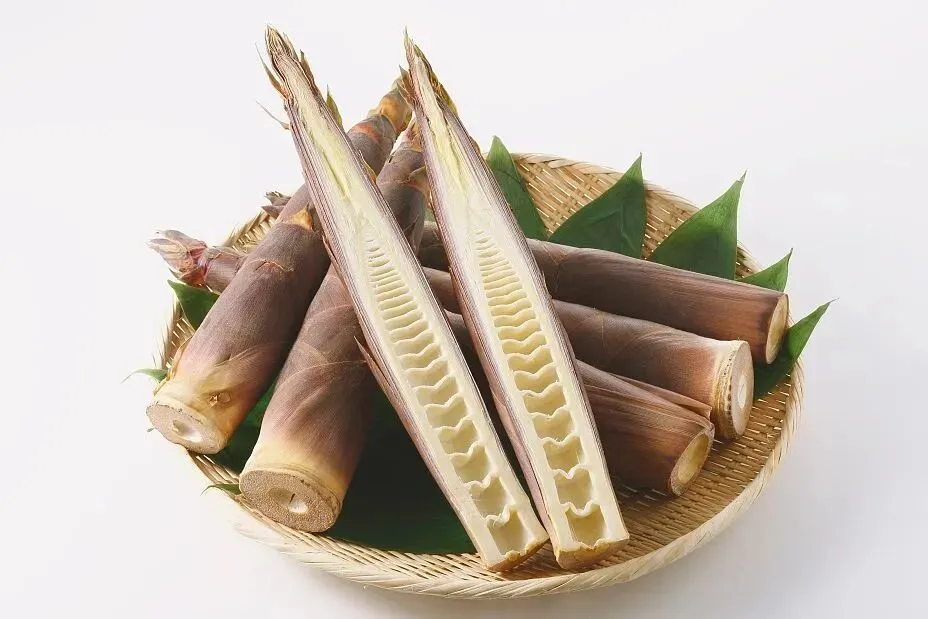
はじめに 食物繊維は、しばしば第7の栄養素、腸内清掃役とも呼ばれます。セルロース、ヘミセルロース、ペクチン、イヌリン、リグニン、サポニン、ワックス、クチン、難消化性タンパク質など、植物由来の多様な物質群を含みます。これらの成分は、水溶性食物繊維(SDF)と不溶性食物繊維(IDF)の2つの主要なカテゴリーに分類されます。食物繊維は食品中の最も重要な機能性成分の1つとして、人間の健康に重要な役割を果たします。消化器系の健康を促進し、血糖値とコレステロール値を調節することができます。タケノコは、タケ科(Bambusoideae)の柔らかい新芽で、食物繊維が非常に豊富です。タケノコ100グラムあたり0.58グラムの[…]
化粧品における無機粉末
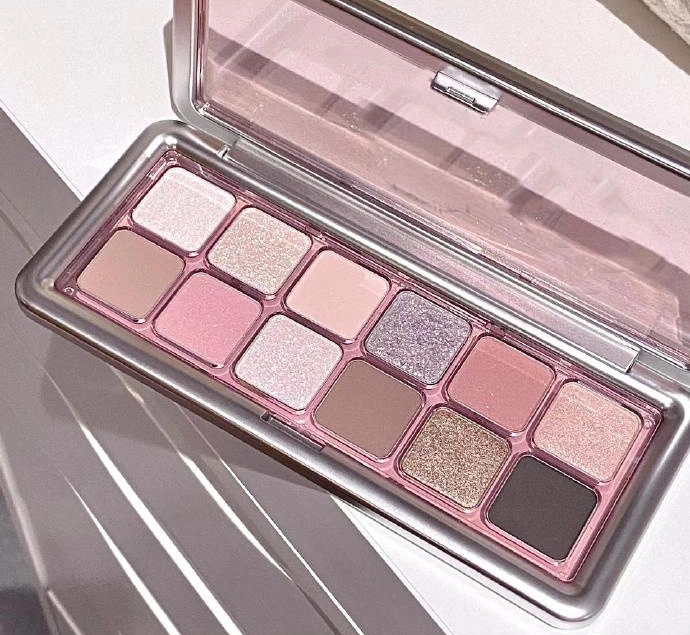
市場概要 世界のミネラル化粧品市場は、2025年に約$29億と評価され、2032年までに$38億に達すると予測されており、年平均成長率(CAGR)は4.1%です。他の推定では、2025年の市場規模は$28.5億から$38.8億の間とされ、2032年から2034年までに$5.01億から$6.24億に達すると予測されています。このより広いカテゴリーの中で、化粧品グレードの無機顔料だけでも、2025年には$1億3600万の市場規模であり、2032年までに$1億5800万に達すると予測されており、CAGRは2.17%です。アジア太平洋地域はこの分野を支配しており、世界のミネラル化粧品市場の約35%を占めています。世界第2位の経済大国である中国は、年平均成長率(CAGR)7.51兆3000億ドルで成長すると予測されており、これは世界全体の成長率を大幅に上回る。[…]
高級歯磨き粉グレードの含水シリカ製造:粒子サイズと粉砕精度の追求
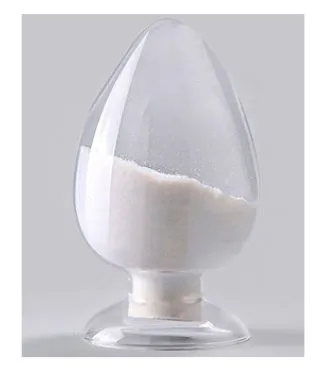
はじめに 歯ブラシに歯磨き粉を絞り出すたびに、あなたは現代の製造業において最も精密に設計された粉末の一つである含水シリカを扱っています。しかし、歯磨き粉メーカーにとって、その品質は極めて重要です。粒子径が大きすぎる含水シリカ(D100が20μmを超えるもの)が1バッチでも混入すると、出荷拒否、ブランドイメージの低下、さらにはエナメル質知覚過敏を訴える消費者からの賠償請求につながる可能性があります。市場をリードするホワイトニング歯磨き粉と、失敗に終わった処方の違いは、しばしばミクロン単位の差に集約されます。Epic Powderでは、理想的な粒子径分布を実現するには精密なエンジニアリングが必要であることを理解しています。このガイドでは、ホワイトニングシリカが国際的な安全性と有効性の基準を満たすことを保証する、重要な粉末処理パラメータについて詳しく解説します。[…]
食品加工:超微粉砕が不可欠な理由とは?
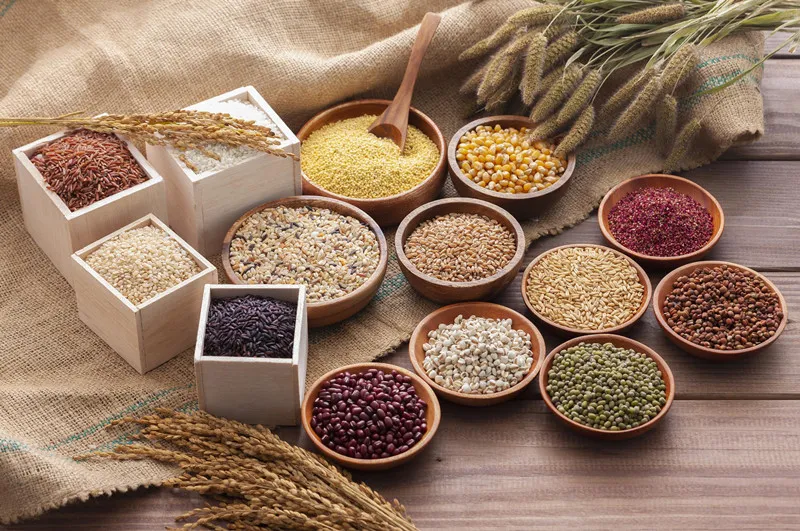
超微粉砕技術は、機械的または流体力学を用いて、0.5~5.0 mmサイズの材料をマイクロメートル、あるいはナノメートルスケールの粒子に粉砕する高度な技術です。従来の粉砕方法と比較して、材料の節約、処理速度の向上、より微細で均一な粒度分布といった利点があります。ある程度、超微粉砕技術は食品の食感と風味を向上させるだけでなく、栄養素の体内吸収と利用を改善し、様々な食品が持つ機能的なメリットをより効果的に発揮できるようにします。食品加工業界における超微粉砕技術の利点 高速粉砕と優れた温度制御 超微粉砕技術の全体的な効果 […]
スラグ粉砕ボールミルシステム:エンジニアリング仕様、コスト分析、およびプロジェクト事例
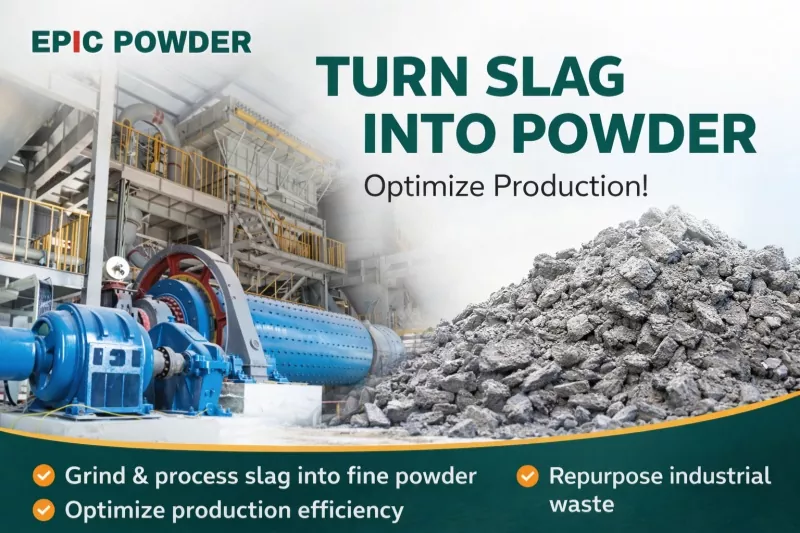
冶金業界では、スラグは長らく副産物とみなされてきました。つまり、廃棄すべき廃棄物です。しかし今日では、粒状高炉スラグ(GBFS)と製鋼スラグは貴重な資源となっています。これらの材料を微粉砕してスラグ粉末にすると、コンクリート中のセメントの一部を置き換えることができる高性能補助セメント系材料(SCM)として利用でき、建設コストと環境負荷の両方を削減できます。この変革の中心にあるのがスラグ粉砕ボールミルです。この技術は数十年にわたりスラグ処理の主力として活躍し、世界中の操業において実績のある信頼性の高い性能を提供し続けています。スラグ粉砕ボールミルとは? スラグ粉砕ボールミルは […]