
空気分級機ミル - 高度な水酸化ナトリウム粉末粉砕装置
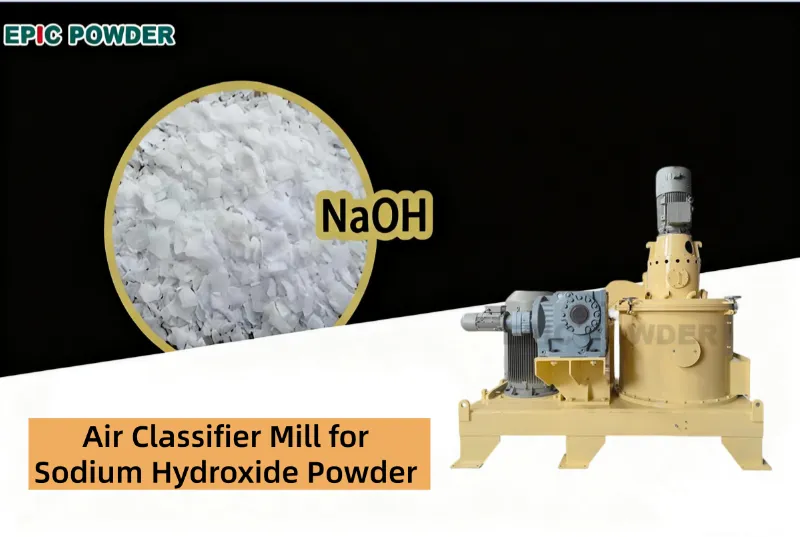
Sodium hydroxide (NaOH), commonly known as caustic soda, is a widely used and essential industrial chemical. It plays a critical role in chemical manufacturing, water treatment, as well as soap and detergent production. Although its applications are extensive, many modern industries now demand finer sodium hydroxide powders. To meet this need, the air classifier mill has become an efficient solution for producing ultrafine sodium hydroxide powder. This article explores the properties and applications of sodium hydroxide, and the advantages of using a air classifier mill in its powder grinding. Sodium Hydroxide: Properties and Applications Sodium hydroxide is a highly alkaline compound, commonly available in solid forms such as flakes, granules, […]
炭酸リチウムジェットミル技術 – 高純度電池材料のための精密加工
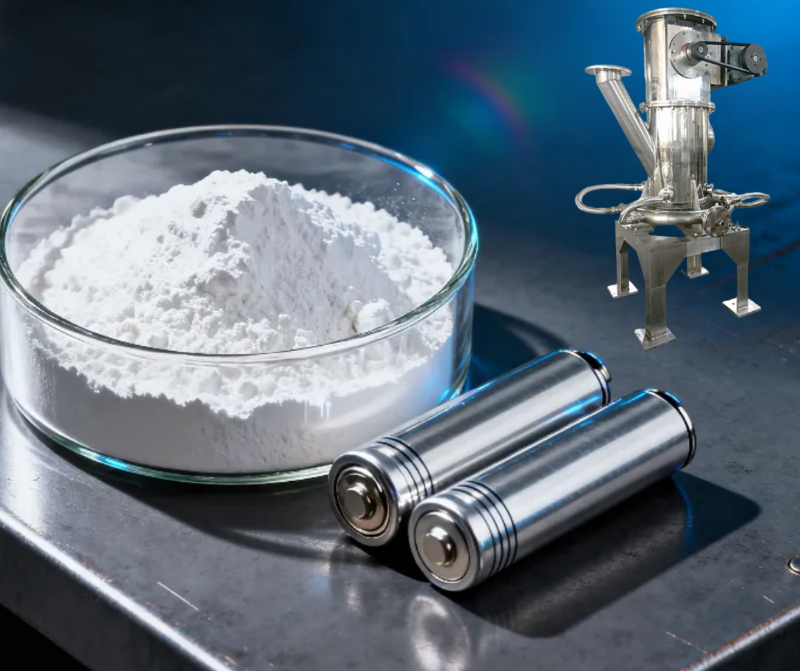
Lithium carbonate (Li₂CO₃) is one of the core raw materials in the lithium battery industry chain. It is widely used in the synthesis of cathode materials for power batteries, energy storage batteries, and consumer electronics. With the rapid growth of new energy vehicles and energy storage, the requirements for Li₂CO₃ purity, particle size distribution, and dispersion are increasing. To meet the demands of advanced lithium battery materials, the jet mill has become an essential technology for ultrafine pulverization and classification of lithium carbonate. Properties and Applications of Lithium Carbonate Lithium carbonate is a white crystalline powder with high chemical purity, good thermal stability, and reactivity. In lithium battery applications, it […]
人工黒鉛陽極材料の製造工程とはどのようなものですか?
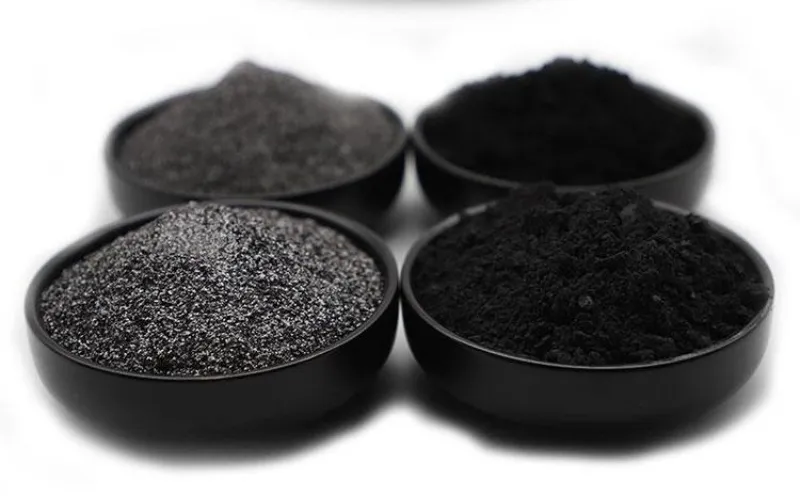
The production of artificial graphite anode materials involves multiple key processes. These processes are closely linked and mutually influential, collectively determining the performance and quality of the final product. The following is a brief overview of the main processes: Serial Number Process Name Main Function 1 Raw Material Inspection Ensure that incoming materials meet quality standards and control product quality from the source. 2 Coarse Crushing Crush bulk raw materials to the specified size for uniform subsequent feeding. 3 Pulverization Achieve ultrafine grinding of materials and control particle size distribution, which impacts battery cell performance. 4 Shaping Control material particle size distribution, modify morphology, and increase powder tap density. 5 […]
銀粉分級技術と一般的に使用される装置の紹介
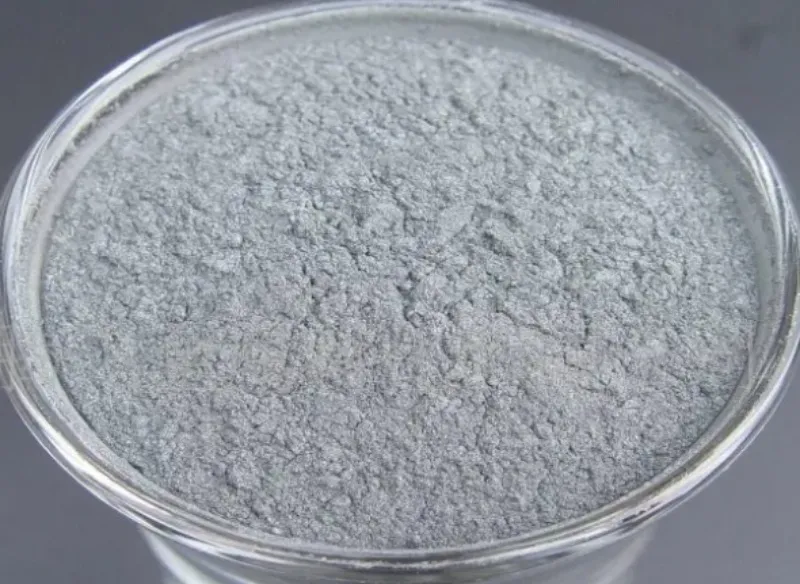
The particle size range of spherical silver powder used in crystalline silicon solar front-side silver paste is 1.0–3.0 μm, while conventionally synthesized silver powder usually has a wide particle size distribution. Therefore, the prepared silver powder must undergo classification treatment to meet the requirements for silver powder used in crystalline silicon solar cell electrode silver paste. Performance Requirements of Silver Powder in Photovoltaic Silver Paste The requirements for silver powder in photovoltaic silver paste are not only reflected in particle size distribution but also include: Thus, classification is a key step in the preparation of silver powder. Current Classification Methods for Ultrafine Silver Powder At present, the industry mainly adopts […]
Silicon-Carbon Anode: Unlocking the Energy Density of All-Solid-State Batteries

When graphite anodes approach their theoretical capacity limit, who will become the “energy engine” of next-generation lithium batteries? With an ultra-high specific capacity of 1800 mAh/g, silicon-carbon anode is accelerating from laboratory research to large-scale industrialization—this is not just a material upgrade, but a revolution in energy density. Core Types of Anode Materials and Technical Features Graphite-Based Anodes Natural Graphite Artificial Graphite Silicon-Based Anodes Technical Routes: Advantages: Theoretical specific capacity of 4200 mAh/g (10× graphite), excellent fast-charging performance, abundant resources. Production Processes and Core Technologies Artificial Graphite Production Process: Raw material crushing → mechanical milling → granulation/coating → high-temperature graphitization → sieving & shaping Core Steps: Silicon-Based Anode Production Process: […]
空気選別機について、あなたはどれくらい知っていますか?
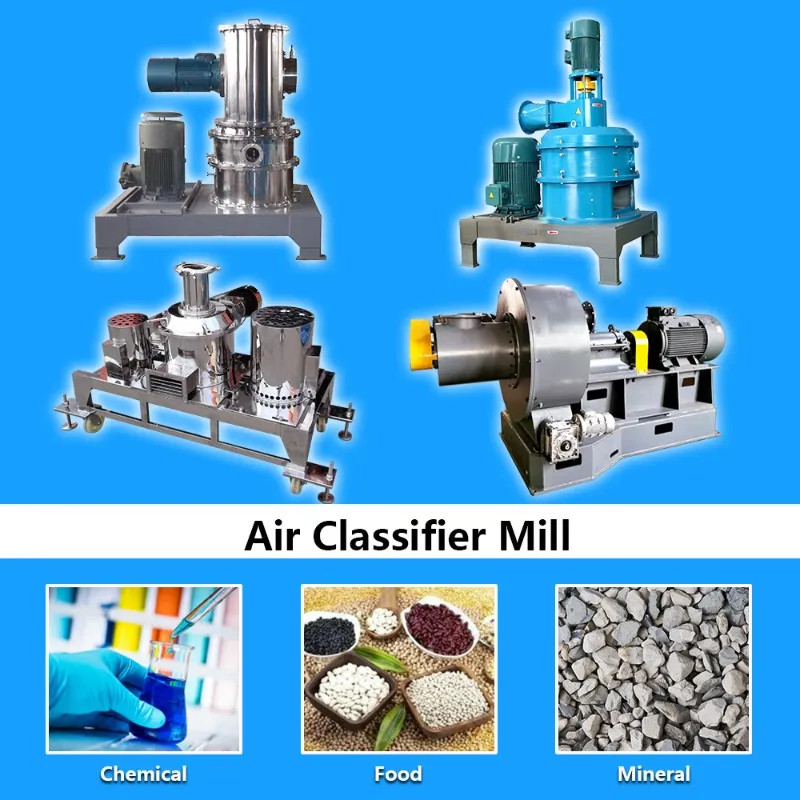
Q: What is an Air Classifier Mill? An air classifier mill (ACM) is a type of equipment used in powder processing, specifically designed for grinding materials and simultaneously classifying them into different particle sizes. It combines both grinding and air classification in one system, making it highly efficient for fine and ultrafine powder production. Q: How Does an Air Classifier Mill Work? The air classifier mill operates by using a rotating impeller inside a chamber to accelerate particles. As material enters the mill, it is broken down by impact forces from the blades of the rotating impeller. At the same time, air is forced through the system, carrying finer particles […]
リチウムニッケルコバルトマンガン酸化物(NCM):原材料から高性能正極材料まで

In the era of rapid growth in new energy vehicles and energy storage technology, lithium-ion batteries—serving as the core power source—are pivotal to the industry’s future. As the “star player” among cathode materials, Lithium Nickel Cobalt Manganese Oxide (NCM) has become the first choice for electric vehicles and high-end consumer electronics, thanks to its high energy density, long cycle life, and cost advantages. Lithium Nickel Cobalt Manganese Oxide (NCM) Materials: Why It’s the “Heart” of Lithium-Ion Batteries NCM (LiNiₓCoᵧMn₁₋ₓ₋ᵧO₂) is a layered ternary oxide material with key advantages: Applications: Electric vehicles, 3C electronics, home energy storage systems, and more. Full NCM Synthesis Process: Transformation from Atoms to Electrodes Raw Material […]
What is the Production Process and Equipment for Silicon-Carbon Anode Material?
Silicon-carbon anode, as another major mainstream technology route, have significant differences in their production process compared to silicon-oxygen anodes. The core difference lies in the preparation of nano-silicon powder and its composite method with carbon-based materials. Based on the different preparation processes, silicon-carbon anodes are mainly divided into two technical routes: the sand milling method and chemical vapor deposition (CVD). Among these, CVD is considered the most promising direction for future development. Preparation of Nano-Silicon Powder The preparation of nano-silicon powder is the key step in the production of silicon-carbon anodes. Currently, there are three main methods in industrial production: mechanical ball milling, chemical vapor deposition (CVD), and plasma evaporation […]
超微粉末分級技術の原理、プロセス、および代表的な装置
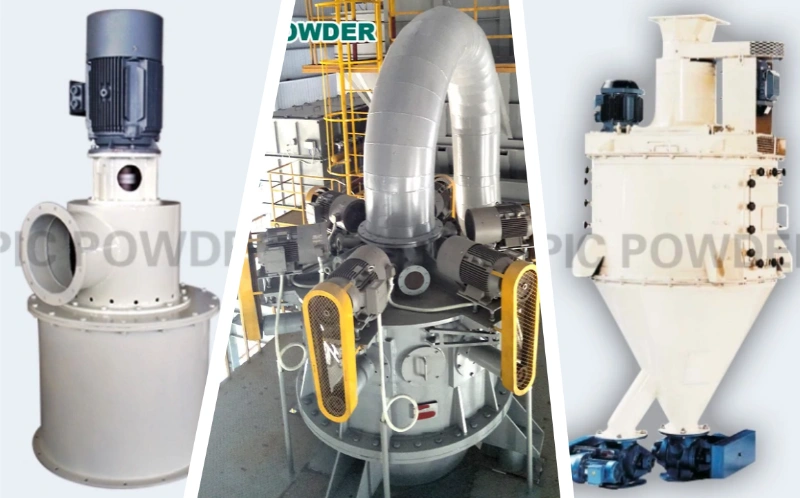
Ultrafine powder is not only the basic material for the preparation of structural materials, but also has unique functional properties. It is widely used in fine ceramics, electronic components, bioengineering, and new printing materials. It can also be used in many fields such as high-performance refractory materials and fine chemicals. As these industries continue to increase their requirements for powder performance, the position of ultrafine powder classification technology in the entire powder processing technology has become increasingly prominent. It has become a key link in improving product quality and energy efficiency. The Importance of Ultrafine Powder Classification During the crushing process, only some particles can reach the target particle size. […]