
Broyeur à classification pneumatique - Équipement de broyage avancé de poudre d'hydroxyde de sodium
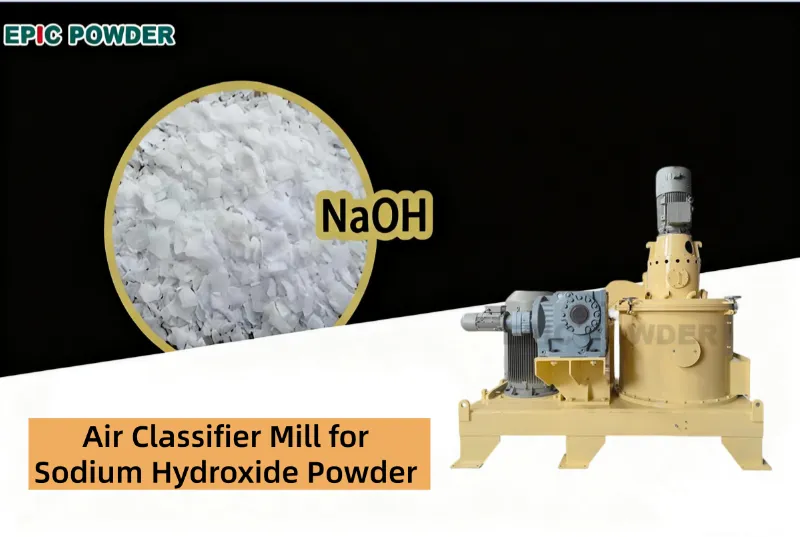
Sodium hydroxide (NaOH), commonly known as caustic soda, is a widely used and essential industrial chemical. It plays a critical role in chemical manufacturing, water treatment, as well as soap and detergent production. Although its applications are extensive, many modern industries now demand finer sodium hydroxide powders. To meet this need, the air classifier mill […]
Technologie de broyage par jet d'air du carbonate de lithium – Traitement de précision pour les matériaux de batteries de haute pureté
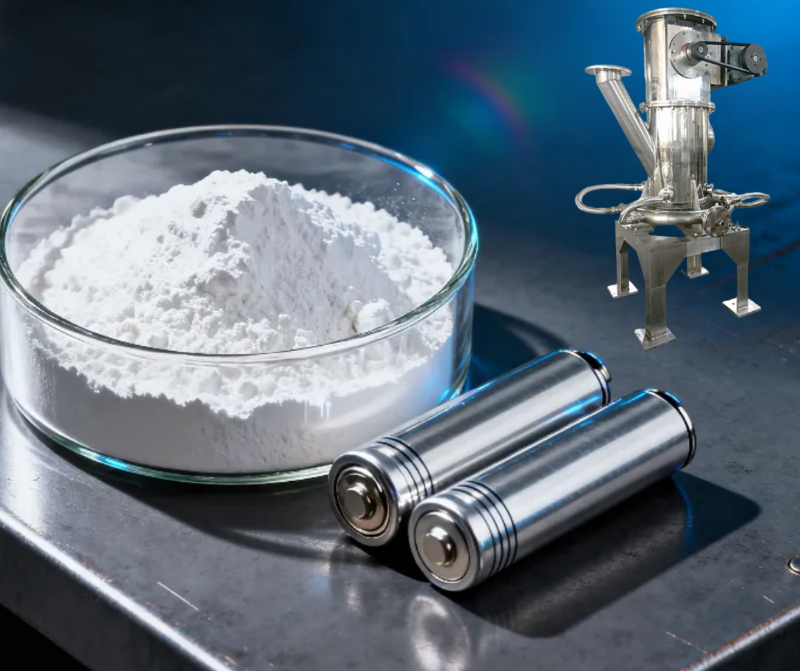
Lithium carbonate (Li₂CO₃) is one of the core raw materials in the lithium battery industry chain. It is widely used in the synthesis of cathode materials for power batteries, energy storage batteries, and consumer electronics. With the rapid growth of new energy vehicles and energy storage, the requirements for Li₂CO₃ purity, particle size distribution, and […]
Quel est le processus de production des matériaux d'anode en graphite artificiel ?
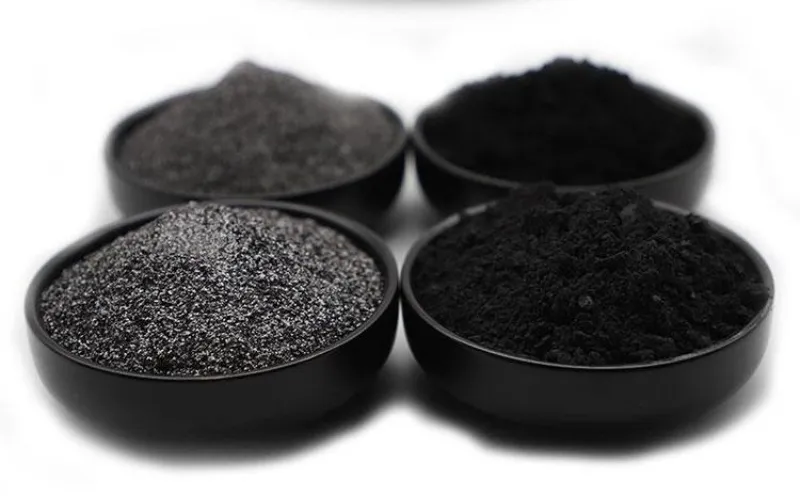
The production of artificial graphite anode materials involves multiple key processes. These processes are closely linked and mutually influential, collectively determining the performance and quality of the final product. The following is a brief overview of the main processes: Serial Number Process Name Main Function 1 Raw Material Inspection Ensure that incoming materials meet quality […]
Introduction to silver powder classification technology and commonly used equipment
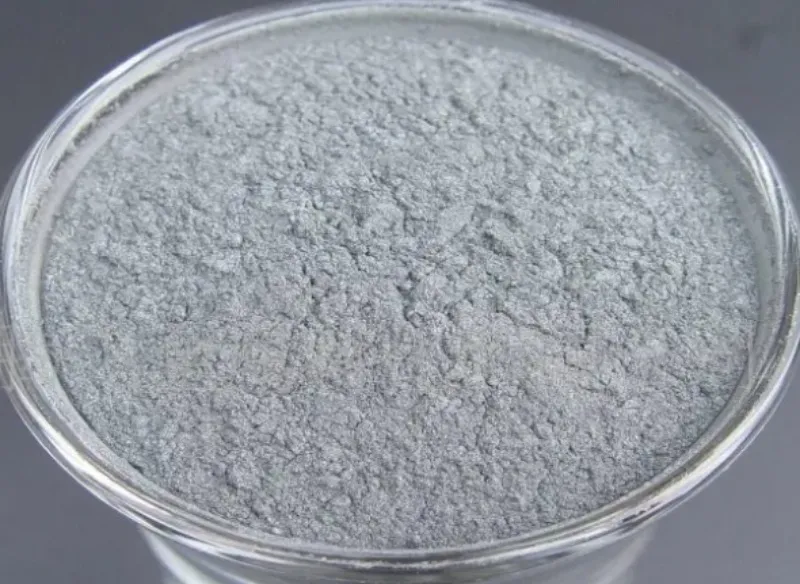
The particle size range of spherical silver powder used in crystalline silicon solar front-side silver paste is 1.0–3.0 μm, while conventionally synthesized silver powder usually has a wide particle size distribution. Therefore, the prepared silver powder must undergo classification treatment to meet the requirements for silver powder used in crystalline silicon solar cell electrode silver […]
Anode en silicium-carbone : libérer le potentiel énergétique des batteries tout-solide

When graphite anodes approach their theoretical capacity limit, who will become the “energy engine” of next-generation lithium batteries? With an ultra-high specific capacity of 1800 mAh/g, silicon-carbon anode is accelerating from laboratory research to large-scale industrialization—this is not just a material upgrade, but a revolution in energy density. Core Types of Anode Materials and Technical […]
Que savez-vous des broyeurs à classification pneumatique ?
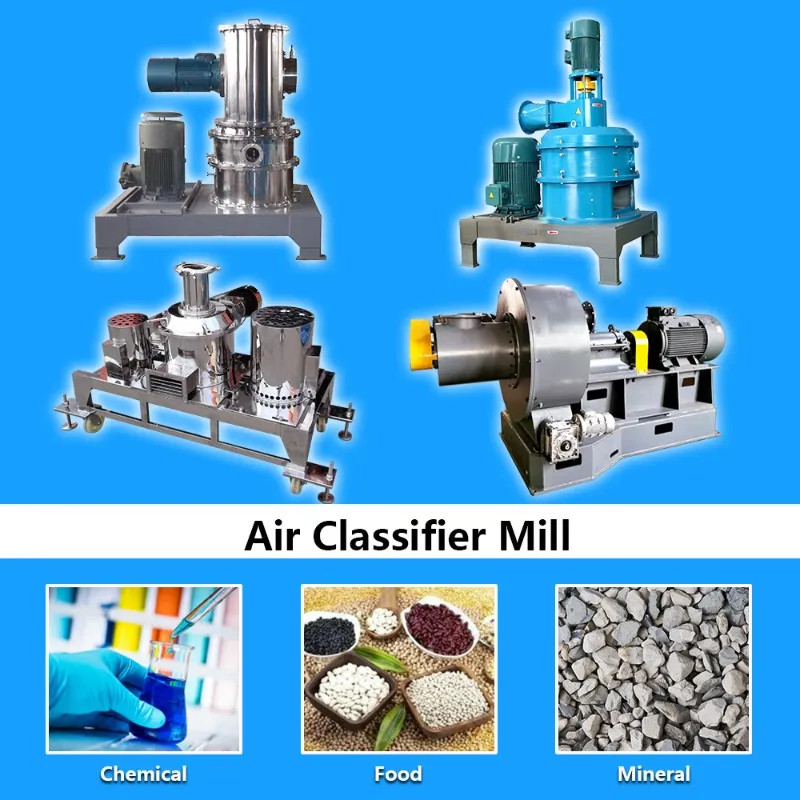
Q: What is an Air Classifier Mill? An air classifier mill (ACM) is a type of equipment used in powder processing, specifically designed for grinding materials and simultaneously classifying them into different particle sizes. It combines both grinding and air classification in one system, making it highly efficient for fine and ultrafine powder production. Q: […]
Oxyde de lithium-nickel-cobalt-manganèse (NCM) : Des matières premières aux matériaux de cathode haute performance

In the era of rapid growth in new energy vehicles and energy storage technology, lithium-ion batteries—serving as the core power source—are pivotal to the industry’s future. As the “star player” among cathode materials, Lithium Nickel Cobalt Manganese Oxide (NCM) has become the first choice for electric vehicles and high-end consumer electronics, thanks to its high […]
Quels sont le procédé de production et les équipements utilisés pour le matériau d'anode en silicium-carbone ?
Silicon-carbon anode, as another major mainstream technology route, have significant differences in their production process compared to silicon-oxygen anodes. The core difference lies in the preparation of nano-silicon powder and its composite method with carbon-based materials. Based on the different preparation processes, silicon-carbon anodes are mainly divided into two technical routes: the sand milling method […]
Technologie de classification des poudres ultrafines : principe, procédé et équipements typiques
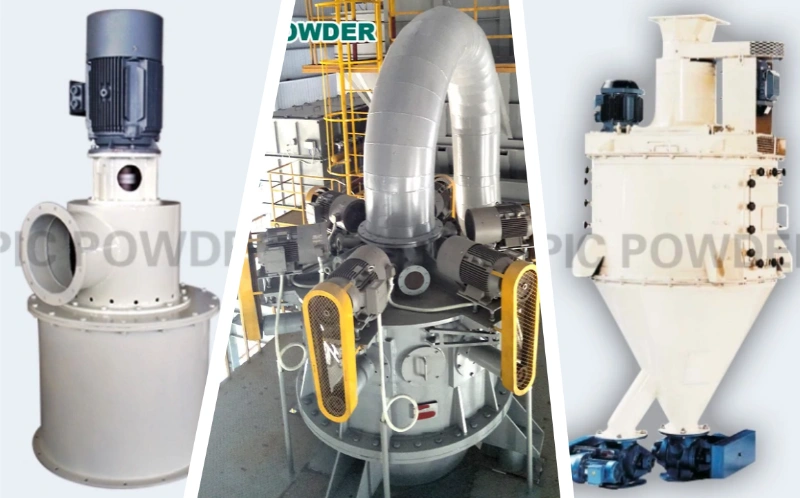
Ultrafine powder is not only the basic material for the preparation of structural materials, but also has unique functional properties. It is widely used in fine ceramics, electronic components, bioengineering, and new printing materials. It can also be used in many fields such as high-performance refractory materials and fine chemicals. As these industries continue to […]