
熱分解カーボンブラック粉砕技術に関する研究

Pyrolytic Carbon Black (PCB) is a type of carbon black obtained through pyrolysis of organic materials like waste rubber and plastic. It has a high specific surface area and strong physicochemical stability. It is widely used in industries such as tires, rubber, plastics, coatings, and inks. It serves as a blackening agent, filler, or conductive material. With the advancement of environmental policies and the demand for a circular economy, pyrolytic carbon black has gained significant attention as a sustainable resource. Pulverization Requirements for Pyrolytic Carbon Black Pyrolytic carbon black typically has a large particle size (usually above 50 microns). It needs to be pulverized to a finer level to meet […]
粉体塗料における無機非金属粉末の応用
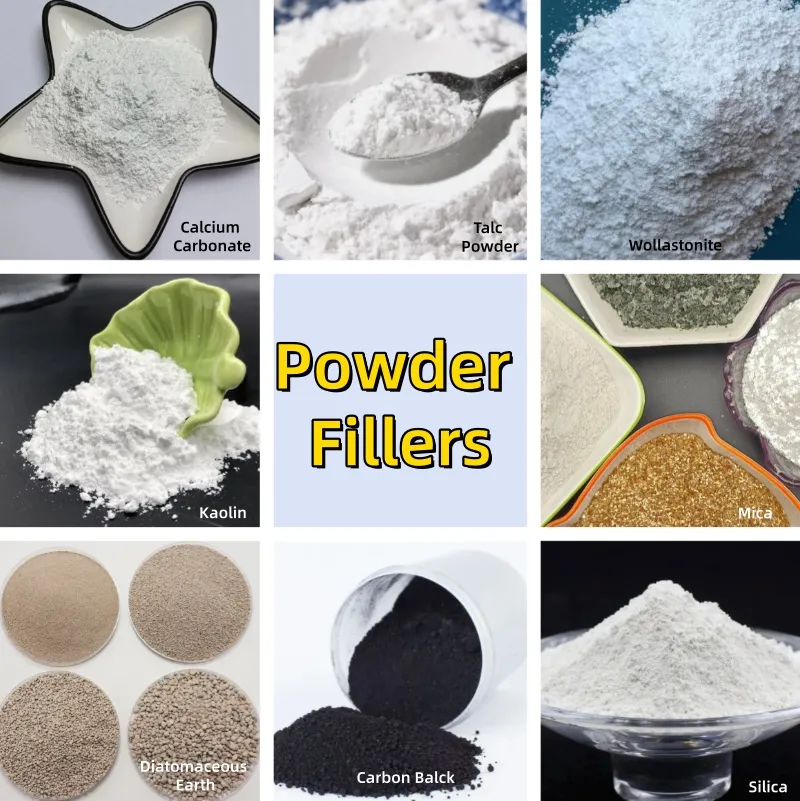
The rapid development of powder coatings has driven the demand for powder fillers. With market drivers in place, research into the application of various powder materials in powder coatings has become increasingly important. The main non-metallic powders used in powder coatings are calcium carbonate, barium sulfate, talcum powder, mica powder, kaolin, silica, and wollastonite. Fillers in coatings not only reduce costs but also play a significant role in improving the performance of the coatings, such as enhancing wear resistance, scratch resistance, reducing sag during the molten flow of the coating, improving corrosion resistance, and improving moisture resistance. When selecting fillers for powder coatings, factors such as density, dispersion performance, particle […]
中空ガラス微小球の製造工程と用途
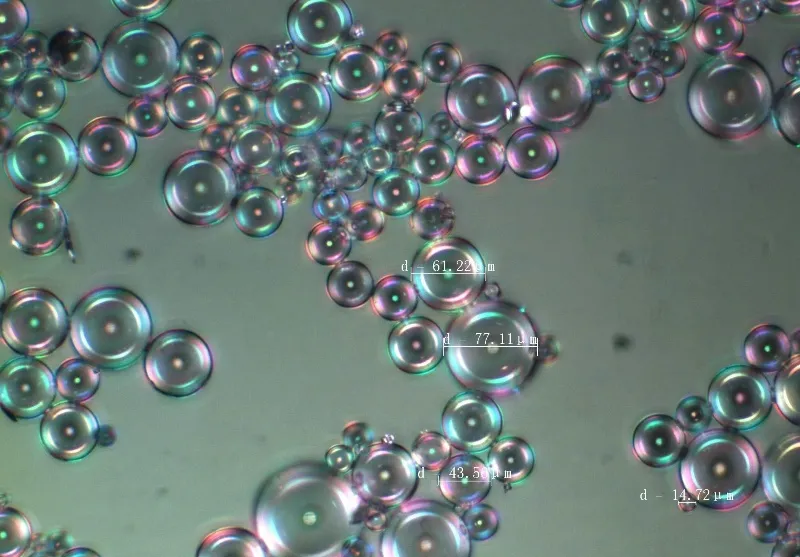
Hollow glass microspheres are micron-level hollow spherical powder materials. They are processed through special techniques. Glass raw materials are transformed into a white, flowable powder. Their particle size ranges from 10 to 250 microns. The wall thickness is 1-2 microns. The interior has a hollow structure. This gives them unique properties such as low density, high strength, low dielectric, low thermal conductivity, corrosion resistance, and electrical insulation. These excellent characteristics make them irreplaceable in various industries. The upstream of the hollow glass microspheres industry chain mainly involves the mining and processing of glass raw materials such as quartz sand, soda ash, and borax. It also includes the energy supply and […]
カーボンブラック粉末粒子の親水性を高めるにはどうすればよいか?
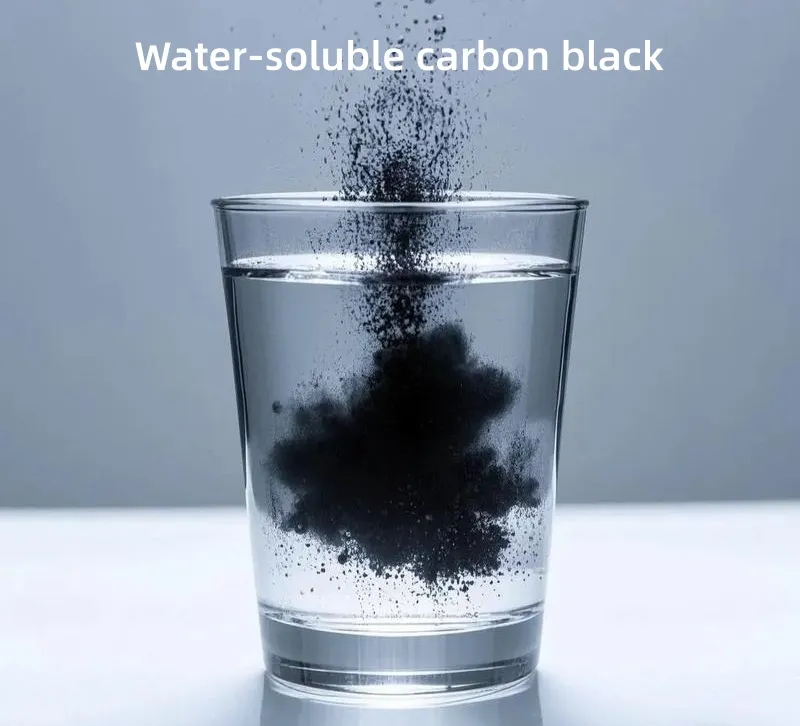
Enhancing the hydrophilicity of carbon black powder particles is key to improving their dispersion stability in water and increasing compatibility with polar media. This is crucial in fields such as coatings, inks, and rubber composites. Surface Chemical Modification Oxidation Modification Grafting Modification Physical Coating and Dispersant Modification Polymer Coating Dispersant Application Process Optimization and Auxiliary Techniques Mechanical-Chemical Treatment Plasma Treatment Salt-Induced Assembly Application Verification and Performance Optimization Conclusion The core of improving the hydrophilicity of carbon black powder lies in introducing polar functional groups and enhancing steric hindrance. For low-cost scenarios, oxidation modification (liquid-phase nitric acid oxidation) or surfactant coating is preferred. For high-performance requirements, ultrasonic-assisted grafting with polyacrylic acid […]
「処理効率向上のための10種類の鉱物粉砕技術を探る」”
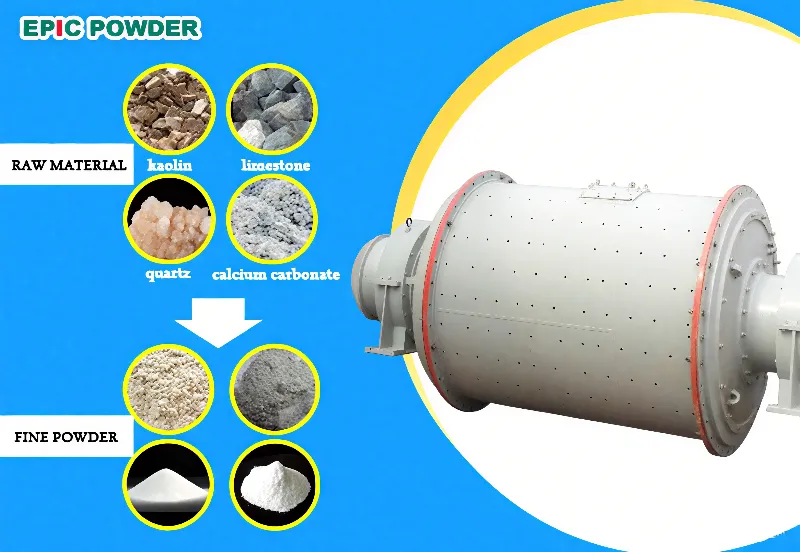
Mineral processing aims to remove impurities and improve product purity, while also reducing particle size to varying degrees. Currently, crushing, grinding, and classification technologies and equipment have reached a new level, meeting the needs of most raw materials in various industries, including non-metallic minerals, cement, ceramics, chemicals, coal powder, metallic minerals, tailings, and waste solid materials. Calcium Carbonate The production of heavy calcium carbonate minerals mainly involves grinding and surface modification. Dry processing is generally used to produce heavy calcium carbonate products with a d97 ≥ 3-5 μm. Crushing equipment includes Raymond mills, impact crushers, dry stirred mills, air jet mills, air classifier mills, ring-roll mills, vibration mills, and ball […]
気泡コンクリートブロックの製造にアルミニウム粉末が使用される理由は何ですか?

Aerated concrete blocks, also known as Autoclaved Aerated Concrete (AAC), are lightweight building materials. They are made from siliceous materials such as fly ash or quartz sand, and calcareous materials like lime or cement. Aluminum powder serves as the foaming agent. The blocks are produced through batching, mixing, casting, pre-curing, cutting, and autoclaving. Their main features are light weight, moderate strength, insulation, soundproofing, and fire resistance. Aluminum powder is the key—it creates porosity and lightness. The Role and Mechanism of Aluminum Powder During production, fine aluminum powder (generally d97 ≤ 63 μm) is added into the slurry as aluminum paste. It reacts with lime and cement in an alkaline environment. […]
球状粉末の特長と製造方法とは?
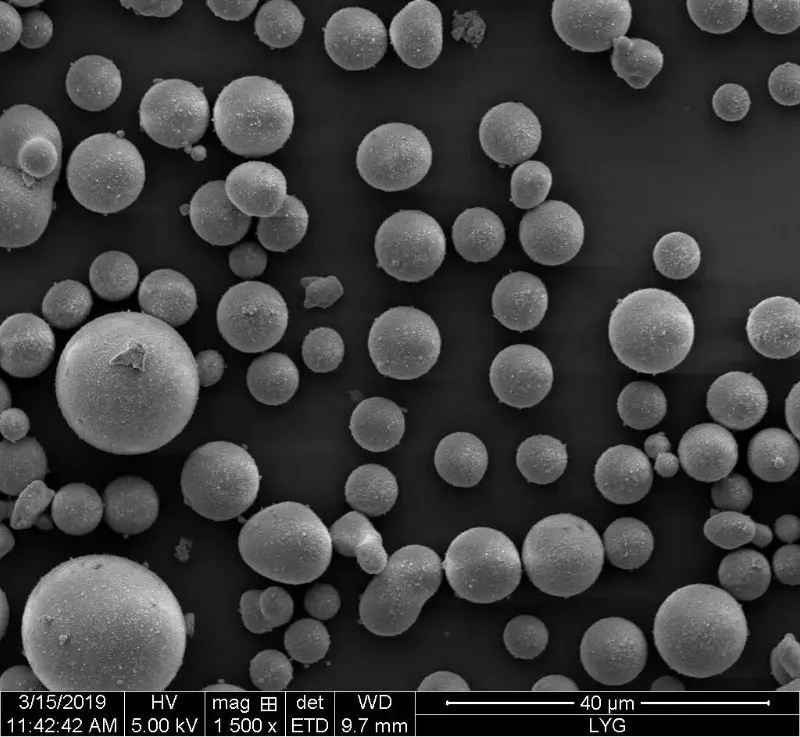
With the rapid development of modern industry and technology, the performance requirements for powder materials in different sectors have become increasingly stringent. In addition to low impurity content, fine particle size, and narrow particle size distribution, powders are also required to have specific particle morphologies. Spherical powder, due to their superior flowability and uniformity, are widely used in reinforced materials, coatings, ceramics, and 3D printing. Advantages of Spherical Powders Compared with irregular powders, spherical powders exhibit remarkable advantages, mainly in the following aspects: Application Characteristics Because of their excellent surface morphology, particle size distribution, and flowability, spherical powders are widely used in high-end industries. For example: Spherical Powder Preparation Technologies […]
ホワイトカーボンブラックとカーボンブラックの比較
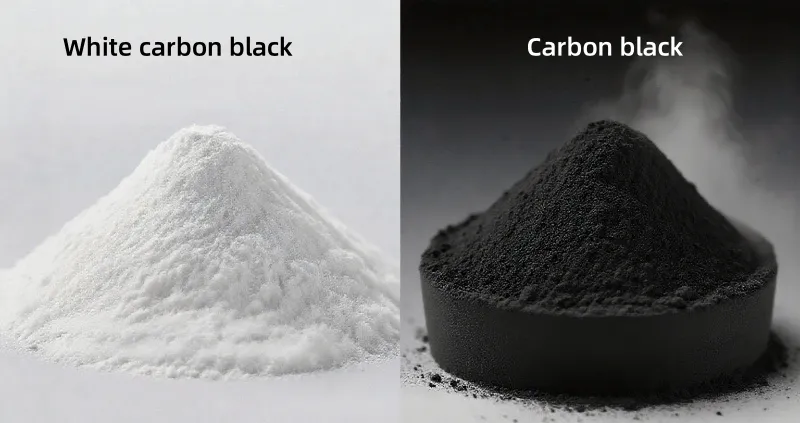
In the field of powder materials, white carbon black (precipitated silica) and carbon black are two important inorganic functional fillers. Although their names are similar, they differ significantly in structure, properties, preparation methods, and applications. In many industries, they not only demonstrate unique advantages but also complement each other. Basic Concepts and Properties White Carbon Black (SiO₂·nH₂O) Carbon Black (C) Preparation Methods White Carbon Black: Produced mainly by the precipitation method (reaction of sodium silicate with sulfuric or hydrochloric acid) and the fumed method (hydrolysis of silicon tetrachloride in a hydrogen–oxygen flame). The precipitation method has lower cost and higher output, while the fumed method produces purer and higher-performance products. […]
表面改質石英粉末が人工石英石の性能に及ぼす影響
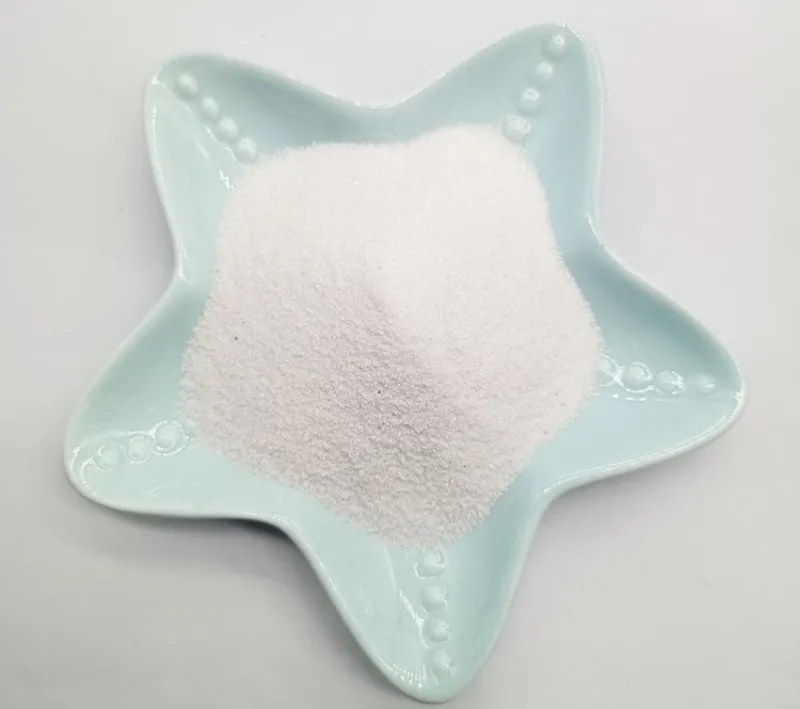
Artificial stone is one of today’s most important building and decorative materials. It can replace natural stone, high-end ceramics, wood, and metal decoration materials. It is a green, environmentally friendly building material. Among these, quartz stone is a key variety of artificial stone. Quartz powder plays a vital role as an inorganic, non-metallic functional filler in artificial quartz stone. Composed mainly of SiO₂, it appears as a fine white powder. Produced by processing natural quartz ore through crushing, washing, and grinding, quartz powder can be combined with organic polymers to enhance the overall performance of composite materials. Modified quartz powder, which undergoes surface treatment to improve its properties, further boosts […]