
Cathode materials, one of the four main materials in lithium batteries (cathode, anode, separator, and electrolyte), are crucial components of lithium batteries. They also account for a large portion of the battery’s cost. The cost of cathode materials largely determines the price of the battery. Among lithium battery cathode materials, mainstream materials include lithium cobalt oxide (LCO), lithium iron phosphate (LFP), lithium manganese iron phosphate (LMFP), nickel cobalt manganese lithium oxide (NCM), and lithium manganese oxide (LMO), among others. Their production processes differ slightly, but the fundamental principles are similar. The precursor materials are mixed with lithium carbonate or lithium hydroxide and then heated at high temperatures to obtain the product.
The production process of lithium iron phosphate mainly includes two methods: the solid-phase method and the liquid-phase method. The solid-phase method has various approaches, such as the phosphate iron method, iron method, iron red method, and oxalate iron method. Each has its own advantages and disadvantages. The liquid-phase method, primarily represented by the self-evaporation liquid-phase method developed by Defang Nano, has a high technological barrier. This article will explain the mainstream phosphate iron method as an example.
Mixing and Grinding
The reaction materials are ground and fully mixed to ensure that the reaction proceeds effectively during the subsequent sintering process. The equipment used in this step is a sand mill. The main raw materials, including iron phosphate, lithium carbonate, carbon source (such as glucose, sucrose, polyethylene glycol, etc.), dispersing agent, and additives, are added to the mixing equipment in precise stoichiometric proportions. Pure water or ethanol is used for pre-dispersion, followed by grinding in a sand mill. This process continues until the desired particle size (usually under 500nm) is achieved.
The iron phosphate and lithium carbonate are the main reactants. The carbon source plays an important role in forming a carbon coating on the lithium iron phosphate surface during high-temperature sintering. This improves its conductivity and prevents the formation of Fe³⁺. The dispersing agent enhances the dispersion and solid content of the slurry. Some high-molecular materials also form a carbon coating after sintering to improve the material’s performance.
Additives like conductive graphite, carbon nanotubes, or metal oxides improve the conductivity, high/low-temperature performance, and cycling stability of the final product.
Spray Drying
In this step, the solvent in the mixed slurry from the grinding process is removed. This transforms the slurry into dry powder for the subsequent sintering process. The equipment used is a spray dryer.
The slurry is atomized into small droplets by a centrifugal nozzle. These droplets then come into contact with heated air. This evaporates the solvent, leaving behind solid powder particles. These particles are then collected by a cyclone separator. The spray drying process turns the slurry into dry powder, which is ready for sintering.
Sintering
The powder mixture undergoes a high-temperature reaction in a nitrogen-protected furnace, which is the key step in the process. The temperature and duration of the sintering process directly affect the performance of the final product. The equipment used is typically a roller kiln, which can span several meters in length.
The main reaction is as follows:
FePO₄ + Li₂CO₃ + C₆H₁₂O₆ → LiFePO₄/C + H₂O + CO₂
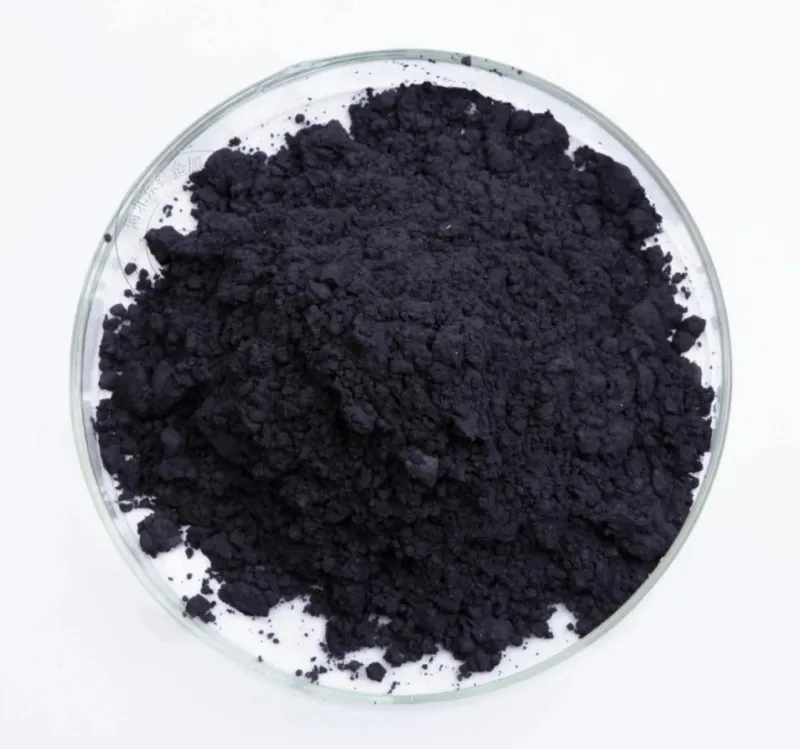
The spray-dried powder is placed into crucibles and heated in the furnace under a nitrogen atmosphere at temperatures ranging from 700–800°C for several hours (usually between 10 to 20 hours). After cooling, the product is obtained. Before sintering, the powder is a light yellow color, and after sintering, it becomes black powder.
Superfine Grinding and Iron Removal
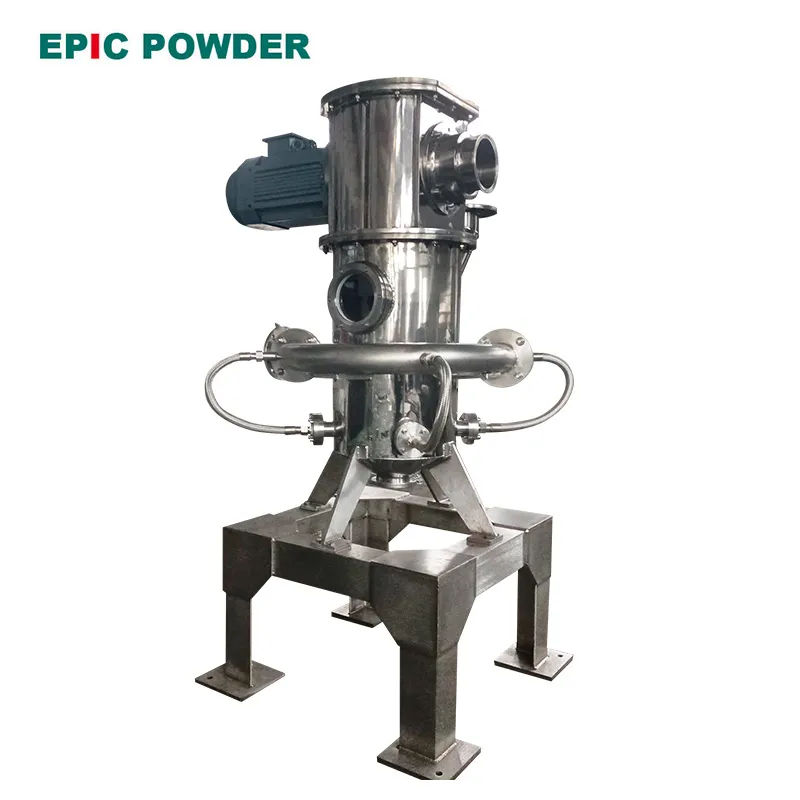
After sintering, the lithium iron phosphate product needs to be further crushed to achieve the desired particle size. During the production process, iron impurities may be introduced. These impurities require removal.
This can be done by using equipment such as a jet mill (air jet mill) equipped with an iron-removal device. Jet mills can effectively reduce the particle size while simultaneously separating impurities. This ensures that the final lithium iron phosphate product has a high purity. After the iron removal, the product is packaged for shipment.
Conclusion
Lithium iron phosphate is the primary cathode material for lithium batteries. It is preferred due to its low cost, high safety, and long cycling life. These characteristics make it dominant in the market. The phosphate iron method is the main production route for lithium iron phosphate. Although the process is relatively simple, the quality of the final product heavily depends on the quality of the iron phosphate precursor.
Other methods, such as the oxalate iron method, are gradually gaining market share. These methods produce materials with higher tap density.
Epic Powder, a leading manufacturer of jet mills, provides advanced, efficient powder processing solutions for the lithium battery industry. Its state-of-the-art jet mill equipment excels in both particle size reduction and iron impurity removal. By utilizing Epic Powder’s jet mills, producers can ensure the highest quality lithium iron phosphate, enhancing the overall performance and longevity of lithium-ion batteries. As technology continues to advance, jet mills will play an increasingly important role in improving the efficiency and sustainability of lithium battery material production.

“Thanks for reading. I hope my article helps. Please leave a comment down below. You may also contact Zelda online customer representative for any further inquiries.”
— Posted by Emily Chen