
Natural graphite is a strategic non-metallic mineral known for its exceptional multifunctional performance. With outstanding thermal stability, high strength, excellent electrical and thermal conductivity, stable chemical properties, and superior lubricity, plasticity, and thermal shock resistance, natural graphite plays an irreplaceable role across traditional industries and emerging strategic sectors. It is often referred to as a key resource supporting 21st-century high-tech development. As technology advances, the value of natural graphite continues to rise.
Natural graphite is black in color and smooth in texture. Based on its crystalline morphology, it can be classified into crystalline graphite and cryptocrystalline graphite. Crystalline graphite includes flake graphite and lump graphite. When individual graphite layers stack in an ordered manner, flake graphite with a fish-scale appearance is formed; when layer stacking is disordered, compact lump graphite results.
Cryptocrystalline graphite features extremely small crystal grains, appearing earthy or clay-like. Its crystal structure can only be observed under an electron microscope. Crystal morphology is closely tied to industrial value—generally, the higher the crystallinity, the better the performance. For this reason, flake graphite holds particularly high value in advanced industries.
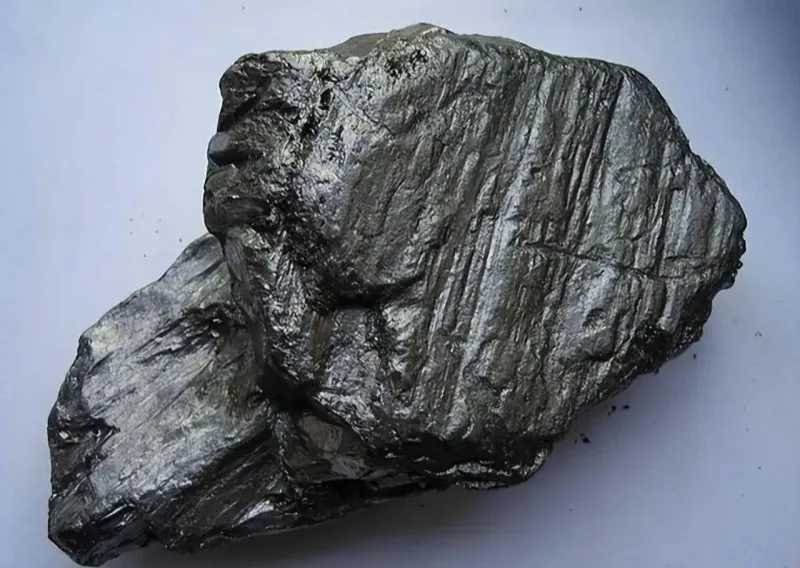
Major Application Fields of Natural Graphite
Traditional Industrial Applications
Refractory and Casting Materials
Natural graphite is widely used in the metallurgical industry. Graphite electrodes, with their excellent electrical and thermal properties, are key components in electric arc furnaces for steelmaking. Graphite-based refractories, known for their high-temperature resistance and chemical stability, are used for lining iron-making, steel-making, and non-ferrous metal furnaces, significantly improving service life. Natural graphite is also used as a carburizer to adjust carbon content in molten steel and iron, optimizing mechanical properties.
Sealing Materials
Due to its strong corrosion resistance, natural graphite remains stable in harsh environments. Expanded graphite derived from flake graphite is the preferred material for modern engineering sealing applications. Flexible graphite sheets and sealing components are widely used in automobiles, aerospace, nuclear energy, petrochemicals, machinery, electronics, power, and marine engineering.
Friction Materials
Natural graphite is an important friction modifier in brake pads and clutch plates, thanks to its thermal conductivity, electrical conductivity, high-temperature resistance, and low interlayer shear force. Its market demand is closely tied to the locomotive and automotive industries.
Lubricants and Adsorbent Materials
Natural graphite serves as an excellent solid lubricant and is processed into powder, oil-based, and water-based graphite lubricants. Expanded graphite’s porous structure enables strong adsorption of oils and organic molecules, making it useful in wastewater treatment and marine oil-spill remediation.
Strategic Emerging Applications
Lithium-Ion Battery Anode Materials
Natural graphite remains the most common anode material for lithium-ion batteries due to its excellent conductivity and cost advantages. While artificial graphite offers superior cycle life and rate performance, modern anode materials often blend natural and artificial graphite to balance performance and cost. As electric vehicles and energy storage systems grow rapidly, natural graphite is becoming one of the fastest-growing raw materials in the anode industry.
Graphene Production
Natural graphite is the primary raw material for graphene. With exceptional mechanical strength, thermal conductivity, and electrical properties, graphene is used in anticorrosion coatings, thermal management films, flexible displays, advanced sensors, and more. It also holds significant potential in photonics, biomedicine, and next-generation semiconductor technologies.
Nuclear Industry Materials
High-purity natural graphite is essential for nuclear reactors as a neutron moderator. Due to its excellent high-temperature stability and mechanical integrity, graphite is also used as a structural material in certain reactor types, especially in high-temperature gas-cooled reactors where graphite functions as both the core and reflector material.
Ultrafine Grinding of Graphite Powder
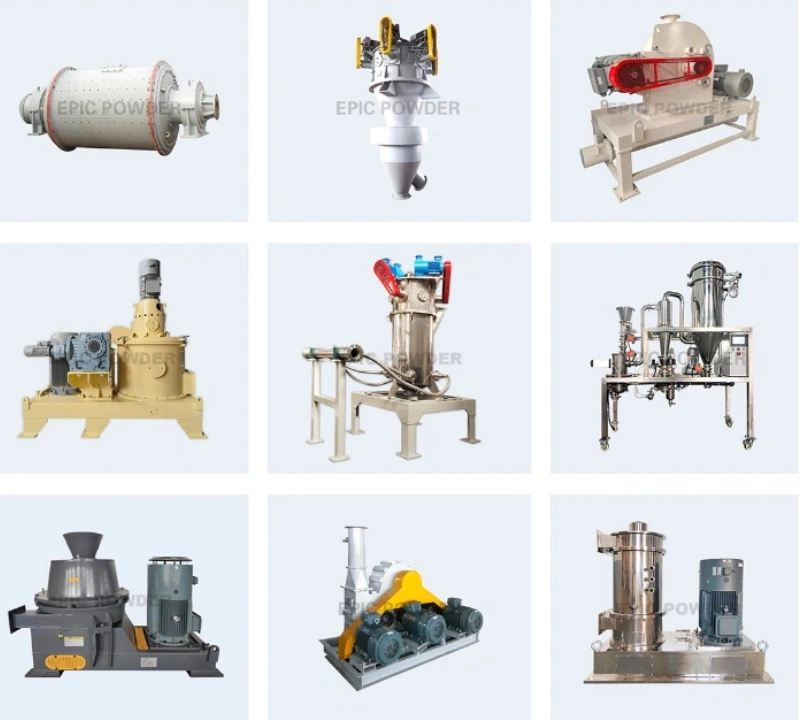
To meet the strict requirements of lithium battery anodes, graphene production, high-performance lubricants, and nuclear-grade materials, natural graphite often requires ultrafine grinding and precise classification. This enables the production of powders with optimized particle size, preserved crystal integrity, and high purity.
Common technologies include:
Jet Mill Ultrafine Grinding
- Uses high-speed airflow collision for grinding
- Produces contamination-free, narrow PSD
- Suitable for 1–10 μm high-purity graphite
- Excellent for flake-structure preservation
Mechanical Impact Mill + Dynamic Classifier
- Suitable for D50 of 5–20 μm
- High throughput and energy efficiency
- Classifier wheel provides fine control of particle size
Ultrafine Air Classifiers
- Achieves D97 < 5 μm
- Ideal for conductive agents, high-end lubricants, and ultra-pure graphite
As downstream applications evolve, graphite processing technologies are moving toward higher purity, lower contamination, and smarter automation.
Conclusion
Modern research makes it clear that the crystallinity, particle size, purity, and morphology of natural graphite fundamentally determine its performance across high-end applications such as lithium-ion batteries, graphene, nuclear engineering, and advanced lubricants. Only high-quality, high-purity, precisely controlled graphite powders can meet the rising standards of next-generation materials.
With over 20 years of expertise in ultrafine grinding and classification, Epic Powder provides comprehensive solutions for graphite processing, including:
- Jet mills for high-purity, contamination-free ultrafine grinding
- Classifier mills for efficient medium-to-fine powder processing
- Graphite spheronization systems for battery anode materials
- Precision air classifiers for tight PSD control
- Fully integrated systems with explosion protection, contamination control, and automation
Epic Powder’s equipment enables crystal-structure-preserving grinding of flake graphite, deep deagglomeration of cryptocrystalline graphite, and accurate tailoring of particle distribution to meet the needs of lithium batteries, graphene, and nuclear-grade applications.
As global demand for high-quality graphite continues to rise—driven by new energy, aerospace, defense, and advanced materials—efficient utilization and deep processing of graphite resources will become increasingly critical. Through continuous technology innovation and intelligent equipment solutions, Epic Powder will continue to support the graphite industry’s evolution toward high-end, green, and intelligent development, unlocking even greater value from natural graphite.

“Thanks for reading. I hope my article helps. Please leave a comment down below. You may also contact Zelda online customer representative for any further inquiries.”
— Posted by Emily Chen