
Metalurji sektöründe cüruf uzun zamandır bir yan ürün olarak görülmüştür. Bertaraf edilmesi gereken bir atıktır. Ancak günümüzde granüle yüksek fırın cürufu (GBFS) ve çelik cürufu değerli kaynaklar haline gelmiştir. İnce öğütülerek cüruf tozuna dönüştürüldüğünde, bu malzemeler betonda çimentonun bir kısmının yerini alabilen, hem inşaat maliyetlerini hem de çevresel etkiyi azaltan yüksek performanslı ek çimentolu malzemeler (SCM) olarak işlev görür. Bu dönüşümün kalbinde ise... cüruf öğütme bilyalı değirmeni — On yıllardır cüruf işleme alanında temel araç olarak kullanılan ve dünya çapındaki operasyonlar için kanıtlanmış, güvenilir performans sunmaya devam eden bir teknoloji.
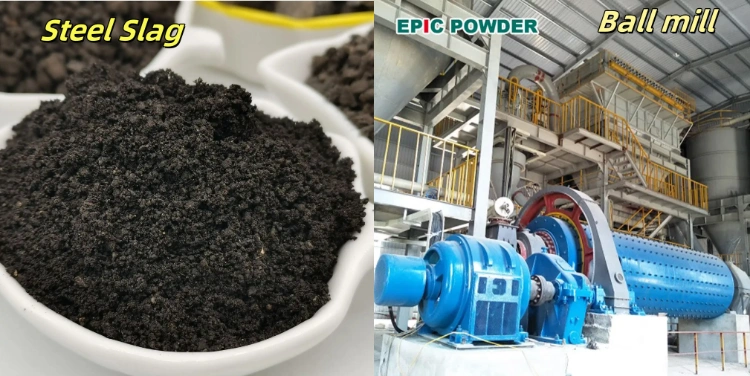
Cüruf Öğütme Bilyalı Değirmeni Nedir?
Cüruf öğütme bilyalı değirmeni, cüruf parçacıklarını darbe ve aşınma yoluyla küçültmek için öğütme ortamı olarak çelik bilyeler kullanan, dönen silindirik bir değirmendir. Malzeme, içi boş bir mil yatağından girer ve dönen hazne içindeki kademeli bilyeler arasında öğütülür.
Temel Bileşenler
Modern cüruf bilyalı değirmenleri tipik olarak şunlardan oluşur:
- Besleme sistemiMalzeme giriş hızını ve homojenliğini kontrol eder.
- Dönen silindirÖğütme ortamını ve astarı barındırır.
- Öğütme ortamıKaba ve ince öğütme için çeşitli boyutlarda çelik bilyeler.
- Deşarj sistemiBitmiş ürünün parçacık boyutu dağılımını düzenler.
- Tahrik sistemiGüç sağlar ve operasyonel istikrarı korur.
Öğütme Sistemleri
Cüruf bilyalı değirmen öğütme sistemleri iki temel konfigürasyonda mevcuttur:
Açık devre taşlama Yüksek incelikte bilyalı değirmen kullanan bu sistemde, önceden ≤2% nem oranına kadar kurutulmuş cüruf beslenir, öğütülür ve nihai ürün olarak boşaltılır. Avantajları arasında düşük yatırım maliyeti, istikrarlı çalışma ve basit kullanım yer alır. Dezavantajları arasında ise daha yüksek güç tüketimi, toz inceliğinin ayarlanmasındaki zorluk ve aşırı öğütme eğilimi bulunur.
Kapalı devre taşlama Bu sistem, bilyalı değirmeni yüksek verimli toz ayırıcıyla birleştirir. İnce öğütme gereksinimlerini karşılayan malzeme depoya gönderilirken, büyük boyutlu parçacıklar yeniden öğütülmek üzere değirmene geri döner. Bu sistem, daha kolay ince öğütme ayarı, daha az aşırı öğütme ve daha yüksek tek makine kapasitesi sunar, ancak daha fazla ekipman gerektirir.
Cüruf Öğütme İşleminde Bilyalı Değirmen Neden Tercih Edilmelidir?
Avantajları
On yıllarca süren deneyimle kanıtlanmış teknoloji
Bilyalı değirmenler, onlarca yıldır cüruf öğütme işleminde kullanılmakta olup, kapsamlı operasyonel deneyime ve iyi anlaşılmış bakım gereksinimlerine sahiptir. Bu olgunluk, öngörülebilir performans ve kolayca ulaşılabilir destek anlamına gelir.
Sağlam Yapı ve Güvenilirlik
Basit ve sağlam tasarımı, cüruf gibi sert ve aşındırıcı malzemelerin işlenmesinde bile yüksek güvenilirlik ve uzun hizmet ömrü sunar. Cüruf, tipik olarak 18-23 kWh/t'lik bir Bağlanma İş Endeksi'ne sahiptir ve bu da onu çoğu çimento klinkerinden daha sert hale getirir.
Operasyonel Esneklik
Bilyalı değirmenler, besleme malzemesinin özelliklerindeki ve nem içeriğindeki farklılıkları işleyebilir. Büyük değişikliklere gerek kalmadan çeşitli incelik seviyelerinde ürün elde etme kapasitesine sahiptirler.
Daha Düşük Başlangıç Yatırımı
Dikey silindirli değirmenlere kıyasla, bilyalı değirmenler genellikle -25 daha düşük sermaye yatırımı gerektirir. Bu durum, birçok işletme için bilyalı değirmenleri cüruf işleme alanına daha erişilebilir bir giriş noktası haline getirir.
Üstün Hidrasyon Aktivitesi
Araştırmalar, bilyalı değirmende öğütülmüş cüruf tozunun, aynı kaynaktan elde edilen dikey silindirli değirmende öğütülmüş cüruf tozuna göre daha iyi hidratasyon aktivitesi gösterdiğini ortaya koymuştur. Bu durum, cüruf tozunun çimento yerine kullanıldığında daha iyi performans göstermesi anlamına gelir.
Dikkate alınması gereken hususlar
Bilyalı değirmenlerin enerji tüketimi daha yüksektir; cüruf öğütme için tipik olarak 40-50 kWh/t'dir. Ayrıca dikey silindirli değirmenlere göre daha fazla alan gerektirir. Öğütme ortamı aşınma oranları üretilen cüruf başına 500-800 g/t'ye ulaşabilir. Bununla birlikte, birçok işletme için daha düşük sermaye maliyeti ve operasyonel esneklik bu faktörlerin önüne geçmektedir.
Bilyalı Değirmen ve Dikey Silindirli Değirmen: Bir Karşılaştırma
| Parametre | Bilyalı değirmen | Dikey Silindirli Değirmen (VRM) |
|---|---|---|
| Enerji tüketimi | 40-50 kWh/t | 30-40% bilyalı değirmenden daha düşük |
| Sermaye yatırımı | Temel | 15-25% daha yüksek |
| Aşınma oranları | 500-800 g/t | 5-15 g/t |
| Ayak izi | Büyük | Kompakt (önemli ölçüde daha küçük) |
| Kurutma kapasitesi | Ayrı olarak kurutulması gerekir. | -20% nem oranına kadar entegre kurutma |
| Çalışma gürültüsü | Genellikle >100 dB | Genellikle <85 dB |
| Hidrasyon aktivitesi | Daha iyi | Daha düşük |
| Teknoloji olgunluğu | On yıllardır kanıtlanmış kullanım | Yaklaşık 2000 yılından beri pazar payı kazanıyor. |
Bilyalı değirmen ile VRM (Değişken Hızlı Değirmen) arasındaki seçim, kapasite hedefleri, enerji maliyetleri, sermaye mevcudiyeti ve ürün kalitesi özellikleri de dahil olmak üzere, projenin özel gereksinimlerine bağlıdır.
Vaka İncelemesi: Hintli Müşteri İçin Ultra İnce Çelik Cüruf Öğütme
KonumHindistan
ProjeEPIC Powder, yüksek aktiviteli mineral toz üretimi için çelik cürufunun ultra ince öğütülmesini gerektiren Hintli bir müşteri için komple bir bilyalı değirmen sınıflandırıcı sistemi tedarik etti.
Meydan okumakÜrün saflığını koruyarak ve ekipman kullanım ömrünü uzatarak aşındırıcı çelik cürufunun işlenmesi.
ÇözümEPIC Powder, tamamen seramik kaplamalı ve seramik öğütme ortamına sahip bir bilyalı değirmen tasarladı. Bu tasarım, aşındırıcı cüruf işleme sırasında kullanım ömrünü önemli ölçüde uzatır ve metalik demir kirliliğini ortadan kaldırarak nihai ürünün saflığını sağlar.
SonuçSistem, hedef parçacık boyutu d97 ≤ 45μm olan yüksek kaliteli S95 cüruf tozu üretir. Seramik kaplı tasarım, aşındırıcı çelik cüruf malzemeleriyle uzun süreli ve istikrarlı çalışma için olağanüstü aşınma direnci sağlar.
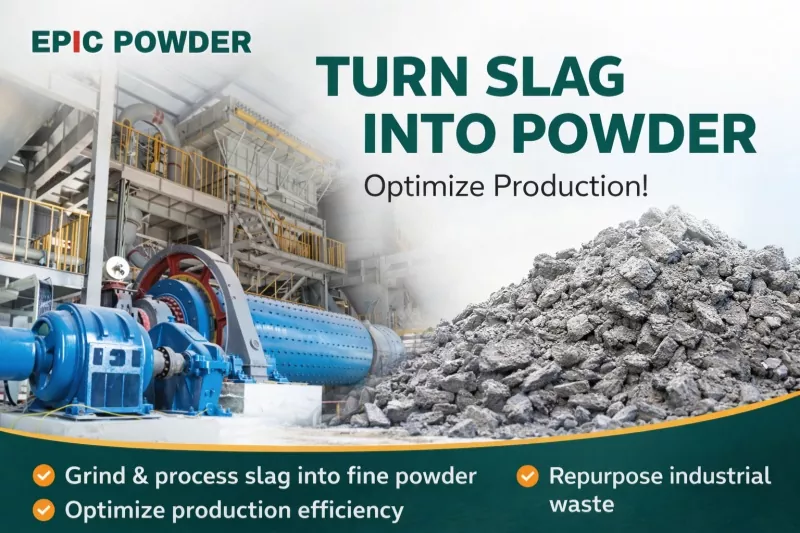
EPIC Powder'ın Farkı:
Bilyalı değirmenlerin gerçek performans farkı, EPIC Powder'ın her projeye getirdiği mühendislik, malzeme seçimi ve sistem entegrasyonunda yatmaktadır. Cüruf öğütme bilyalı değirmen çözümlerimizi, yüksek derecede aşındırıcı ve demir açısından zengin malzemelerin işlenmesindeki özel zorlukları gidermek üzere tasarlıyoruz:
1. Aşırı Aşınmaya Dayanıklı Özel Tasarım Astarlar
Tüm cüruflar aynı değildir. Örneğin, çelik cürufu, granüle yüksek fırın cürufundan çok daha aşındırıcıdır. EPIC Powder, yüksek krom alaşımından tam seramik astarlara kadar çeşitli astar malzemeleri sunmaktadır. Yüksek saflık gerektiren uygulamalar için, seramik astarlı değirmenlerimiz, nihai S95 tozunda metalik demir kirlenmesi riskini ortadan kaldırırken, aynı zamanda astar değiştirme döngülerini 0'e kadar uzatır. 2.5× Geleneksel çelik kaplamalara kıyasla.
2. Hassas İncelik Kontrolü için Akıllı Sınıflandırıcı Entegrasyonu
Sistemlerimiz, cürufun benzersiz parçacık boyutu dağılım eğrisine özel olarak ayarlanmış, değişken frekanslı sürücülerle entegre edilmiş yüksek verimli hava sınıflandırıcıları içerir. Bu, operatörlerin hassas bir kesim elde etmelerini sağlar. d97 ≤ 45μm Yüksek aktiviteli cüruf tozu için, enerji israfına yol açan ve değirmen verimliliğini düşüren aşırı öğütme etkisini aktif olarak en aza indirir. Sonuç olarak, daha homojen bir parçacık profili elde edilir ve bu da sonraki çimento uygulamalarında hidratasyon aktivitesini doğrudan artırır.
3. 7/24 Güvenilirlik için Ağır Hizmet Tipi Tahrik ve Rulman Sistemleri
Cüruf öğütme işlemi, değirmen bileşenlerine aşırı tork talepleri getirir. EPIC Powder, bilyalı değirmenlerini büyük boyutlu, özel olarak tasarlanmış ana yataklar ve sağlam kenar/merkezi tahrik konfigürasyonlarıyla donatır. Bunlar, gelişmiş zorlamalı sirkülasyonlu yağlama sistemleri ve gerçek zamanlı sıcaklık/titreşim izleme sensörleriyle birleştirilerek, en zorlu sürekli çalışma senaryolarında bile istikrarlı ve kesintisiz üretim sağlar.
4. Anahtar Teslim Sistem Mühendisliği, Sadece Bağımsız Bir Fabrika Değil
Satın alma ekiplerinin tek kaynaktan sorumluluğa değer verdiğini biliyoruz. EPIC Powder, optimize edilmiş besleme hunileri, sıcak hava kurutma sistemleri (3-4%'ye kadar besleme nemini işleyebilen), kapalı devre pnömatik taşıma ve nihai ürün silo entegrasyonu dahil olmak üzere eksiksiz öğütme devreleri sunmaktadır. Bu bütünsel yaklaşım, farklı tedarikçiler arasındaki arayüz risklerini en aza indirir ve mühendislik ekibiniz için proje yönetimini önemli ölçüde basitleştirir.
5. Veri Odaklı Satış Sonrası Yaşam Döngüsü Desteği
Taahhüdümüz devreye alma işlemlerinin çok ötesine uzanmaktadır. EPIC Powder, uzaktan durum izleme, düzenli aşınma parçası envanter planlaması ve periyodik proses optimizasyon denetimleri sağlar. Operasyonel veri trendlerini analiz ederek, tesisinizin proaktif olarak bakım planlaması yapmasına, planlanmamış arıza sürelerini azaltmasına ve ekipmanın tüm yaşam döngüsü boyunca en yüksek öğütme verimliliğini korumasına yardımcı oluyoruz.
Sıkça Sorulan Sorular
S1: Bir bilyalı değirmen farklı cüruf türlerini işleyebilir mi?
A: Evet, ancak cüruf sertliği ve aşındırıcılığına bağlı olarak öğütme ortamı, hız ve astar malzemelerinde ayarlamalar gerekebilir. Farklı cüruf türleri, özelleştirilmiş konfigürasyonlar gerektirebilecek farklı fiziksel özelliklere sahiptir.
S2: Mevcut bir çimento bilyalı değirmenini cüruf öğütücüsüne dönüştürmek için hangi değişiklikler gereklidir?
A: Genellikle daha ince tane boyutuna sahip bir öğütücüye geçilmesi gerekir. Cüruf normalde çimentodan daha ince öğütülür ve daha küçük bir başlangıç tane boyutuna sahiptir. Maksimum öğütücü boyutu genellikle ≤60 mm olmalı ve öğütme ortamı yüklemesinin artırılması gerekebilir.
S3: Bilyalı değirmende cüruf öğütme için tipik enerji tüketimi nedir?
A: Çelik cüruf tozunun 400 m²/kg inceliğe kadar öğütülmesi için gereken özgül enerji tüketimi yaklaşık 100 kWh/t'dir. Genel olarak cüruf öğütme işleminde bilyalı değirmenler tipik olarak 40-50 kWh/t enerji tüketir.
S4: Bir cüruf bilyalı değirmeni ne tür bakım gerektirir?
A: Düzenli bakım, aşınmış astarların ve taşlama malzemelerinin kontrol edilmesini ve değiştirilmesini, rulmanların ve dişlilerin yağlanmasını, olağandışı titreşim veya seslerin incelenmesini ve üreticinin yönergelerine göre periyodik kontrollerin yapılmasını içerir. Cürufun aşındırıcı yapısı göz önüne alındığında, aşınma izleme özellikle kritiktir.
S5: Cüruf tozunda düşük aktiviteye ne sebep olur ve bu nasıl giderilebilir?
A: Cüruf tozundaki düşük aktivite genellikle yüksek oranda kristal faz ve tam kristal yapıdan kaynaklanır. Bilyalı değirmenle öğütülmüş cüruf tozu, geniş bir boyut dağılımına sahip yüksek oranda ince parçacık içerir ve cüruf tozunun aktivite indeksi nispeten yüksektir. Öğütme yardımcı maddelerinin kullanılması, tozun dağılmasına, elektrostatik adsorpsiyonun ortadan kaldırılmasına ve özellikle daha ince öğütme hedefleri için öğütme verimliliğinin artırılmasına yardımcı olabilir.
S6: Cüruf bilyalı değirmenlerinde öğütme verimliliği nasıl artırılabilir?
A: Verimlilik şu yollarla artırılabilir:
- Yüksek verimli ayırıcılarla kapalı devre öğütme yönteminin kullanılması
- Toz yapışmasını önlemek için öğütme yardımcı maddeleri eklemek.
- Öğütme ortamı sınıflandırmasının ve yüklemesinin optimize edilmesi
- Uygun ön kurutma işleminin sağlanması (nem oranı ≤2%)
- Hassas parçacık boyutu kontrolü için yüksek verimli sınıflandırıcıların kullanılması
S7: Bilyalı değirmende öğütülmüş cüruf, ürün kalitesi açısından VRM'de öğütülmüş cüruf ile nasıl karşılaştırılır?
A: Bilyalı değirmenle öğütülmüş cüruf tozu, dikey silindirli değirmenle öğütülmüş cüruf tozuna göre daha iyi hidratasyon aktivitesine sahiptir. Bilyalı değirmenler, daha geniş partikül boyutu dağılımına ve daha yüksek ince partikül içeriğine sahip cüruf tozu üretir. Özgül yüzey alanları benzer olduğunda, bilyalı değirmenle öğütülmüş cüruftan yapılan çimento biraz daha iyi mukavemet performansı gösterir.
Çözüm
Cüruf öğütme bilyalı değirmeni, metalürjik cürufun değerli inşaat malzemelerine dönüştürülmesinde hayati bir teknoloji olmaya devam etmektedir. Dikey silindirli değirmenler enerji verimliliği ve kompakt alan kullanımı açısından avantajlar sunarken, bilyalı değirmenler kanıtlanmış güvenilirlik, operasyonel esneklik, daha düşük sermaye yatırımı ve üstün ürün hidratasyon aktivitesi sağlamaktadır.
Cüruf öğütme çözümlerini değerlendiren satın alma uzmanları ve tesis mühendisleri için bilyalı değirmen, onlarca yıllık operasyonel veriye ve dünya çapında başarılı kurulum geçmişine sahip, olgunlaşmış ve iyi anlaşılmış bir teknolojiyi temsil etmektedir. Avustralya'dan Hindistan'a kadar uzanan projelerde de gösterildiği gibi, bilyalı değirmen sistemleri, güvenilirlik, esneklik ve kanıtlanmış performansa değer veren işletmeler için tercih edilen teknoloji olmaya devam etmektedir.
EPIC Powder'ın cüruf öğütme bilyalı değirmen çözümleri hakkında daha fazla bilgi edinmek, özel cüruf tipinize ve kapasite gereksinimlerinize yönelik özel konfigürasyonlar için bugün teknik satış ekibimizle iletişime geçin.
Epik Toz
Epik Toz, 20 yılı aşkın süredir ultra ince toz sektöründe deneyime sahibiz. Ultra ince tozun kırma, öğütme, sınıflandırma ve modifikasyon süreçlerine odaklanarak, ultra ince tozun gelecekteki gelişimini aktif olarak destekliyoruz. Ücretsiz danışmanlık ve özelleştirilmiş çözümler için bizimle iletişime geçin! Uzman ekibimiz, toz işleme süreçlerinizin değerini en üst düzeye çıkarmak için yüksek kaliteli ürünler ve hizmetler sunmaya kendini adamıştır.

“Okuduğunuz için teşekkürler. Umarım makalem yardımcı olmuştur. Lütfen aşağıya yorum bırakın. Ayrıca EPIC Powder çevrimiçi müşteri temsilcisiyle de iletişime geçebilirsiniz. Zelda Daha fazla bilgi için lütfen iletişime geçin.”
— Jason Wang, Mühendis