
Bentonite is an important natural mineral resource. It is widely used in many industrial fields such as petroleum drilling, casting, environmental protection, agriculture, and chemical processing. This is due to its unique swelling properties, adsorption capacity, and multifunctionality. The main component of 벤토나이트 is montmorillonite. However, bentonite can be classified into several types. These types differ in mineral composition and chemical properties. Each type has distinct performance characteristics. This makes them suitable for various applications. This article provides a detailed introduction to the basic properties, classification, applications, and some special types of 벤토나이트.
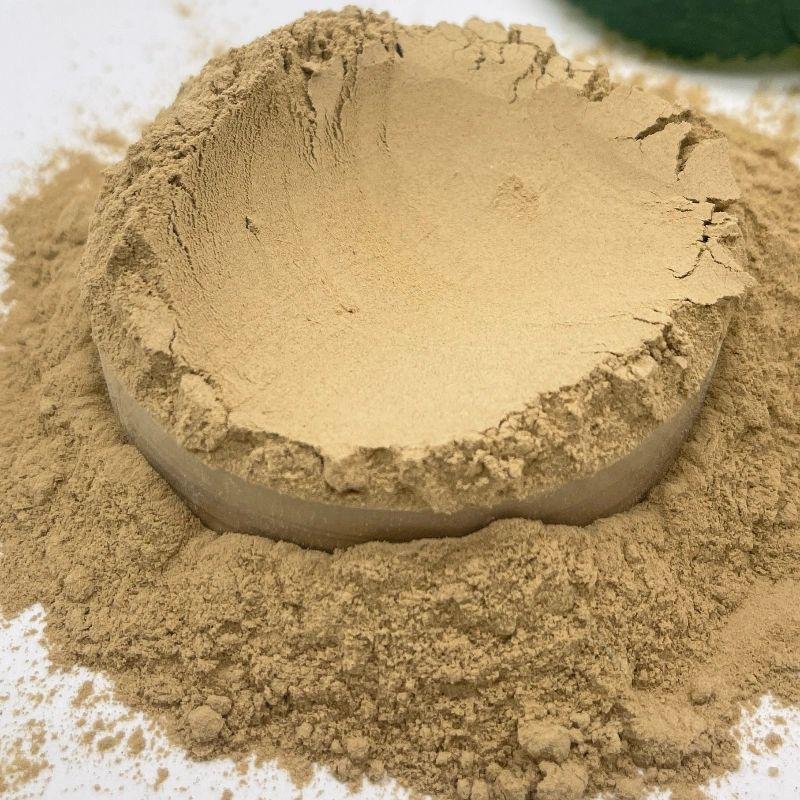
Bentonite
Bentonite, also known as “bentonites rock”, is a non-metallic mineral. Its core mineral component is montmorillonite, which is often accompanied by a small amount of illite, kaolinite, zeolite, feldspar and calcite. The content of montmorillonite directly determines the practical value of bentonites.
Montmorillonite
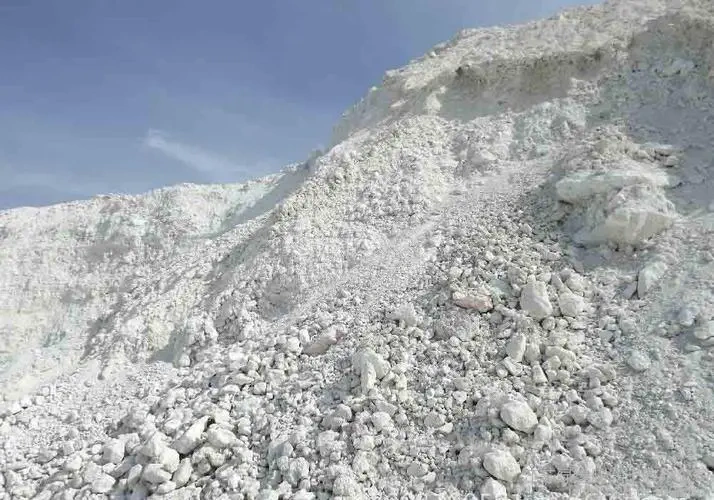
Montmorillonite is a large class of minerals with complex chemical composition. The International Clay Association named it the smectite family or the montmorillonite family. This family of minerals is divided into two sub-families, dioctahedral and trioctahedral, and contains more than ten mineral species. Bentonite usually contains minerals of the dioctahedral sub-family, such as montmorillonite, beidellite, nontronite, etc.
Calcium-based and Sodium-based Bentonite
Bentonite is divided into calcium-based, sodium-based, magnesium-based, and calcium-sodium-based bentonite. This classification is based on the type, content, and crystal chemical properties of the exchangeable cations it contains. The most common types are calcium-based and sodium-based bentonites. Sodium-based bentonite is superior to calcium-based bentonites in terms of swelling, cation exchange capacity, dispersibility, viscosity, lubricity, and thermal stability. However, sodium-based bentonites reserves in China are relatively small. As a result, calcium-based bentonite is dominant.
Organic Bentonite
Organic bentonite is made by replacing the exchangeable cations in montmorillonite with organic ammonium cations. It has hydrophobic and lipophilic properties. According to function and composition, organic bentonite can be divided into high viscosity, easy to disperse, self-activated, high purity, and other types. Each type is further divided into low polarity, medium polarity, and high polarity types. These divisions are based on the hydrophilic-lipophilic balance value of the intercalated surfactant.
Lithium Bentonite
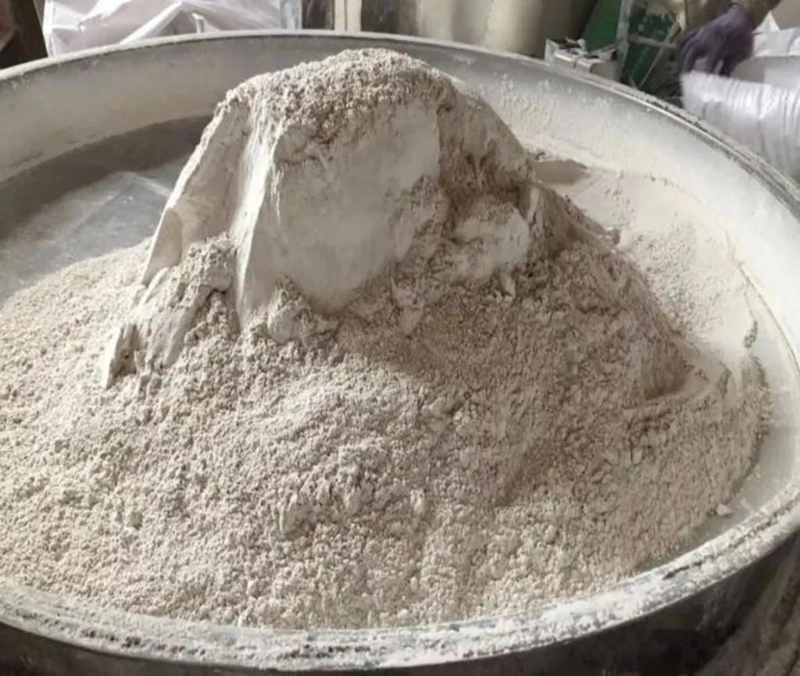
Lithium bentonite resources are scarce and are mainly prepared by artificial lithiation. Lithium bentonites can form gel in organic solvents and has excellent swelling, thickening and suspension properties. It is widely used in architectural coatings, latex paints, casting coatings and other products.
Activated Clay
Activated white clay is a porous white to off-white powder made from clay (mainly bentonites) through inorganic acidification or salt treatment. It has a microporous structure and strong adsorption properties. It is mainly used for decolorization and refining of petroleum processing products and industrial animal and vegetable oils, and as an adsorbent and catalyst carrier in the chemical industry.
Pillared Montmorillonite
Pillarized montmorillonite is a mineral material with two-dimensional pores. These pores are formed by the insertion of polymerized inorganic cations or organic ions (molecules) between montmorillonite layers. It has the characteristics of a large specific surface area, good thermal stability, strong surface acidity, and variable pore size. It is widely used in petrochemical, sewage treatment, antibacterial materials, and other fields. Depending on the intercalation agent, pillared montmorillonite can be divided into many types.
Bentonite Inorganic Gel
Bentonite Inorganic Gel is a high value-added colloidal product. It is made from bentonites as the main raw material. The production process includes purification, sodium modification, phosphating modification, and gelling. It can be used as a thixotropic agent, thickener, dispersant, suspending agent, stabilizer, and more. It is widely used in many industries.
에픽 파우더
에픽 파우더는 초미세 분말 산업에서 20년 이상의 경력을 보유하고 있습니다. 초미세 분말의 분쇄, 연삭, 분류 및 개질 공정에 집중하여 초미세 분말의 미래 발전을 적극적으로 추진하고 있습니다. 무료 상담 및 맞춤형 솔루션을 원하시면 지금 바로 연락주세요! 저희 전문가 팀은 고객의 분말 가공 가치를 극대화할 수 있도록 고품질 제품과 서비스를 제공하기 위해 최선을 다하고 있습니다. 에픽 파우더 - 믿을 수 있는 분말 가공 전문가!
오류: 문의 양식을 찾을 수 없습니다.