
実用用途におけるアルミナの重要性に関する簡潔な分析
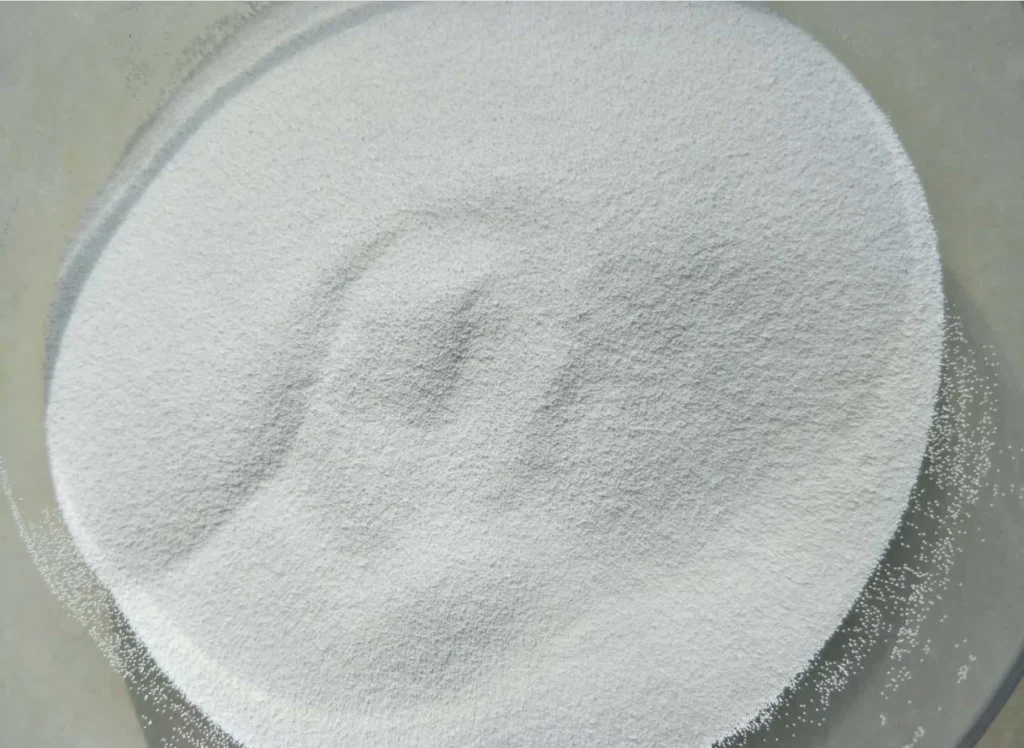
Alumina is a new variety. New varieties are often unfamiliar to most people, but they are also opportunities. Alumina has a very important property: although it seems sufficient, once it is in short supply, aluminum plants will suffer huge losses, or production accident or explosion, even long-term closure. As we all know, aluminum smelters, glass factories, and steel mills are the three major industries that cannot close the furnace. Their production process requires continuous operation. They can reduce production or simmer the furnace for short time. If the furnace is shut down and restarted, it will incur a huge start cost. This will raise production costs and the risk of accidents, equipment damage, and depreciation. So, the alumina reserve in aluminum […]
熱に弱い材料にジェットミルを使用する利点は何ですか?
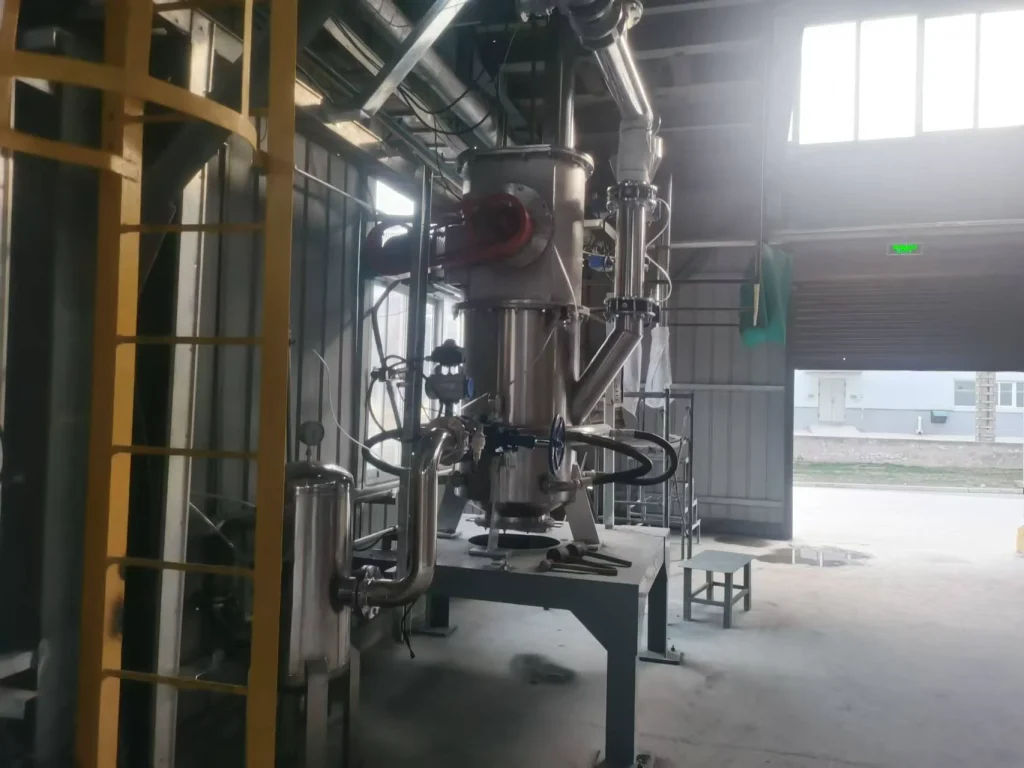
The jet mill for heat-sensitive materials is designed to minimize thermal degradation during the grinding process. Jet mills reduce particle size using high-velocity air or steam. This minimizes heat during milling. This is vital for heat-sensitive materials. They may degrade or lose efficacy at high temperatures. Also, jet milling gives a uniform particle size. This can improve the final product’s performance and stability. Also, a jet mill has no moving parts. This reduces the risk of contamination. It ensures that heat-sensitive materials stay intact during milling. A jet mill is a good way to process delicate materials. It preserves their quality. Which materials are heat sensitive? GelatinStarchSugarProteinActive Pharmaceutical Ingredients (APIs)Thermal […]
塗装研磨用の研磨装置の選び方

Paint grinding is vital for making high-quality paints and coatings. This technique uses a machine to reduce pigment particles. It aims for a specific fineness and dispersion. This affects the final product’s color, texture, and performance. During paint grinding, we use various equipment. This includes jet mills, ACM mills, ball mills, bead mills, and high-shear mixers. They ensure that pigments are evenly distributed in the medium. This process must be efficient. It affects the paint’s look, durability, and application. By mastering paint grinding, manufacturers can produce better coatings. They will meet the diverse needs of various industries. There are four key considerations in paint production. They are the paint’s flow […]
方解石についてどれくらい知っていますか?
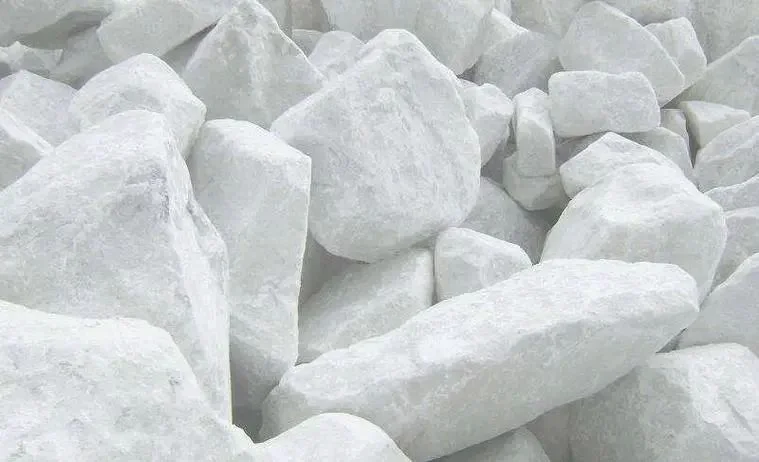
Calcite, CaCO3, is one of the most common minerals on Earth. It is the main component of limestone and marble. It plays an important role in geology, mineralogy, chemistry and industrial applications. This article will detail the origin, composition, properties, and uses of calcium carbonate. It is used in various fields. Origin of Calcite Calcite forms through a complex geological process. It occurs mainly in two ways: biologically and chemically. 1. Biological Many marine organisms, like corals and some algae, can extract calcium carbonate from seawater. These include shells. They use it to build their shells and skeletons. When these organisms die, their shells and skeletons are deposited on the […]
コンクリートにおける超微粉末の応用技術
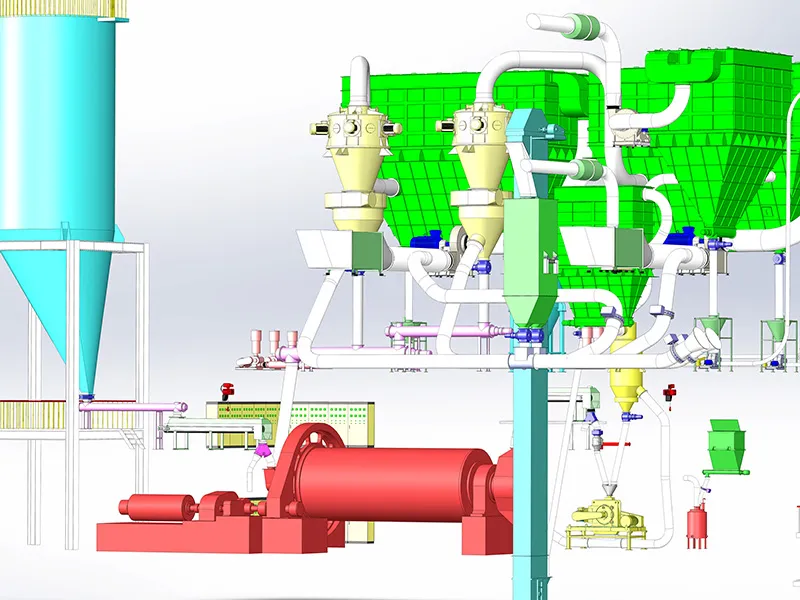
In concrete, ultrafine powder, a key mineral admixture, helps. It improves the gradation of powder materials and the concrete’s performance. Ultrafine powder boosts concrete’s performance. It also saves energy and reduces emissions. On one hand, adding ultrafine powder can cut cement use. This reduces energy use and carbon emissions in concrete production. On the other hand, the reuse of ultrafine powder is also in line with the concept of circular economy. Many industrial wastes (like fly ash and slag) can be turned into treasures. After ultrafine grinding, they become high-value-added building materials. This reduces waste, saves raw materials, and promotes sustainability. Cement voids and particle size range The concrete grading […]
グラファイト負極の表面改質における4つの主要な方法
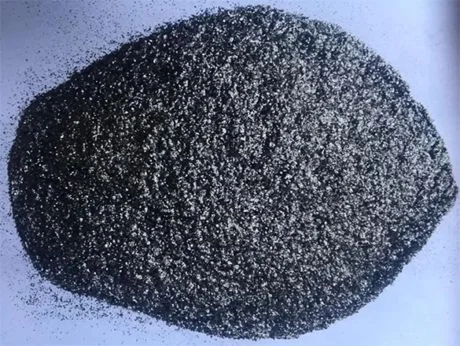
Graphite negative electrode is a common negative electrode material in electrochemistry. Lithium-ion battery research is a key focus. Graphite anode material has a low charge and discharge voltage. It is safe and cheap. So, it is the main negative electrode in commercial lithium-ion batteries. However, its poor solvent compatibility and high-current performance limit use. Co-embedding solvent molecules during the first charge and discharge can cause graphite layers to peel off. This greatly reduces the electrode’s service life and is a major bottleneck for its industrial use. The main way to solve this problem is to modify its surface. Surface modification can improve the electrode’s capacity, efficiency, and cycle performance. At present, […]
リチウムスラグの細分化による取り扱いの改善
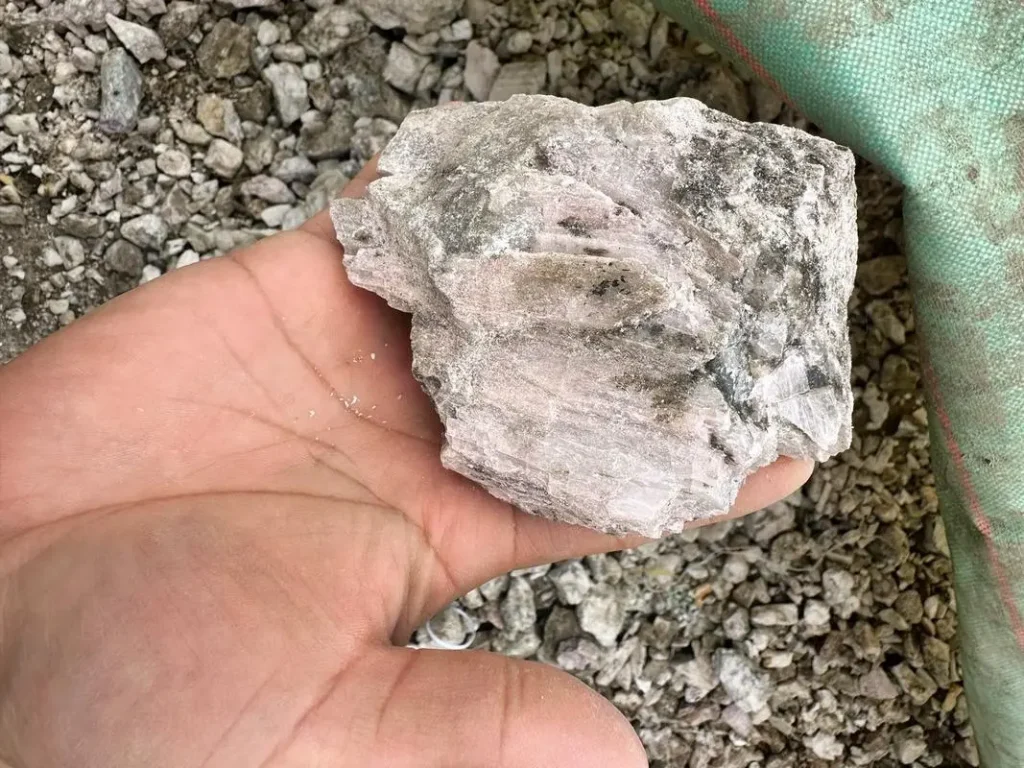
Lithium slag is a byproduct of lithium production from ores. It comes from extracting spodumene and other lithium-rich minerals. This material often contains high lithium and other valuable metals. So, it is a potential source for recycling and recovery. As demand for lithium rises, so must we manage lithium slag. It’s critical for batteries in electric vehicles and renewable energy storage. Researchers and industries are exploring new ways to process this byproduct. They aim to cut environmental harm and boost resource efficiency. My country has valuable lithium resources. They are mainly lithium ores, including spodumene, lepidolite, petalite, ferrolithium mica, and pyrolithite. Among them, only spodumene has been applied on an […]
What are the applications of barium sulfate? What should we pay attention to?
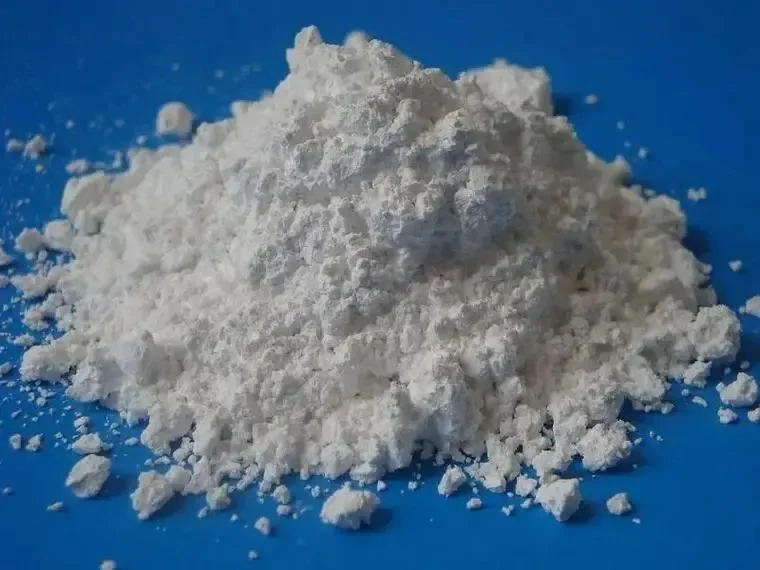
Barium Sulfate, or BaSO₄, is an inorganic compound. It is found widely in nature. It is a key raw material in the chemical and pharmaceutical industries, and many others. Barium sulfate’s unique properties make it very valuable in many applications. Basic properties of barium sulfate Barium sulfate is a white or colorless crystalline powder. It is odorless, tasteless, and has a high density of about 4.50g/cm³. It is poorly soluble in water, acids (except HF), and alcohol. It is slightly soluble in hot, concentrated sulfuric acid. This property makes barium sulfate very popular. It is stable and insoluble in common solvents. Also, BaSO₄ has a melting point of 1580°C. This […]
Physical properties of fly ash and its impact on materials science
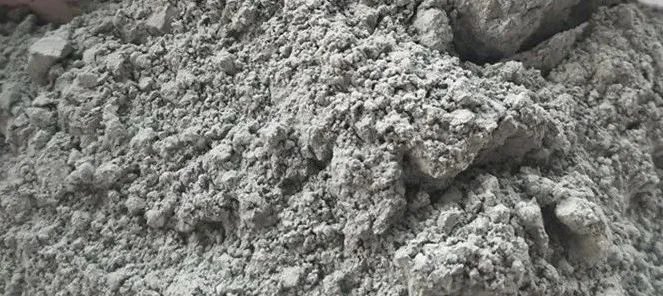
Fly ash is a major waste from coal-fired power plants. Its physical properties greatly affect materials science. Fly ash’s properties, like density and particle size, affect its use in building materials and its environmental impact. Study of fly ash’s physical properties is in-depth. Its potential in materials science is being explored. This may provide new, sustainable solutions for environmental protection. Physical properties of fly ash such as density and particle size: Fly ash has physical properties like density, bulk density, and fineness. These are macroscopic reflections of its chemical and mineral compositions. Fly ash has a density of 1.9 to 2.9 g/cm³. Its bulk density is 0.531 to 1.261 g/cm³. […]