
Grinding Aluminum Hydroxide for Artificial Stone and Solid Surface: Particle Size, Purity, and Equipment Selection
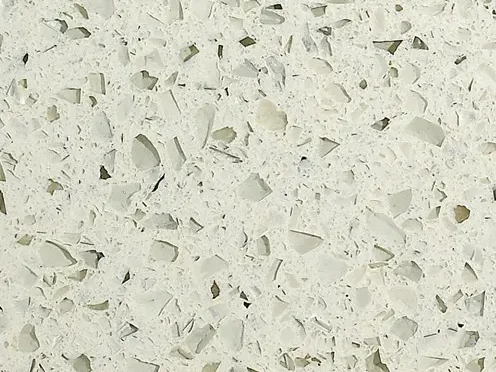
Solid-surface countertops and artificial marble sheets rely on aluminum hydroxide (ATH) as their main mineral filler. The grinding step fixes the particle size distribution, and that distribution controls the cured slab’s translucency, color depth, resin demand, and surface texture. This article explains the target size ranges for solid-surface ATH and the equipment choices that hit […]
How to Choose the Right Grinding Equipment: A Complete Guide by Material Type
Buying grinding equipment starts with the wrong question most of the time. Buyers ask which mill is best before they ask what the material actually needs. The right sequence is the opposite. First define the material properties, then the target particle size, then the production scale, and only then match the machine. At Epic Powder […]
Why Zirconia Grinding Media Isn’t Always the Right Choice for Stirred Ball Mills
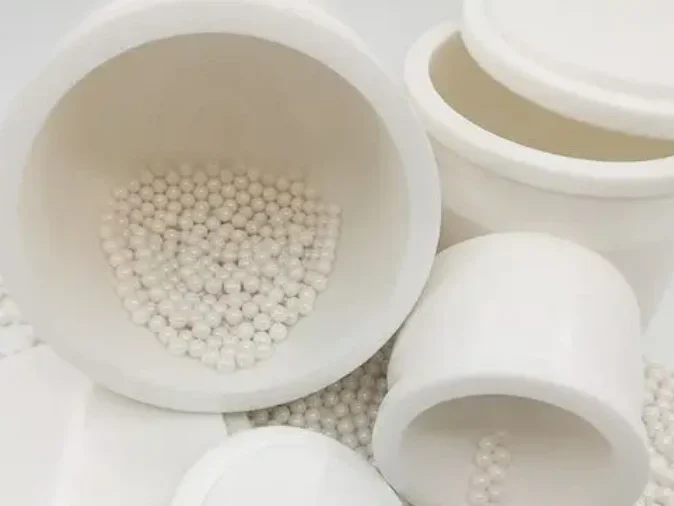
In the powder processing industry like electronic pastes, the stirred ball mill is a core piece of equipment. When selecting grinding media and liner materials, many people will choose zirconia. It’s wear-resistant, chemically stable, and has a balanced density. This mindset is extremely common in real-world production, but it’s also the root of quite a […]
The Role of 3 Key Ultrafine Powders in Refractory Castables
The Evolution of Refractory Materials The continuous advancement of industrial technology has driven an increasing demand for high-quality micro-powders in material science. In the refractory industry, traditional cement-bonded castables have long faced critical drawbacks—including high porosity, loose structural integrity, and insufficient mechanical strength. These limitations have made the development of advanced refractory castables an urgent […]
Complete Guide to Powder Materials: Types, Applications, and Extreme Environment Performance
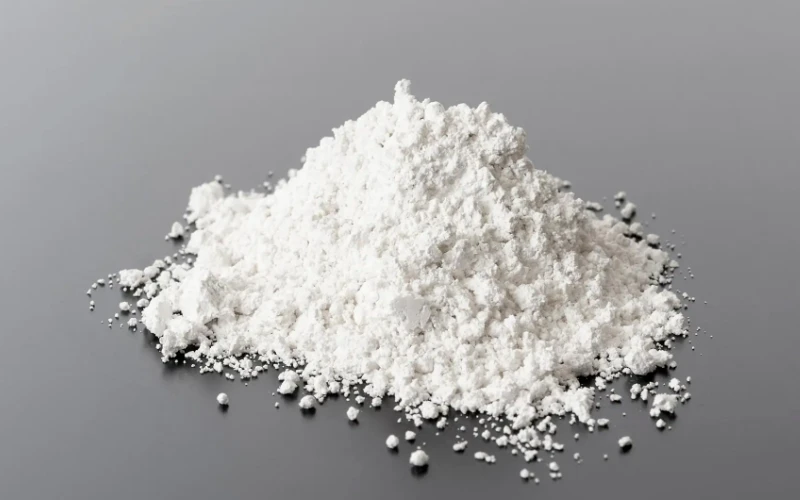
Powder materials form the foundation of modern industrial manufacturing. From the microscopic particles that enable 3D printing to the coatings that protect ships in the harshest oceans, these engineered materials are transforming how we build, protect, and sustain critical infrastructure. This comprehensive guide explores the full spectrum of powder materials. What Are Powder Materials? Powder […]
Modified Talc Powder: The Complete Guide to Next-Generation Agricultural Films

For years, agricultural film manufacturers and farmers have grappled with persistent challenges: slow greenhouse warming, films that tear easily, roll blocking that complicates handling, and the high cost of biodegradable options. The solution to these long-standing industry pains now comes from an unexpected source: ultra-fine, surface-modified talc powder. Once dismissed as a cheap, low-performance filler, […]
Bamboo Shoot Dietary Fiber Modification: How Ultrafine Grinding Unlocks Its Full Functional Potential

Introduction Dietary fiber often referred to as the seventh nutrient and the intestinal scavenger. It encompasses a diverse group of plant-derived substances including cellulose, hemicellulose, pectin, inulin, lignin, as well as saponins, waxes, cutin, and resistant proteins. These components are classified into two main categories: soluble dietary fiber (SDF) and insoluble dietary fiber (IDF). As […]
Inorganic Powders in Cosmetics
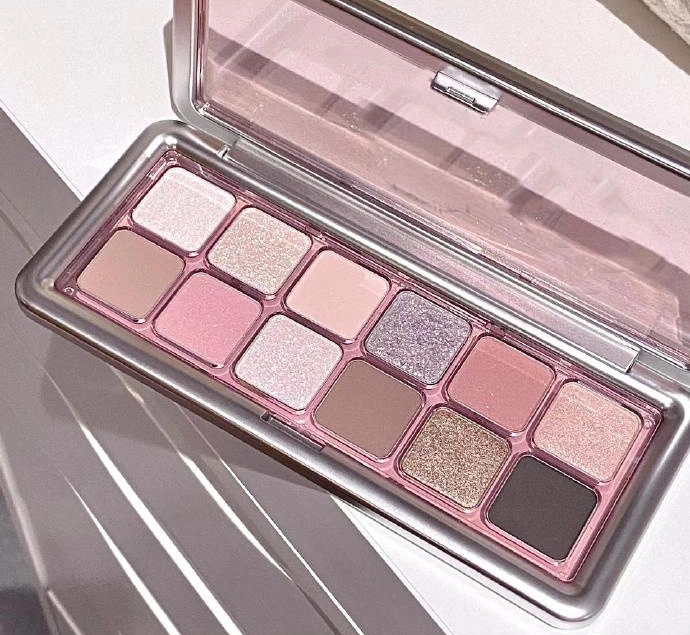
Market Overview The global mineral cosmetics market was valued at approximately $2.9 billion in 2025 and is projected to reach $3.8 billion by 2032, growing at a CAGR of 4.1%. Other estimates place the 2025 market size between $2.85 billion and $3.88 billion, with projections reaching $5.01–$6.24 billion by 2032–2034. Within this broader category, cosmetic-grade […]
Premium Toothpaste Grade Hydrated Silica Production: Precision in Particle Size & Grinding
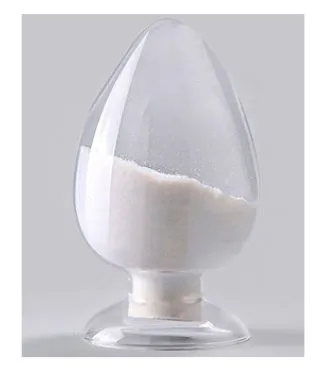
Introduction Every time you squeeze toothpaste onto your brush, you’re handling one of the most precisely engineered powders in modern manufacturing: hydrated silica. For toothpaste manufacturers, however, the stakes couldn’t be higher. A single batch of hydrated silica with oversized particles—D100 exceeding 20μm—can result in a rejected shipment, damaged brand reputation, and even liability claims […]