
Why Jet Mills Excel in Copper Oxide Ultrafine Grinding ?
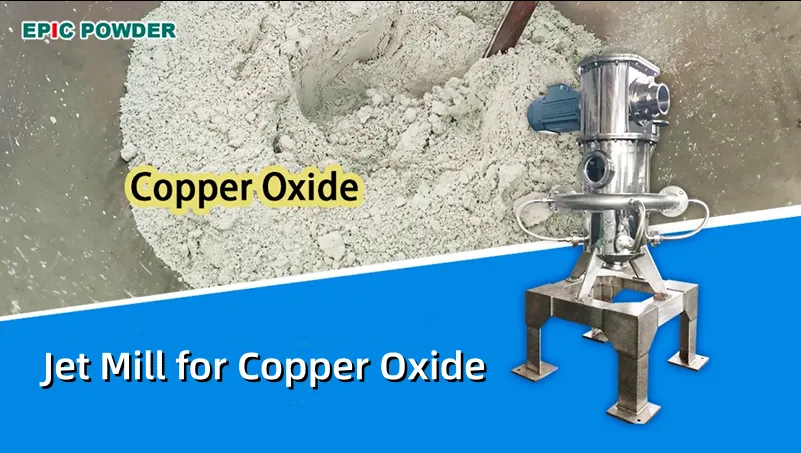
Ultrafine grinding of copper oxide is a complex task due to their unique physical and chemical properties. Understanding these challenges helps in selecting suitable equipment and optimizing process parameters. Key Challenges Property Description Impact on Grinding High Hardness (Mohs 3.5–4) Harder than many common powders Requires wear-resistant and robust grinding technology; otherwise severe wear and […]
What Is the Complete Manufacturing Process of NdFeB Permanent Magnets?
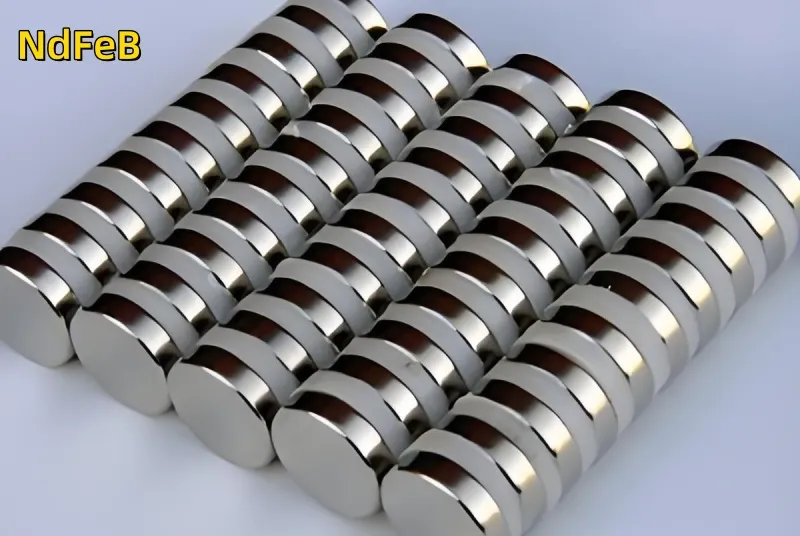
Neodymium–iron–boron (Nd-Fe-B) is the most representative rare-earth permanent magnetic material. Its main composition includes neodymium (Nd), iron (Fe), and boron (B), where rare-earth elements account for about 25–35%, iron 65–75%, and boron around 1%. NdFeB is currently the permanent magnetic material with the highest magnetic energy product in the world and is known as the […]
How Does a Porous Carbon Jet Pulverizer Perform Ultra-fine Battery Anode Grinding?
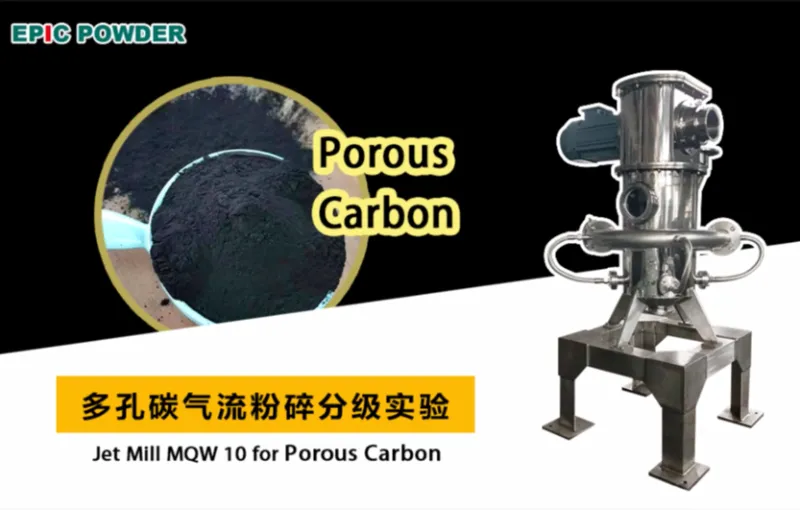
An advanced porous carbon jet pulverizer delivers ultra-fine grinding with precise D50 below 2 microns and contamination-free milling for next-generation battery anode materials. Porous carbon—particularly silicon–carbon composites—is reshaping the performance standards of modern high-energy batteries. However, achieving ultra-fine, contamination-free particle sizes while preserving the delicate porous structure remains extremely challenging. Traditional mechanical mills struggle to […]
What is the Optimal Particle Size Range for Hard Carbon Anode Materials? How Can an Air Classifier Precisely Control This?

Hard carbon has become one of the most promising next-generation anode materials for lithium-ion batteries due to its high capacity, strong rate performance, and excellent low-temperature characteristics. However, because of its complex structure and wide particle size distribution, hard carbon must undergo precise particle classification. Without accurate control, issues such as inconsistent compaction density, excessive […]
Mineral Processing Plants: What You Need to Know ?
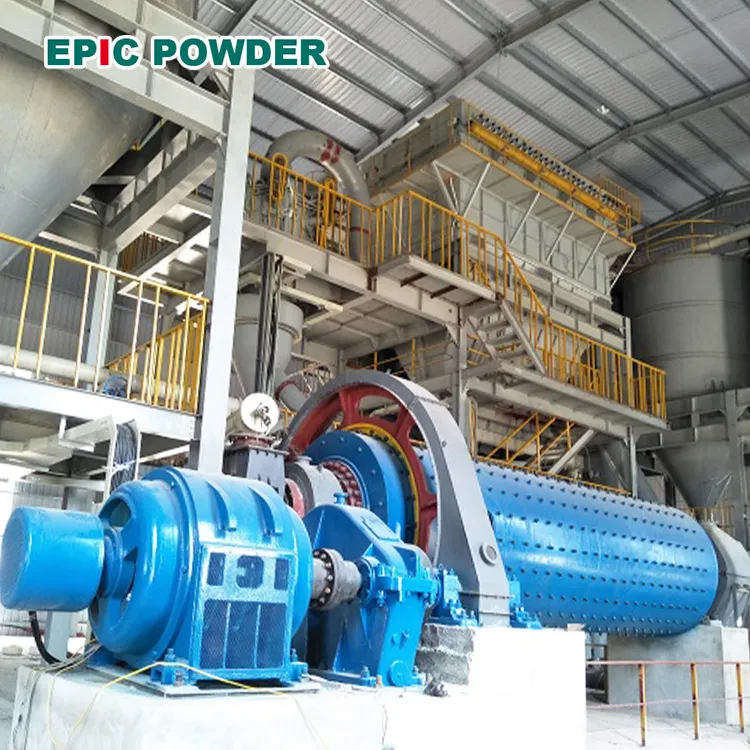
Mineral processing plants play a crucial role in transforming raw ores and industrial minerals into high-value, application-ready powders. Whether used in plastics, ceramics, electronics, metallurgy, or construction materials, the performance of the final product depends heavily on the efficiency, precision, and reliability of the processing equipment. Among numerous mineral processing solutions, ball mill classification systems, […]
Why Must NdFeB Be Pulverized Using a Jet Mill?
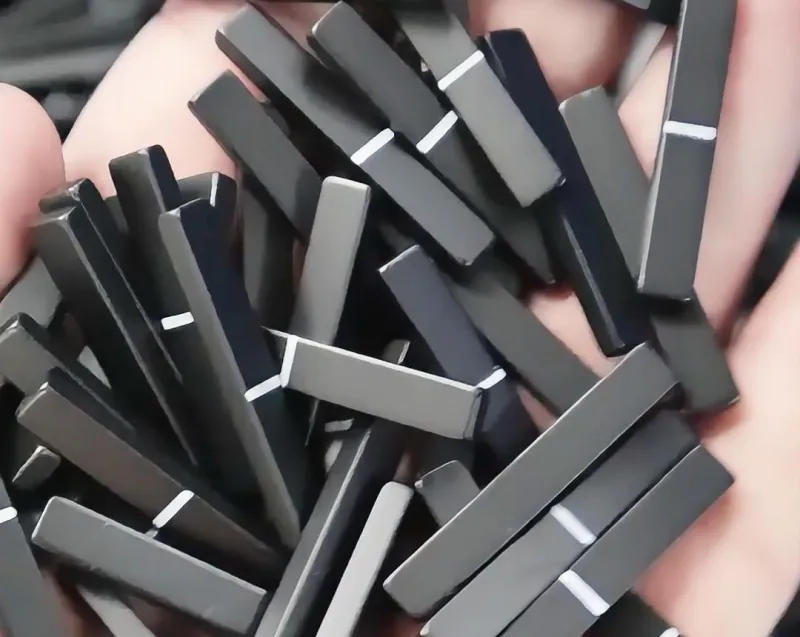
NdFeB (Neodymium-Iron-Boron) is the strongest permanent magnetic material available today. And It is widely used in EV traction motors, wind turbines, consumer electronics, and more. In its manufacturing process, the pulverization step is critical because it directly affects particle-size distribution, oxygen content, and the final magnetic performance. Traditional mechanical pulverization methods (such as ball mill […]
What Is an Air Classifier and How Does It Work?
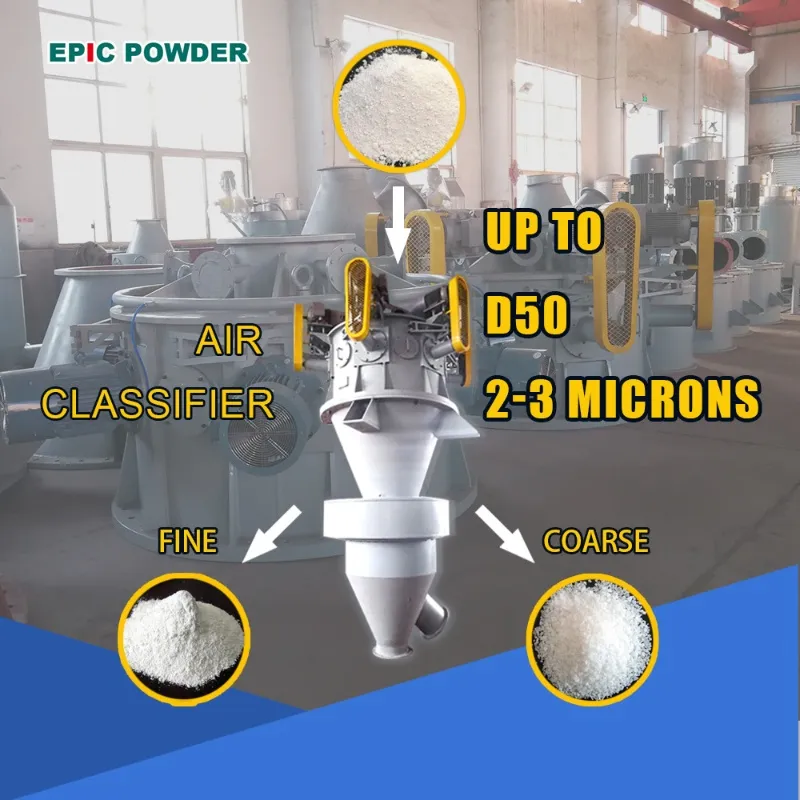
Uneven particle size distribution can lower product quality, cause customer complaints, and increase production costs. An air classifier provides an efficient solution for precise powder classification and particle size control. An air classifier is a device that separates fine particles from coarse ones in a dry powder system based on particle size, shape, and density. […]
How Does an Air Classifier Improve Product Quality in Powder Processing?
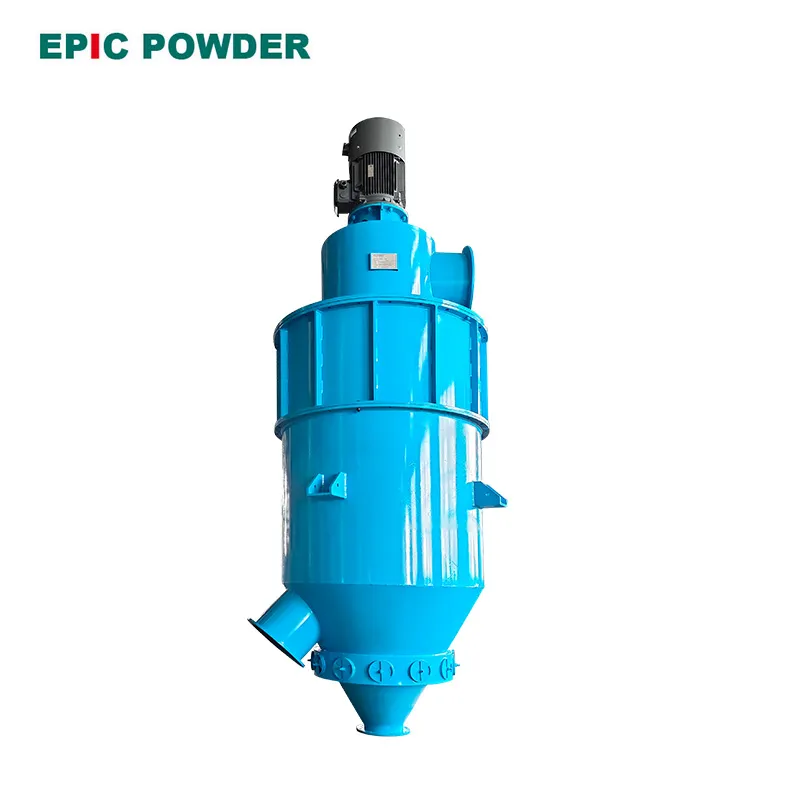
In modern powder processing industries, precision and consistency are critical. Whether producing fillers for plastics, pigments for coatings, or active ingredients for pharmaceuticals, controlling particle size distribution determines product performance and market competitiveness. One piece of equipment plays a particularly important role in achieving this control — the air classifier. Air classifiers use airflow and […]
How to choose the right Ultrafine Grinding equipment to meet the needs of different industries?
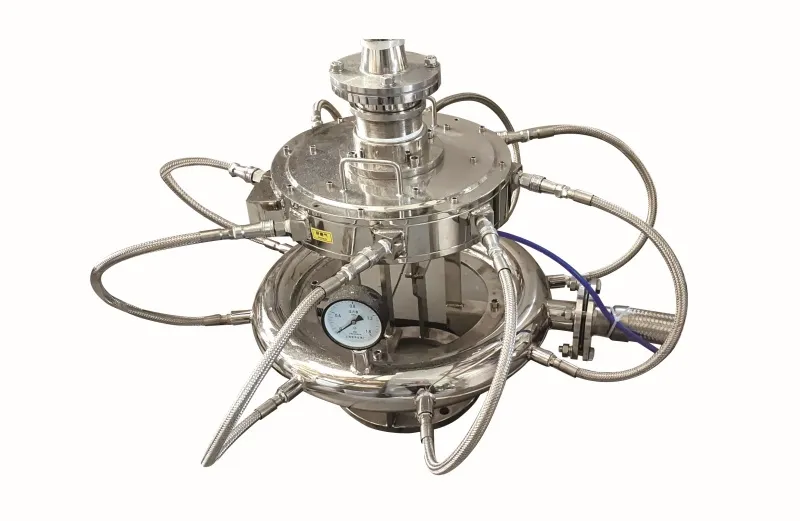
Applications in the Pharmaceutical Industry Enhancing Solubility and BioavailabilityUltrafine grinding technology reduces active pharmaceutical ingredients into submicron or nanometer-sized particles. This dramatically improves solubility and absorption efficiency, leading to faster and more consistent therapeutic effects. Improving Uniformity and StabilityBy precisely controlling particle size distribution, ultrafine grinding ensures better uniformity of pharmaceutical materials, resulting in stable […]