
Üretiminde lityum iyon piller, Katot malzemelerinin performansı—örneğin lityum kobalt oksit (LCO), nikel-kobalt-manganez oksitler (NCM) ve lityum demir fosfat (LFP)—enerji yoğunluğunu, çevrim ömrünü ve güvenliği doğrudan etkiler. Katot malzemesi işleme sürecindeki yaygın zorluklar arasında, kümelenme en kritik olanlardan biridir. Bu kümelenmeler genellikle van der Waals kuvvetleri veya elektrostatik etkileşimler nedeniyle oluşur ve parçacıkların homojen bir şekilde dağılmasını zorlaştırır. Bu da, bulamaç reolojisini ve elektrotun nihai mikro yapısını etkiler. Kümelenmeler sadece geniş bir yelpazeye yol açmakla kalmaz, aynı zamanda parçacık boyutu dağılımı etkileyebilir ancak iyon taşıma verimliliğini ve genel pil performansını da azaltabilir.
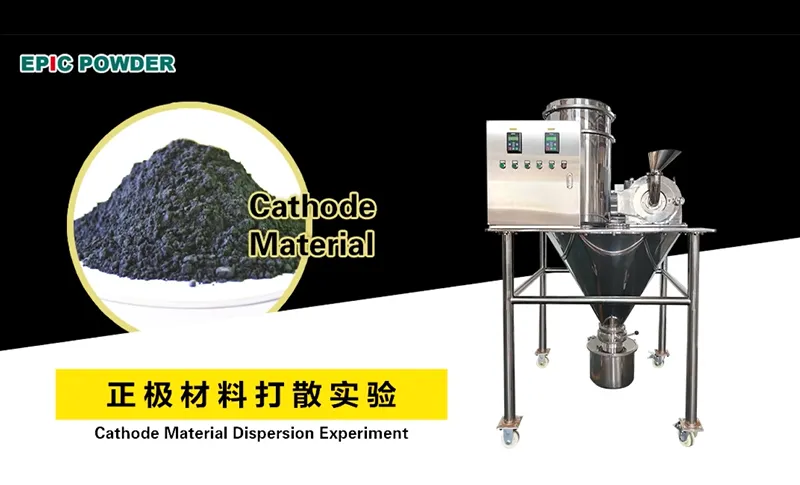
Bu makale, topakların neden parçalanmasının zor olduğunu inceliyor. Özellikle bir yöntemin kullanımına odaklanıyor. pin değirmeni Katot malzemelerinin parçacık boyutu dağılımını optimize ederek, nihayetinde verimliliği ve kaliteyi artırmak.
Kümelenmenin Nedenleri ve Etkileri
İşleme sırasında, katot malzemesi parçacıkları hem yumuşak agregatlar hem de sert topaklar oluşturma eğilimindedir. Yumuşak agregatlar genellikle mekanik karıştırma veya dağıtıcı maddeler kullanılarak kolayca dağıtılabilir. Bununla birlikte, sert topaklar van der Waals kuvvetleri gibi güçlü moleküller arası kuvvetlerle bir arada tutulur ve ayrılması çok daha zordur.
Bu fenomen özellikle iletken katkı maddelerinde yaygındır, örneğin karbon siyahı. Parçacıklar arası güçlü çekim kuvvetleri, bulamaçta büyük ve kalıcı kümeler oluşturur. Araştırmalar, van der Waals kuvvetlerinin bu sert topaklara neden olduğunu ve bunun da sonuçta elektrot homojenliğini ve iletken ağı bozduğunu göstermektedir.
Kümelenme çeşitli olumsuz etkilere yol açar. İlk olarak, düzensiz bir parçacık boyutu dağılımına neden olur. İdeal olarak, katot malzemeleri, bulamaç stabilitesini ve optimize edilmiş elektrokimyasal performansı sağlamak için dar bir parçacık boyutu dağılımı sergilemelidir. Dağılım çok genişse, ince parçacıklar boşlukları doldurabilirken, büyük kümeler düzensiz gözeneklilik oluşturarak lityum iyon difüzyon hızlarını azaltır.
İkinci olarak, elektrot sırasında kaplama, Topaklanmalar, düzensiz kaplamalar veya yapışma sorunları gibi kusurlara neden olabilir ve bu da nihayetinde pil kapasitesini ve döngü stabilitesini tehlikeye atabilir. Ayrıca, yüksek katı madde içeriğine sahip bulamaçlarda topaklanma daha da şiddetlenir ve işleme zorluğunu daha da artırır.
Pim Frezelerinin Çalışma Prensibi ve Avantajları
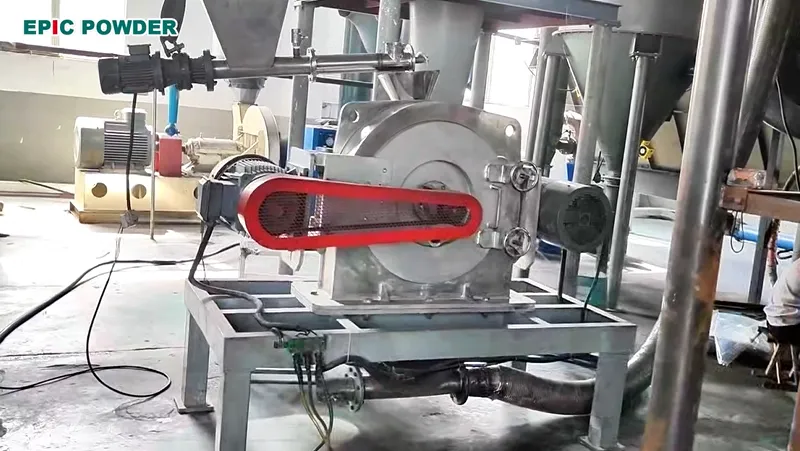
The pin değirmeni Yüksek verimli mekanik bir öğütme cihazıdır. Özellikle pil malzemelerinin boyut küçültülmesi ve dağıtılması için toz işleme alanında yaygın olarak kullanılır. Çalışma prensibi santrifüj darbesine dayanır. Malzeme hazneye girdiğinde, yüksek hızlı dönen pimler onu yoğun darbe ve kesme kuvvetine maruz bırakır. Ek olarak, yardımcı hava akışı veya rotor hareketi, ince öğütme sağlamak için parçacıklar arası çarpışmaları teşvik eder.
Geleneksel bilyalı değirmenlerden veya çekiçli değirmenlerden farklı olarak, pimli değirmenler eleklere, çekiçlere veya kesici bıçaklara dayanmaz. Bunun yerine, parçacık boyutu dağılımı, pimlerin hassas düzenlenmesi ve konfigürasyonu ile kontrol edilir.
Katot malzemesi işleme sürecinde, pimli değirmenler özellikle lityum demir fosfat ve lityum titanat gibi lityum bazlı bileşikler için uygundur. Başlıca avantajları şunlardır:
- Hassas parçacık boyutu kontrolü: Dönme hızı, pim boşluğu ve ilerleme hızı ayarlanarak, genellikle mikron aralığında (5–10 μm) dar bir parçacık boyutu dağılımı elde edilebilir.
- Etkin kümelenme giderme: Yüksek hızlı darbe, aşırı ısı oluşumuna yol açmadan sert topakları etkili bir şekilde kırar ve malzeme bozulmasını önler.
- Sürekli çalışma: Pim freze makineleri, sürekli işleme ve kaplama hatlarını destekleyerek büyük ölçekli pil üretimi için uygun hale gelir.
- Hava sınıflandırmasıyla entegrasyon: Bunlar genellikle şunlarla birlikte kullanılır: hava sınıflandırıcı Parçacık boyutu dağılımını daha da optimize etmek için sistemler.
İğneli Değirmen Kullanarak Katot Parçacık Boyutu Dağılımını Optimize Etmeye Yönelik Pratik Yöntemler
İğneli değirmen kullanarak katot malzemelerinin parçacık boyutu dağılımını optimize etmek için aşağıdaki adımlar uygulanabilir:
- Tedavi öncesi aşama:
Öncelikle, uygun bir başlangıç parçacık boyutu aralığı (örneğin, 5-10 mm) sağlamak için ham madde (örneğin, nikelce zengin katmanlı oksitler) önceden öğütülmelidir. Dağıtıcı maddeler (örneğin, sodyum poliakrilat) eklemek viskoziteyi azaltabilir ve düzgün beslemeyi sağlayabilir. - Öğütme parametrelerinin optimizasyonu:
Başlıca parametreler arasında rotor hızı (tipik olarak 1.000–3.000 rpm), pim konfigürasyonu ve hava akışı yoğunluğu yer almaktadır. Daha yüksek dönüş hızları topakların kırılmasına yardımcı olur, ancak aşırı öğütmeyi ve çok fazla nano ölçekli parçacık oluşumunu önlemek için dikkatlice kontrol edilmelidir.
Lityum pil katotları için hedef parçacık boyutu dağılımı genellikle D50 = 5–15 μm ve D90 < 30 μm'dir; bu da sıkıştırma yoğunluğunu ve iyon taşınımını iyileştirmeye yardımcı olur. Deneysel sonuçlar, optimize edilmiş bir dağılımın 0,45'ten büyük bir D30/D70 oranına ulaşabileceğini ve böylece paketleme yoğunluğunu artırabileceğini göstermektedir. - Diğer süreçlerle kombinasyon:
Pimli değirmenler, bilyalı değirmen-sınıflandırıcı üretim hatlarına entegre edilebilir. Çok kademeli sınıflandırıcılar, dağıtım eğrisini hassas bir şekilde ayarlamak, minimum enerji tüketimini sağlamak ve aşırı öğütmeyi azaltmak için kullanılabilir. Bulamaç hazırlama sırasında, öğütme esnasında çözücü eklenmesiyle yerinde topaklanmayı giderme işlemi, dağılım homojenliğini daha da artırabilir. - Performans değerlendirmesi:
Lazer parçacık boyutu analizörleri, dağılım eğrilerini izlemek için kullanılır. İdeal bir dağılım, daha yüksek bulamaç katı içeriğine ve daha az kaplama kusuruna olanak tanıyan homojen bir dağılımdır. Çalışmalar, homojen bir parçacık boyutu dağılımının lityum iyon hareketliliğini ve pil kapasitesini önemli ölçüde iyileştirebileceğini göstermektedir.
Çözüm
Katot malzemesi işleme sürecinde en önemli darboğazlardan biri, topaklanmaları kırma zorluğudur. Hassas darbeli öğütme ve parametre optimizasyonu sayesinde, pimli değirmenler dar parçacık boyutu dağılımları ve istikrarlı topaklanma giderme için etkili bir çözüm sunar. Bu durum, bulamaç homojenliğinin iyileştirilmesine, daha yüksek sıkıştırma yoğunluğuna ve lityum iyon pillerin elektrokimyasal performansının artmasına doğrudan katkıda bulunur.
Epik Toz 20 yılı aşkın süredir ultra ince toz işleme alanında deneyime sahibiz. Özellikle lityum pil katodu ve iletken malzemeler için özelleştirilmiş pimli değirmen ve hava sınıflandırma çözümleri sunuyoruz. Sistemimiz, öğütme, topaklanmayı giderme ve sınıflandırmayı tek bir optimize edilmiş süreçte birleştirir. Bu, üreticilerin tutarlı parçacık boyutu kontrolü ve ölçeklenebilir üretim elde etmelerine yardımcı olur. Pil spesifikasyonları sıkılaştıkça, gelişmiş öğütme teknolojilerimiz yeni nesil enerji depolama için vazgeçilmez olmaya devam edecektir.
"Okuduğunuz için teşekkürler. Umarım makalem yardımcı olur. Lütfen aşağıya yorum bırakın. Daha fazla bilgi için Zelda online müşteri temsilcisiyle de iletişime geçebilirsiniz."
— Gönderen Emily Chen