
A pin mill grinds by impact and attrition: two discs carrying concentric rows of intermeshing pins rotate at high speed, and the material shatters between them. Choose a pin mill when the target is a medium-fine powder, roughly 60 to 300 mesh, and the material is brittle, fibrous, or heat sensitive. For finer cuts, dual-drive versions reach 2500 mesh. For sub-micron, a jet mill takes over.
This guide explains the working principle, the MJL-P specification across three grinding modes, the applications where pin mills earn their keep, and how to decide between a pin mill and the alternatives.
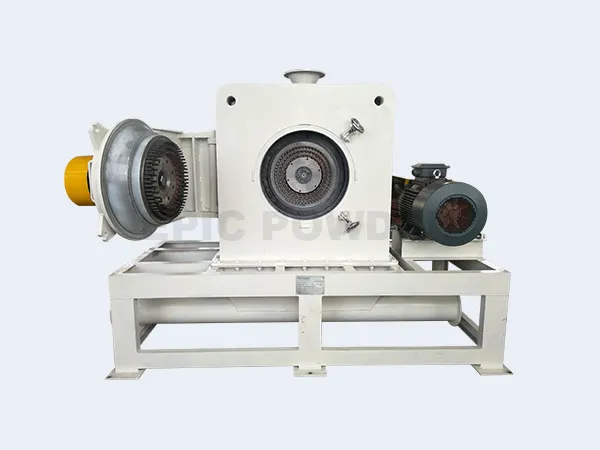
Como funciona uma fresa de pinos
Material enters the center of the grinding chamber and meets the rotating pins head on. Three forces act on it at once:
- Impact. The pins strike particles at tip speeds that reach 240 m/s in ultra-fine mode. Brittle materials fracture on the first strike.
- Attrition. Particles collide with each other and rub against the pins, which breaks down fibrous and semi-tough materials that a single impact would only bruise.
- Classification. An integrated or external classifier controls which particles leave the chamber. Oversized material stays in the circuit until it reaches spec.
The combination of impact and attrition is what separates the pin mill from a hammer mill. A hammer mill relies on swing hammers and suits coarse crushing. A pin mill adds the shearing action between pin rows, which is why it produces a narrower distribution at medium-fine cuts.
MJL-P Specifications Across Three Grinding Modes
The MJL-P series runs in three modes. Fineness and tip speed rise together, and power follows. Five models cover 250 to 800 mill chambers.
| Mode | Finura | Tip speed | Power range (250 to 800 model) |
|---|---|---|---|
| Pó grosso | 20 – 200 mesh | 75 – 85 m/s | 7.5 – 55 kW |
| Pó fino | 60 – 300 mesh | 100 – 120 m/s | 15 – 75 kW |
| Ultra-fine powder (dual drive) | 100 – 2500 mesh | 200 – 240 m/s | 15×2 – 90×2 kW |
The dual-drive ultra-fine configuration puts motors on both discs, spinning them in opposite directions at up to 240 m/s relative tip speed. This is the version behind the Pin Mill 630C dual-drive ultrafine grinding mill, which runs the finest cuts in the series.
Applications by Industry
| Indústria | Materiais típicos | Why a pin mill fits |
|---|---|---|
| Food | Spices, sugar, grains, food additives | Air-swept cooling protects heat-sensitive products; easy washdown |
| Produtos Farmacêuticos | APIs and excipients | Narrow distribution at medium-fine cuts with gentle heat load |
| Produtos químicos | Pigments, dyes, specialty chemicals | Consistent top size with integrated classification |
| Minerais | Calcium carbonate, soft minerals | Also serves as the dispersion stage in surface modification lines |
In calcium carbonate work the pin mill often runs twice: once to grind, and once to disperse. The pin mill modifier for calcium carbonate coating shows the second job, where the mill breaks agglomerates after the coating step instead of reducing particle size. A chemical plant in Taiwan runs an ultrafine pin mill line for calcium carbonate, and an Egyptian customer applies the same machine to calcium carbonate modification.
Pin Mill or the Alternatives
Three checks settle the choice:
- Target fineness below 300 mesh and material is brittle or fibrous. A pin mill holds that range with lower air consumption than any pneumatic option.
- Target of 400 mesh to 2 µm with a narrow distribution. Compare with an air classifier mill or step up to a jet mill. The trade is energy: jet mills buy fineness with compressed air.
- Sticky or fibrous feed that heats up in the mill. The pin mill’s open airflow path runs cooler than a closed classifier mill at the same speed.
Two detailed comparisons already on this site go deeper: Pin Mill vs Air Jet Mill: Which Is Right for Your Material e Turbo Mill vs Pin Mill: Which Is Better for Medium-Fine Grinding.
Pin Mill Customer Site Gallery

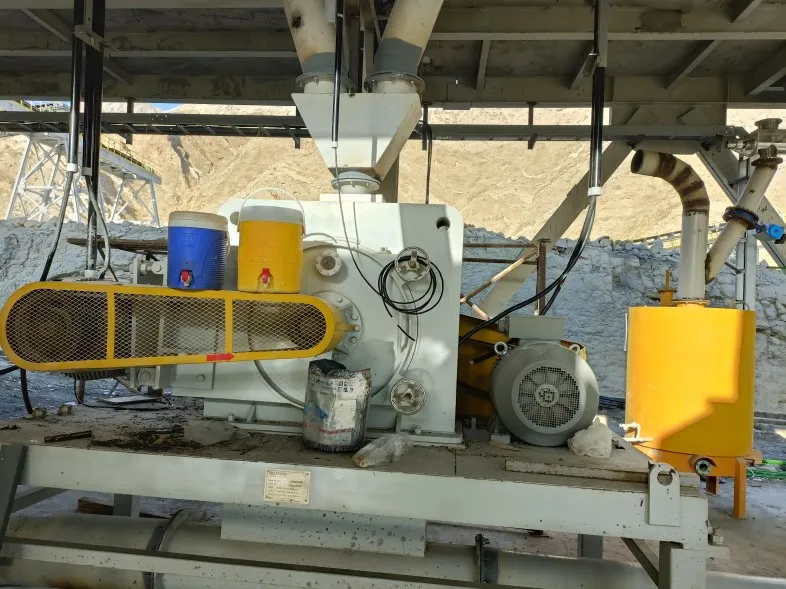
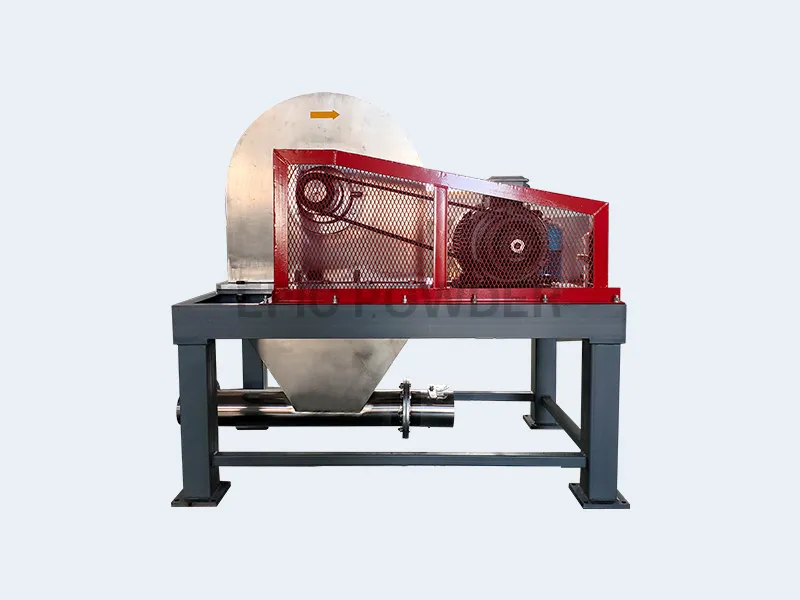
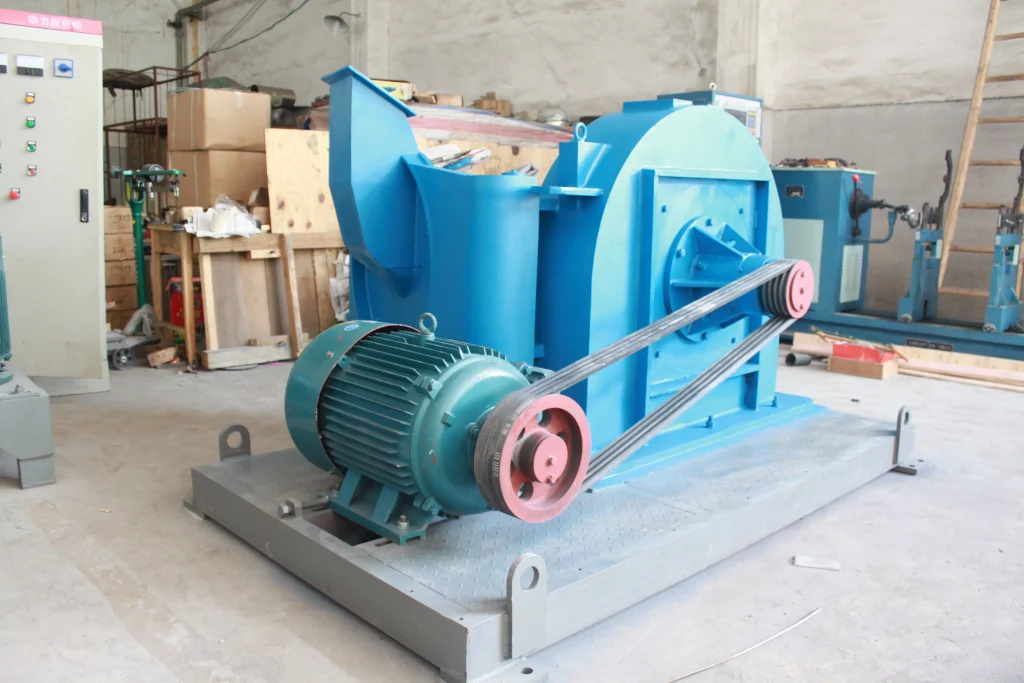
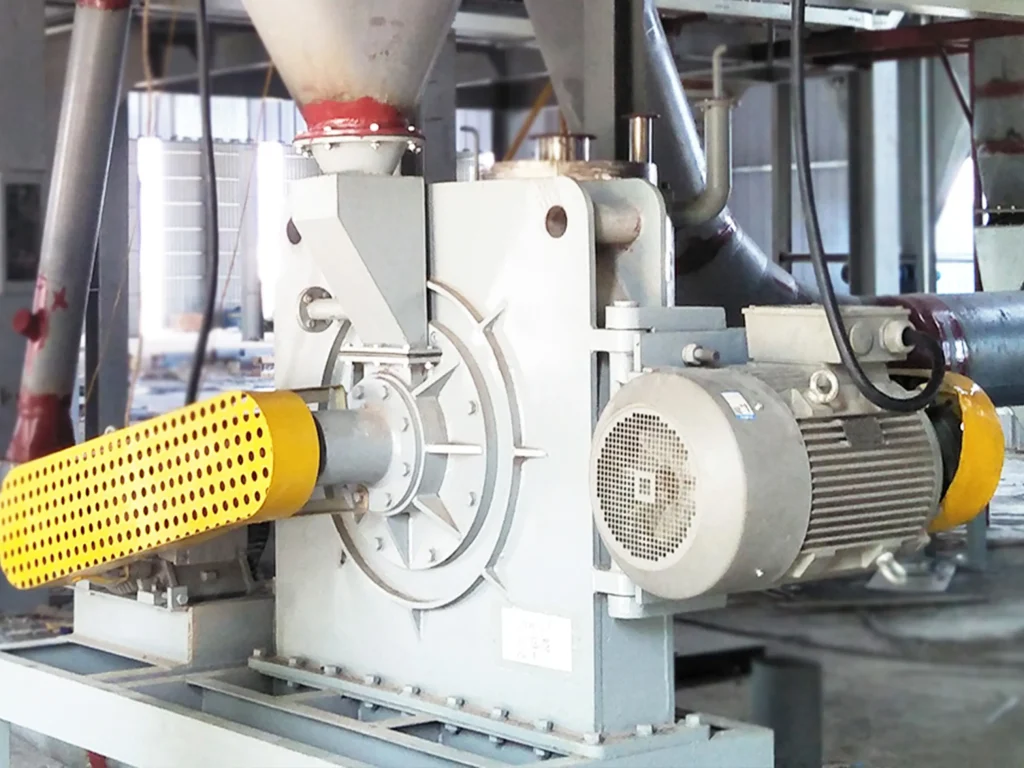
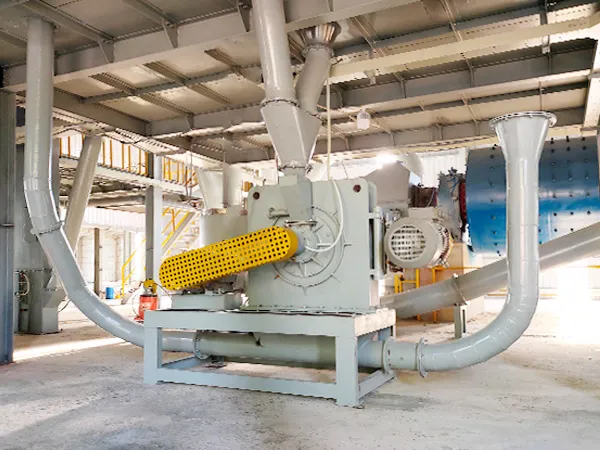
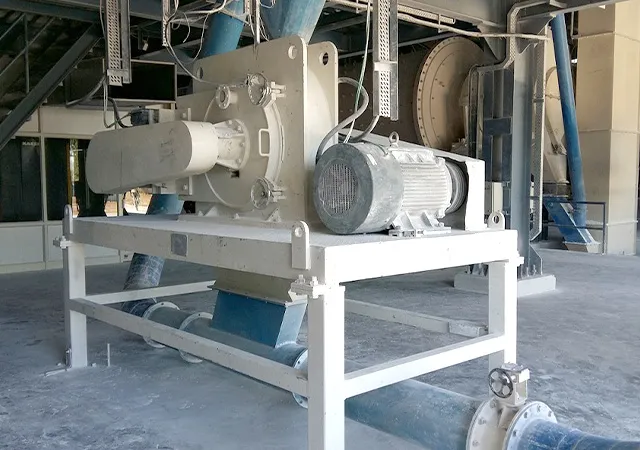
Send a Sample Before You Size the Line
Fineness targets look similar on paper and behave differently in practice, because moisture, hardness, and fiber content change how a material breaks between pins. Send your material to EPIC Powder and we run it on the MJL-P at the mode matched to your target mesh, then report the particle size distribution and throughput. The MJL-P pin mill series page carries the full model range from 250 to 800.
Pó Épico
A Epic Powder projeta sistemas de moagem e classificação para minerais, produtos químicos, alimentos e produtos farmacêuticos. Com mais de 20 anos de experiência em processamento de pós, selecionamos o moinho ideal para o tamanho de partícula e a capacidade desejados. Conte-nos sobre o seu material e recomendaremos uma solução comprovada.

“Obrigado pela leitura. Espero que meu artigo tenha ajudado. Deixe um comentário abaixo. Você também pode entrar em contato com o representante de atendimento ao cliente da EPIC Powder online. Molly Para quaisquer outras dúvidas.”
— Emily Chen, Engenheiro