
Hoe wordt de turbomolen een efficiënt "maalgereedschap" voor het recyclen van lithium-ijzerfosfaat (LFP)-batterijen?
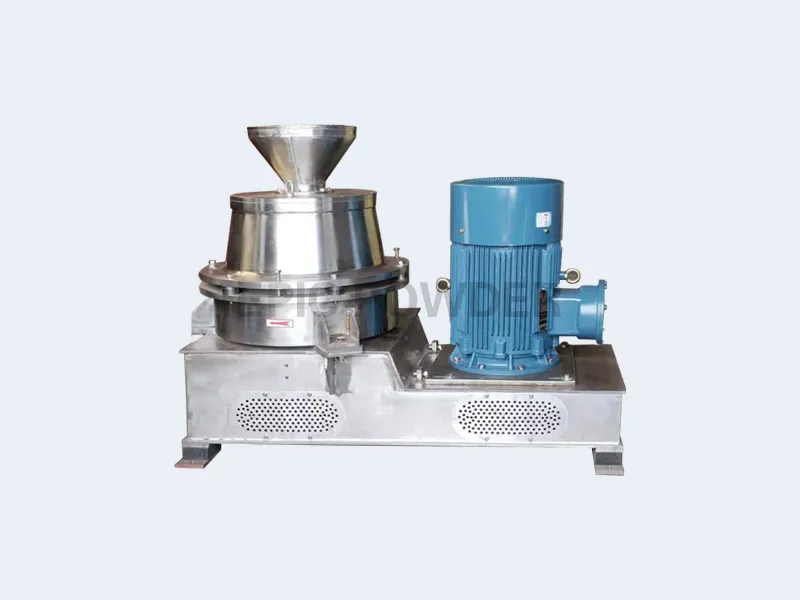
Als u betrokken bent bij de recycling van lithium-ijzerfosfaat (LFP)-batterijen, weet u dat het behalen van hoge terugwinningspercentages en een hoge zuiverheid van de zwarte massa sterk afhangt van effectief malen. Maar niet alle maalinstallaties zijn gelijk, vooral als het gaat om het verkleinen van ultrafijne deeltjes, het beheersen van verontreinigingen en energie-efficiëntie. Dat is waar de turbomolen zich onderscheidt als […]
Hoe bereik je efficiënte ultrafijne vermaling van anorganische vaste elektrolyten met behulp van traditionele kogelmolens?
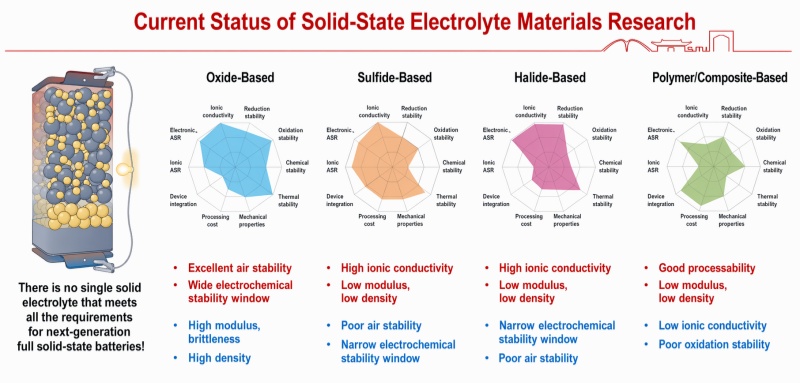
Bij het onderzoek naar en de industrialisatie van volledig vastestofbatterijen (ASSB's) worden anorganische vaste elektrolyten (ISE's) beschouwd als de belangrijkste kernmaterialen. Of ze nu tot het oxidesysteem (bijv. LLZO), het sulfidesysteem (bijv. Li3PS4, Li10GeP2S12) of het halidesysteem behoren, hun fysieke morfologie, deeltjesgrootteverdeling en specifiek oppervlak bepalen direct de uiteindelijke prestaties van de batterij.
Lost ultrafijne verpulvering van natriumcarbonaat werkelijk het probleem van de slechte prestaties van natrium-ionbatterijen op?

Natrium-ionbatterijen (SIB's) hebben de afgelopen jaren veel aandacht gekregen vanwege de overvloedige beschikbaarheid van natrium, de lage kosten en de voordelen op het gebied van prestaties en veiligheid bij lage temperaturen. In vergelijking met de volwaardige lithium-ionbatterijen kampen SIB's echter nog steeds met een belangrijk nadeel: een slechte laad-ontlaadsnelheid. Laad-ontlaadsnelheid verwijst naar het vermogen van een batterij om de capaciteit te behouden en snel te laden en te ontladen bij […]
What Are The Working Principles, Advantages, and Challenges of a Turbo Air Classifier?
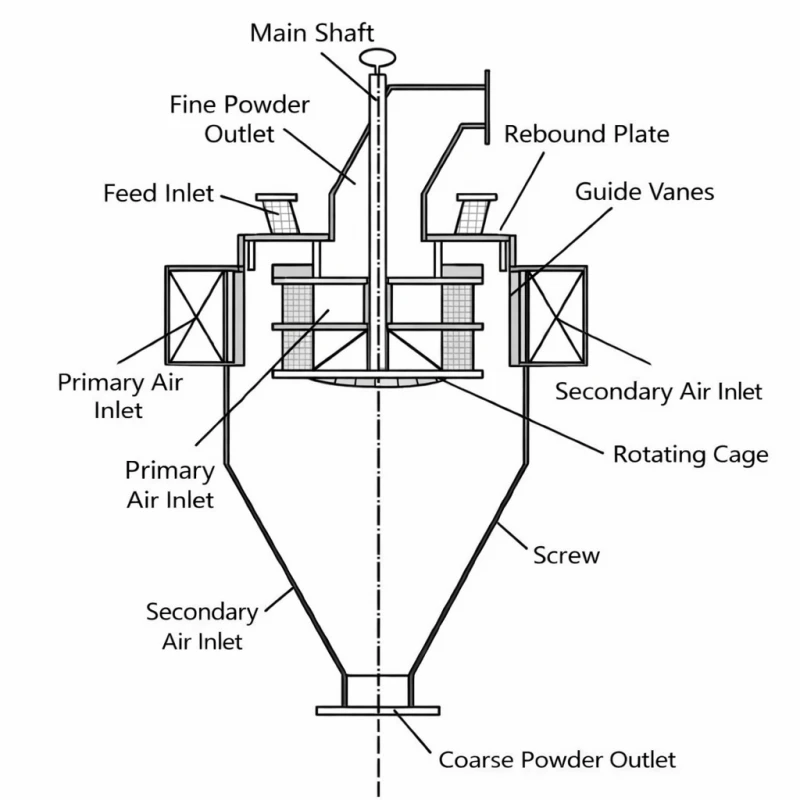
Particle classification refers to separating particles of the same material according to differences in physical properties such as particle size, shape, or density. In most cases, classification specifically means separating particles by size. The two core technical elements of classification are dispersion and separation. Dispersion requires that the material entering the classification chamber be as […]
Vloeistofbedstraalmolen versus schijfstraalmolen: wat zijn de belangrijkste prestatieverschillen?
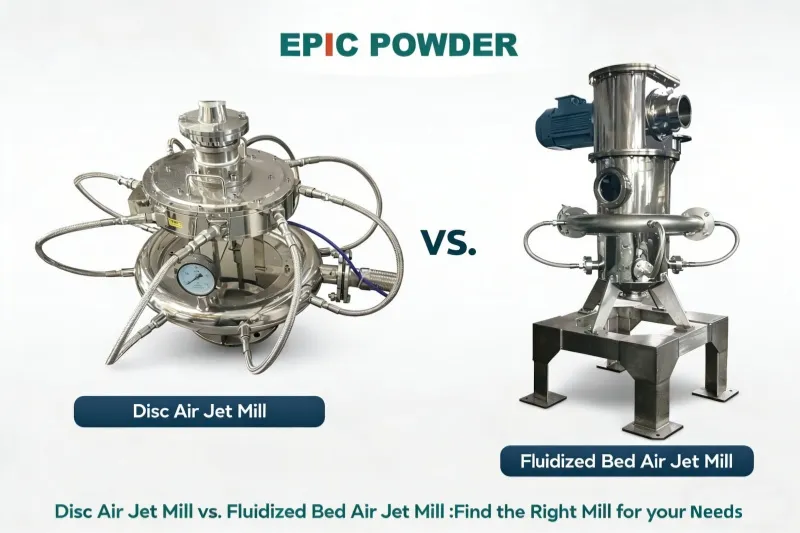
Conceptual Breakdown of Fluidized Bed Jet Mill vs. Disc Jet Mill In the realm of ultrafine powder processing, jet milling stands as a pivotal technology. It is widely used for achieving particle sizes in the micron and sub-micron range. Among the various configurations, the Fluidized Bed Air Jet Mill and the Disc Air Jet Mill […]
Wat is het volledige productieproces van NdFeB-permanente magneten?
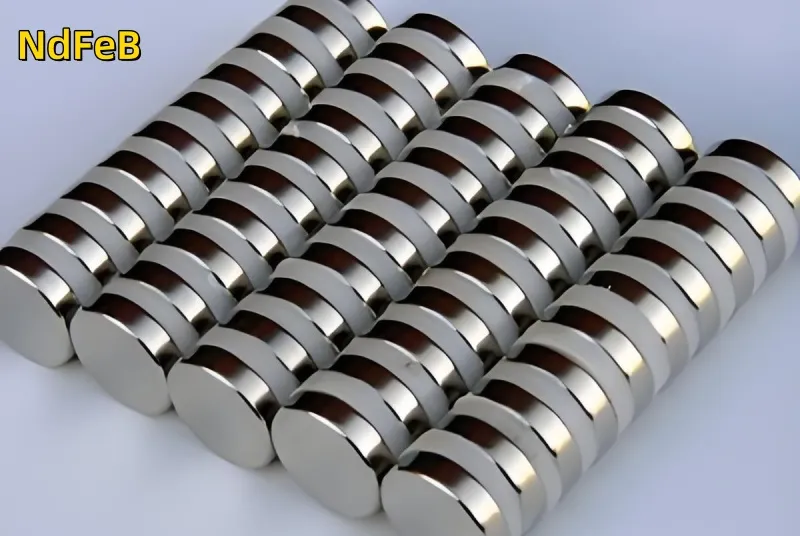
Neodymium–iron–boron (Nd-Fe-B) is the most representative rare-earth permanent magnetic material. Its main composition includes neodymium (Nd), iron (Fe), and boron (B), where rare-earth elements account for about 25–35%, iron 65–75%, and boron around 1%. NdFeB is currently the permanent magnetic material with the highest magnetic energy product in the world and is known as the […]
Waarom moet NdFeB verpulverd worden met een straalmolen?
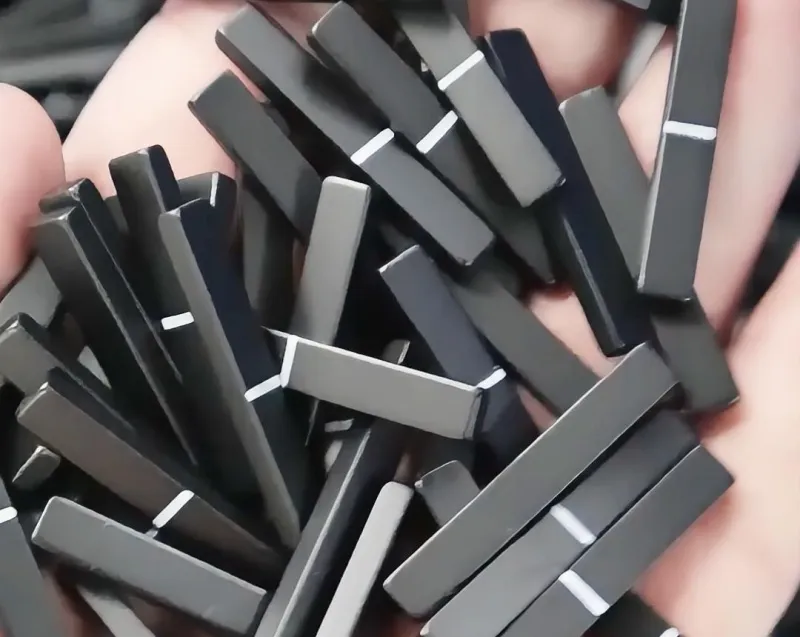
NdFeB (Neodymium-Iron-Boron) is the strongest permanent magnetic material available today. And It is widely used in EV traction motors, wind turbines, consumer electronics, and more. In its manufacturing process, the pulverization step is critical because it directly affects particle-size distribution, oxygen content, and the final magnetic performance. Traditional mechanical pulverization methods (such as ball mill […]
Wat is een luchtclassificator en hoe werkt deze?
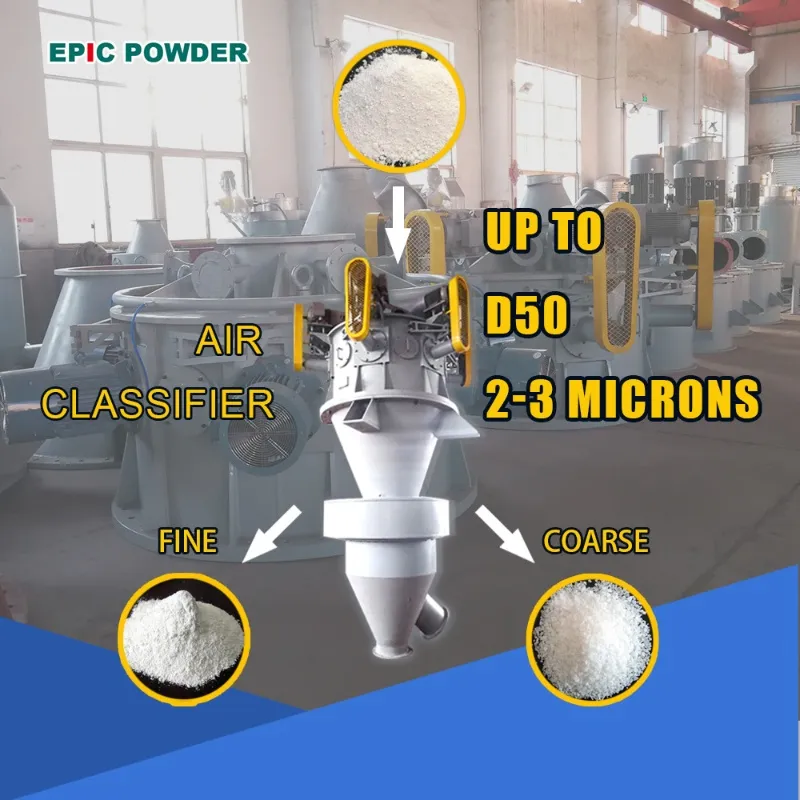
Uneven particle size distribution can lower product quality, cause customer complaints, and increase production costs. An air classifier provides an efficient solution for precise powder classification and particle size control. An air classifier is a device that separates fine particles from coarse ones in a dry powder system based on particle size, shape, and density. […]
Silicium-koolstofanode: de cruciale doorbraak voor het tijdperk van hoge energiedichtheid
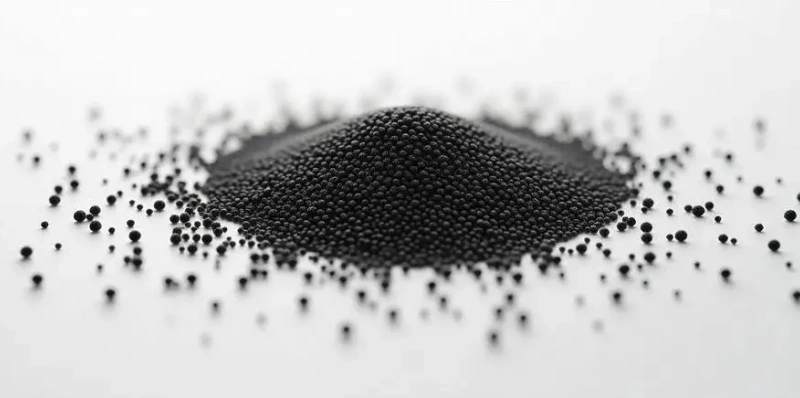
Overview of Silicon-Carbon Anode: The Inevitable Choice Beyond Graphite Limitations Graphite Anode Reaching Its Performance Limit Currently, graphite dominates lithium battery anode materials, accounting for over 80% of the market. Its theoretical capacity is 372 mAh/g, while practical performance has already reached around 360 mAh/g — nearly the theoretical limit.However, as electric vehicles, 3C electronics, […]