
Làm thế nào máy nghiền Turbo trở thành "công cụ nghiền" hiệu quả cho việc tái chế pin lithium sắt photphat (LFP)?
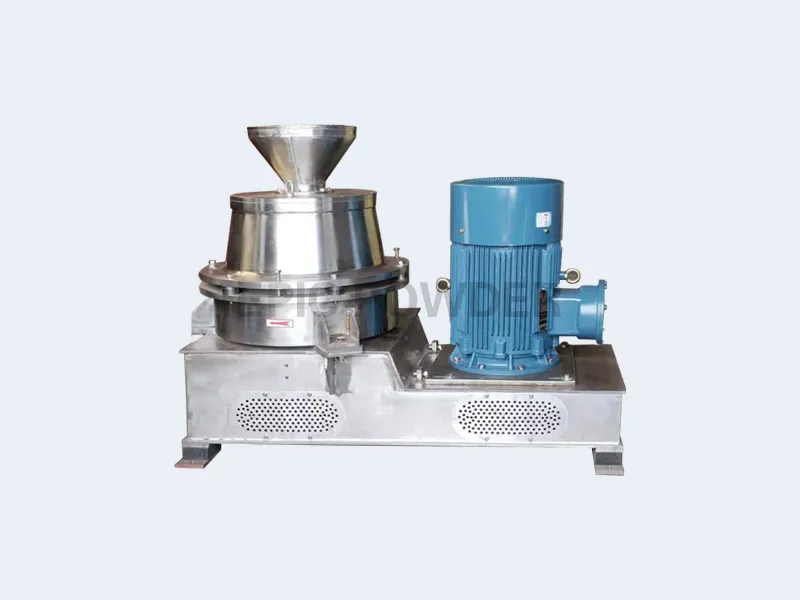
Nếu bạn tham gia vào quá trình tái chế pin lithium sắt photphat (LFP), bạn biết rằng việc đạt được tỷ lệ thu hồi cao và độ tinh khiết của vật liệu rắn phụ thuộc rất nhiều vào quá trình nghiền hiệu quả. Nhưng không phải tất cả các máy nghiền đều giống nhau—đặc biệt là khi nói đến việc giảm kích thước hạt siêu mịn, kiểm soát ô nhiễm và hiệu quả năng lượng. Đó là lý do tại sao máy nghiền turbo nổi bật như một giải pháp […]
Làm thế nào để đạt được hiệu quả nghiền siêu mịn các chất điện phân rắn vô cơ bằng máy nghiền bi truyền thống?
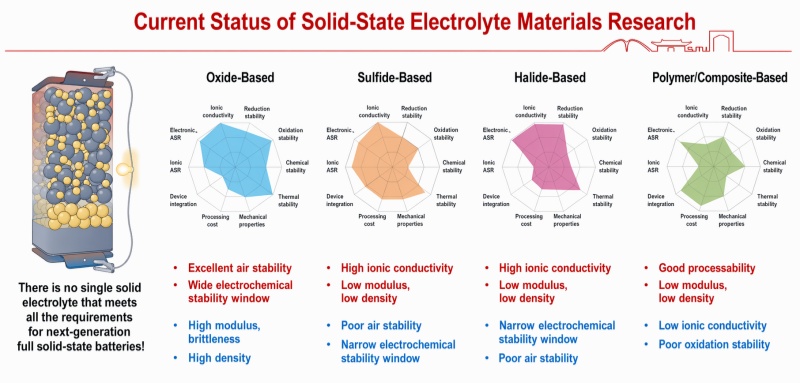
Trong nghiên cứu và công nghiệp hóa pin thể rắn toàn phần (ASSB), chất điện phân rắn vô cơ (ISE) được coi là vật liệu then chốt. Cho dù chúng thuộc hệ oxit (ví dụ: LLZO), hệ sunfua (ví dụ: Li3PS4, Li10GeP2S12) hay hệ halogenua, hình thái vật lý, phân bố kích thước hạt và diện tích bề mặt riêng của chúng đều quyết định trực tiếp hiệu suất cuối cùng của pin.
Liệu việc nghiền siêu mịn natri cacbonat có thực sự giải quyết được vấn đề hiệu suất sạc/xả kém của pin ion natri?

Pin ion natri (SIB) đã thu hút sự chú ý đáng kể trong những năm gần đây do nguồn tài nguyên natri dồi dào, chi phí thấp và những ưu điểm về hiệu suất và độ an toàn ở nhiệt độ thấp. Tuy nhiên, so với pin ion lithium đã được khẳng định, SIB vẫn còn một nhược điểm nổi bật — khả năng sạc/xả nhanh kém. Khả năng sạc/xả nhanh đề cập đến khả năng của pin trong việc duy trì dung lượng và cho phép sạc/xả nhanh ở […]
Nguyên lý hoạt động, ưu điểm và thách thức của máy phân loại khí turbo là gì?
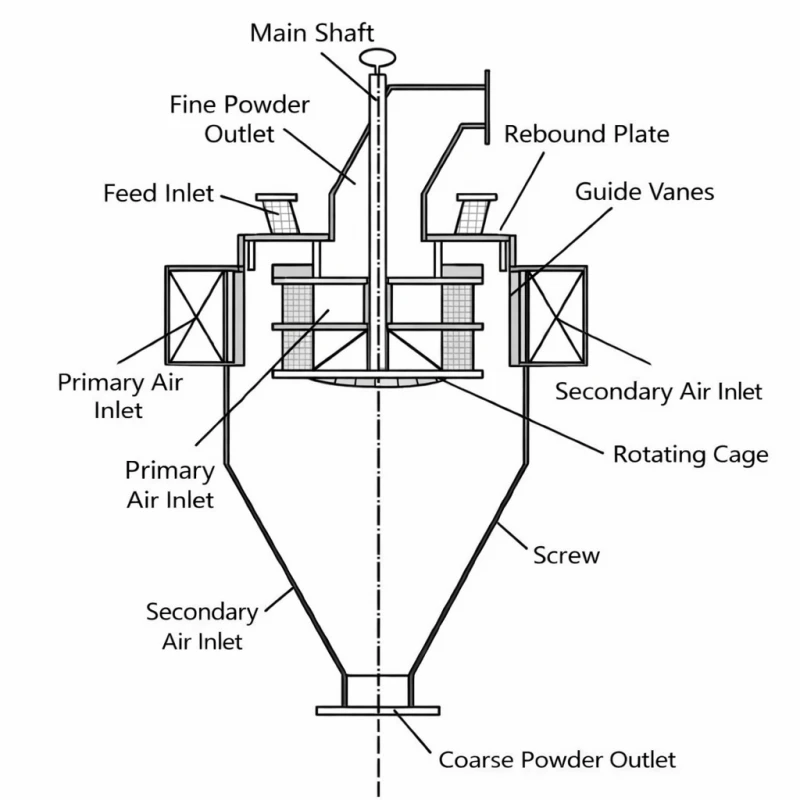
Particle classification refers to separating particles of the same material according to differences in physical properties such as particle size, shape, or density. In most cases, classification specifically means separating particles by size. The two core technical elements of classification are dispersion and separation. Dispersion requires that the material entering the classification chamber be as […]
Fluidized Bed Jet Mill vs. Disc Jet Mills: What Are the Key Performance Differences?
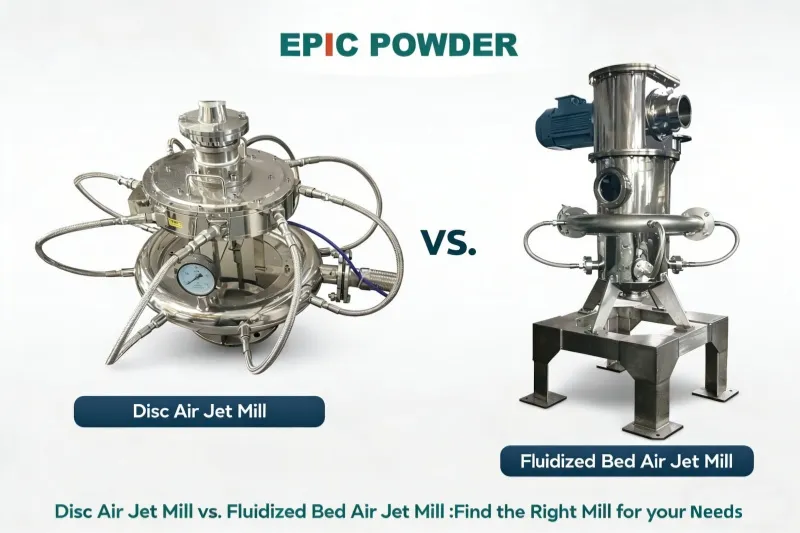
Conceptual Breakdown of Fluidized Bed Jet Mill vs. Disc Jet Mill In the realm of ultrafine powder processing, jet milling stands as a pivotal technology. It is widely used for achieving particle sizes in the micron and sub-micron range. Among the various configurations, the Fluidized Bed Air Jet Mill and the Disc Air Jet Mill […]
Quy trình sản xuất hoàn chỉnh của nam châm vĩnh cửu NdFeB là gì?
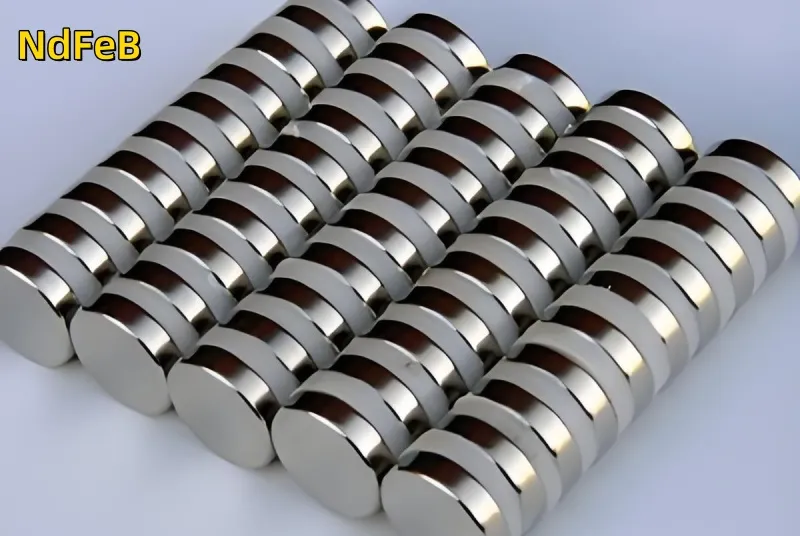
Neodymium–iron–boron (Nd-Fe-B) is the most representative rare-earth permanent magnetic material. Its main composition includes neodymium (Nd), iron (Fe), and boron (B), where rare-earth elements account for about 25–35%, iron 65–75%, and boron around 1%. NdFeB is currently the permanent magnetic material with the highest magnetic energy product in the world and is known as the […]
Tại sao phải nghiền NdFeB bằng máy nghiền khí nén?
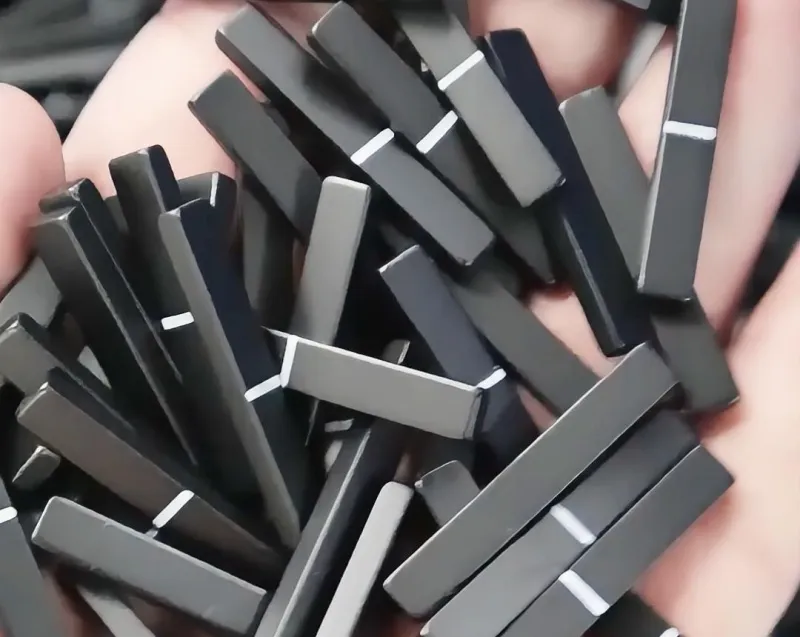
NdFeB (Neodymium-Iron-Boron) is the strongest permanent magnetic material available today. And It is widely used in EV traction motors, wind turbines, consumer electronics, and more. In its manufacturing process, the pulverization step is critical because it directly affects particle-size distribution, oxygen content, and the final magnetic performance. Traditional mechanical pulverization methods (such as ball mill […]
Máy phân loại không khí là gì và hoạt động như thế nào?
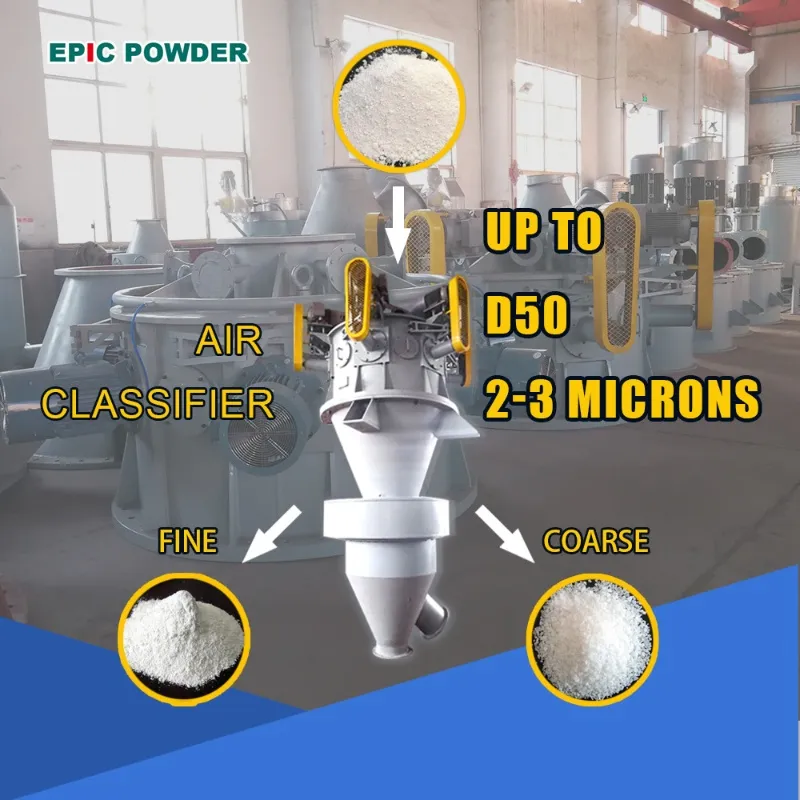
Uneven particle size distribution can lower product quality, cause customer complaints, and increase production costs. An air classifier provides an efficient solution for precise powder classification and particle size control. An air classifier is a device that separates fine particles from coarse ones in a dry powder system based on particle size, shape, and density. […]
Anode silicon-carbon: Bước đột phá quan trọng cho kỷ nguyên mật độ năng lượng cao
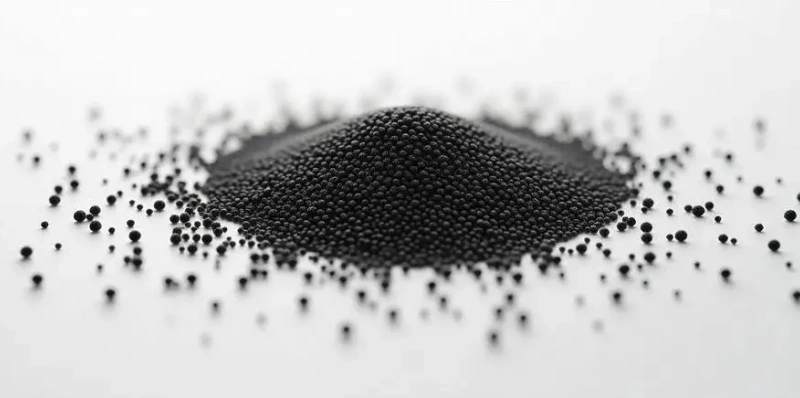
Overview of Silicon-Carbon Anode: The Inevitable Choice Beyond Graphite Limitations Graphite Anode Reaching Its Performance Limit Currently, graphite dominates lithium battery anode materials, accounting for over 80% of the market. Its theoretical capacity is 372 mAh/g, while practical performance has already reached around 360 mAh/g — nearly the theoretical limit.However, as electric vehicles, 3C electronics, […]