
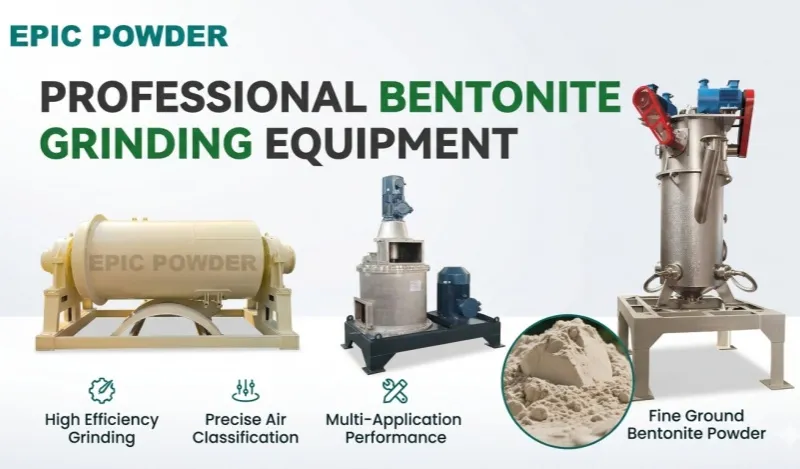
Bentonit sering disebut sebagai "tanah liat universal." Komposisi utamanya adalah montmorillonit dan memiliki sifat-sifat penting seperti penyerapan dan pembengkakan air, pengikatan, suspensi, tiksotropi, dan adsorpsi. Namun, tidak semua bentonit sama. Memilih jenis yang salah atau mengabaikan indikator-indikator penting dapat menyebabkan peningkatan biaya, dan yang terburuk, memengaruhi kualitas produk dan keselamatan teknik. Artikel ini menjelaskan semuanya dalam satu tempat. Artikel ini membahas cara memilih bentonit berdasarkan aplikasi, parameter apa yang perlu diperiksa, cara memilih dengan benar, dan jebakan apa yang harus dihindari. Artikel ini juga menyoroti peran penting Bentonit. grinding equipment dalam mencapai ukuran partikel dan kinerja yang diinginkan. Artikel ini juga berfokus pada dua pertanyaan kunci: Bagaimana memilih kehalusan yang tepat untuk berbagai aplikasi, dan peralatan penggilingan apa yang dibutuhkan?
1. Pertama, pahami terlebih dahulu Natrium Bentonit, Kalsium Bentonit, dan Bentonit yang Dimodifikasi Secara Organik.
Bentonit pada dasarnya diklasifikasikan menjadi tipe berbasis natrium dan berbasis kalsium berdasarkan kation yang dapat dipertukarkan yang dominan. Ini adalah dasar fundamental untuk pemilihan.
Natrium Bentonit
Natrium bentonit mengandung ion natrium di antara lapisan-lapisannya. Ia memiliki kapasitas pembengkakan yang tinggi (hingga 10–30 kali), kemampuan pengikatan yang kuat, sifat koloid yang sangat baik, dan stabilitas suspensi yang baik. Ia cocok untuk aplikasi yang membutuhkan kekuatan, stabilitas, dan daya tahan tinggi, seperti:
- Pengecoran
- Lumpur pengeboran
- Pembuatan pelet metalurgi
- Teknik anti rembesan
- Pelapis kelas atas
Ia memiliki nilai gel yang tinggi dan hasil bubur yang kuat, tetapi harganya relatif lebih tinggi.
Kalsium Bentonit
Bentonit kalsium mengandung ion kalsium di lapisan antar-lapisannya. Bahan ini lebih hemat biaya, dengan sifat pembengkakan dan pengikatan yang moderat. Stabilitasnya dapat diterima tetapi lebih rendah daripada bentonit natrium. Bahan ini cocok untuk aplikasi yang sensitif terhadap biaya dan tidak terlalu menuntut, seperti:
- Pasir kucing biasa
- Aditif pakan ternak
- Adsorben kelas bawah
- Perbaikan tanah dasar
Bentonit yang Dimodifikasi Secara Organik
Jenis ini diproduksi dengan memodifikasi bentonit alami dengan kation organik. Ia memiliki stabilitas termal yang sangat baik, ketahanan terhadap garam, dan kemampuan terdispersi dalam pelarut organik.
Ini banyak digunakan dalam:
- Cat dan tinta
- Gemuk
- Cairan pengeboran kelas atas
- Sistem modifikasi polimer
Ringkasan
- Aplikasi berkinerja tinggi dan berkekuatan tinggi → pilihlah natrium bentonit dengan kemurnian tinggi.
- Aplikasi skala besar yang sensitif terhadap biaya → pilihlah kalsium bentonit
- Lingkungan organik khusus atau lingkungan ekstrem → pilih bentonit yang dimodifikasi
Langkah pertama dalam pemilihan adalah mengevaluasi kandungan montmorillonit, kapasitas pembengkakan, dan kapasitas pertukaran kation (CEC). Hal ini membantu menghindari kesalahan seperti menggunakan bentonit kalsium di tempat yang membutuhkan bentonit natrium, atau membuang bentonit natrium berkualitas tinggi untuk aplikasi kelas rendah.
2. Seleksi Berdasarkan Aplikasi: Indikator Utama + Jenis yang Direkomendasikan + Kehalusan + Perangkap
Memilih bentonit bukan hanya soal jenisnya. Kehalusannya juga harus dikontrol dengan tepat. Kehalusan secara langsung memengaruhi dispersi, hasil bubur, dan kinerja akhir:
- Terlalu kasar → dispersi buruk dan kekuatan rendah
- Terlalu halus → biaya lebih tinggi, lebih banyak debu, dan risiko penggumpalan
Berikut adalah pedoman khusus aplikasi. Kehalusan dinyatakan dalam ukuran mesh atau tingkat kelulusan:
- 200 mesh ≈ 75 μm
- 325 mesh ≈ 45 μm
- 1250 mesh ≈ 10 μm
1. Bentonit Pengecoran
Persyaratan inti:
Kekuatan tekan basah yang tinggi, kekuatan tarik panas-basah yang baik, ketahanan terhadap inklusi pasir, dan erosi suhu tinggi.
Jenis yang direkomendasikan:
Bentonit natrium dengan kemurnian tinggi (montmorillonit ≥ 70%)
Indikator utama:
- Kekuatan tekan basah ≥ 100 kPa
- Kekuatan tarik basah-panas ≥ 3 kPa
- Nilai gel tinggi
Persyaratan kehalusan:
≥93% lolos 200 mesh.
Aplikasi kelas atas mungkin memerlukan ≥95%.
Ukuran partikel yang seragam sangat penting untuk pencampuran yang tepat dengan pasir cetak.
Jebakan:
- Kalsium bentonit → kekuatan tidak memadai, risiko runtuh akibat jamur
- Kandungan pengotor tinggi (kuarsa, feldspar) → cacat gas dan inklusi pasir
- Kehalusan yang tidak memadai → ikatan yang tidak merata, permukaan pengecoran yang kasar
Dalam praktiknya, partikel kasar meningkatkan konsumsi dan biaya bentonit. Disarankan untuk menggunakan produk standar kelas pengecoran dan memverifikasinya dengan uji kekuatan pasir.
2. Bentonit Lumpur untuk Pengeboran/Perlindungan
Persyaratan inti:
Hasil bubur yang tinggi, pengendalian kehilangan cairan, stabilitas lubang bor, dan pengangkutan serpihan bor.
Jenis yang direkomendasikan:
Bentonit natrium dengan kemurnian tinggi atau bentonit modifikasi tahan garam
Indikator utama:
- Hasil bubur ≥ 14 m³/t
- Kehilangan filtrasi API ≤ 12–15 mL
- Reologi yang tepat
- Viskositas ≥ 30 mPa·s (600 rpm)
Persyaratan kehalusan:
Tingkat kelulusan tinggi untuk ukuran mesh 200–325.
Residu pada saringan 75 μm ≤ 2,5%–4%.
Jebakan:
- Kalsium bentonit dapat digunakan dalam proyek dangkal, tetapi tidak untuk sumur dalam atau kondisi salinitas tinggi.
- Partikel kasar → pembentukan bubur yang lambat dan kehilangan filtrasi yang tinggi
- Partikel yang terlalu halus → viskositas yang terlalu tinggi
Pengujian lapangan disarankan sebelum penerapan skala besar.
3. Peletisasi Bentonit Metalurgi
Persyaratan inti:
Kekuatan bola hijau yang tinggi, kekuatan jatuh yang baik, kehilangan saat pembakaran yang rendah, dan dampak minimal pada pengoperasian tanur tinggi.
Jenis yang direkomendasikan:
Bentonit natrium dengan kemurnian tinggi
Indikator utama:
- Nilai gel ≥ 500 mL/15g
- Kekuatan pelet basah yang memadai setelah 2 jam
- Kerugian pengapian rendah
Persyaratan kehalusan:
≥90% lolos saringan 200–325 mesh.
Jebakan:
- Kandungan pengotor yang tinggi mengurangi kualitas pelet dan meningkatkan volume terak.
- Kalsium bentonit menyebabkan ikatan yang lemah.
- Kehalusan yang tidak memadai → permukaan dan kekuatan pelet yang buruk
4. Aplikasi Perlindungan Lingkungan / Anti Rembesan
Persyaratan inti:
Permeabilitas rendah, kapasitas adsorpsi yang kuat, retensi efektif terhadap logam berat dan senyawa organik.
Jenis yang direkomendasikan:
Bentonit natrium alami atau bentonit anti-rembesan yang dimodifikasi
Indikator utama:
- Permeabilitas ≤ 1×10⁻⁹ cm/s
- Kapasitas adsorpsi tinggi
- Kepatuhan terhadap standar lingkungan
Persyaratan kehalusan:
Ukuran mesh 200–325.
Aplikasi yang dimodifikasi dengan nanoteknologi mungkin memerlukan partikel yang lebih halus.
Applications:
- Tempat pembuangan sampah
- Pengolahan air limbah
- Soil remediation
- Penyimpanan limbah tambang
Jebakan:
- Kalsium bentonit → pembengkakan tidak cukup, kegagalan penyegelan
- Partikel kasar → permeabilitas tidak memenuhi standar
5. Pertanian, Pakan Ternak, dan Pasir Kucing
Persyaratan inti:
Aman, rendah kandungan logam berat, daya serap yang baik, dan pelepasan terkontrol.
Jenis yang direkomendasikan:
- Bahan baku pakan/makanan: kalsium bentonit (sesuai standar GB1886.63)
- Pasir kucing: kalsium (harga murah) atau natrium (lebih mudah menggumpal)
Indikator utama:
- Logam berat dalam batas aman
- Daya serap air tinggi
Persyaratan kehalusan:
- Bubuk pasir kucing: 200–325 mesh (untuk granulasi)
- Aditif pakan: di bawah 200 mesh
Jebakan:
- Bahan kelas industri tidak boleh menggantikan bahan kelas pangan.
- Terlalu halus → masalah debu
- Terlalu kasar → penggumpalan yang buruk
6. Bahan Kimia, Pelapis, dan Sistem Organik Sehari-hari
Persyaratan inti:
Kehalusan tinggi, dispersi sangat baik, tiksotropi, tahan terhadap suhu dan pelarut.
Jenis yang direkomendasikan:
Bentonit yang dimodifikasi secara organik atau nanobentonit
Indikator utama:
- Kompatibilitas dengan sistem organik
- Perilaku tiksotropik yang kuat
Persyaratan kehalusan:
≥1250 mesh atau D97 ≤ 5 μm
Jebakan:
- Bentonit alami sulit terdispersi dalam sistem organik.
- Kehalusan yang tidak memadai → sedimentasi dan perataan yang buruk
3. Prinsip Umum Pemilihan Kehalusan dan Rekomendasi Peralatan Penggilingan untuk Bentonit
Nilai inti bentonit terletak pada sifat adsorpsi, pembengkakan, dan reologi. Sifat-sifat ini berkaitan erat dengan kehalusannya:
- Lebih halus → luas permukaan spesifik lebih besar → adsorpsi lebih kuat
- Lebih halus → dispersi lebih baik → sistem lebih stabil
- Terlalu halus → biaya lebih tinggi, konsumsi energi lebih tinggi, risiko penggumpalan
Tabel Pemilihan Kehalusan Bentonit & Peralatan Penggilingan
| Aplikasi | Kehalusan yang Direkomendasikan (D90) | Persyaratan Utama | Recommended Equipment | Catatan |
|---|---|---|---|---|
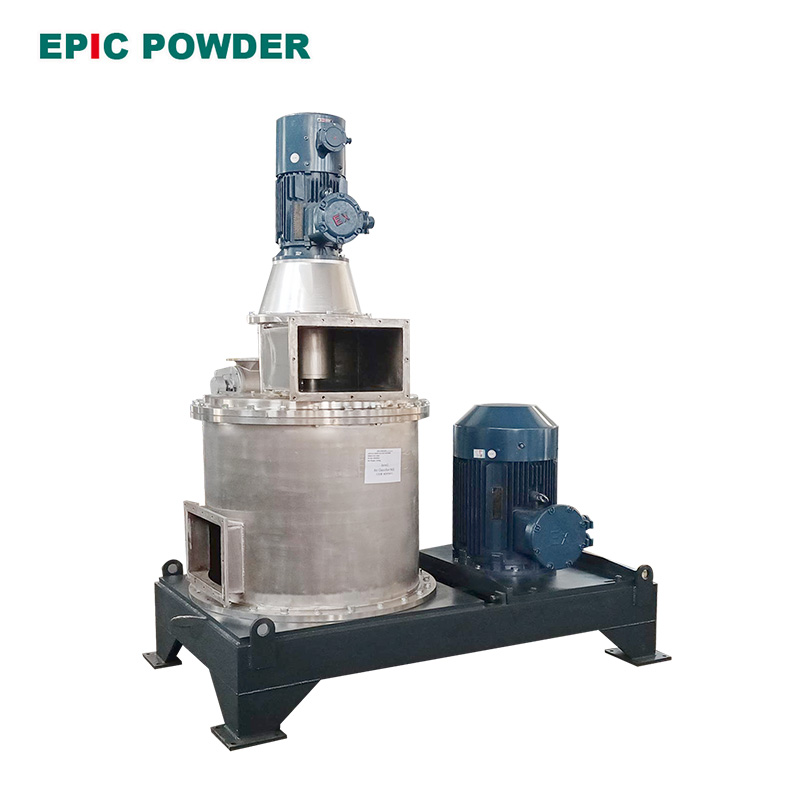
| Lumpur pengeboran | 75–150 μm | Pembengkakan tinggi, suspensi yang baik | Mesin penggiling Raymond, mesin penggiling vertikal | Kapasitas tinggi, biaya rendah |
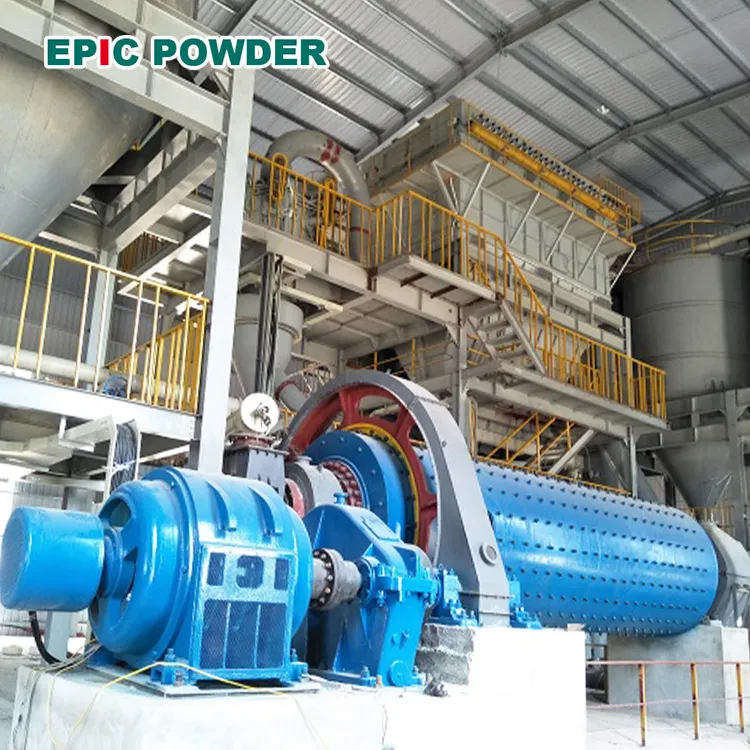
| Pengikat pengecoran | 45–75 μm | Keseimbangan ikatan dan permeabilitas | Penggiling Raymond, penggiling bola | Performa stabil |
| Pasir kucing (butiran) | 0,5–2 mm | Penyerapan, penggumpalan | Penghancur + granulator | Fokus pada granulasi |
| Pelapis/cat | 10–25 μm | Dispersi, tiksotropi | Penggiling bola + pengklasifikasi, Penggiling Pengklasifikasi Udara | Kontrol PSD |
| Karet/plastik | 5–15 μm | Penguatan, keseragaman | Pabrik Pengklasifikasi Udara, penggilingan | Diperlukan PSD yang stabil. |
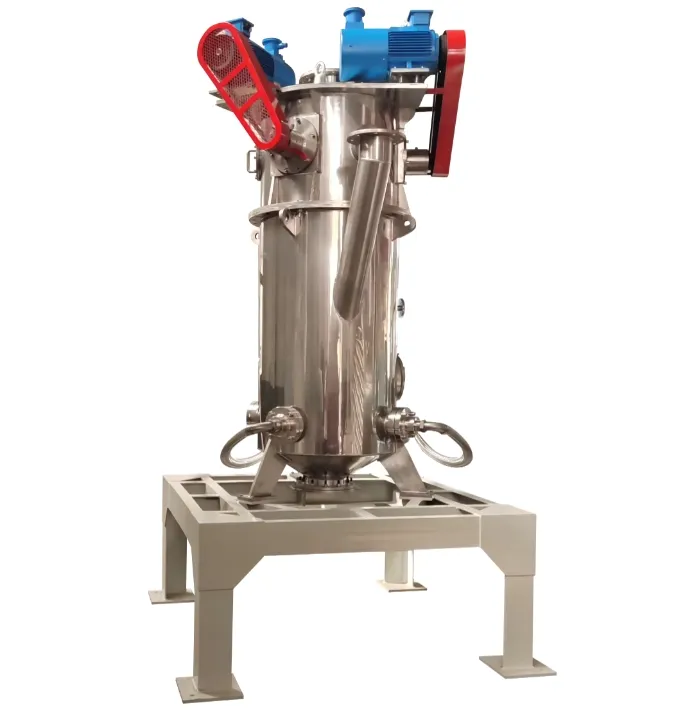
| Adsorben kelas atas | <5 μm | Luas permukaan yang tinggi | Penggilingan berpengaduk, Jet Mill | Nilai tinggi |
| Nano/bahan kimia halus | <1–3 μm | Ultra dispersi | Pabrik Jet | Sangat halus, bebas kontaminasi |
4. Kesimpulan
Pemilihan bentonit pada dasarnya merupakan keseimbangan antara kinerja, biaya, dan pemrosesan. Dari sisi produksi, memilih peralatan penggilingan bentonit yang tepat berdasarkan kehalusan target adalah kunci untuk meningkatkan nilai produk secara signifikan. Hanya dengan mengendalikan seluruh rantai—dari kualitas bahan baku hingga kehalusan pemrosesan—"tanah liat universal" ini dapat benar-benar mewujudkan potensi industrinya secara penuh.

“Terima kasih telah membaca. Saya harap artikel saya bermanfaat. Silakan tinggalkan komentar di bawah. Anda juga dapat menghubungi perwakilan layanan pelanggan online Zelda untuk pertanyaan lebih lanjut.”
— Diposting oleh Jason Wang
Eror: Formulir kontak tidak ditemukan.