
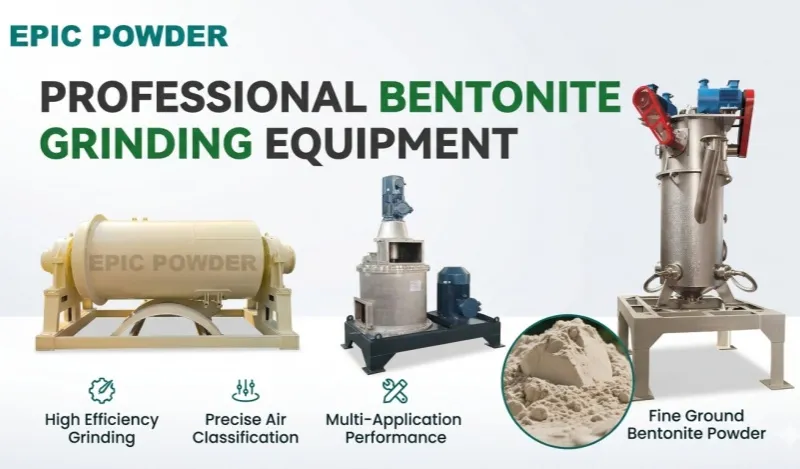
Bentonit genellikle "evrensel kil" olarak adlandırılır. Esas olarak montmorillonitten oluşur ve su emme ve şişme, bağlama, süspansiyon, tiksotropi ve adsorpsiyon gibi önemli özelliklere sahiptir. Ancak, tüm bentonitler aynı değildir. Yanlış türü seçmek veya önemli göstergeleri göz ardı etmek, en iyi ihtimalle maliyet artışına, en kötü ihtimalle ise ürün kalitesini ve mühendislik güvenliğini etkilemeye yol açabilir. Bu makale her şeyi tek bir yerde açıklıyor. Uygulamaya göre bentonit seçimi, kontrol edilmesi gereken parametreler, doğru seçim ve kaçınılması gereken tuzaklar ele alınıyor. Ayrıca bentonitin kritik rolünü de vurguluyor. öğütme ekipmanı İstenilen partikül boyutuna ve performansa ulaşmada rol oynar. Ayrıca iki temel soruya odaklanır: Farklı uygulamalar için doğru incelik nasıl seçilir ve hangi öğütme ekipmanına ihtiyaç duyulur?
1. Öncelikle Sodyum Bentonit, Kalsiyum Bentonit ve Organik Olarak Modifiye Edilmiş Bentonit Kavramlarını Anlamak
Bentonit, baskın değiştirilebilir katyonlara göre öncelikle sodyum bazlı ve kalsiyum bazlı tiplere ayrılır. Bu, seçim için temel esastır.
Sodyum Bentonit
Sodyum bentonit, katmanları arasında sodyum iyonları içerir. Yüksek şişme kapasitesine (10-30 kata kadar), güçlü yapışma özelliğine, mükemmel koloidal özelliklere ve iyi süspansiyon stabilitesine sahiptir. Yüksek mukavemet, stabilite ve dayanıklılık gerektiren uygulamalar için uygundur, örneğin:
- Dökümhane
- Sondaj çamuru
- Metalurjik peletleme
- Sızıntı önleme mühendisliği
- Üst düzey kaplamalar
Yüksek jel değerine ve güçlü bulamaç verimine sahip olmasına rağmen, fiyatı nispeten daha yüksektir.
Kalsiyum Bentonit
Kalsiyum bentonit, ara katmanlarında kalsiyum iyonları içerir. Orta derecede şişme ve yapışma özelliklerine sahip olup daha uygun maliyetlidir. Stabilitesi kabul edilebilir düzeydedir ancak sodyum bentonite göre daha düşüktür. Maliyet hassasiyeti yüksek ve daha az zorlu uygulamalar için uygundur, örneğin:
- Sıradan kedi kumu
- Yem katkı maddeleri
- Düşük kaliteli adsorbanlar
- Temel toprak iyileştirme
Organik Olarak Modifiye Edilmiş Bentonit
Bu tür, doğal bentonitin organik katyonlarla modifiye edilmesiyle üretilir. Mükemmel termal kararlılığa, tuz direncine ve organik çözücülerde dağılabilirliğe sahiptir.
Yaygın olarak şu alanlarda kullanılır:
- Boyalar ve mürekkepler
- Yağlar
- Yüksek kaliteli sondaj sıvıları
- Polimer modifikasyon sistemleri
Özet
- Yüksek performans ve yüksek mukavemet gerektiren uygulamalar → yüksek saflıkta sodyum bentonit seçin
- Maliyet hassasiyeti yüksek, büyük ölçekli uygulamalar → kalsiyum bentonit seçin
- Özel organik veya aşırı ortamlar → modifiye bentonit seçin
Seçim sürecindeki ilk adım, montmorillonit içeriğini, şişme kapasitesini ve katyon değişim kapasitesini (CEC) değerlendirmektir. Bu, sodyum bentonitin gerekli olduğu yerlerde kalsiyum bentonit kullanmak veya düşük kaliteli uygulamalarda yüksek kaliteli sodyum bentonit israf etmek gibi hatalardan kaçınmaya yardımcı olur.
2. Uygulamaya Göre Seçim: Temel Göstergeler + Önerilen Tip + İncelik + Dikkat Edilmesi Gerekenler
Bentonit seçimi sadece türüyle ilgili değildir. İnce tanecik boyutu da hassas bir şekilde kontrol edilmelidir. İnce tanecik boyutu, dağılımı, bulamaç verimini ve nihai performansı doğrudan etkiler:
- Çok iri taneli → zayıf dağılım ve düşük mukavemet
- Çok ince taneli → daha yüksek maliyet, daha fazla toz ve topaklanma riski
Aşağıda uygulamaya özel yönergeler bulunmaktadır. İncelik, elek boyutu veya geçiş oranı olarak ifade edilir:
- 200 mesh ≈ 75 μm
- 325 mesh ≈ 45 μm
- 1250 mesh ≈ 10 μm
1. Dökümhane Bentoniti
Temel gereksinimler:
Yüksek ıslak basınç dayanımı, iyi sıcak-ıslak çekme dayanımı, kum girişine ve yüksek sıcaklık erozyonuna karşı direnç.
Önerilen tür:
Yüksek saflıkta sodyum bentonit (montmorillonit ≥ 70%)
Başlıca göstergeler:
- Islak basınç dayanımı ≥ 100 kPa
- Sıcak ve nemli çekme dayanımı ≥ 3 kPa
- Yüksek jel değeri
İncelik gereksinimi:
≥93%, 200 mesh'i geçiyor.
Üst düzey uygulamalar ≥95% gerektirebilir.
Kalıplama kumuyla düzgün bir şekilde karıştırılabilmesi için partikül boyutunun homojen olması şarttır.
Tuzaklar:
- Kalsiyum bentonit → yetersiz mukavemet, kalıp çökmesi riski
- Yüksek safsızlık oranları (kuvars, feldispat) → gaz kusurları ve kum inklüzyonları
- Yetersiz incelik → düzensiz yapışma, pürüzlü döküm yüzeyi
Pratikte, iri taneli bentonit tüketimi ve maliyeti artar. Standart dökümhane kalitesinde ürünlerin kullanılması ve kum mukavemeti testleriyle doğrulanması önerilir.
2. Sondaj / Koruma Bulamacı Bentonit
Temel gereksinimler:
Yüksek bulamaç verimi, sıvı kaybı kontrolü, kuyu stabilitesi ve kesme parçalarının taşınması.
Önerilen tür:
Yüksek saflıkta sodyum bentonit veya tuz dirençli modifiye bentonit
Başlıca göstergeler:
- Bulamaç verimi ≥ 14 m³/t
- API filtrasyon kaybı ≤ 12–15 mL
- Uygun reoloji
- Viskozite ≥ 30 mPa·s (600 rpm)
İncelik gereksinimi:
200–325 mesh için yüksek geçiş oranı.
75 μm elekteki kalıntı ≤ 2,5%–4%.
Tuzaklar:
- Kalsiyum bentonit sığ projelerde kullanılabilir, ancak derin kuyularda veya yüksek tuzluluk koşullarında kullanılamaz.
- İri parçacıklar → yavaş bulamaç oluşumu ve yüksek filtrasyon kaybı
- Aşırı ince parçacıklar → aşırı yüksek viskozite
Geniş çaplı uygulamadan önce saha testleri yapılması önerilir.
3. Metalurjik Peletleme Bentonit
Temel gereksinimler:
Yüksek yeşil top mukavemeti, iyi düşme mukavemeti, düşük ateşleme kaybı ve yüksek fırın işletimi üzerinde minimum etki.
Önerilen tür:
Yüksek saflıkta sodyum bentonit
Başlıca göstergeler:
- Jel hacmi ≥ 500 mL/15 g
- 2 saat sonra yeterli ıslak pelet mukavemeti
- Düşük ateşleme kaybı
İncelik gereksinimi:
≥90%, 200–325 mesh aralığından geçiyor.
Tuzaklar:
- Yüksek safsızlık oranları pelet kalitesini düşürür ve cüruf hacmini artırır.
- Kalsiyum bentonit zayıf bağlara yol açar.
- Yetersiz incelik → zayıf pelet yüzeyi ve mukavemeti
4. Çevre Koruma / Sızıntı Önleme Uygulamaları
Temel gereksinimler:
Düşük geçirgenlik, güçlü adsorpsiyon kapasitesi, ağır metallerin ve organik maddelerin etkili bir şekilde tutulması.
Önerilen tür:
Doğal sodyum bentonit veya modifiye sızdırmazlık bentoniti
Başlıca göstergeler:
- Geçirgenlik ≤ 1×10⁻⁹ cm/s
- Yüksek adsorpsiyon kapasitesi
- Çevre standartlarına uyum
İncelik gereksinimi:
200–325 ağ.
Nano-modifiye edilmiş uygulamalar daha ince parçacıklar gerektirebilir.
Uygulamalar:
- Çöp depolama alanları
- Atıksu arıtımı
- Soil remediation
- Atık depolama
Tuzaklar:
- Kalsiyum bentonit → yetersiz şişme, sızdırmazlık arızası
- Kaba parçacıklar → geçirgenlik standartlara uymuyor
5. Tarım, Yem ve Kedi Kumu
Temel gereksinimler:
Güvenlik, düşük ağır metal içeriği, iyi emilim ve kontrollü salınım.
Önerilen tür:
- Yem/gıda sınıfı: kalsiyum bentonit (GB1886.63 standardına uygun)
- Kedi kumu: kalsiyum (düşük maliyetli) veya sodyum (daha iyi topaklanma özelliği)
Başlıca göstergeler:
- Güvenlik sınırları dahilinde ağır metaller
- Yüksek su emme kapasitesi
İncelik gereksinimi:
- Kedi kumu tozu: 200–325 mesh (granülasyon için)
- Yem katkı maddesi: 200 mesh'in altında
Tuzaklar:
- Endüstriyel sınıf malzeme, gıda sınıfı malzemenin yerini almamalıdır.
- Aşırı ince → toz sorunları
- Çok iri taneli → zayıf topaklanma
6. Günlük Kimyasallar, Kaplamalar ve Organik Sistemler
Temel gereksinimler:
Yüksek incelik, mükemmel dağılım, tiksotropi, sıcaklık ve çözücü direnci.
Önerilen tür:
Organik olarak modifiye edilmiş veya nano bentonit
Başlıca göstergeler:
- Organik sistemlerle uyumluluk
- Güçlü tiksotropik davranış
İncelik gereksinimi:
≥1250 mesh veya D97 ≤ 5 μm
Tuzaklar:
- Doğal bentonit, organik sistemlerde zayıf dağılım gösterir.
- Yetersiz incelik → çökelme ve zayıf düzleme
3. Bentonit İçin İnce Tane Seçimi ve Öğütme Ekipmanı Önerisine İlişkin Genel Prensipler
Bentonitin temel değeri, adsorpsiyon, şişme ve reolojik özelliklerinde yatmaktadır. Bunlar incelikle yakından ilişkilidir:
- Daha ince → daha büyük özgül yüzey alanı → daha güçlü adsorpsiyon
- Daha ince → daha iyi dağılım → daha kararlı sistemler
- Çok ince olması → daha yüksek maliyet, daha yüksek enerji tüketimi, kümelenme riski
Bentonit İnce Tanecik Boyutu ve Öğütme Ekipmanı Seçim Tablosu
| Başvuru | Önerilen İncelik (D90) | Temel Gereksinimler | Önerilen Ekipmanlar | Notlar |
|---|---|---|---|---|
| Sondaj çamuru | 75–150 μm | Yüksek şişme, iyi süspansiyon | Raymond değirmeni, dikey değirmen | Yüksek kapasite, düşük maliyet |
| Dökümhane bağlayıcısı | 45–75 μm | Bağlanma ve geçirgenlik dengesi | Raymond değirmeni, bilyalı değirmen | İstikrarlı performans |
| Kedi kumu (granül) | 0,5–2 mm | Emilim, topaklanma | Kırıcı + granülatör | Granülasyona odaklanın |
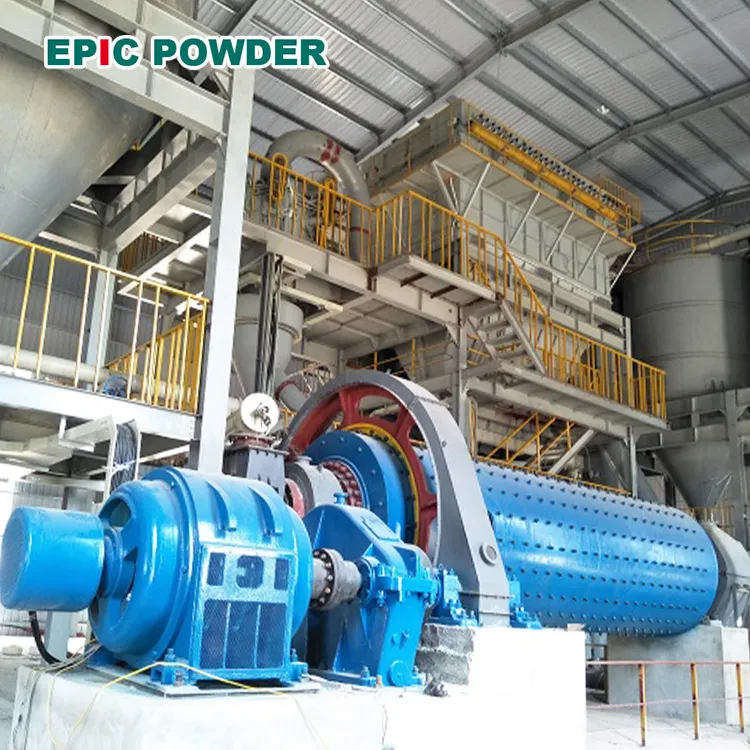
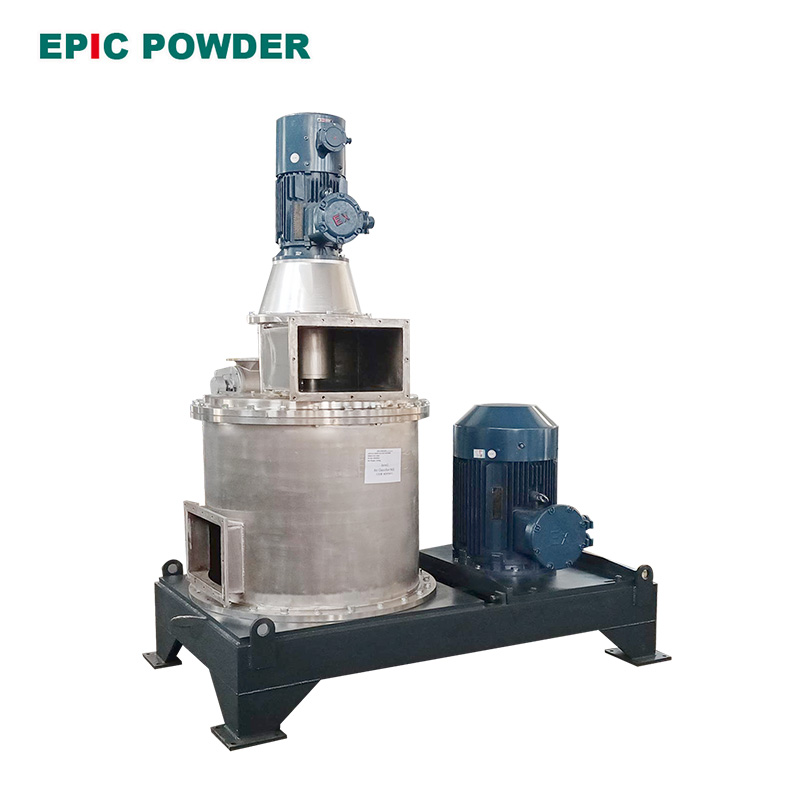
| Kaplamalar/boyalar | 10–25 μm | Dağılım, tiksotropi | Bilyalı değirmen + sınıflandırıcı, Hava Sınıflandırıcılı Değirmen | Kontrol PSD'si |
| Kauçuk/plastik | 5–15 μm | Takviye, tekdüzelik | Hava Sınıflandırıcı Değirmeni, karıştırmalı değirmen | Kararlı PSD gereklidir. |
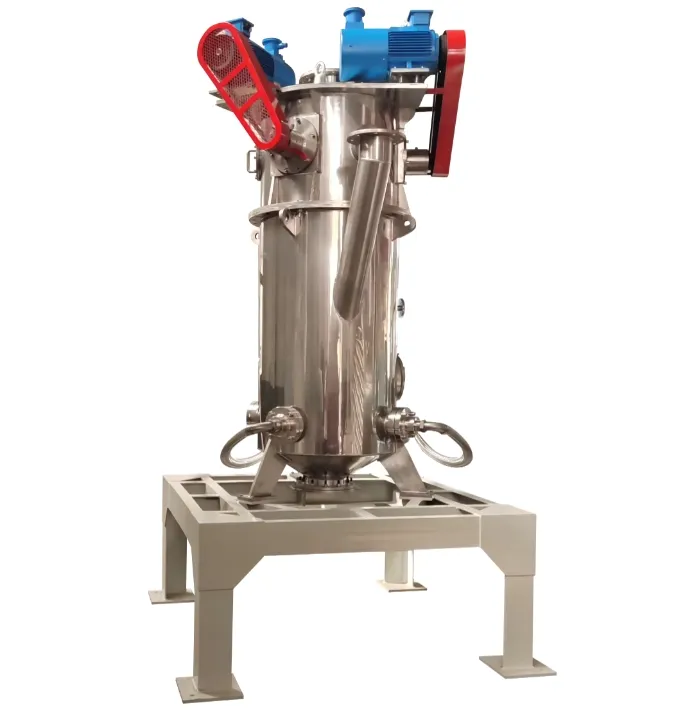
| Yüksek kaliteli adsorbanlar | <5 μm | Yüksek yüzey alanı | Karıştırıcılı değirmen, Jet değirmeni | Yüksek değer |
| Nano/ince kimyasallar | <1–3 μm | Ultra dağılım | Jet Değirmeni | Ultra ince, kirlilik içermeyen |
4. Çözüm
Bentonit seçimi esasen performans, maliyet ve işleme arasında bir denge kurmayı gerektirir. Üretim tarafında, hedef inceliğe göre doğru bentonit öğütme ekipmanını seçmek, ürün değerini önemli ölçüde artırmanın anahtarıdır. Hammadde kalitesinden işleme inceliğine kadar tüm zinciri kontrol ederek, bu "evrensel kil" tam endüstriyel potansiyeline ulaşabilir.

“Okuduğunuz için teşekkürler. Umarım makalem yardımcı olmuştur. Lütfen aşağıya yorum bırakın. Ayrıca daha fazla sorunuz için Zelda çevrimiçi müşteri temsilcisiyle iletişime geçebilirsiniz.”
— Gönderen Jason Wang
Hata: İletişim formu bulunamadı.