
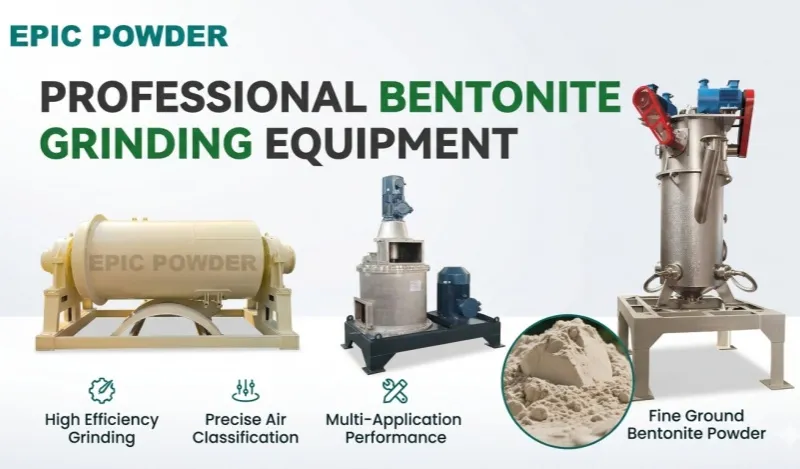
Bentonit sering dirujuk sebagai "tanah liat universal." Ia terutamanya terdiri daripada montmorilonit dan mempunyai ciri-ciri utama seperti penyerapan dan pembengkakan air, ikatan, penggantungan, tiksotropi dan penjerapan. Walau bagaimanapun, tidak semua bentonit adalah sama. Memilih jenis yang salah atau mengabaikan penunjuk utama boleh menyebabkan peningkatan kos paling baik, dan paling teruk, menjejaskan kualiti produk dan keselamatan kejuruteraan. Artikel ini menerangkan semuanya dalam satu tempat. Ia merangkumi cara memilih bentonit berdasarkan aplikasi, parameter yang perlu diperiksa, cara memilih dengan betul dan perangkap yang perlu dielakkan. Ia juga mengetengahkan peranan penting Bentonit. grinding equipment dalam mencapai saiz dan prestasi zarah yang diingini. Ia juga memberi tumpuan kepada dua soalan utama: Bagaimana memilih kehalusan yang betul untuk aplikasi yang berbeza, dan peralatan pengisaran apakah yang diperlukan?
1. Fahami Pertama Natrium Bentonit, Kalsium Bentonit dan Bentonit yang Diubah Suai Secara Organik
Bentonit terutamanya dikelaskan kepada jenis berasaskan natrium dan berasaskan kalsium mengikut kation boleh tukar yang dominan. Ini adalah asas asas untuk pemilihan.
Natrium Bentonit
Natrium bentonit mengandungi ion natrium di antara lapisannya. Ia mempunyai kapasiti pembengkakan yang tinggi (sehingga 10–30 kali ganda), keupayaan ikatan yang kuat, sifat koloid yang sangat baik dan kestabilan penggantungan yang baik. Ia sesuai untuk aplikasi yang memerlukan kekuatan, kestabilan dan ketahanan yang tinggi, seperti:
- Faundri
- Lumpur penggerudian
- Peletisasi metalurgi
- Kejuruteraan anti-resapan
- Salutan mewah
Ia mempunyai nilai gel yang tinggi dan hasil buburan yang kuat, tetapi harganya agak tinggi.
Kalsium Bentonit
Bentonit kalsium mengandungi ion kalsium dalam lapisan antaranya. Ia lebih menjimatkan kos, dengan sifat pembengkakan dan ikatan yang sederhana. Kestabilannya boleh diterima tetapi lebih rendah daripada natrium bentonit. Ia sesuai untuk aplikasi yang sensitif kos dan kurang mencabar, seperti:
- Pasir kucing biasa
- Bahan tambahan makanan
- Penyerap kelas rendah
- Penambahbaikan tanah asas
Bentonit yang Diubah Suai Secara Organik
Jenis ini dihasilkan dengan mengubah suai bentonit semula jadi dengan kation organik. Ia mempunyai kestabilan terma yang sangat baik, rintangan garam dan kebolehlarutan dalam pelarut organik.
Ia digunakan secara meluas dalam:
- Cat dan dakwat
- Gris
- Cecair penggerudian mewah
- Sistem pengubahsuaian polimer
Ringkasan
- Aplikasi berprestasi tinggi dan berkekuatan tinggi → pilih bentonit natrium ketulenan tinggi
- Aplikasi berskala besar yang sensitif kos → pilih kalsium bentonit
- Persekitaran organik atau ekstrem khas → pilih bentonit yang diubah suai
Langkah pertama dalam pemilihan adalah untuk menilai kandungan montmorilonit, kapasiti pengembangbanan dan kapasiti pertukaran kation (CEC). Ini membantu mengelakkan kesilapan seperti menggunakan kalsium bentonit di mana natrium bentonit diperlukan atau membazirkan natrium bentonit gred tinggi dalam aplikasi kelas bawah.
2. Pemilihan mengikut Aplikasi: Petunjuk Utama + Jenis yang Disyorkan + Kehalusan + Perangkap
Memilih bentonit bukan sekadar tentang jenis. Kehalusan juga mesti dikawal dengan tepat. Kehalusan secara langsung mempengaruhi penyebaran, hasil buburan dan prestasi akhir:
- Terlalu kasar → serakan yang lemah dan kekuatan yang rendah
- Terlalu halus → kos yang lebih tinggi, lebih banyak habuk dan risiko aglomerasi
Berikut adalah garis panduan khusus aplikasi. Kehalusan dinyatakan dalam saiz jejaring atau kadar lulus:
- 200 mesh ≈ 75 μm
- 325 mesh ≈ 45 μm
- 1250 mesh ≈ 10 μm
1. Bentonit Pengecoran
Keperluan teras:
Kekuatan mampatan basah yang tinggi, kekuatan tegangan panas-basah yang baik, rintangan terhadap kemasukan pasir, dan hakisan suhu tinggi.
Jenis yang disyorkan:
Natrium bentonit ketulenan tinggi (montmorilonit ≥ 70%)
Petunjuk utama:
- Kekuatan mampatan basah ≥ 100 kPa
- Kekuatan tegangan panas-basah ≥ 3 kPa
- Nilai gel yang tinggi
Keperluan kehalusan:
≥93% melepasi 200 mesh.
Aplikasi mewah mungkin memerlukan ≥95%.
Saiz zarah yang seragam adalah penting untuk pencampuran yang betul dengan pasir pengacuan.
Perangkap:
- Kalsium bentonit → kekuatan yang tidak mencukupi, risiko keruntuhan kulat
- Bendasing tinggi (kuarza, feldspar) → kecacatan gas dan kemasukan pasir
- Kehalusan yang tidak mencukupi → ikatan yang tidak sekata, permukaan tuangan kasar
Dalam praktiknya, zarah kasar meningkatkan penggunaan dan kos bentonit. Adalah disyorkan untuk menggunakan produk gred faundri standard dan mengesahkannya dengan ujian kekuatan pasir.
2. Bentonit Bubur Penggerudian / Pelindung
Keperluan teras:
Hasil buburan yang tinggi, kawalan kehilangan bendalir, kestabilan lubang telaga dan pengangkutan keratan.
Jenis yang disyorkan:
Bentonit natrium ketulenan tinggi atau bentonit diubah suai tahan garam
Petunjuk utama:
- Hasil buburan ≥ 14 m³/t
- Kehilangan penapisan API ≤ 12–15 mL
- Reologi yang betul
- Kelikatan ≥ 30 mPa·s (600 rpm)
Keperluan kehalusan:
Kadar hantaran yang tinggi untuk 200–325 mesh.
Sisa pada penapis 75 μm ≤ 2.5%–4%.
Perangkap:
- Kalsium bentonit boleh digunakan dalam projek cetek, tetapi bukan dalam perigi dalam atau keadaan kemasinan tinggi
- Zarah kasar → pembentukan buburan perlahan dan kehilangan penapisan yang tinggi
- Zarah yang terlalu halus → kelikatan yang terlalu tinggi
Ujian lapangan disyorkan sebelum aplikasi berskala besar.
3. Bentonit Peletisasi Metalurgi
Keperluan teras:
Kekuatan bebola hijau yang tinggi, kekuatan jatuhan yang baik, kehilangan penyalaan yang rendah, dan impak minimum pada operasi relau bagas.
Jenis yang disyorkan:
Bentonit natrium ketulenan tinggi
Petunjuk utama:
- Nilai gel ≥ 500 mL/15g
- Kekuatan pelet basah yang mencukupi selepas 2 jam
- Kehilangan penyalaan yang rendah
Keperluan kehalusan:
≥90% melepasi 200–325 mesh.
Perangkap:
- Kekotoran yang tinggi mengurangkan gred pelet dan meningkatkan isipadu sanga
- Kalsium bentonit menyebabkan ikatan yang lemah
- Kehalusan yang tidak mencukupi → permukaan dan kekuatan pelet yang lemah
4. Aplikasi Perlindungan Alam Sekitar / Anti-Rembesan
Keperluan teras:
Kebolehtelapan rendah, kapasiti penjerapan yang kuat, pengekalan logam berat dan organik yang berkesan.
Jenis yang disyorkan:
Bentonit natrium semula jadi atau bentonit anti-resapan yang diubah suai
Petunjuk utama:
- Kebolehtelapan ≤ 1×10⁻⁹ cm/s
- Kapasiti penjerapan yang tinggi
- Pematuhan dengan piawaian alam sekitar
Keperluan kehalusan:
200–325 jaring.
Aplikasi yang diubah suai nano mungkin memerlukan zarah yang lebih halus.
Applications:
- Tapak pelupusan sampah
- Rawatan air sisa
- Soil remediation
- Penyimpanan tailing
Perangkap:
- Kalsium bentonit → bengkak yang tidak mencukupi, kegagalan pengedap
- Zarah kasar → kebolehtelapan tidak memenuhi piawaian
5. Pertanian, Makanan, dan Pasir Kucing
Keperluan teras:
Keselamatan, logam berat rendah, penyerapan yang baik dan pelepasan terkawal.
Jenis yang disyorkan:
- Gred makanan/makanan: kalsium bentonit (mematuhi GB1886.63)
- Pasir kucing: kalsium (kos rendah) atau natrium (penggumpalan yang lebih baik)
Petunjuk utama:
- Logam berat dalam had keselamatan
- Penyerapan air yang tinggi
Keperluan kehalusan:
- Serbuk pasir kucing: 200–325 mesh (untuk granulasi)
- Bahan tambahan makanan: di bawah 200 mesh
Perangkap:
- Bahan gred industri tidak boleh menggantikan gred makanan
- Terlalu halus → masalah habuk
- Terlalu kasar → penggumpalan yang lemah
6. Bahan Kimia Harian, Salutan dan Sistem Organik
Keperluan teras:
Kehalusan tinggi, penyebaran yang sangat baik, tiksotropi, rintangan suhu dan pelarut.
Jenis yang disyorkan:
Bentonit yang diubah suai secara organik atau nano
Petunjuk utama:
- Keserasian dengan sistem organik
- Tingkah laku tiksotropik yang kuat
Keperluan kehalusan:
≥1250 mesh atau D97 ≤ 5 μm
Perangkap:
- Bentonit semula jadi tersebar dengan teruk dalam sistem organik
- Kehalusan yang tidak mencukupi → pemendapan dan perataan yang lemah
3. Prinsip Umum untuk Pemilihan Kehalusan dan Cadangan Peralatan Pengisaran untuk Bentonit
Nilai teras bentonit terletak pada sifat penjerapan, pembengkakan dan reologi. Ini berkait rapat dengan kehalusan:
- Lebih halus → luas permukaan tentu yang lebih besar → penjerapan yang lebih kuat
- Lebih halus → penyebaran yang lebih baik → sistem yang lebih stabil
- Terlalu halus → kos yang lebih tinggi, penggunaan tenaga yang lebih tinggi, risiko aglomerasi
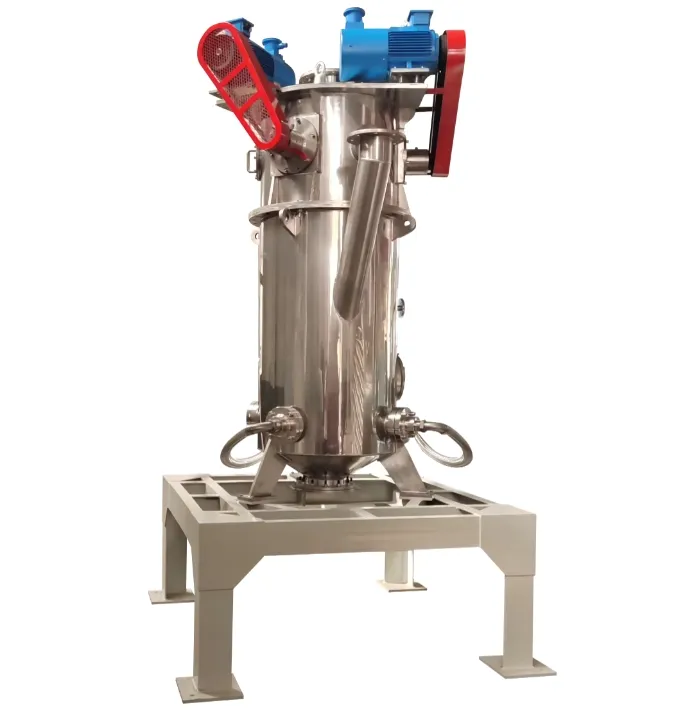
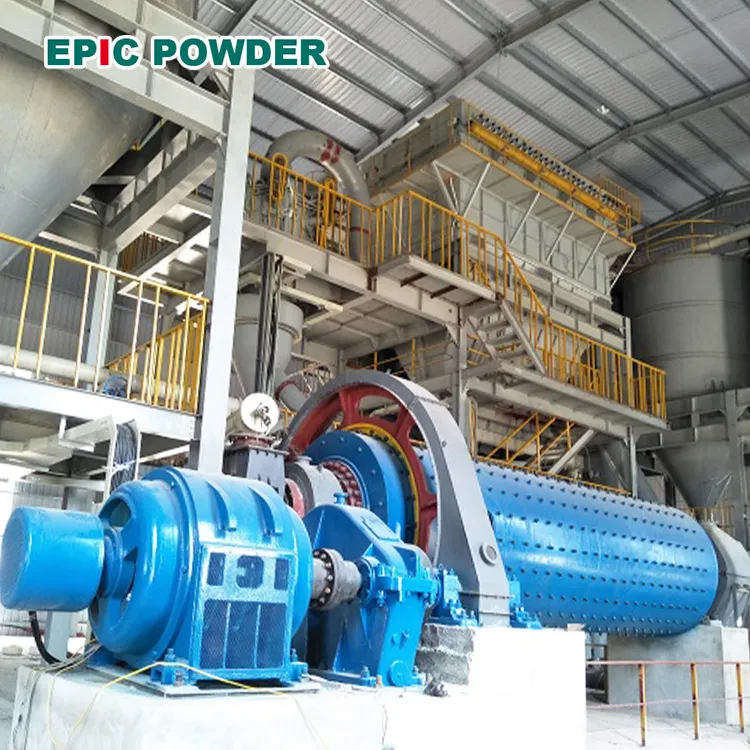
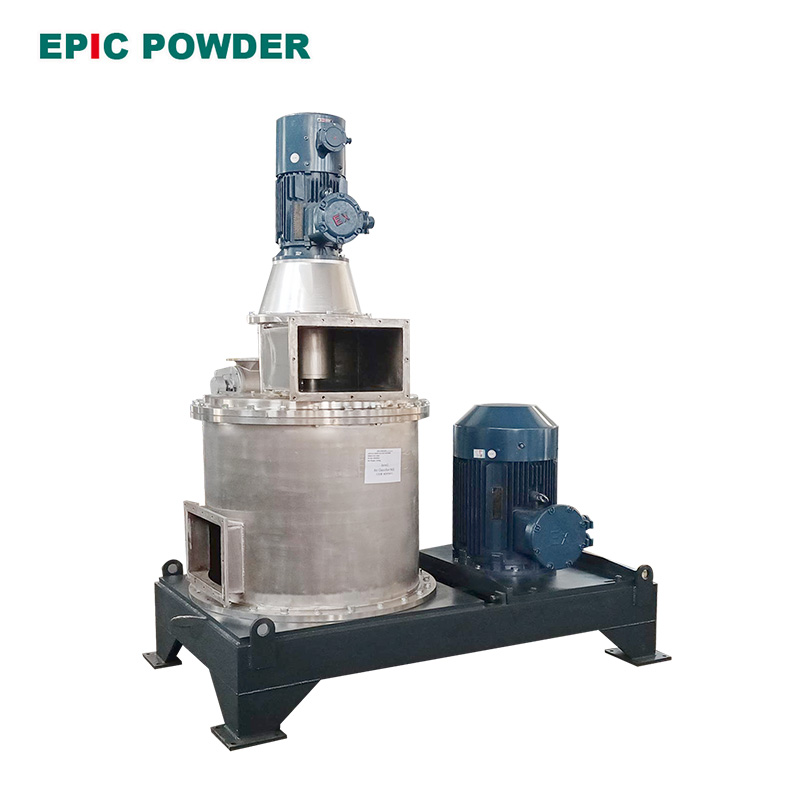
Jadual Pemilihan Peralatan Kehalusan & Pengisaran Bentonit
| Permohonan | Kehalusan yang Disyorkan (D90) | Keperluan Utama | Recommended Equipment | Nota |
|---|---|---|---|---|
| Lumpur penggerudian | 75–150 μm | Bengkak tinggi, suspensi yang baik | Kilang Raymond, kilang menegak | Kapasiti tinggi, kos rendah |
| Pengikat faundri | 45–75 μm | Keseimbangan ikatan & kebolehtelapan | Kilang Raymond, kilang bola | Prestasi stabil |
| Pasir kucing (granul) | 0.5–2 mm | Penyerapan, penggumpalan | Penghancur + granulator | Fokus pada granulasi |
| Salutan/cat | 10–25 μm | Penyebaran, tiksotropi | Kilang bola + pengelas, Kilang Pengelas Udara | Kawalan PSD |
| Getah/plastik | 5–15 μm | Pengukuhan, keseragaman | Kilang Pengelas Udara, kilang pengacau | PSD yang stabil diperlukan |
| Penyerap mewah | <5 μm | Luas permukaan yang tinggi | Kilang kacau, Kilang Jet | Nilai tinggi |
| Bahan kimia nano/halus | <1–3 μm | Penyebaran ultra | Kilang Jet | Ultra halus, bebas pencemaran |
4. Kesimpulan
Pemilihan bentonit pada asasnya merupakan keseimbangan antara prestasi, kos dan pemprosesan. Dari segi pengeluaran, memilih peralatan pengisaran bentonit yang betul berdasarkan kehalusan sasaran adalah kunci kepada peningkatan nilai produk dengan ketara. Hanya dengan mengawal keseluruhan rantai—daripada kualiti bahan mentah hingga kehalusan pemprosesan—“tanah liat universal” ini benar-benar dapat merealisasikan potensi perindustriannya sepenuhnya.

“"Terima kasih kerana membaca. Saya harap artikel saya dapat membantu. Sila tinggalkan komen di bawah. Anda juga boleh menghubungi wakil pelanggan Zelda dalam talian untuk sebarang pertanyaan lanjut."”
— Dihantar oleh Jason Wang
Ralat: Borang hubungan tidak ditemui.