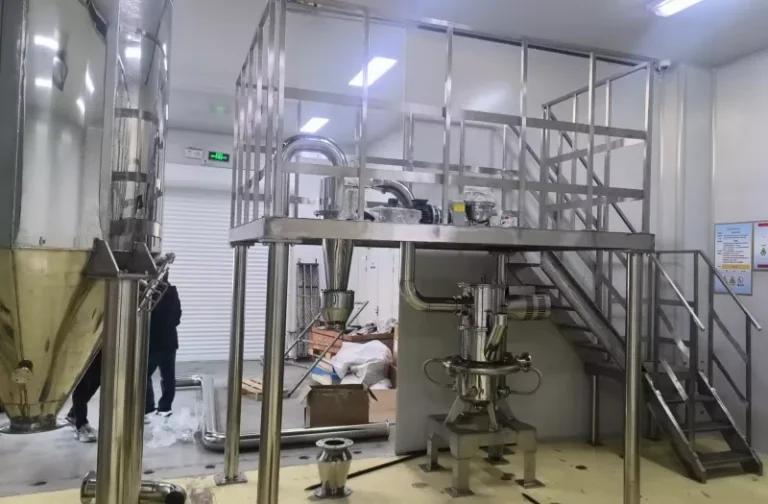
โรงสีเกลียว - MQP

โรงสีเกลียว - MQP

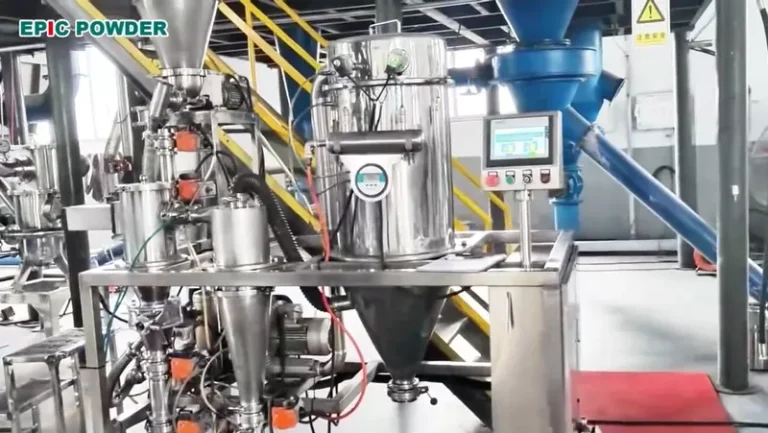
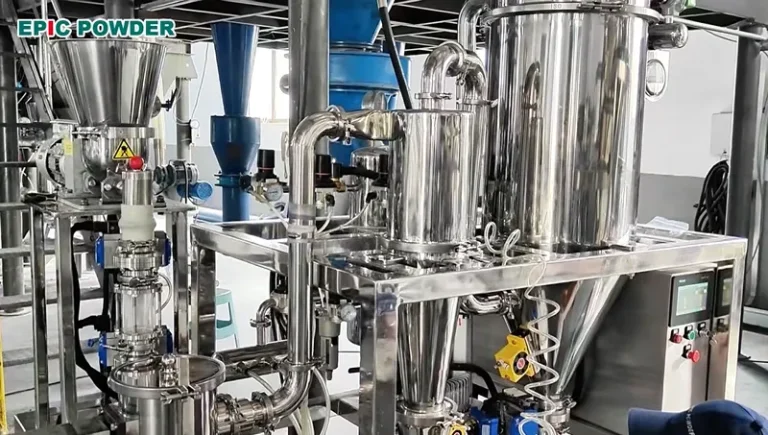
โรงสีดิสก์เจ็ท MQP หรือที่เรียกว่าโรงสีเจ็ทเกลียว หลักการพื้นฐานคือ: ใช้แรงดันลบที่เกิดจากอากาศอัดเพื่อดูดวัสดุในถังเข้าไปในห้องบดแบบเรียบ การไหลของอากาศความเร็วสูง (ความเร็วโซนิคหรือแม้แต่ความเร็วเหนือเสียง) ชนกันและบดขยี้กัน และวัสดุที่มีขนาดอนุภาคที่แน่นอนจะเข้าใกล้ศูนย์กลางของห้องบดเนื่องจากการลดแรงสู่ศูนย์กลาง และจะถูกระบายออกจาก ห้องบดที่มีการไหลเวียนของอากาศแล้วเข้าสู่ไซโคลนและตัวเก็บฝุ่น

โรงสีเกลียว - MQP
เอ็มคิวพี-2

คุณสมบัติของสินค้า

  • ไม่มีชิ้นส่วนที่หมุนได้ เครื่องจักร CNC ที่มีความแม่นยำ ไม่มีตะเข็บเชื่อม ทำความสะอาดง่าย
  • ไม่มีการบดปานกลาง ห้องบดสามารถปกป้องด้วยสแตนเลสและเซรามิกที่ทนต่อการสึกหรอเพื่อให้มั่นใจในความบริสุทธิ์ของผลิตภัณฑ์
  • การบดด้วยอุณหภูมิต่ำ เหมาะอย่างยิ่งสำหรับการบดวัสดุที่ไวต่อความร้อน ละลายต่ำ มีน้ำตาล และสารระเหย
  • กระบวนการบดสั้นมาก ประสิทธิภาพการบดสูง และการบดมากเกินไปก็น้อยกว่า
  • เหมาะสำหรับการบด การกระจายตัว และการแยกโพลีเมอร์ และการสร้างอนุภาคของวัสดุที่มีความแข็งต่างๆ
  • ระบบทั้งหมดปิดสนิท ไร้ฝุ่น เสียงรบกวนต่ำ และใช้งานง่าย

Jet Mill Working Principle

โรงบดอัดอากาศแบบฟลูอิดไดซ์เบด: หลังจากกรองและทำให้แห้งแล้ว อากาศอัดจะถูกพ่นเข้าไปในห้องบดด้วยความเร็วสูงผ่านหัวฉีด Laval ที่จุดตัดของกระแสลมแรงดันสูงหลายจุด วัสดุจะถูกชนกัน ถู และตัดซ้ำหลายครั้งเพื่อบดขยี้ วัสดุที่ถูกบดจะลอยขึ้นตามการดูดของพัดลม กระแสลมจะเคลื่อนไปยังโซนการจำแนกประเภท ภายใต้การกระทำของแรงเหวี่ยงหนีศูนย์ที่แข็งแกร่งซึ่งเกิดจากกังหันจำแนกประเภทหมุนด้วยความเร็วสูง วัสดุหยาบและละเอียดจะถูกแยกออกจากกัน อนุภาคละเอียดที่ตรงตามข้อกำหนดขนาดอนุภาคจะเข้าสู่เครื่องแยกพายุไซโคลนและตัวเก็บฝุ่นผ่านวงล้อจำแนกเพื่อรวบรวม และอนุภาคหยาบจะลงไปที่บริเวณการบดและยังคงถูกบดขยี้ต่อไป

Jet Mill Product Parameters

MQP/MQW系列参数表 - 高性能气流粉碎机参数
พารามิเตอร์ / รุ่น MQP01 MQP02 MQP03 MQP06 MQW10 มคว.15 MQW20 MQW30 MQW40 MQW60
ขนาดอาหาร (มม.) < 2 < 2 < 5 < 2 < 3 < 3 < 3 < 3 < 5 < 5
ขนาดอนุภาค (D97:μm) 8~150 8~150 8~150 8~150 8~100 8~150 8~150 10~150 10~150 10~150
กำลังการผลิต (กก./ชม.) 5~15 5~100 10~200 20~400 50~800 150~1500 300~2000 150~1500 300~2000 300~2000
ปริมาณการใช้อากาศ (ลบ.ม./นาที) 1 2.5 3 6 10 15 20 30 40 60
ความดันอากาศ (Mpa) 0.7~0.85 0.7~0.85 0.7~0.85 1.0~0.85 0.7~0.85 0.7~1.0 0.7~0.85 0.7~0.85 0.7~0.85 0.7~0.85

หมายเหตุ: กำลังการผลิตมีความสัมพันธ์อย่างใกล้ชิดกับขนาดอนุภาค ความถ่วงจำเพาะ ความแข็ง ความชื้น และตัวชี้วัดอื่นๆ ของวัตถุดิบ ข้อมูลข้างต้นใช้สำหรับการอ้างอิงการเลือกเท่านั้น

Jet Mill Product Related

Vertical Fluidized Bed Jet Mill - MQL
โรงสีเกลียว - MQP
โรงสีเกลียว - MQP
โรงสีห้องปฏิบัติการสามในหนึ่งเดียว
เครื่องบดแบบเจ็ทเกลียวสำหรับห้องปฏิบัติการ MQP - ห้องปฏิบัติการ

คำตอบสำหรับคำถามทั่วไปที่เกี่ยวข้องกับการกัดด้วยเจ็ท

By working with a tolling partner’s technical team, you will gain efficiency. They will help choose the best mill type. They will also pick the right speed and feed rate. They will also cover any special project needs.

The team brings focused insights and extensive experience to the table. However, you should also expect to provide safety data sheets and answer a few questions, such as:

A jet mill is a type of ultrafine grinding equipment. It is a machine that uses a lot of energy. Therefore, the feed particle size of the air flow mill should be as fine as possible. It is recommended that the feed particle size be less than 80 mesh. Under normal circumstances, the feed particle size needs to be less than 1 mm.

Jet milling usually makes particles that are 1 to 10 microns in size. This is referred to as micronization.

Some product formulations require particles as small as 200 nanometers. The material's properties determine how small these sizes can be. You can make them smaller by increasing the mill's power. Additionally, by increasing the time the material spends in the milling chamber.

Some products require particles larger than 10 microns. This can be achieved by reducing the power to the mill or increasing the feed rate to the equipment.

In both circular and fluidized bed mills, jets of air or steam are made by gas. The gas is compressed to a gauge pressure of 50 to 120 psig. The most common gas used is commercially compressed air.

Superheated steam (392–980°F) is compressed to 100–220 psig. It can also be used on raw feed materials that are not heat-sensitive. Some of the other gases used include:

  • Nitrogen, which can protect materials from oxidation and/or fire

  • Argon, another inert option, though more expensive than nitrogen

  • Helium, used to achieve higher-velocity impact between particles

A great deal of energy is needed to create enough momentum to cause particles to break on impact. The compressor and nozzles turn high air pressure into energy. They do this within the mill. Large particles recirculate, and multiple high-velocity collisions progressively reduce their mass.

ติดต่อทีมงานของเรา

กรุณากรอกแบบฟอร์มด้านล่าง
ผู้เชี่ยวชาญของเราจะติดต่อคุณภายใน 6 ชั่วโมงเพื่อหารือเกี่ยวกับความต้องการเครื่องจักรและกระบวนการของคุณ

ข้อผิดพลาด: ไม่พบแบบฟอร์มติดต่อ.