
Polietereterchetone (PEEK): uno dei materiali più interessanti dell'anno.
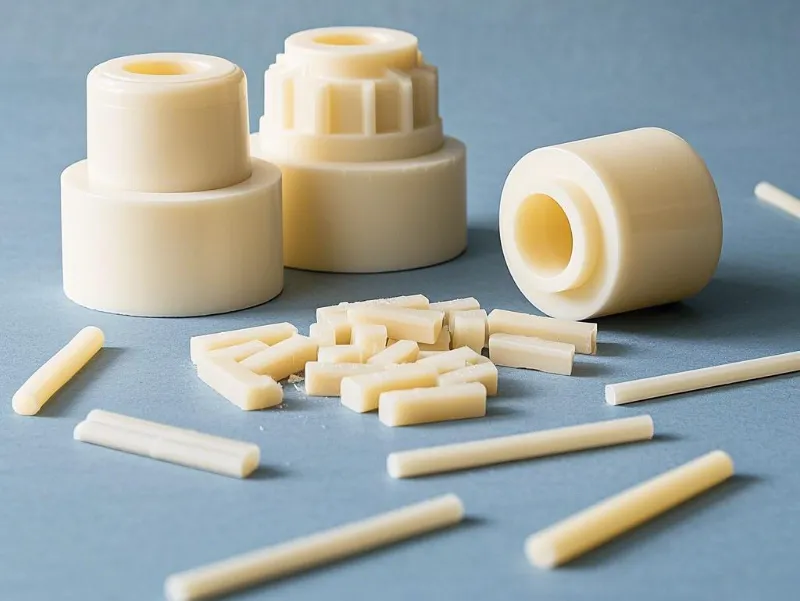
In today’s era of rapid technological development, industries such as aerospace, humanoid robotics, and new energy vehicles are placing increasingly stringent demands on material performance. PEEK offers high strength, high modulus, and excellent stability under stress. It has become one of the most noteworthy materials of the year. Polyetheretherketone (PEEK) performs exceptionally well in humanoid […]
Grinding Machines for Ultrafine Graphite Powder
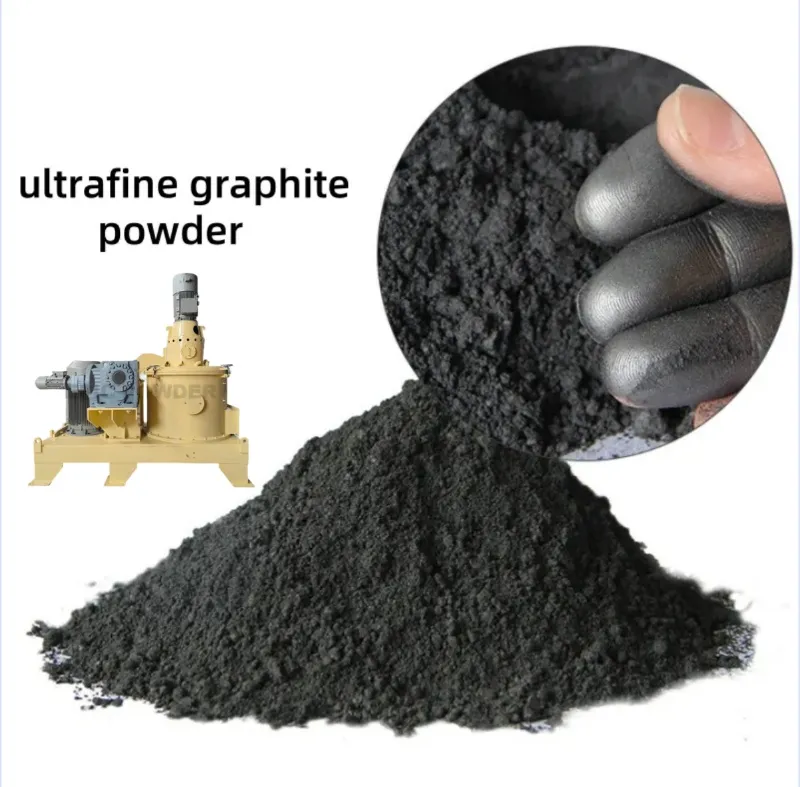
Graphite is an important non-metallic mineral. It has many properties: electrical conductivity, thermal conductivity, high-temperature resistance, thermal shock resistance, chemical stability, lubrication, and plasticity. Because of these features, it is widely used in metallurgy, machinery manufacturing, electrical, chemical, and nuclear industries. With the development of the graphite industry, the development of deep processing technologies and […]
Applications and Reinforcement Role of Aluminium Oxide

Aluminium oxide (Al₂O₃) is one of the most common and widely used inorganic materials. It is the main raw material for aluminum production. At the same time, it plays an important role in advanced ceramics, abrasives, and catalyst supports. With properties such as high temperature resistance, corrosion resistance, hardness, and insulation, aluminium oxide is applied […]
Nero di carbonio da pirolisi: strategie di modifica e prospettive di applicazione

Pyrolysis carbon black (also known as recovered carbon black, rCB) is a solid product obtained from high-temperature pyrolysis of waste tires, waste rubber, and other organic wastes under oxygen-free or oxygen-limited conditions. Difference from Conventional Carbon Black Conventional Carbon Black: Produced by incomplete combustion of petroleum or natural gas. The process is controlled, yielding uniform […]
Volume dei pori del carbonio poroso: il grande mondo racchiuso nei piccoli pori
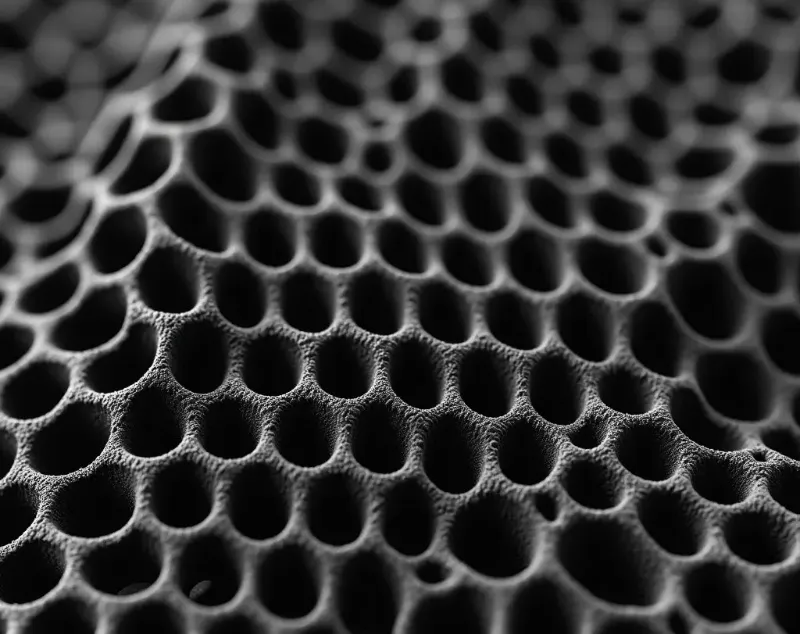
In the research and application of lithium batteries, selecting and designing anode materials is crucial for enhancing battery performance. Among these materials, porous carbon has gained widespread attention. This is due to its excellent electrochemical properties, good conductivity, and adjustable pore structure. This article will explore the significant role of the “small pores” in porous […]
Agglomerazione di polveri ultrafini: cause e tecnologie di dispersione
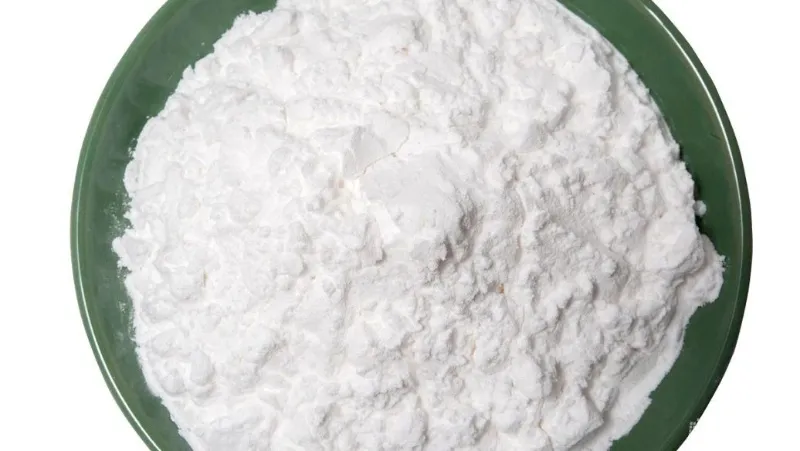
Trascorri settimane a mettere a punto il processo di macinazione. Il D50 sembra perfetto sull'analizzatore. Una settimana dopo, il tuo cliente esegue una produzione e ti chiama per via di risultati incoerenti. La causa è solitamente l'agglomerazione delle polveri. Per le polveri al di sotto dei 30 μm, le particelle non si comportano come i materiali sfusi. Si attaccano tra loro, si aggregano e perdono la loro caratteristica struttura. […]
Revealing the Five Golden Indicators of Lithium Battery Slurry!
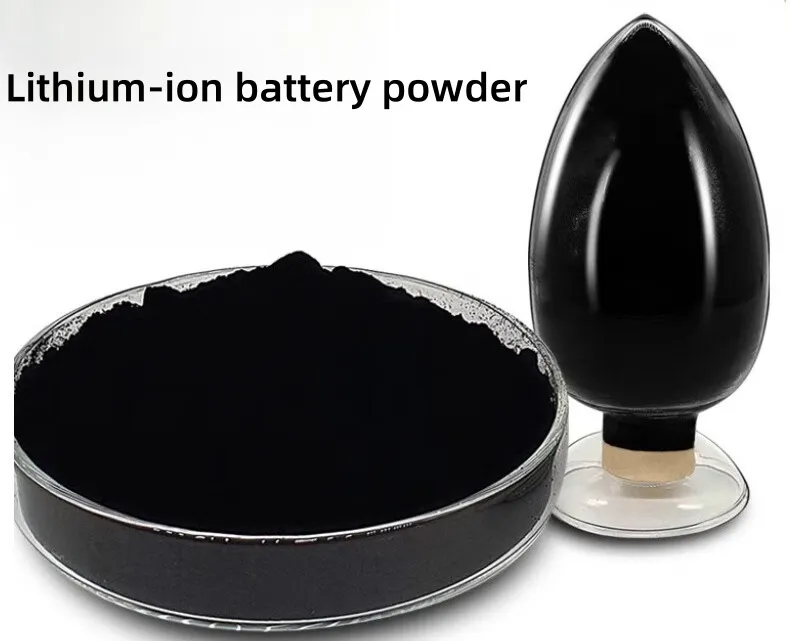
Slurry is the core raw material in electrode manufacturing. Its quality directly determines the energy density, cycle life, and safety performance of batteries. Today, we break open the “technical black box” and explain in the simplest terms the five key indicators of lithium battery slurry—helping you instantly judge battery quality. Solid Content: The “Invisible Switch” […]
Comparative Study of Air Jet Mill and Mechanical Mill Technologies
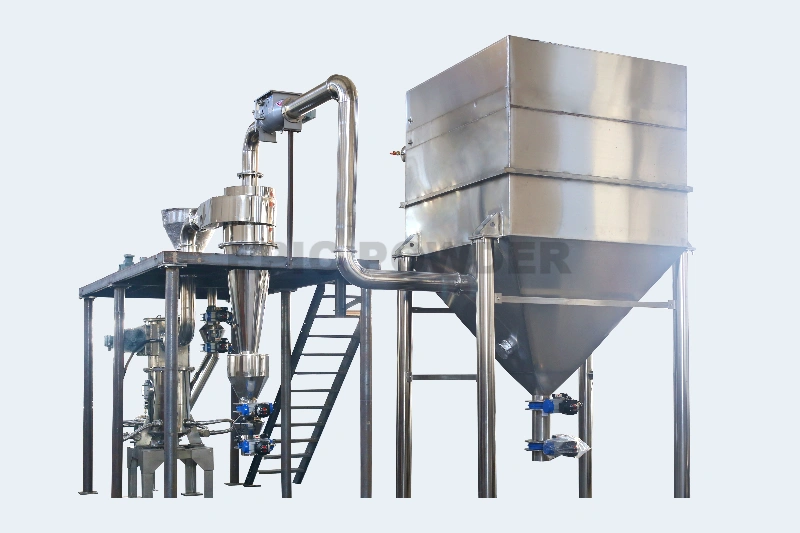
Nel campo dell'ingegneria delle polveri, la tecnologia di macinazione influisce direttamente sulla distribuzione granulometrica, sulla morfologia delle particelle e sull'efficienza produttiva. Nel 2025, il mulino a getto d'aria e il mulino meccanico rimanevano i due sistemi industriali principali. Questo articolo fornisce un confronto sistematico in termini di principi di funzionamento, efficienza energetica e controllo della granulometria. Confronto dei principi di funzionamento delle apparecchiature […]
Perché la macinazione è importante nella produzione di quarzo ad alta purezza?

High Purity Quartz (HPQ) is a quartz raw material with extremely high SiO₂ content and very low impurities. The required SiO₂ content usually exceeds 99.99%. Thanks to its excellent thermal stability, very low thermal expansion coefficient, and extremely high purity, HPQ is widely used in semiconductors, photovoltaics, new displays, optical communications, and high-end quartz glass […]